700 hours in India
in the uncomfortable saddle of a Royal Enfield 500
This book is about a journey.
In India.
On my own.
On a motorcycle.
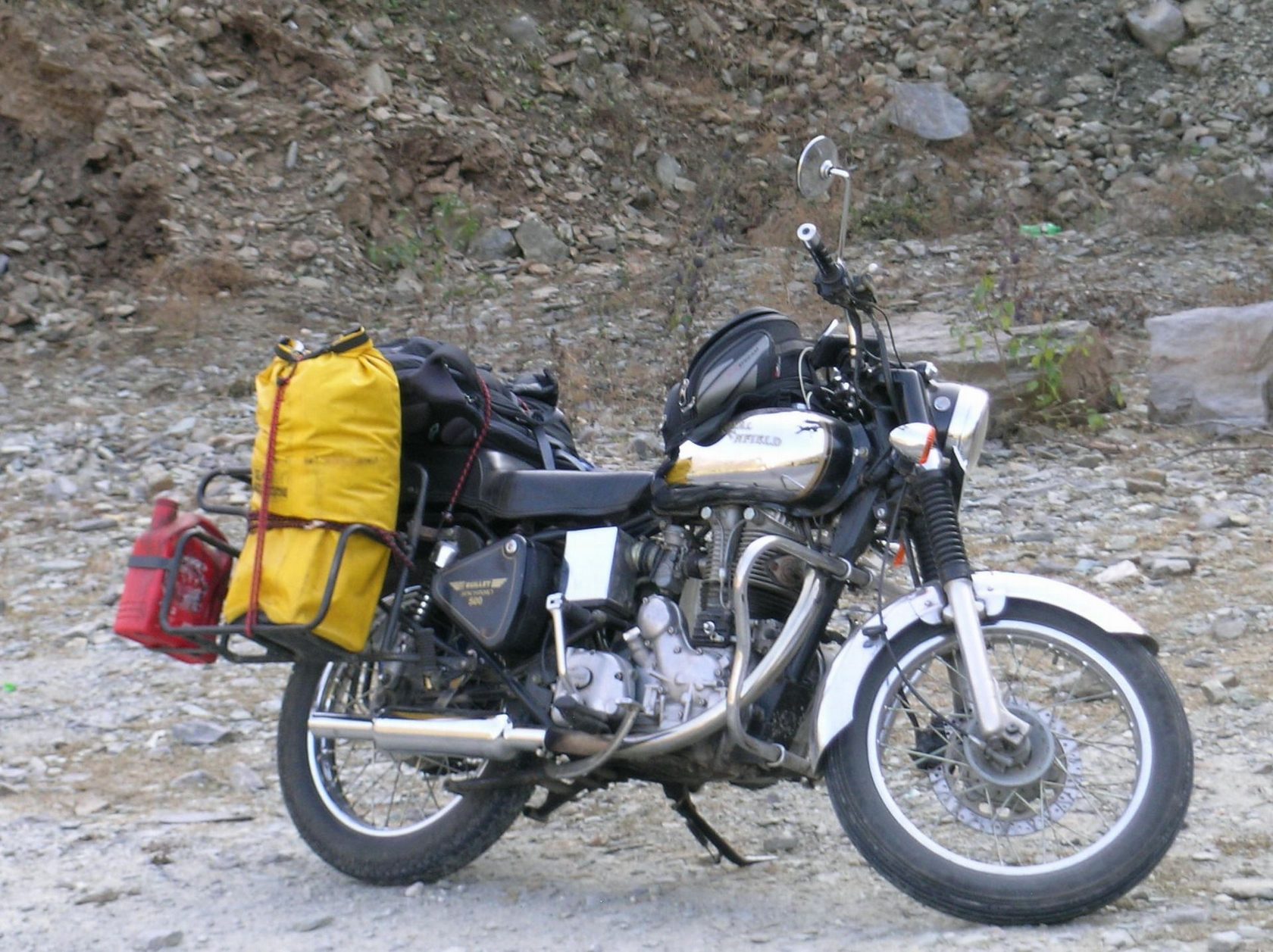
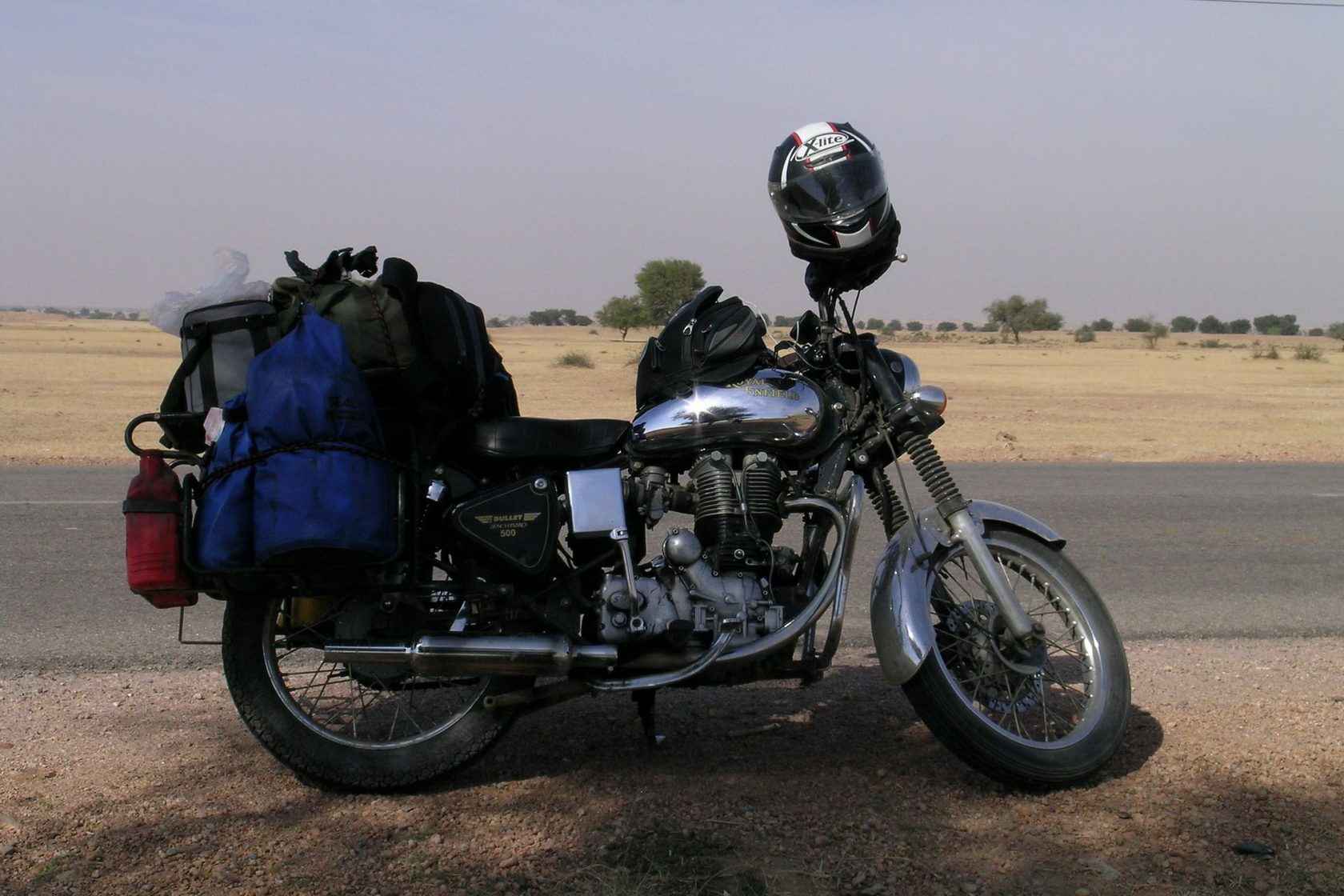
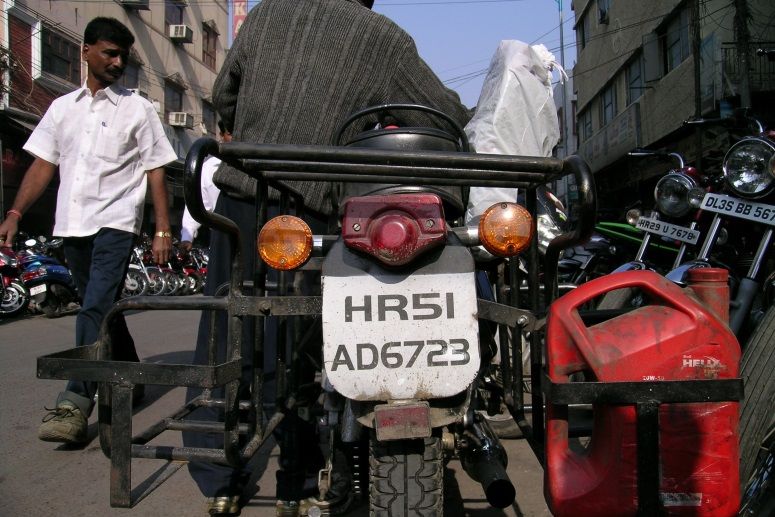
A Royal Enfield Bullet Machismo 500.
Single cylinder.
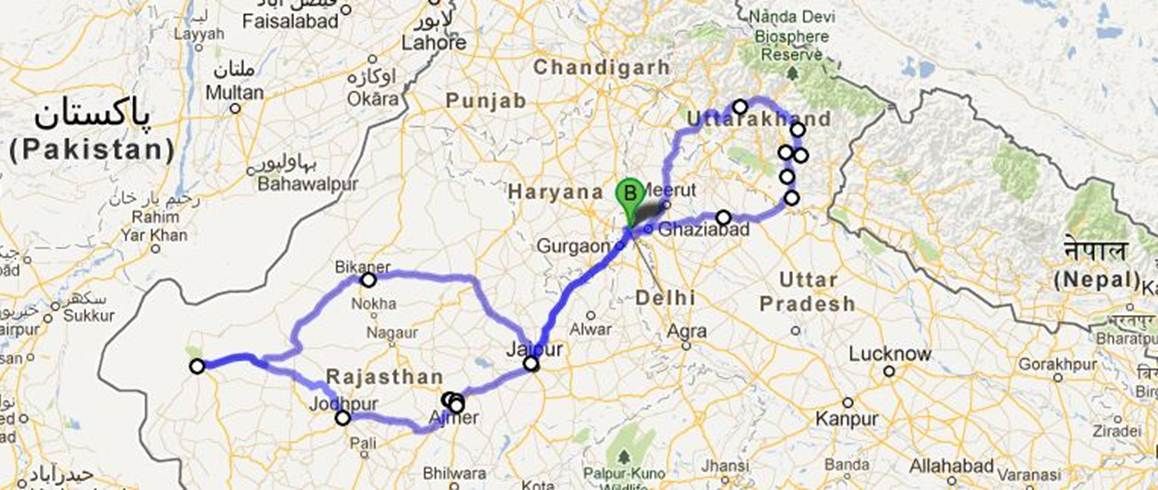
Three thousand kilometers in twenty days, between the south-western part of the Himalayas (the area in which are the source of the Ganges) and the deserts of Rajasthan. Spiced up by two hundred and fifty thousand horn honks (approximately).
Why
The whole idea, as often is the case, was
thought up by chance. I had to go to Calcutta for work just
before Christmas, and I thought, "Why not take the
opportunity to properly visit India?"
I quickly look at the calendar, because over the Christmas festivities I have no impending commitments. I think about the free time I have and decide I can spend the holiday period over there! I think about the days, about where I could go but the idea of riding a bike is still not an option. My intention is to rent a car with a driver, as I had done in Ceylon many years before. Most people are afraid of driving in India, and the rental of a car with driver, is cheap and safer. You drive on the left hand side, the streets are terrible, and there is a total absence when it comes to road rules. As well as a lot of traffic and unimaginable driving skills. The idea of relying on a native driver, as being the wisest of choices, is a common thought. I persuade myself that it is feasible, but something does not convince me and a vague sense of dissatisfaction lingers in the air.
Pallino, a very good friend, told me that one of his colleagues from the office did it with a group of friends. They rented the bikes in Delhi and then set off. They had a car following them with spare parts just in case. They travelled around for two weeks, loving every second of it.
Whit a bike ...
With a bike!
The bike is symmetrical, does not have the steering wheel on the wrong side, driving on the right or the left is equal. And then is the way I prefer.
I was going to ride the bike.
The only problem being I am not group of people.
You could probably label me in different ways, but not as a group of people.
I would have gone on my own.
Without a car following my every move. That would have sounded ridiculous.
On my own, full stop.
I would also write a book about the motorcycle trip and my experiences.
Thank you Pallino!!!
I had already written a book with the number 70 in the title, and was about to write another one with 7. Excluding 0.7, the obvious next step in my maniacal way of thinking, was 700. But 700 what?
700 hours in India.
In a motorcycle.
I converted the hours into days and I bought my return ticket.
A logical and rational well thought out plan.
I needed a cure.
And I was able to prescribe the appropriate treatment.
What's the term?
Self-medication.
Sea air and long walks on the beach are highly recommended....
In my case, I was prescribing myself a motorcycle trip in India.
And a long one too.
There isn't really any issue that cannot be solved during a bike trip. It is just a matter of how many kilometres you are willing to cover.
Well, that's enough. The reason has been addressed. I would skip straight to the thing and then tell how.
And the details to follow.
(Some one might argue, "but while telling of the journey you are advertising the books." True: 200 characters of this Web page are used to advertise my book. That is less than 0.006% of the text. Would be like if advertisements that precede a film lasted 20 seconds instead of 20 minutes. I guess that it is bearable).
What
Journey time: 29 day
In other words, 700 hours.
In reality there have been days when I did not travel on my bike and I did other things instead; but the fact remains: the duration of the trip was determined by 700, which is the title of this book, a number that was in my mind long before I left.
700 hours.
A particularly meticulous person might object: “But 29 times 24 is only 696!"
True, but India is +4.5 hours ahead of Italy and by adding 4.5 to 696, we get 700 hours and half, exceeding albeit slightly, the fixed number that I have used.
The time zone issue is actually ridiculous, a mere trick to make ends meet by using fraudulent calculations. I trust, nonetheless, that the school book “Around the World in 80 Days”, with the magical extra day obtained by travelling east, will cloud the readers' intellect and make everything more credible.
Or, that they will give me a 4 hour gift.
I believe I deserve it.
Mileage: 3000 chilometers and brisk
There were 11 stages in 20 actual travel days. 30 km / hour was my average speed in the mountains; average speed on the plains was 60 km / hour. Which brings me to a total driving of nearly 70 hours. On a 500cc, single cylinder, 4 stroke motorcycle.
My dentist will certainly be happy as all my fillings have to be done again.
My average speed says a lot. In India people take their time. Rushing and moving fast is dangerous and useless.
Inadequate, even.
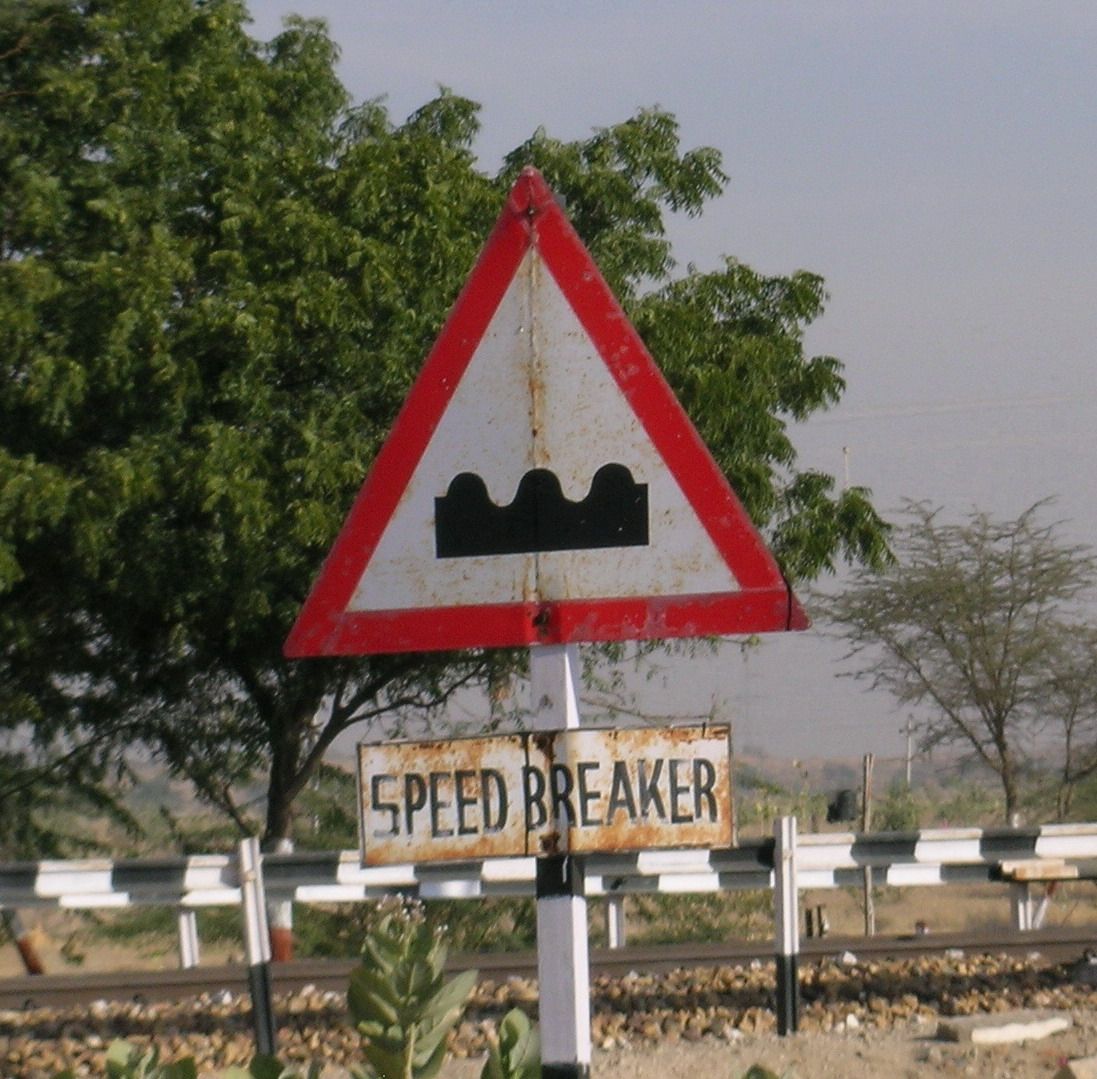
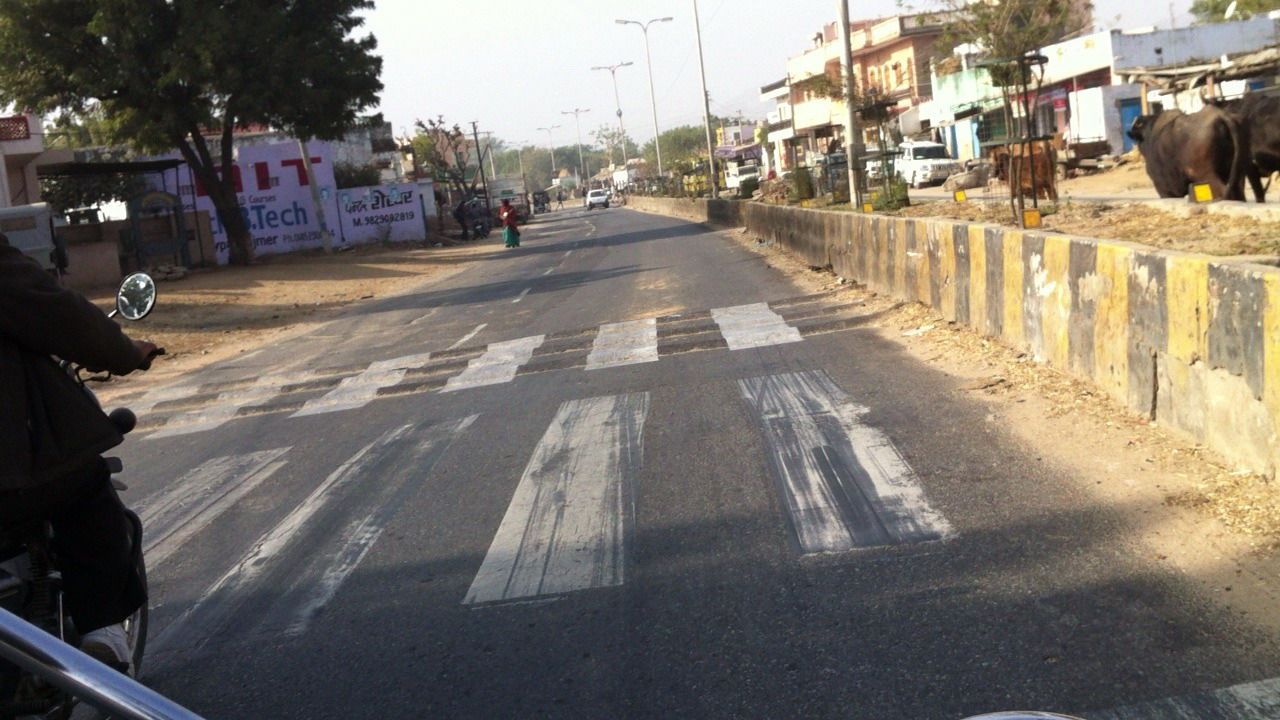
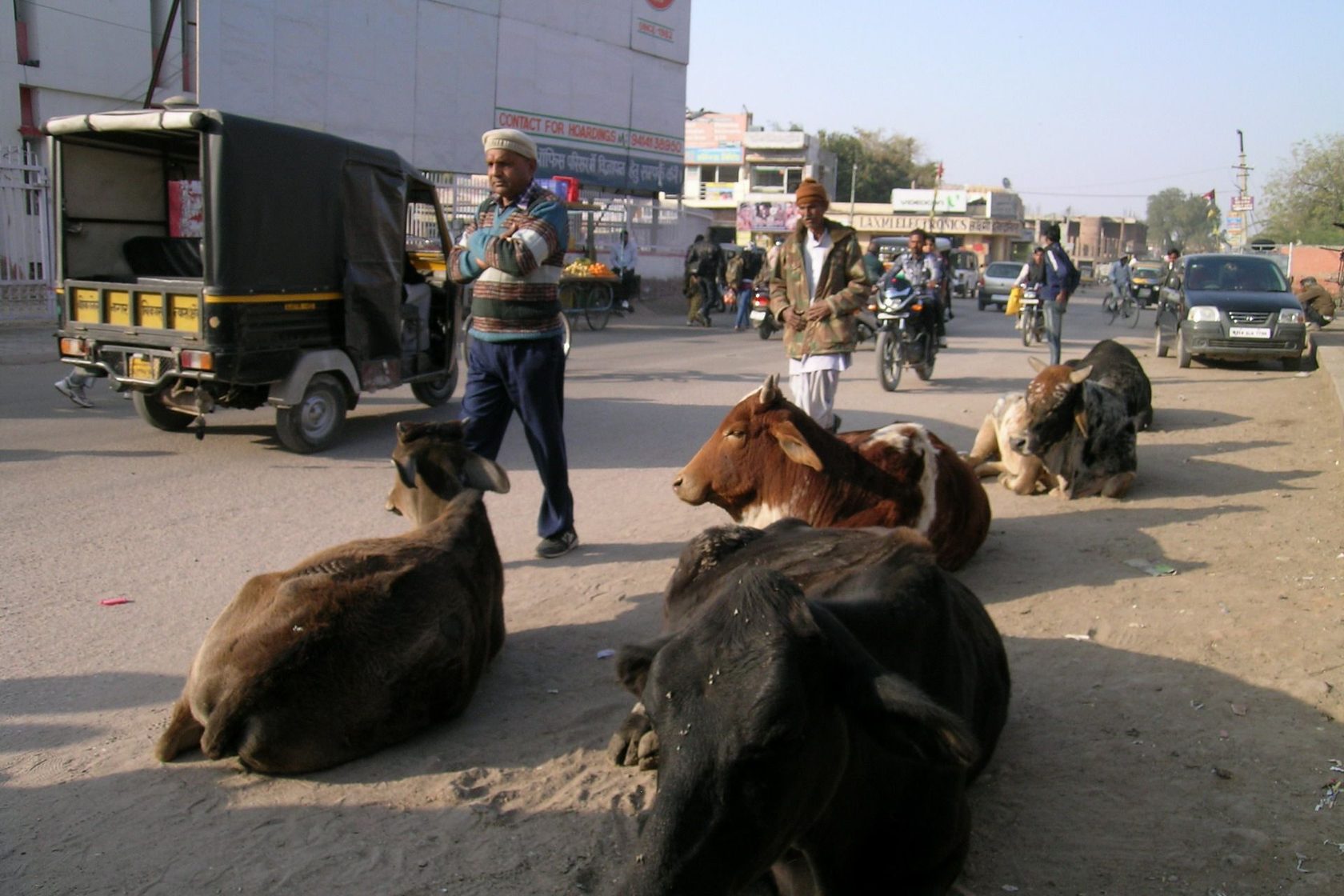
Potholes, bottlenecks, dirt roads, fords, cows…
All obstacles that need to be taken into full consideration when driving there.
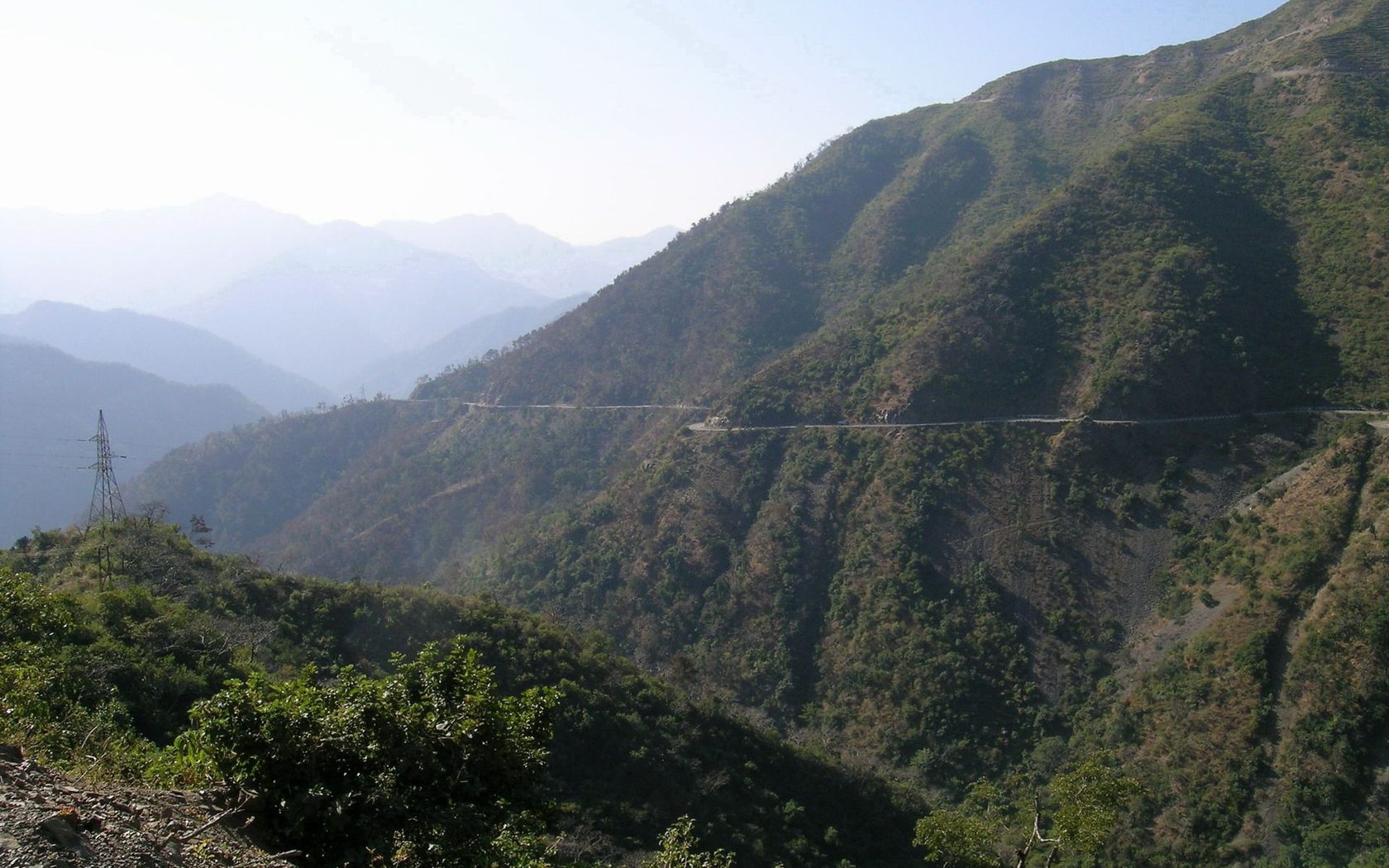
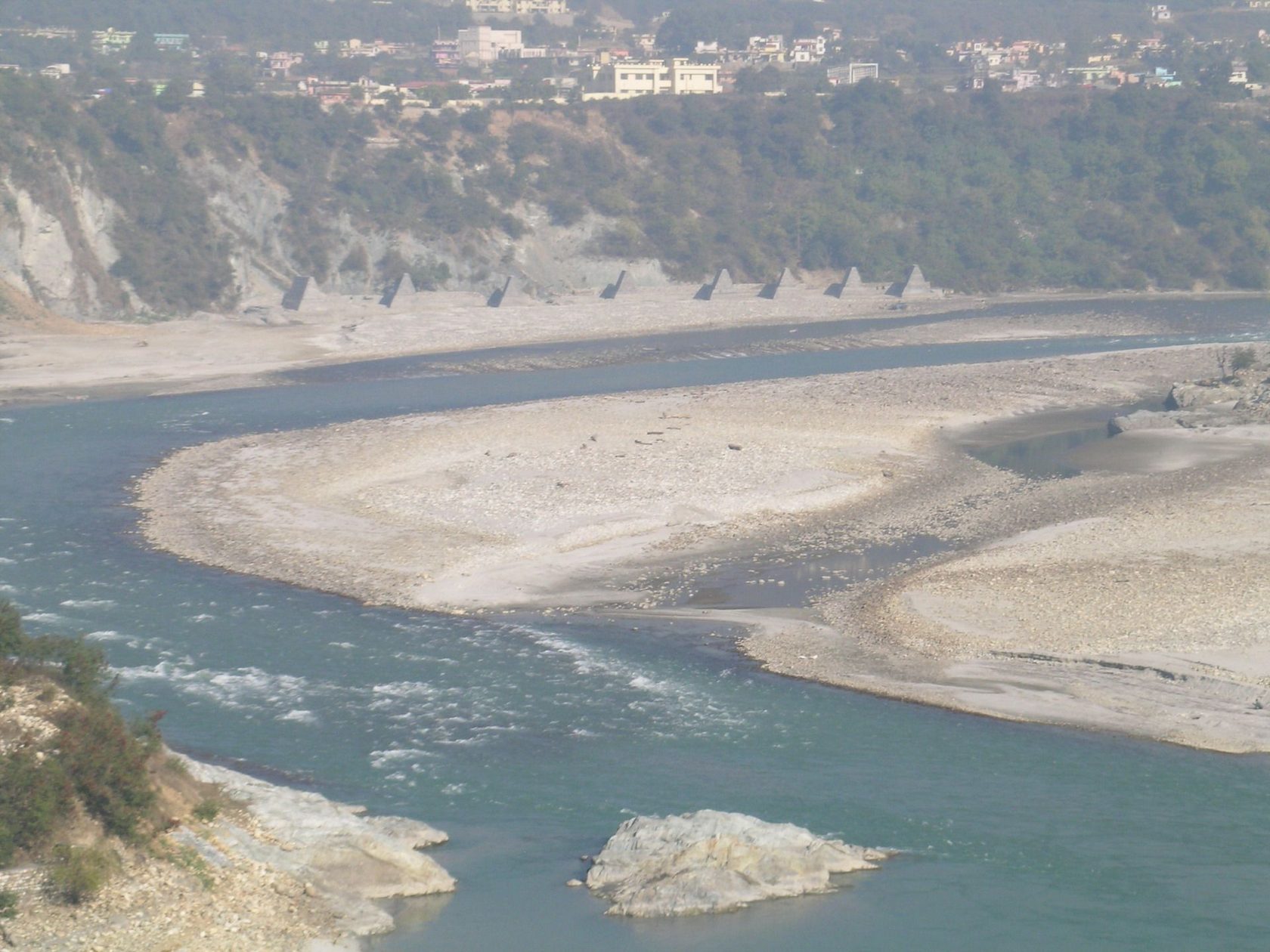
During my time there I found out that my geographic memories were completely wrong: the Himalayas do not coincide with the Everest, it is, in fact, a much broader mountain range, 2400 kilometres long. I limited myself to a modest taste of it, following the Ganges, until the cold (- 4 degrees Celsius) pushed me towards the desert.
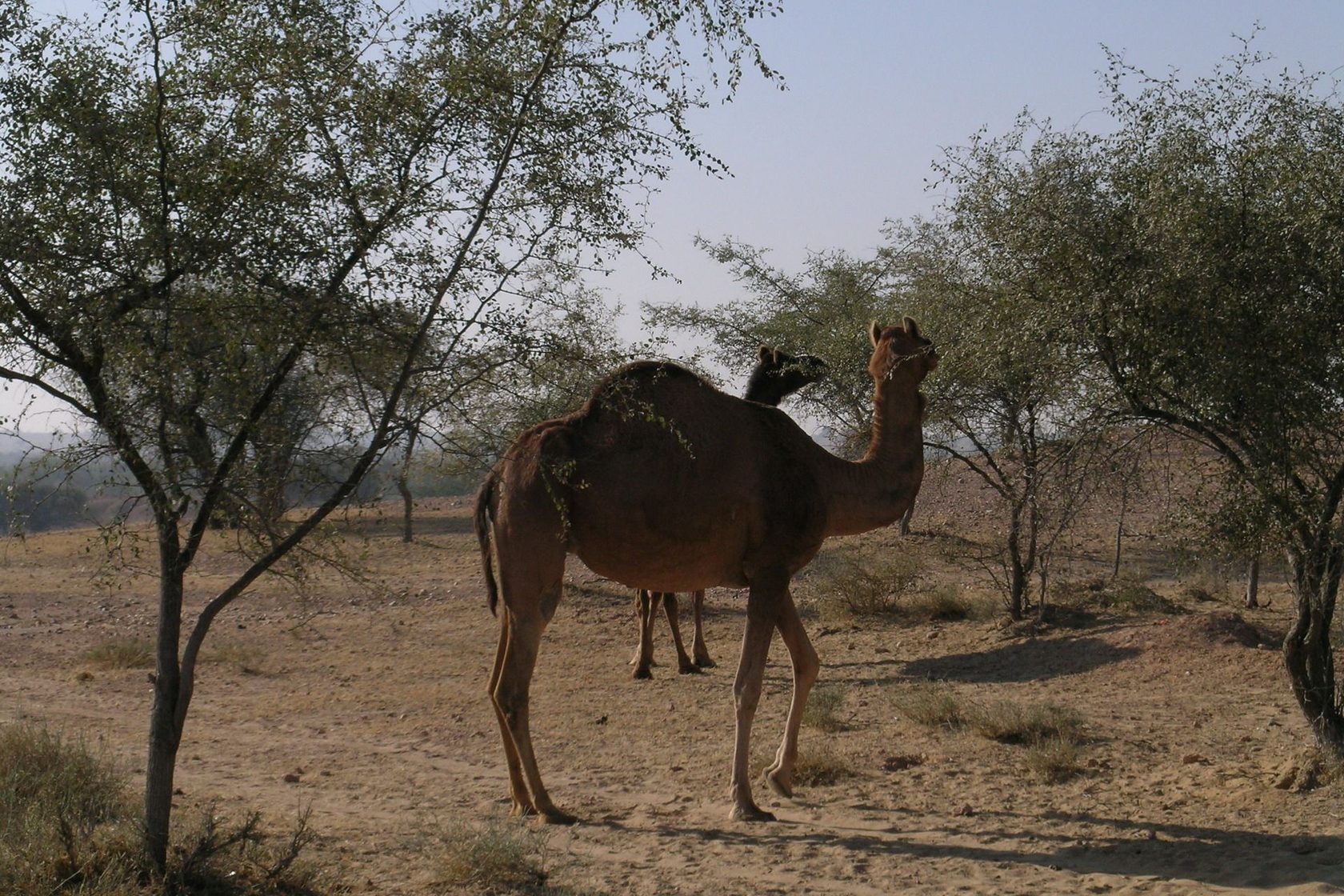
I dedicated the remaining 2000 kilometres to the state of Rajasthan. I had never been to a real desert before and I felt this urge to make up for it.
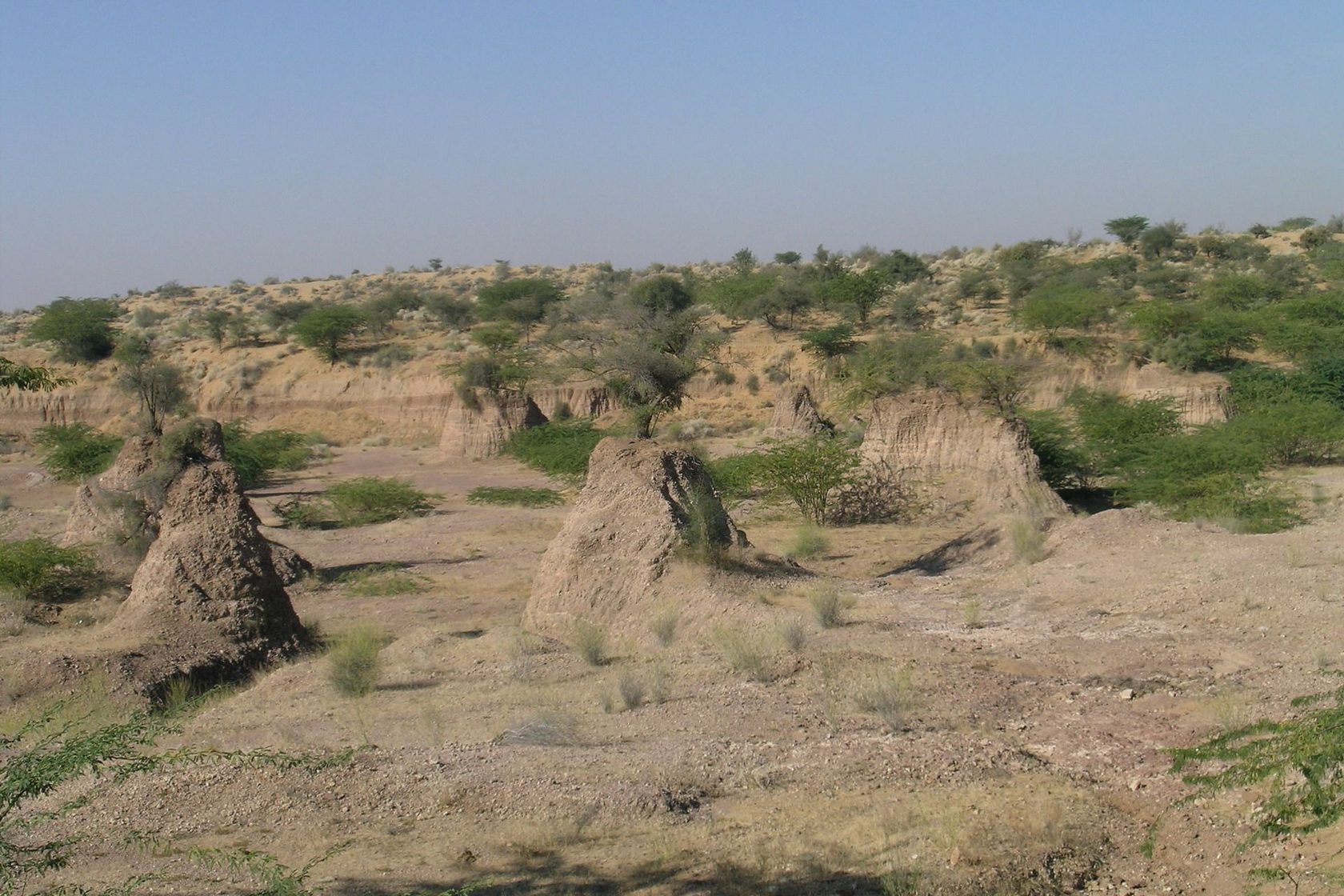
Duration of the longest stage: 9.5 hours
Average 6.5 hours
And when I speak of hours, I mean real hours, hours in which I hardly ever took my backside off the saddle.
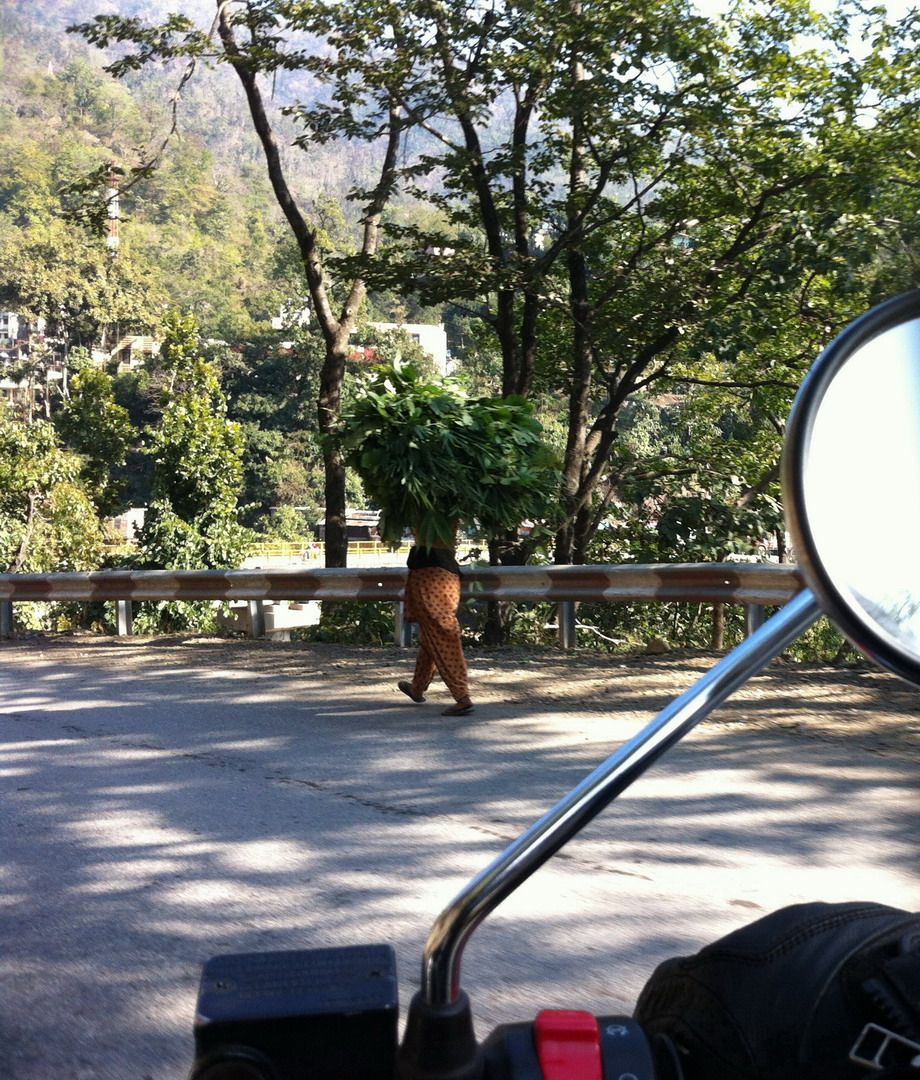
And by foot. Indians travel unimaginable distances. And they are very often carrying weights or pushing something.
Men of burden.
And then here I am, renting a bike, with all my stages calculated with Google Maps and transferred to my mobile GPS navigation system. With a certain compliance I had thought to myself: "even in the worst case scenario, I'll keep an average of 70 kilometres per hour."
To comply at all costs plan my trip I found myself traveling in the dark, divining the holes and the phrase " absolutely no account of driving at night ... "I echoed in my mind.
Then.
Then, I slowed down.
In every sense.
And as when, by mistake, you start a drive at a speed wrong and goes back to 33 rpm, everything started to make sense.
I drove in the dark, guided by round circles of white paint, painted on the mountain near the road, the Indian version of reflectors. Guessing where the holes in the road would be and the phrase "I am not going to drive at night..." echoing in my mind.
And then.
And then, I slowed down.
In every way.
And like when you play a record at the wrong speed and then set the player back to 33rpm, everything started to make sense.
Potholes or bumps encountered along the way: 3000 (these are obviously an (under)estimate).
Potholes or bumps on which, for various reasons, I DID NOT I slowed down enough: 50.
I remember them all.
The fact that nothing broke, or that I did not puncture, is miraculous. Yes, the luggage rack got unsoldered and I then had it repaired in Jaipur, but that was only the minimum I could expect. It is safe to say that the formula of the Indian tyre rubber has yet to be discovered in Europe.
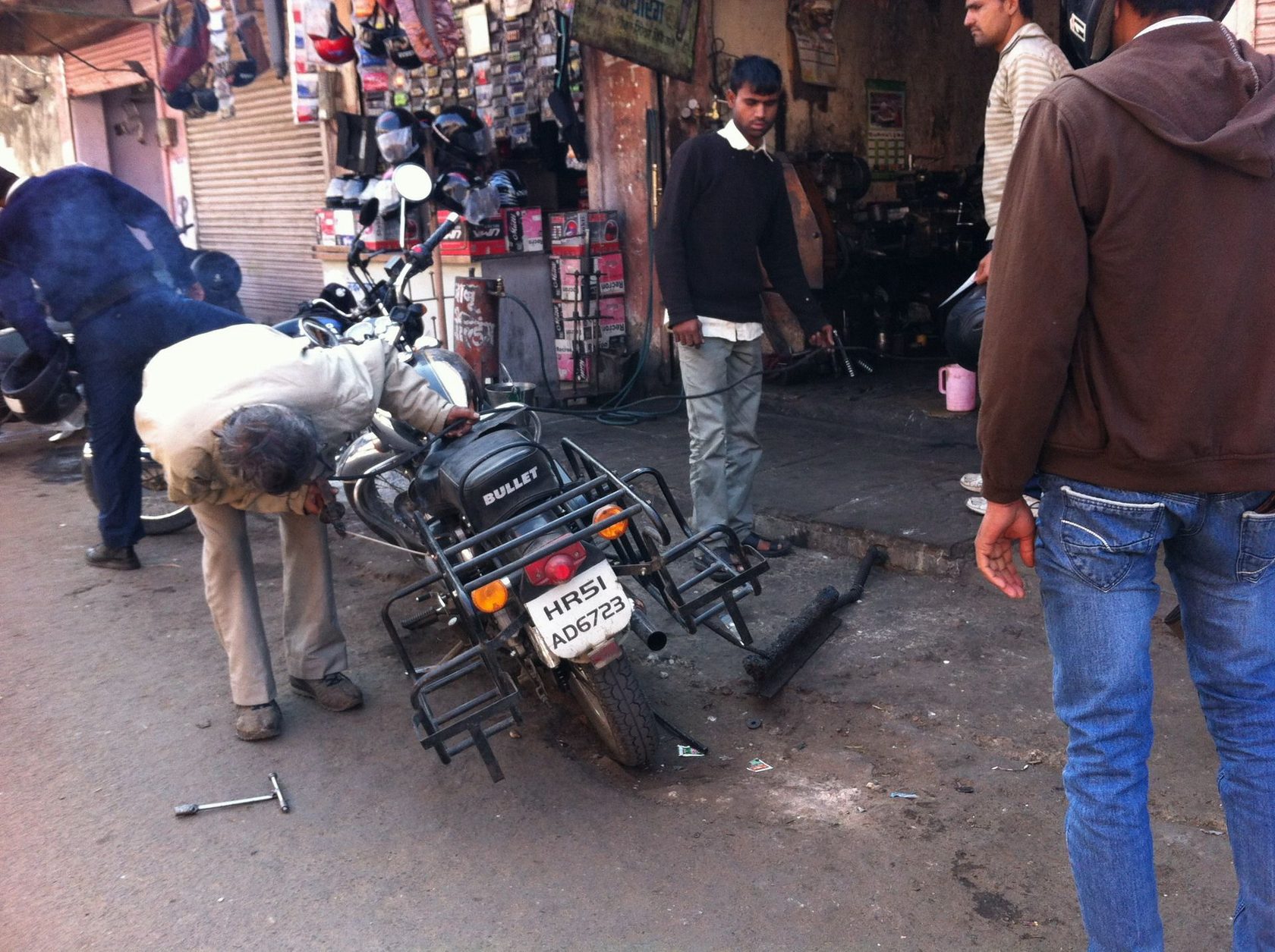
Items dodged at the last moment: too many.
And of various kinds.
In this case perhaps, it is more significant to understand what objects I have managed to dodge, as opposed to simply coming up with another number.
A complete classification would require the patience of an entomologist specialized in crickets. The following is only a cursory scheme.
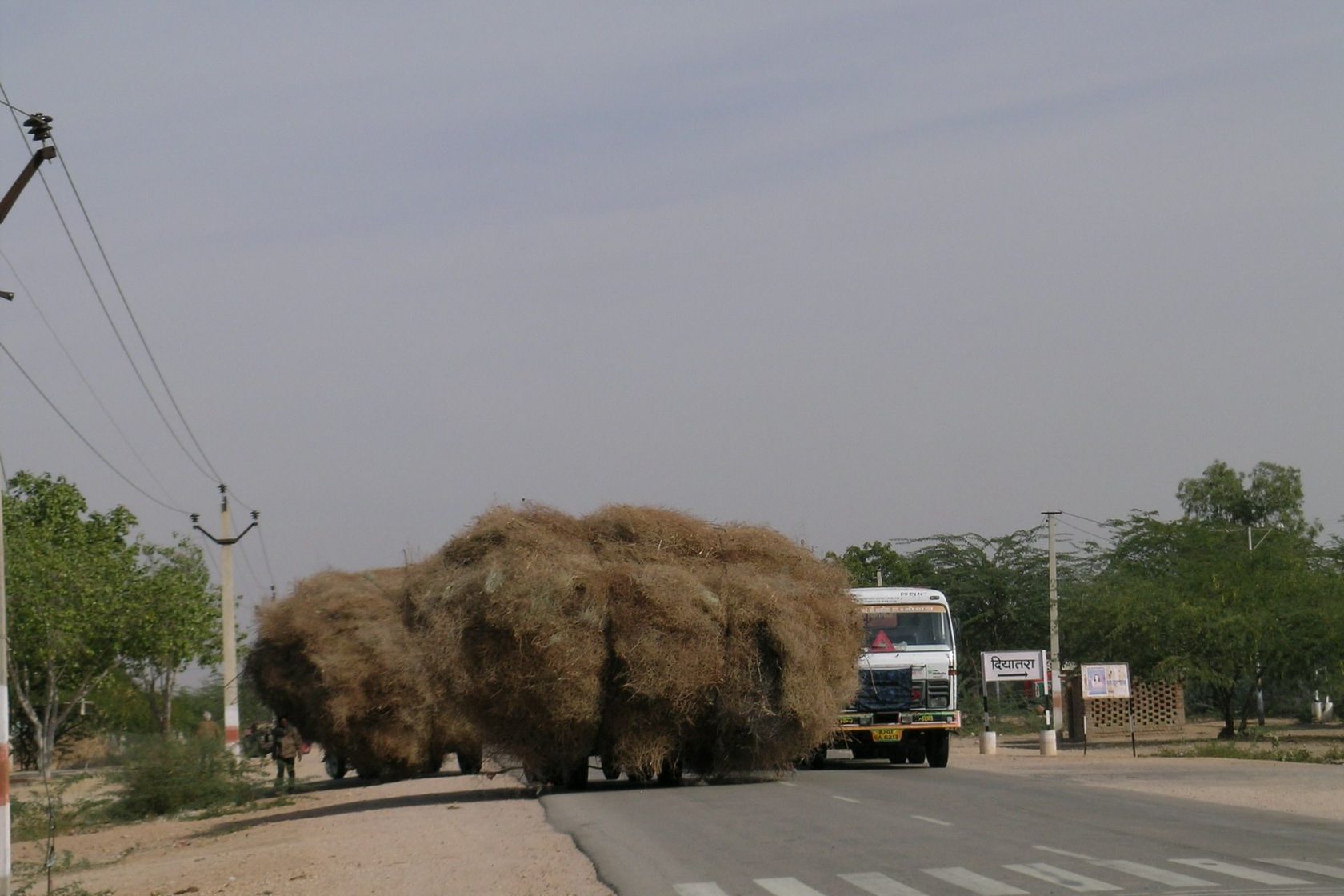
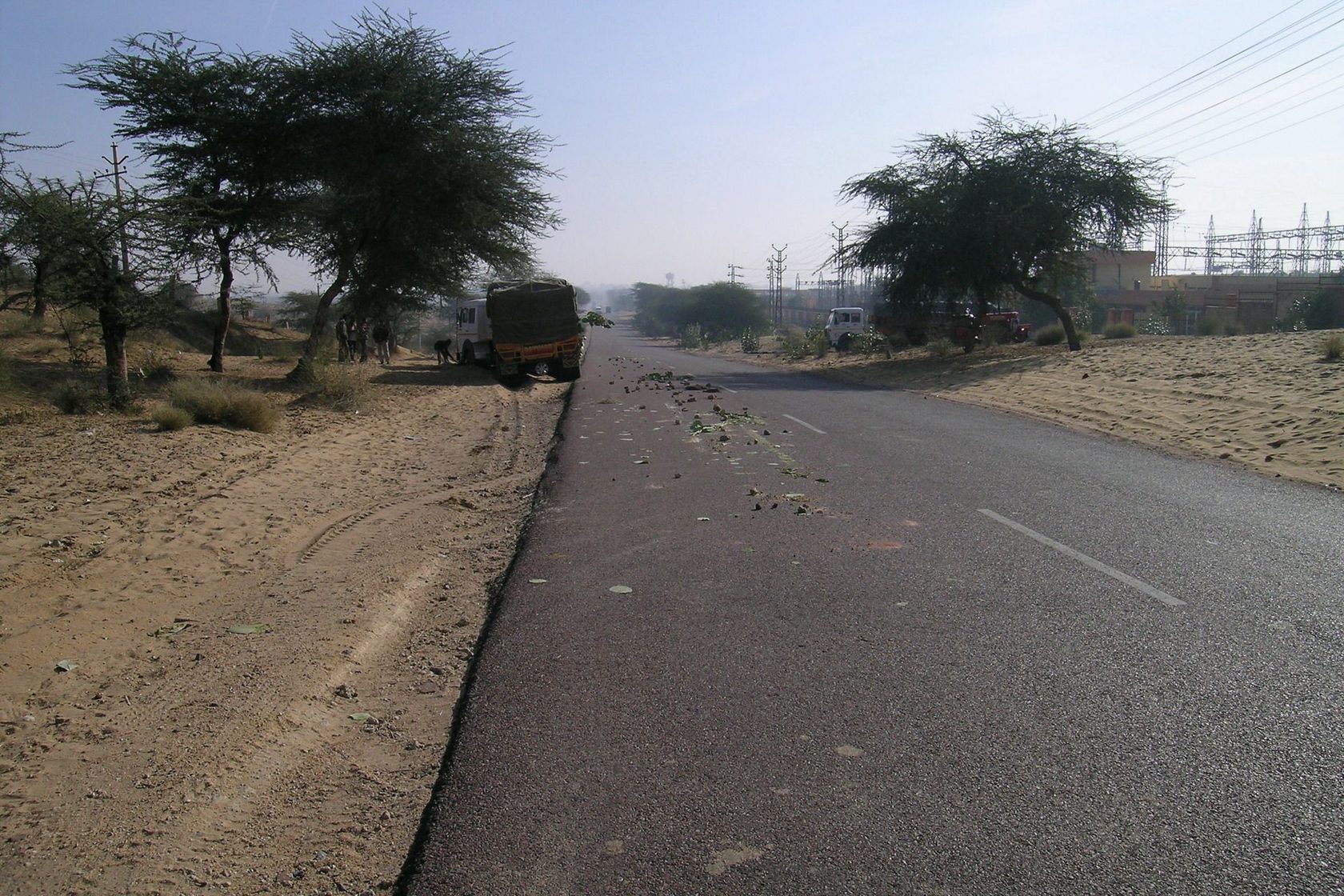
b) Animated objects
Here we distinguish three subcategories.
b1) Pedestrians
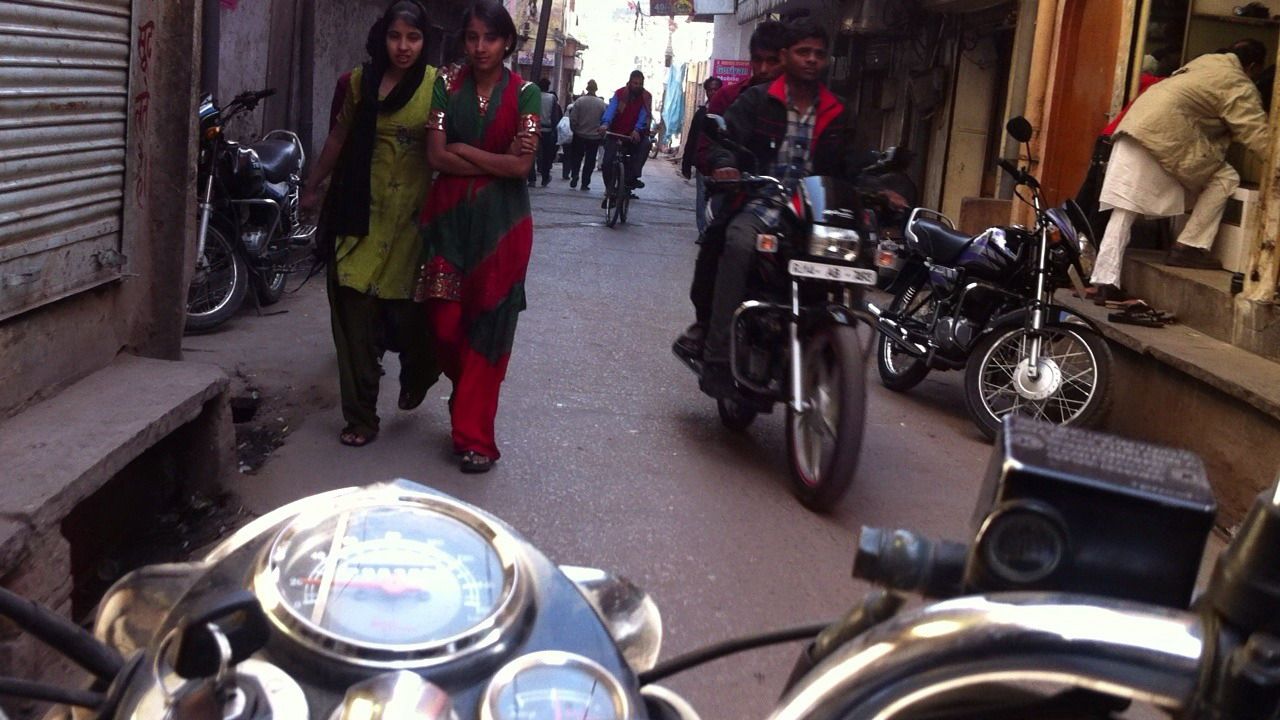
Pedestrians. In India, there are practically no sidewalks and, therefore, pedestrians have the right to move wherever they may please. They often move in a way that fully reveals their complete belief in a future reincarnation.
.
b2)
Animals.
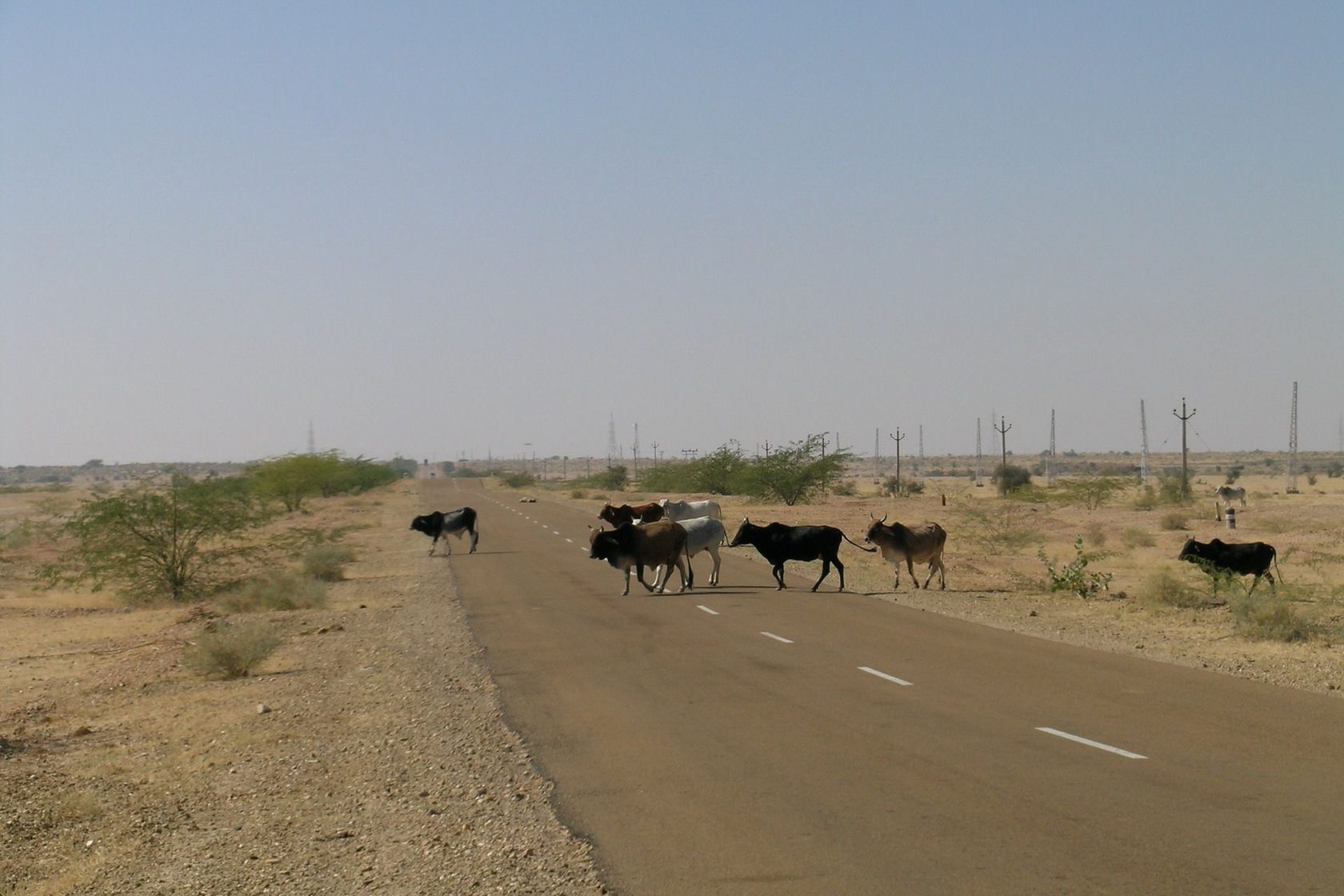
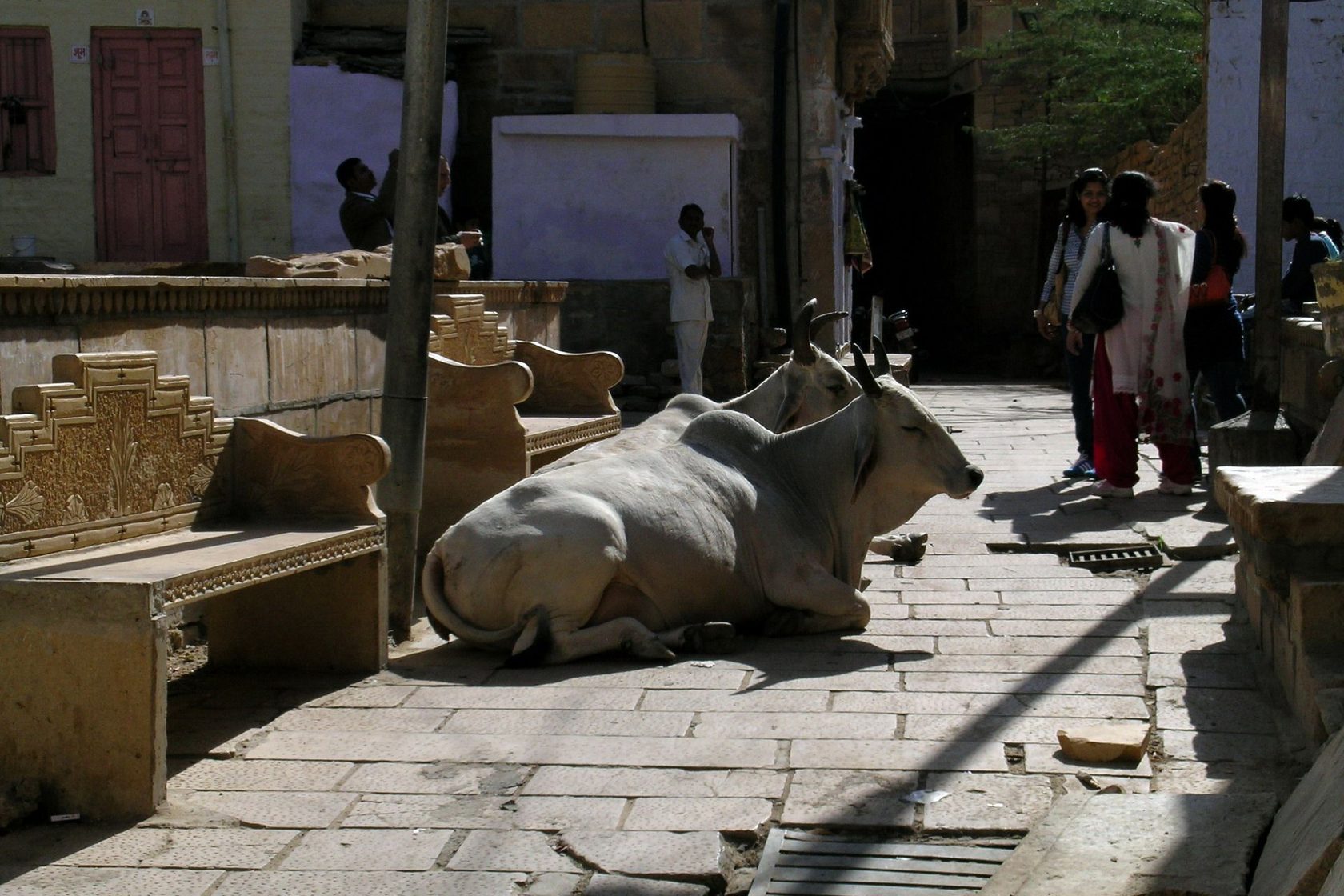
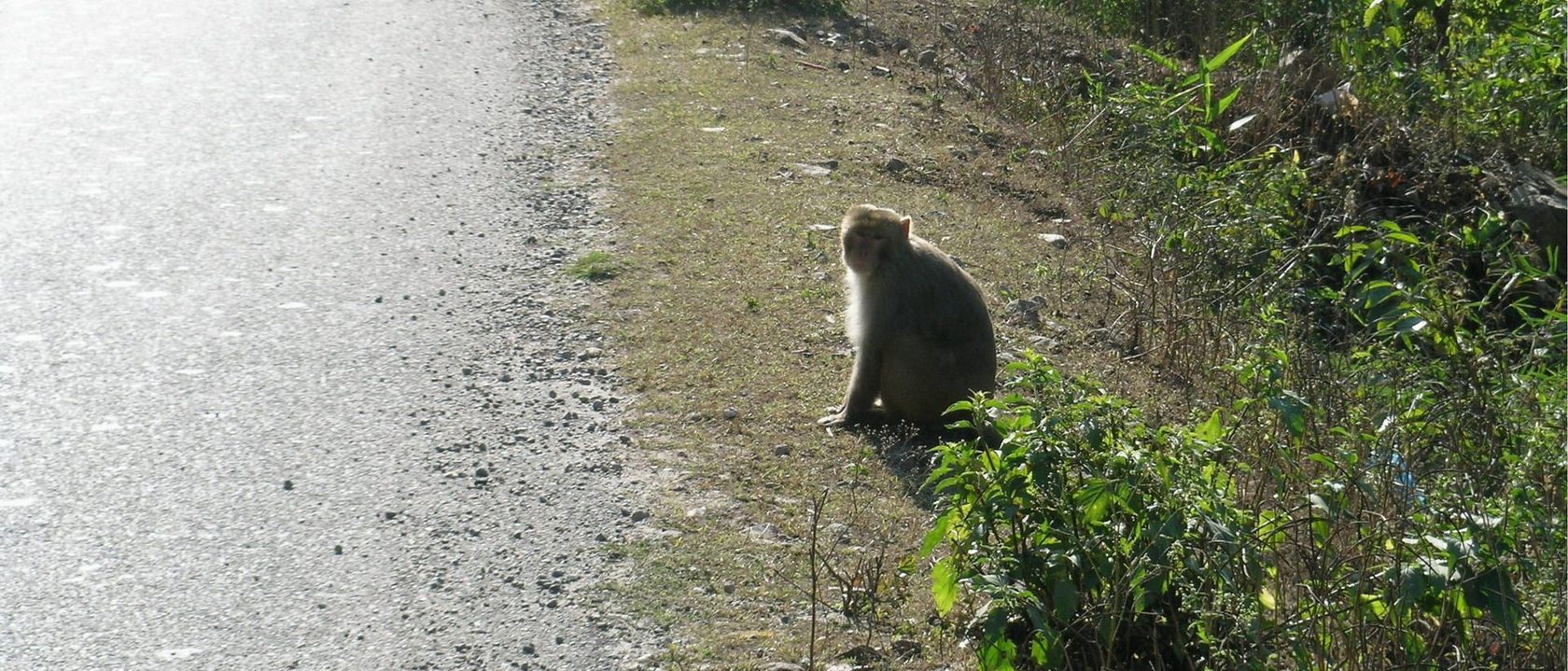
There is a huge amount of cows, oxen, wildebeest, peacocks, goats, dogs, dromedaries /camels. Some of them are virtually motionless (such as cows and oxen) and are often hidden by the large trucks that populate the Indian roads whereas others, like goats for example, move fast.
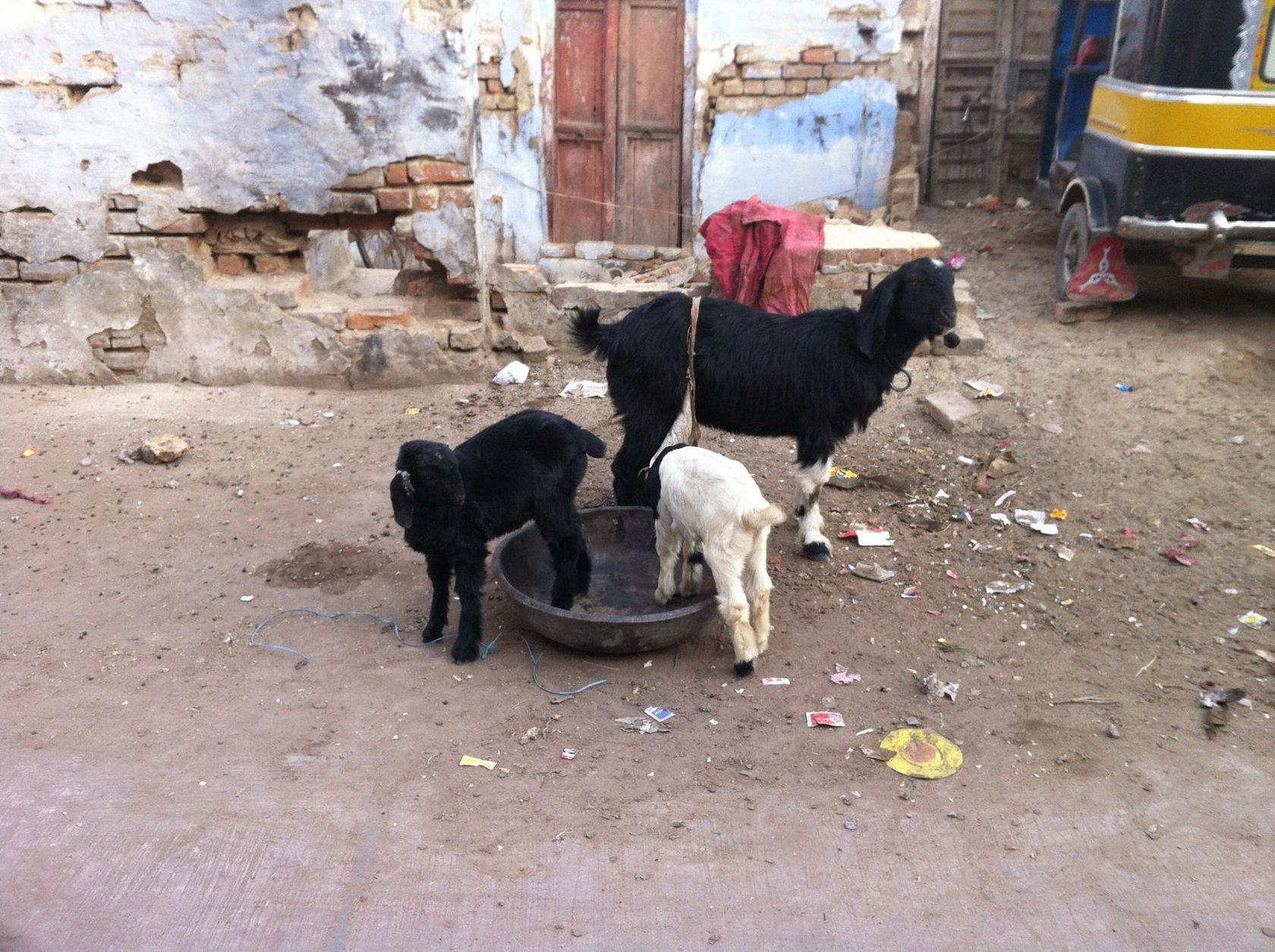
The goats are small, black as the tarmac itself and very dangerous. They suddenly throw themselves into the road. For no apparent reason, but with great determination.
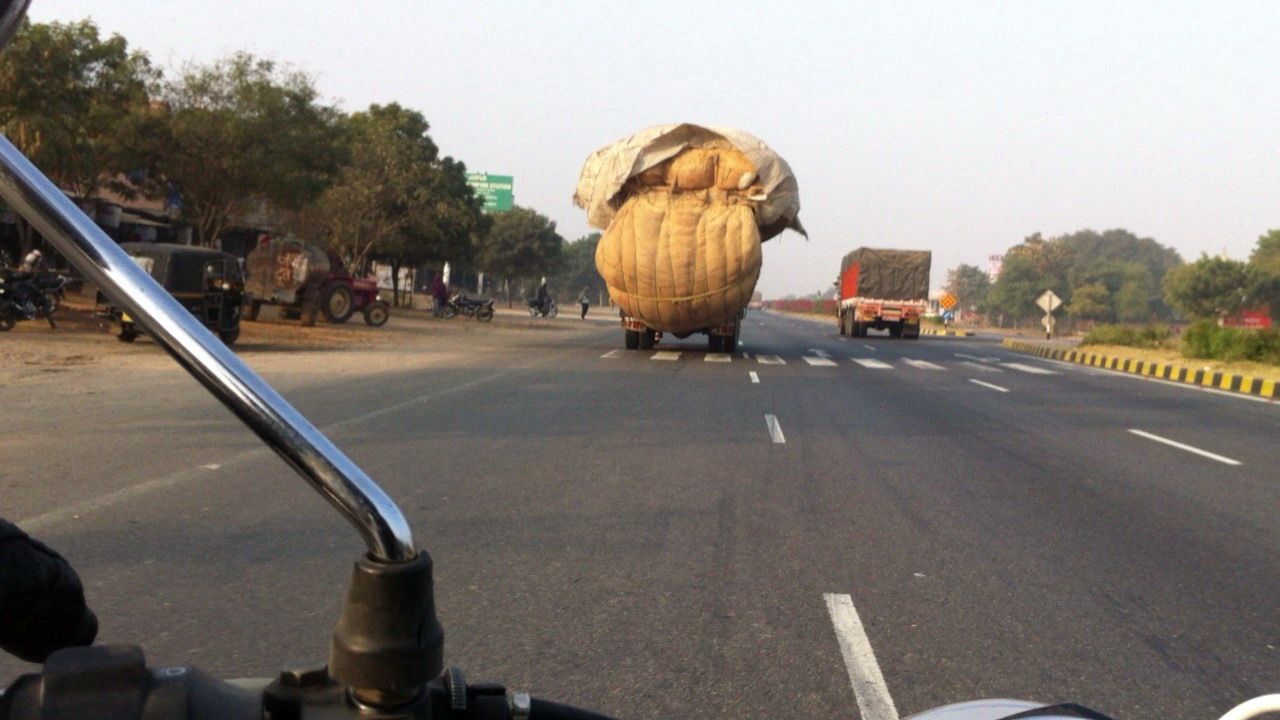
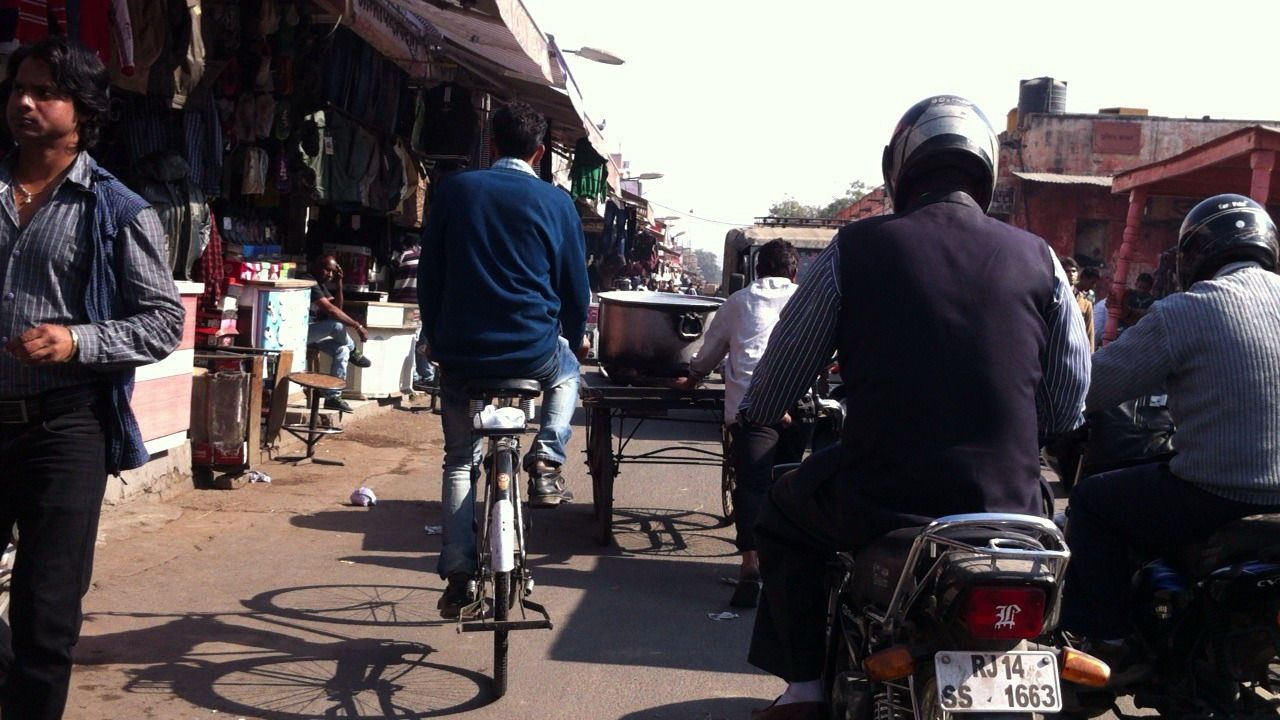
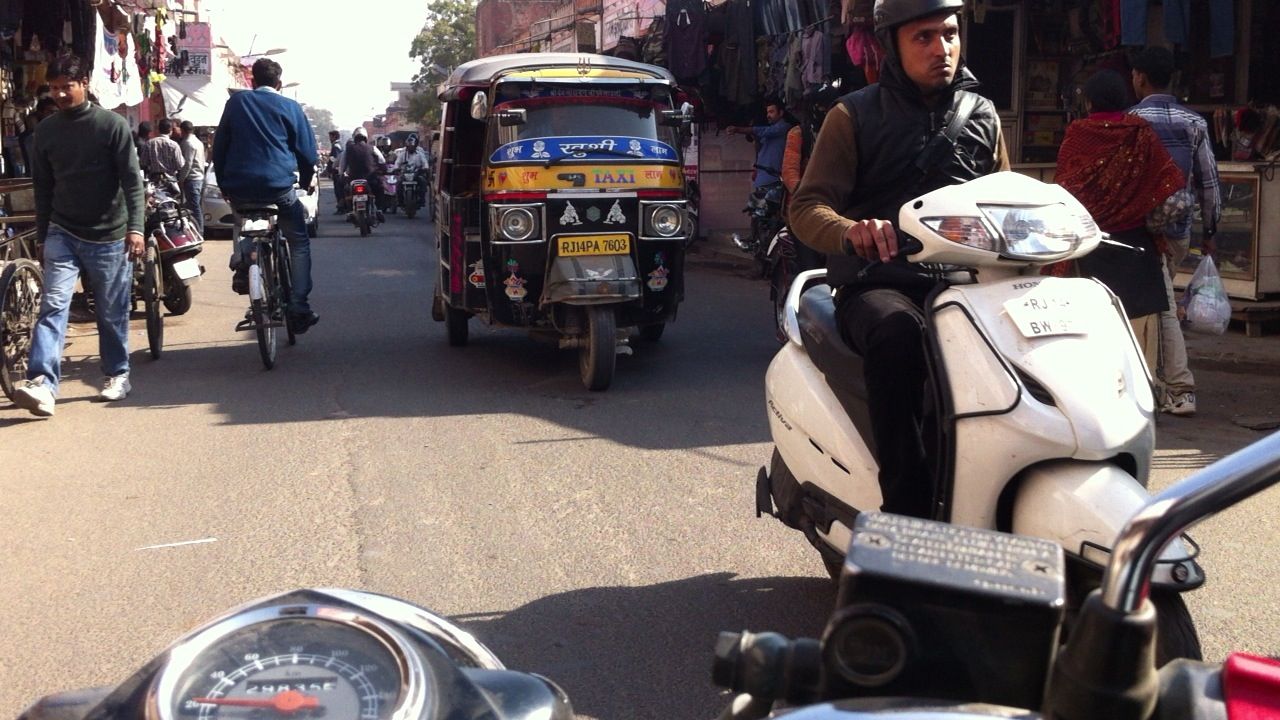
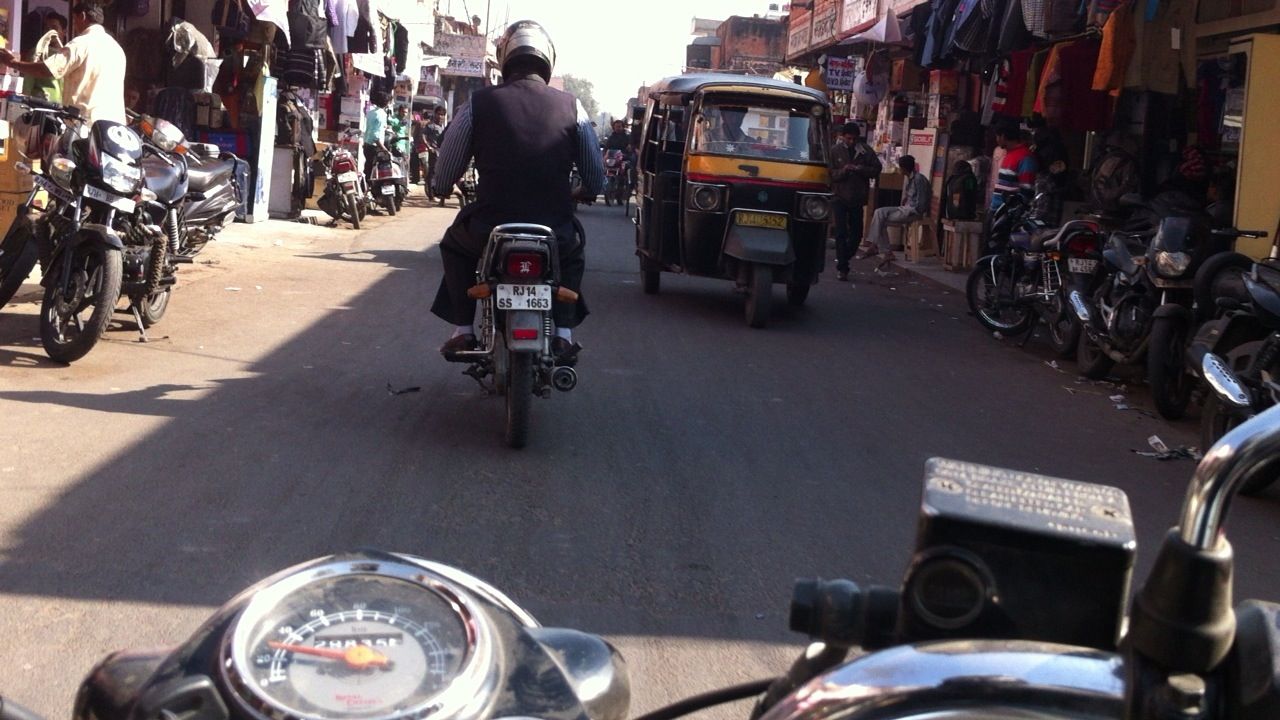
This includes hand-pushed carts or those pulled by an animal, bicycles, which are used as carts, traditional bicycles, tractors with surreal loads, small taxis (Italian Piaggio! Millions of Piaggio taxis in India) with three wheels, colourful, unpredictable and loaded to capacity, cars, the notorious "Tourist" buses, powerful means of destruction (they honk, go fast and they overtake like there was no tomorrow) .
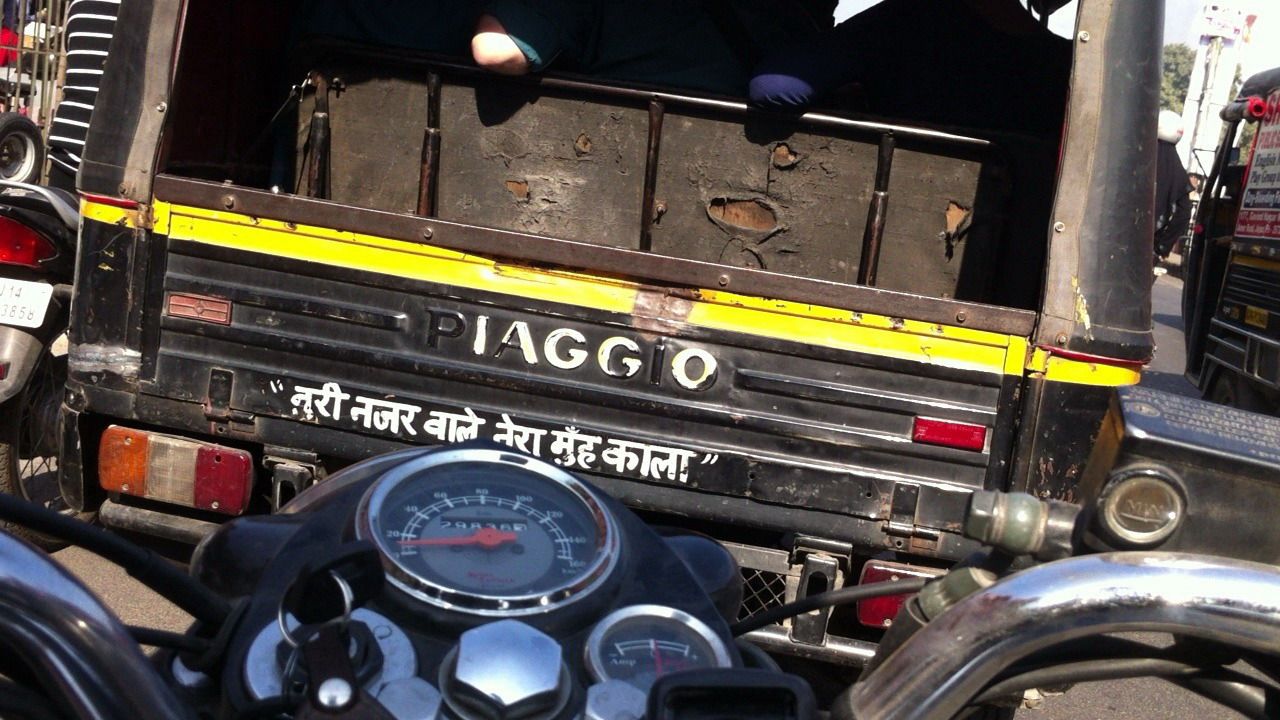
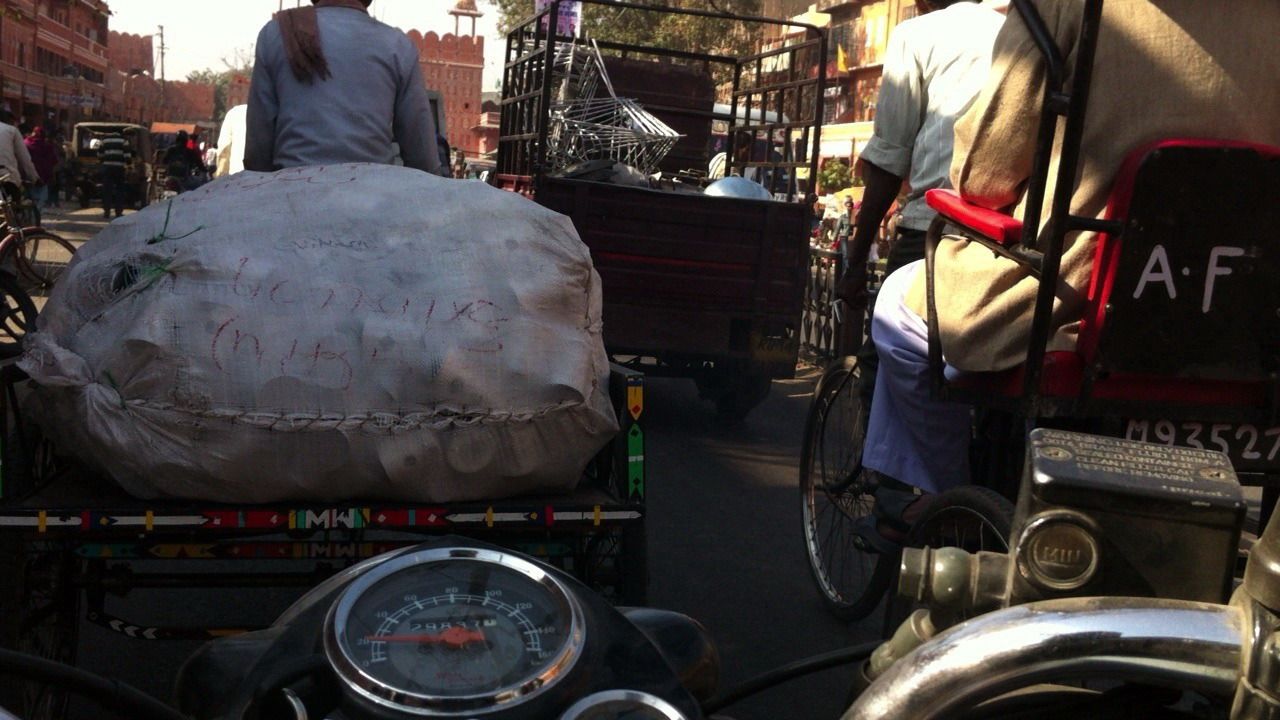
Trucks that are often decorated with yellow flowers, very old SUVs... and bikes. An incredible quantity of bikes that are typically low-powered, driven by the most assorted people dressed in an unconventional way. Number of passengers: 1 to 4. I was initially impressed, by the common passion we shared but then I realized: the bike is simply the most economical means of transportation.
Motorcycles coming at you from all sides and going in all directions.
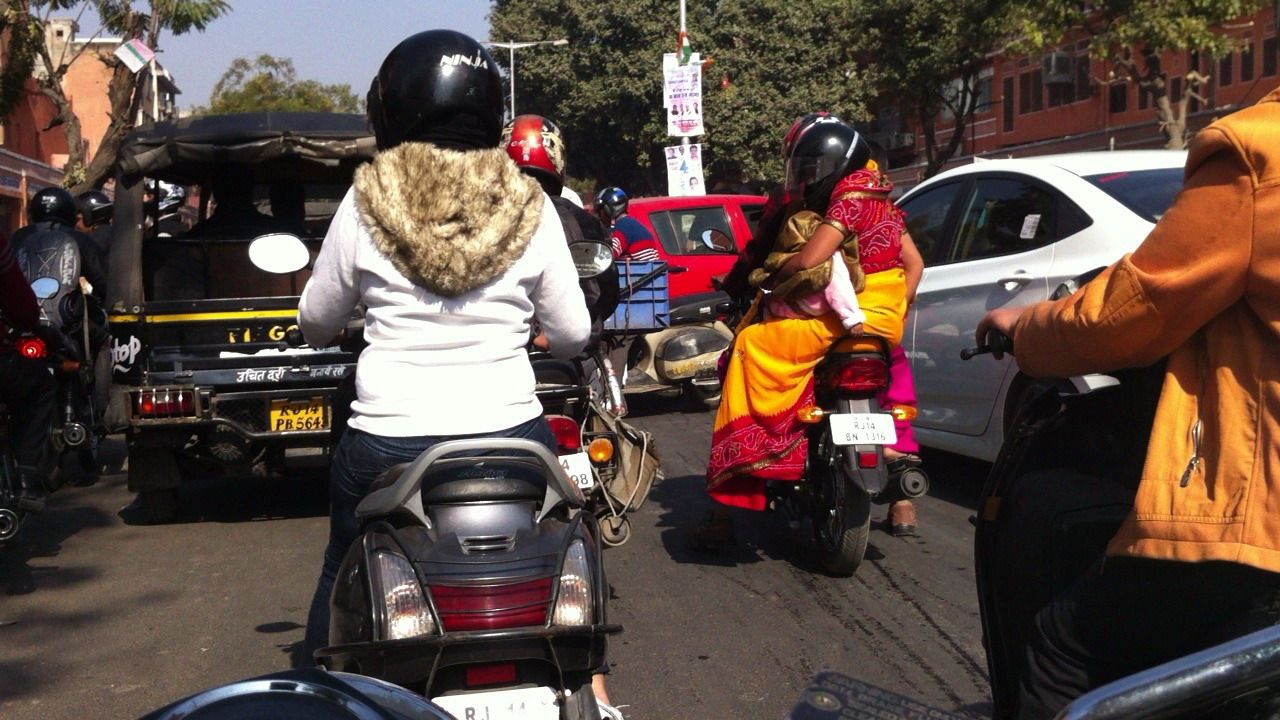
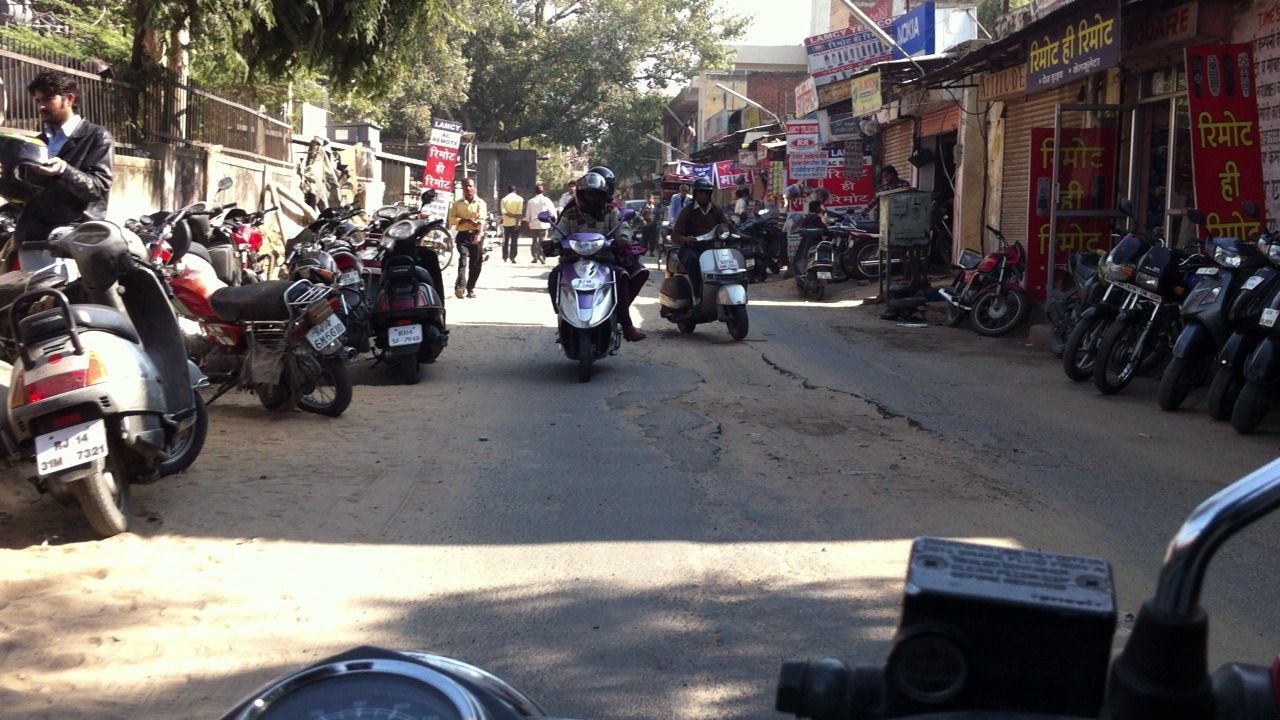
Car honks I heard: 250000 (also in this case it is an estimate. Again for defect).
Whoever isn't familiar with this honking may not understand. Everyone honks their horns in India. Constantly. Creating a widespread choral background, less irritating than one might imagine. A single beep is annoying, but a hundred asynchronous ones are paradoxically better. It is a continuous noise, to which you become accustomed. Like that of heavy rain or of a waterfall. Day and night. That, in some cities, adds to the common prayer five times a day. An unimaginable medley of noise.
I think that many Indians in their sleep push an imaginary horn as a reflex to this sound.
Well, the what is now quite outlined.
We come to How.
How
The bike
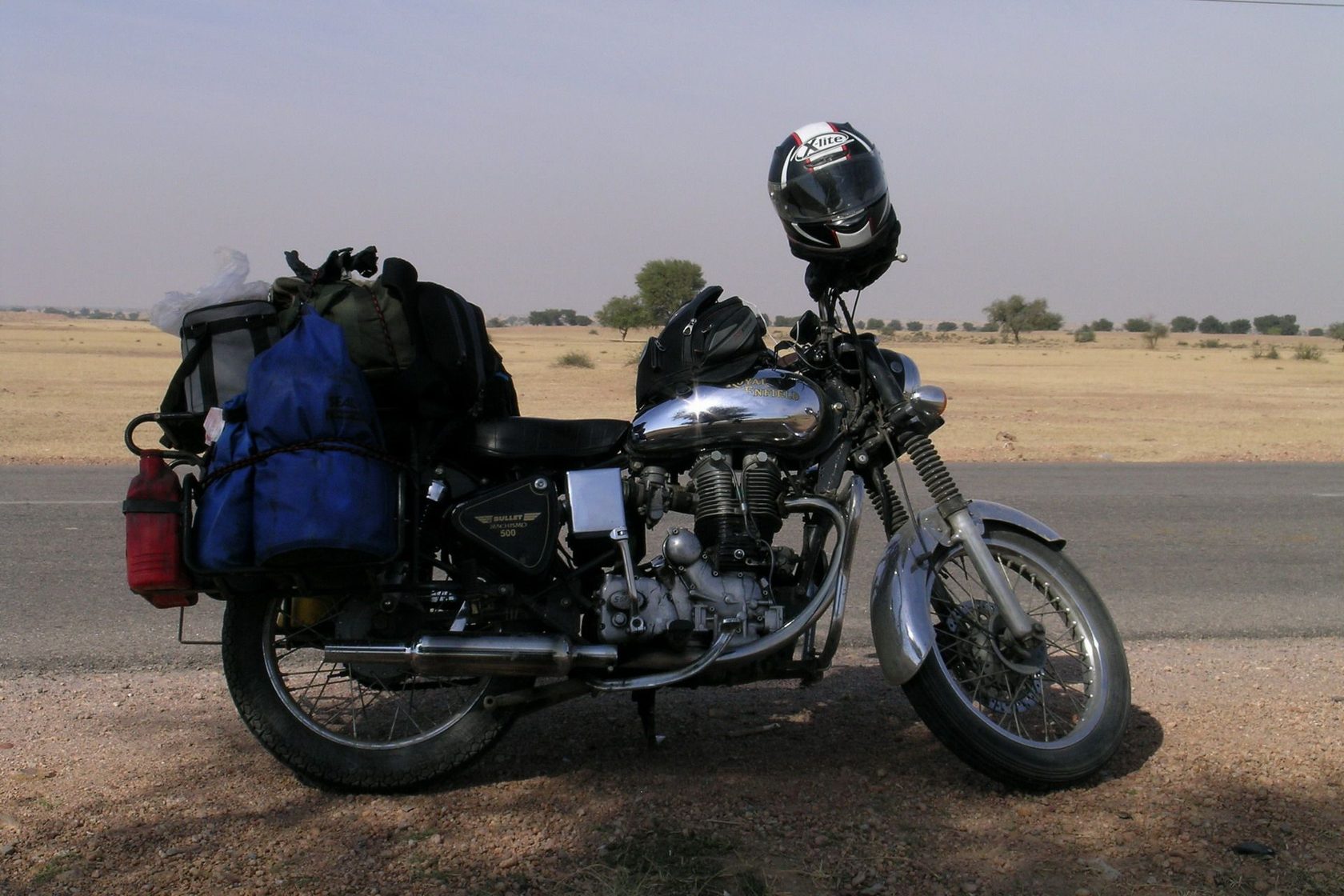
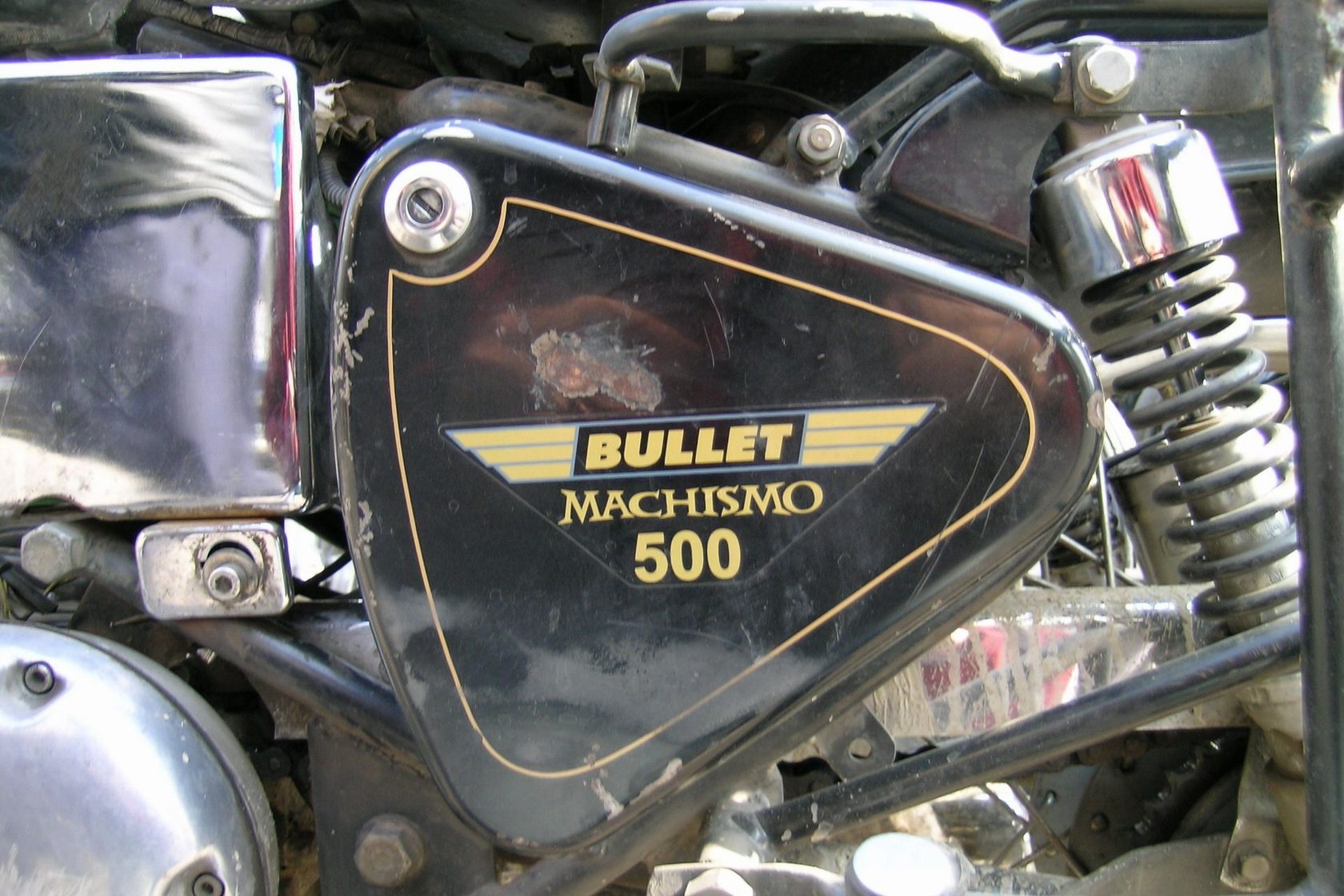
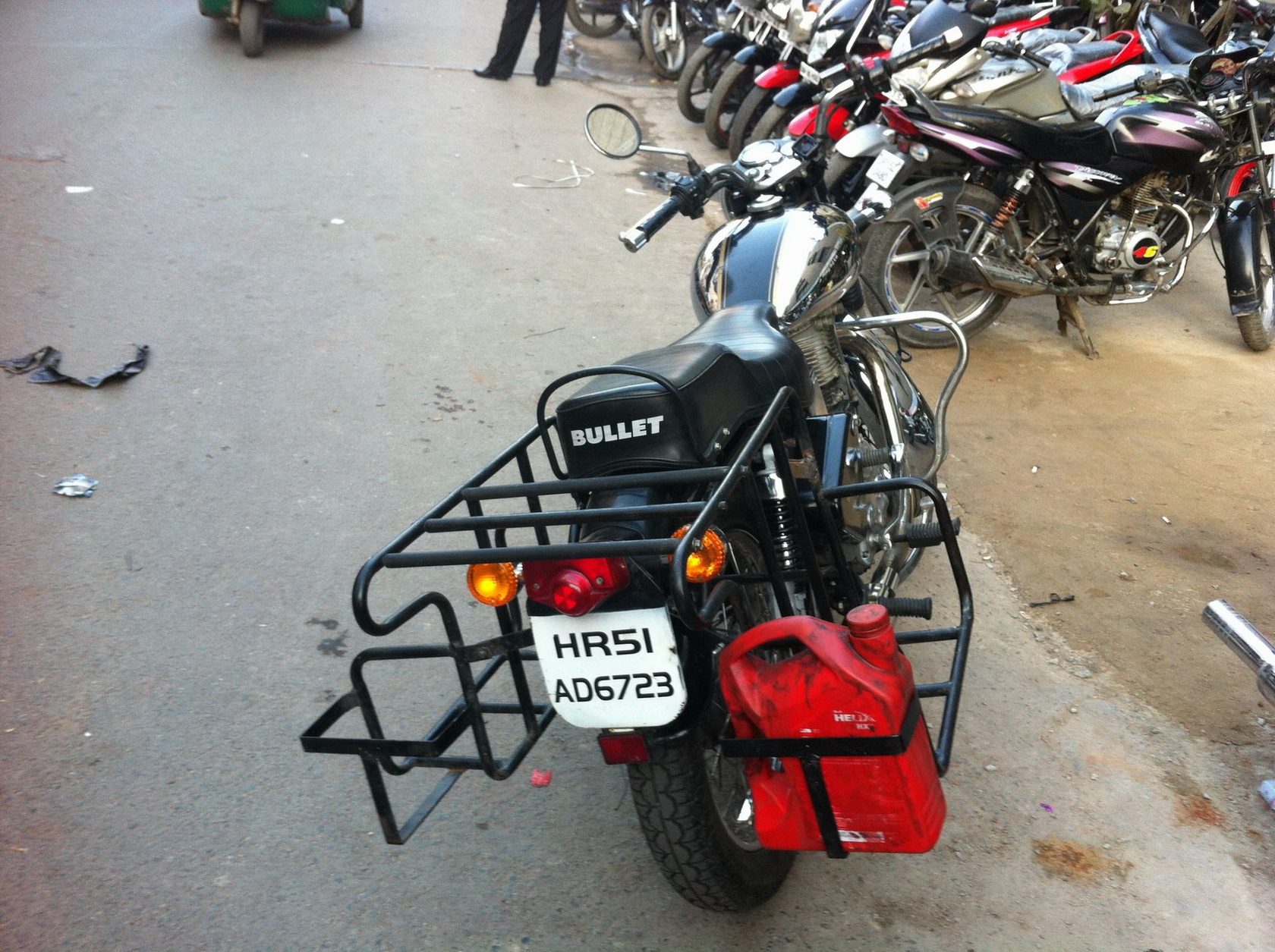
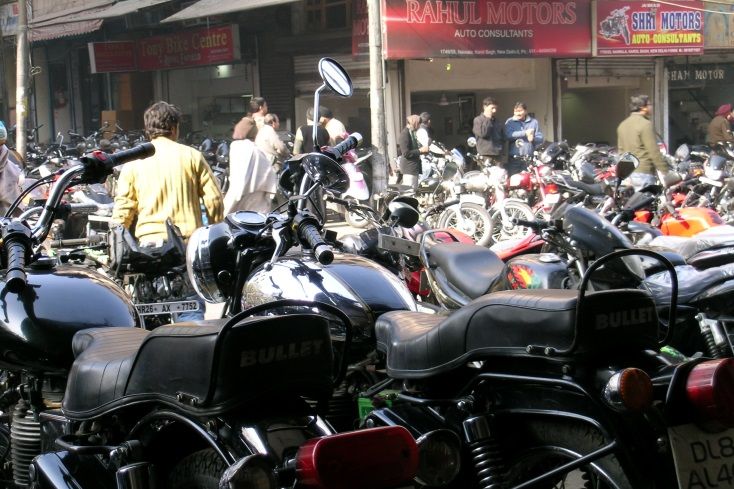
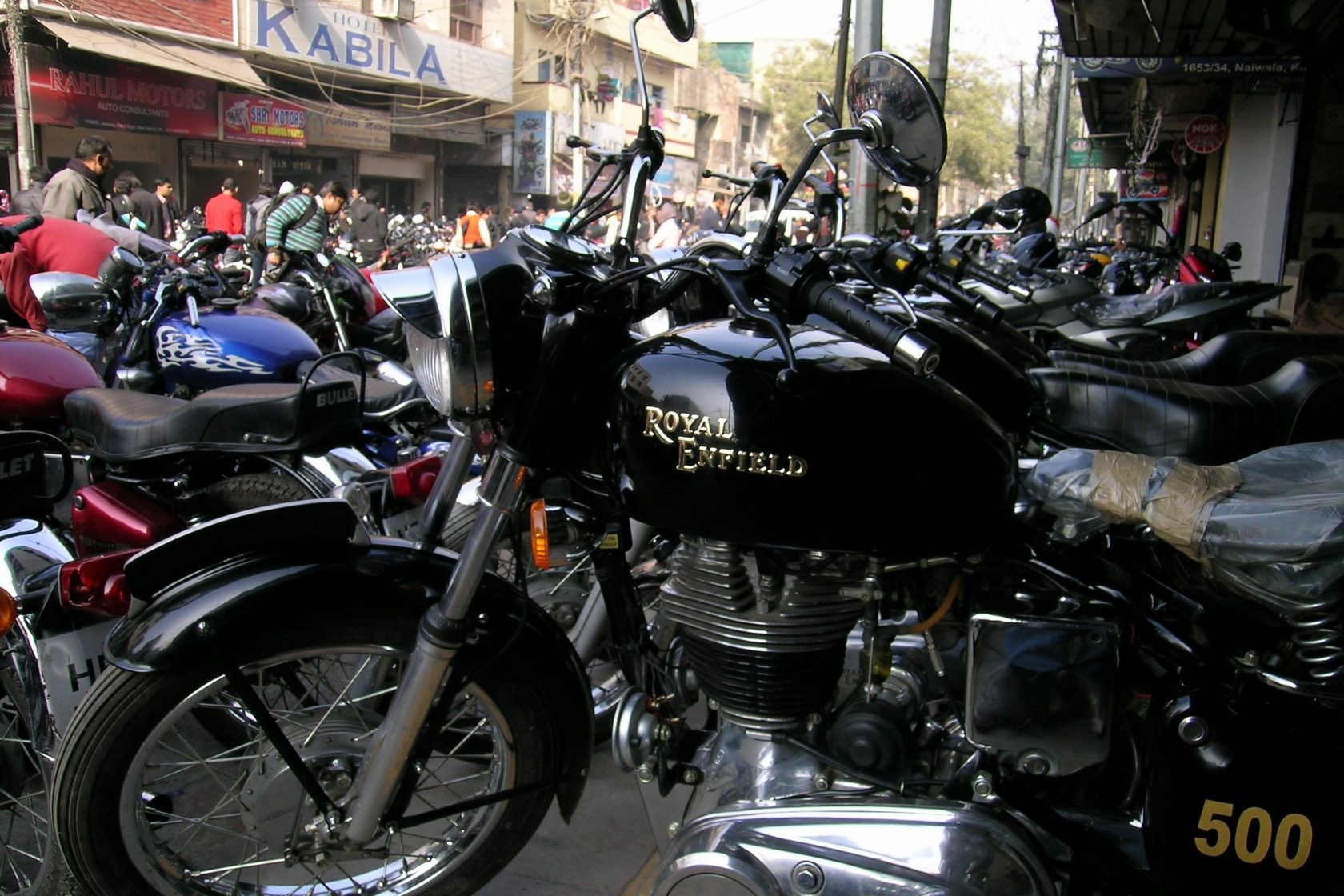
I had already heard of the Royal Enfield, a
brand which was connected to the firearms industry (hence
the name of the model, Bullet) forged in the early twentieth
century, but I thought it belonged to a niche for lovers.
This is the case in Europe; in India the 350 cc and 500 cc
models are produced to full capacity and are still very
popular. And therefore all the mechanics are able to mend
it. Mukesh motors ( http://www.mukeshmotors.com/contact.html
),
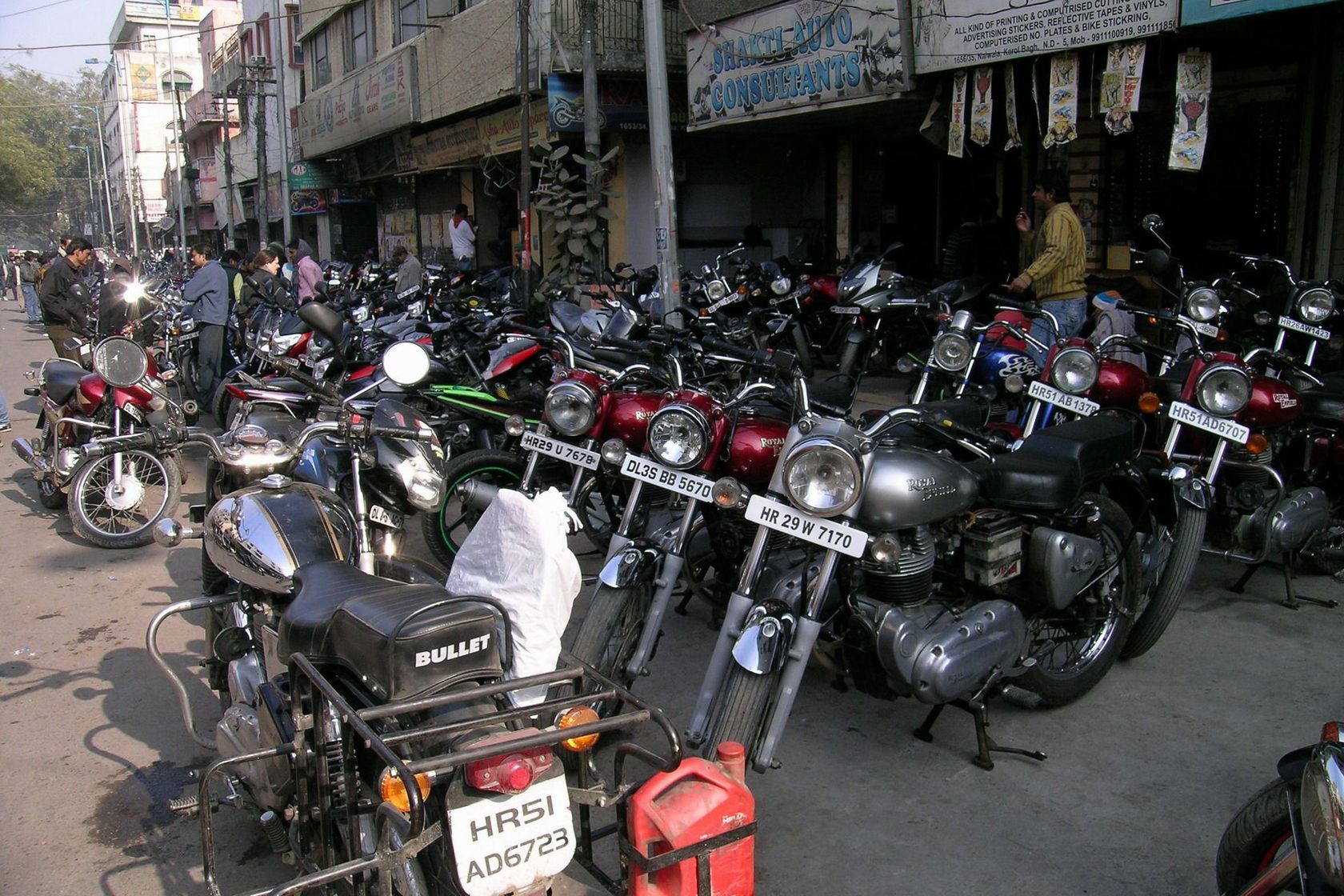
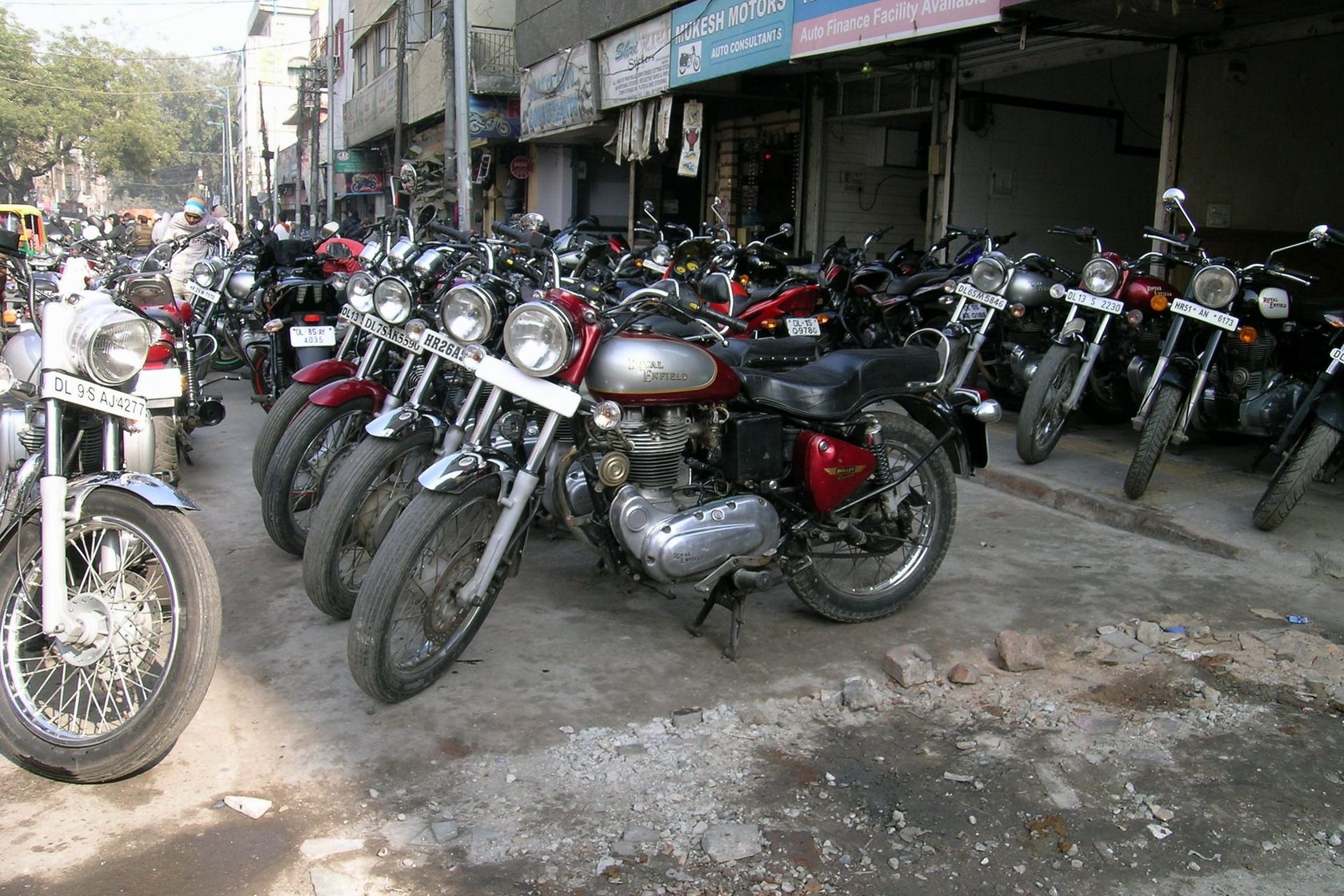
actively run by J.P., has twenty-two of them and rents
the 500 cc model, with front disc brake and ample
metal luggage area on the bike (they can easily
accommodate two five litre jerry cans), for one
thousand rupees a day (just under fifteen Euros). The
price included spare parts and an exciting driving
lesson in the Indian traffic. I looked at the photos
and decided: I would rent a motorbike designed by a
factory that initially produced rifles.
A Bullet.
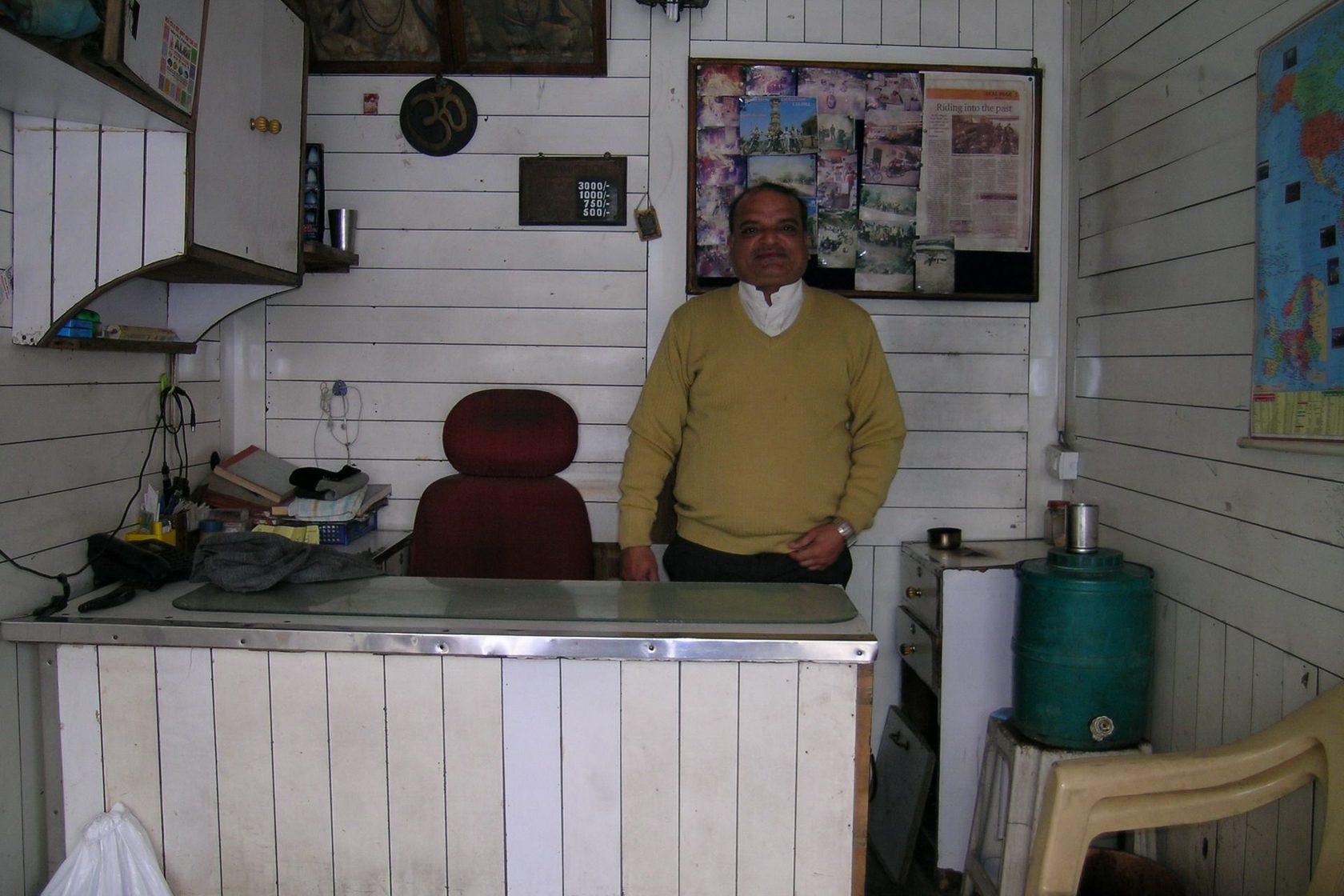
J.P. is a nice man. He quickly answers my emails in English, using an SMS language. In very little time we reach an agreement. He sends me photos of the bike and then once in Delhi, he gives me a bike that is ok from a mechanical point of view (tyres, oil, brakes). The only drawback is the battery, which stops working after a week. I can't start it electrically in any way. But, apart from some very cold mornings and my weakness due to picking something up, turning the bike on with the crank (I found myself wondering how long it had been since cranking a bike) was relatively simple.
Equipment
Boots, a padded and waterproof cordura biking suit and a back protection (an affectionate and very welcome last minute loan). All of the biking gear was rigorously of two colours: black and dark black.
I also had a first-aid kit at hand and various medicines. An avoidable slip in your jeans can be really annoying. So, I decided that I wanted my own medicines. I had a motorcycle accident abroad once, in Mexico, and I still remember my despair and my wife's, while we were trying to buy disinfectants and bandages from chemists that were selling detergents and whose sign read "Farmacias de descuento".
Luckily, in the end, all completely useless.
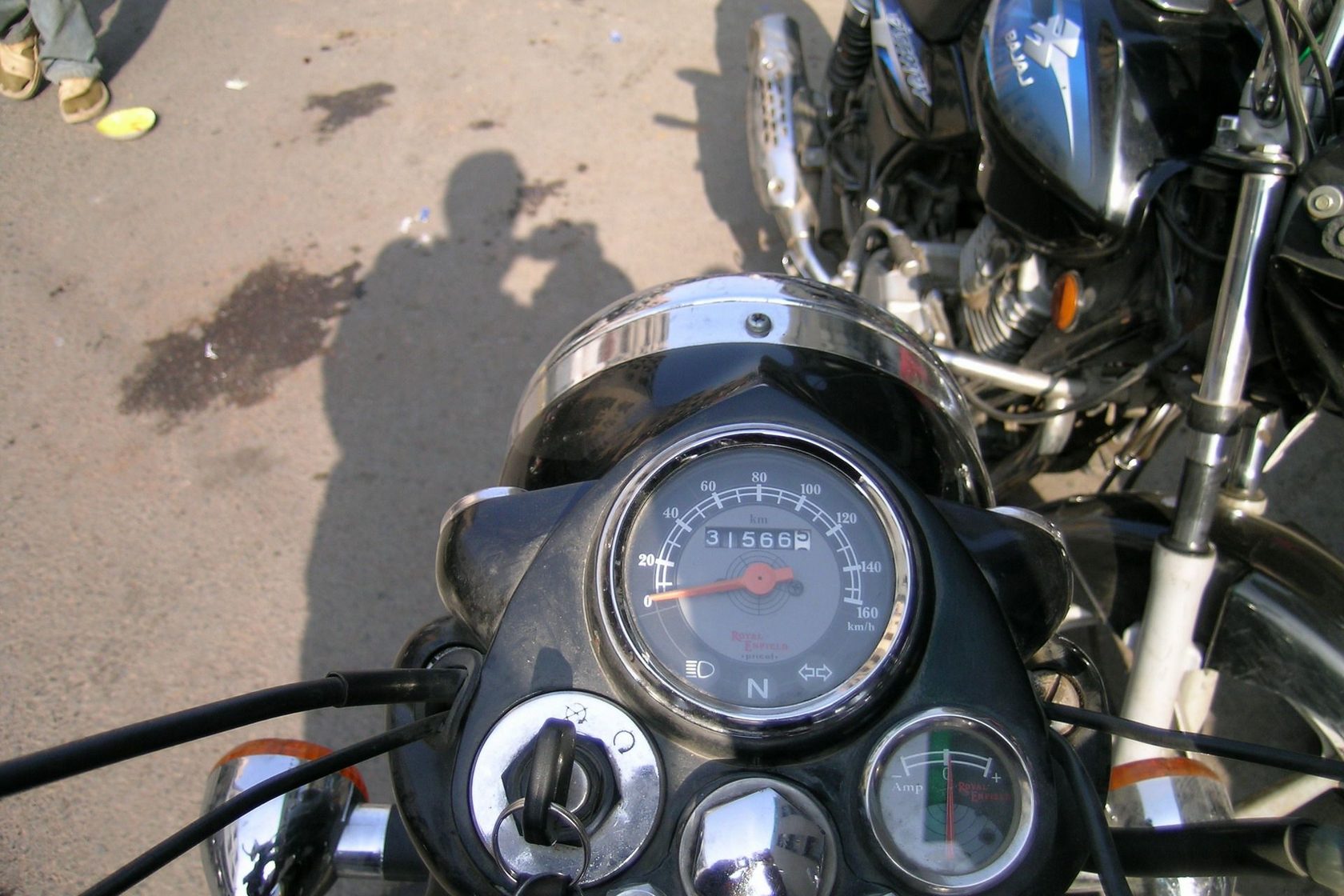
I also had two iPhones with me that both had a downloaded navigation system (if one broke or the battery went dead, then I could use the other one). A funny contrast to the Bullet’s basic instrumentation, which only had the speed ohmmeter and a battery charge indicator.
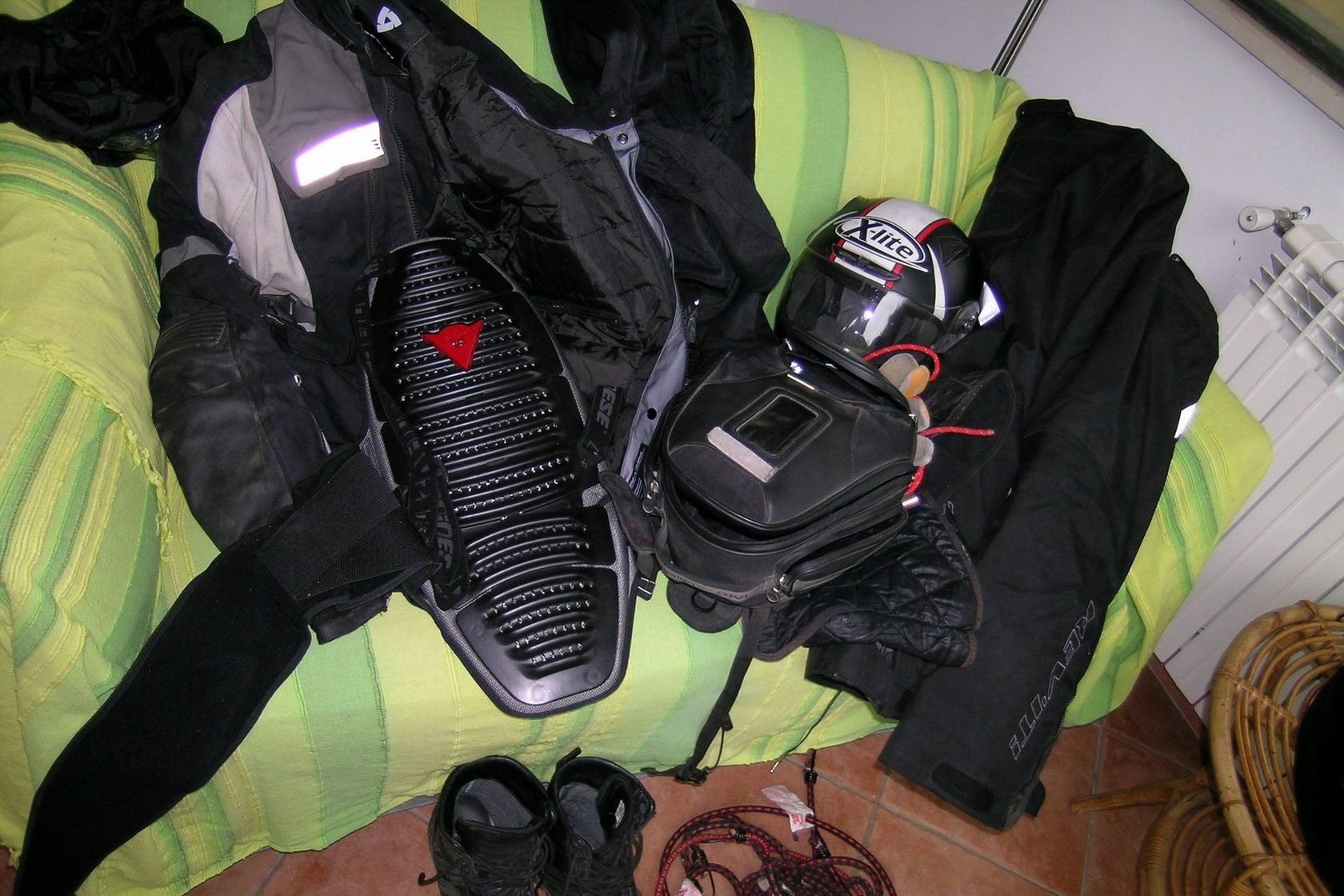
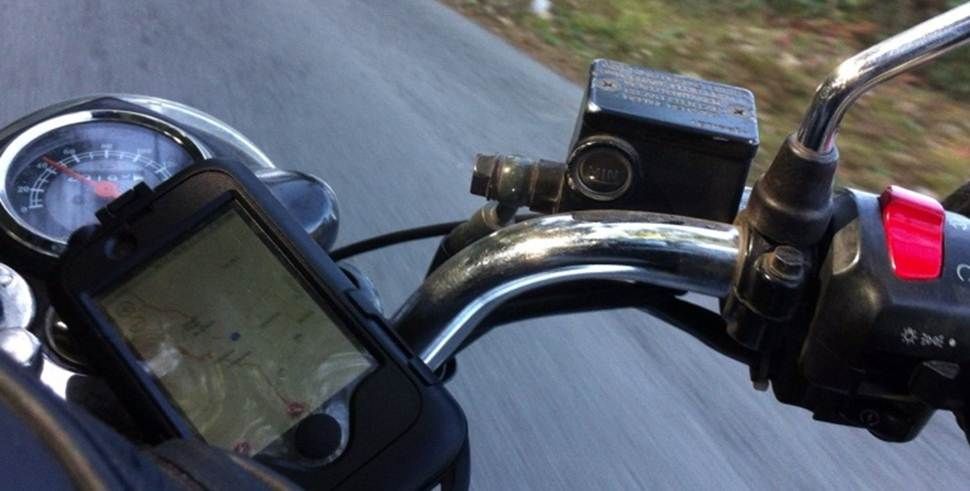
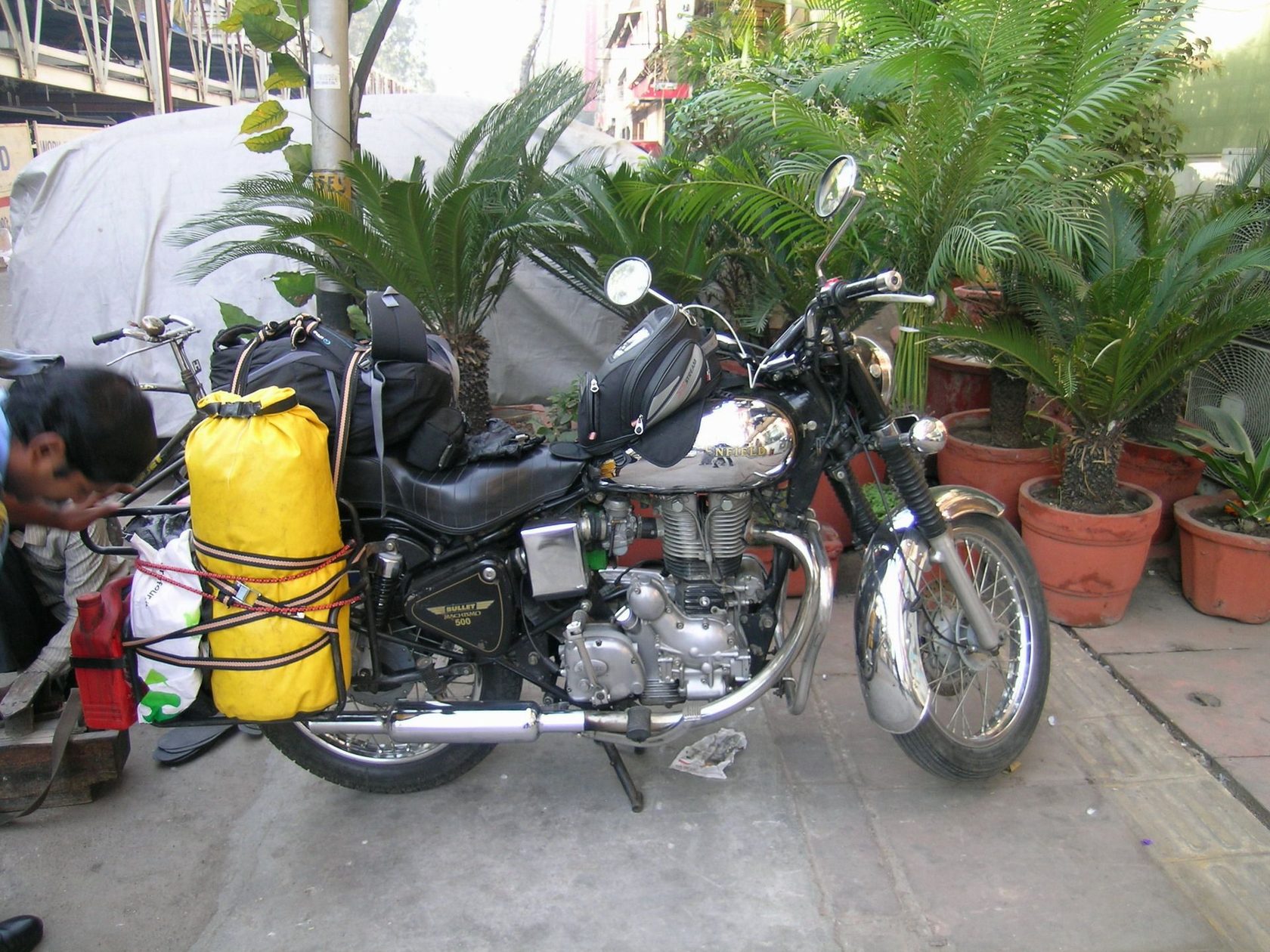
A small magnetic tank bag. This too was a last minute loan. Very useful indeed. And then there were lots of Chinese boxes. A large suitcase which had all the motorcycle gear in it: the suit, helmet, boots and bike paraphernalia, a small suitcase to carry on board with all the "normal" luggage in it, which could then be stored inside the big one once emptied. And waterproof nautical bags, easy to bend so as to transfer the luggage in suitable containers onto the rack of the bike. All tied up with a dozen rubber bands. Not elegant but colourful, holding everything together in a confused structure which admirably functioned for three thousand kilometres. And that was more than enough.
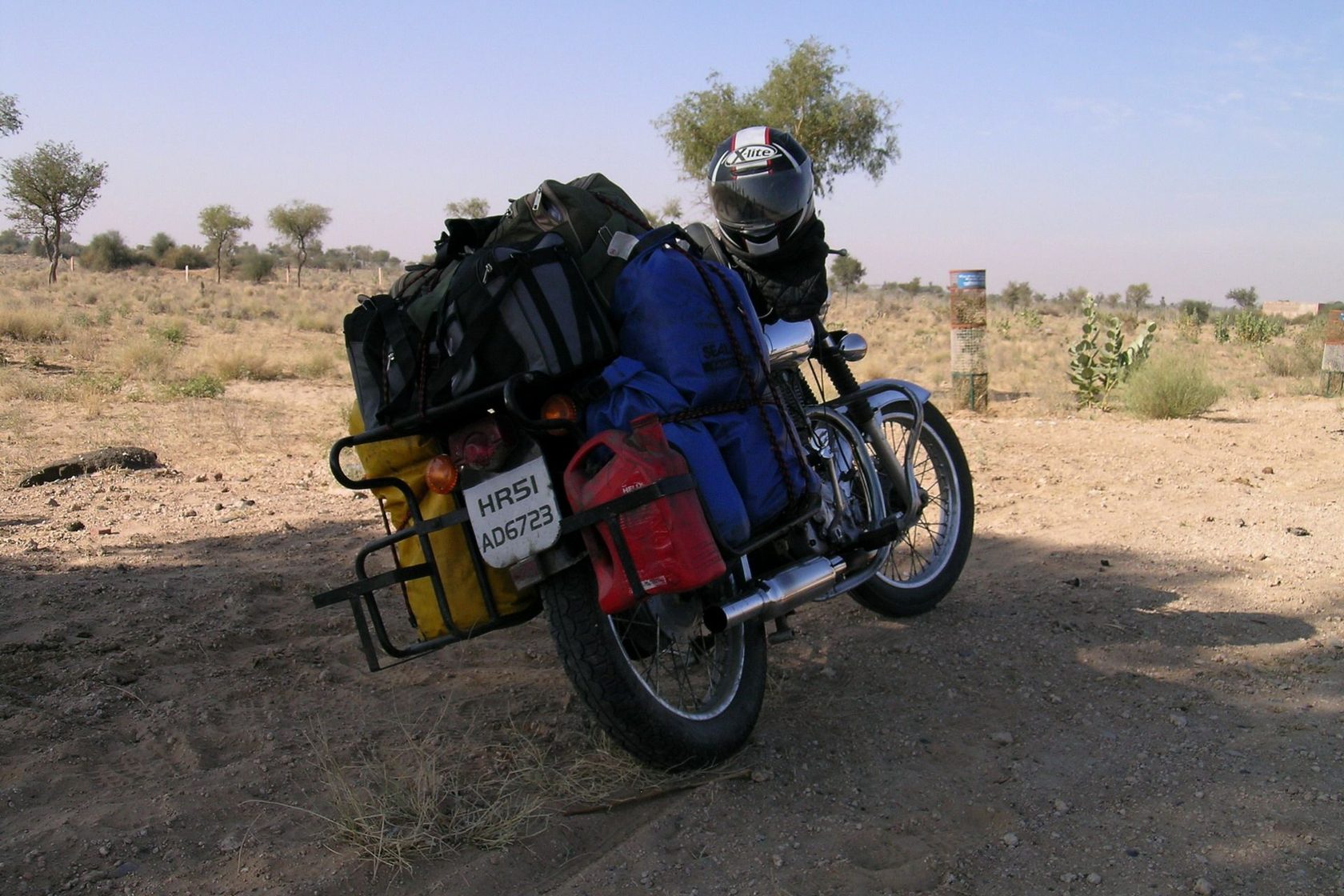
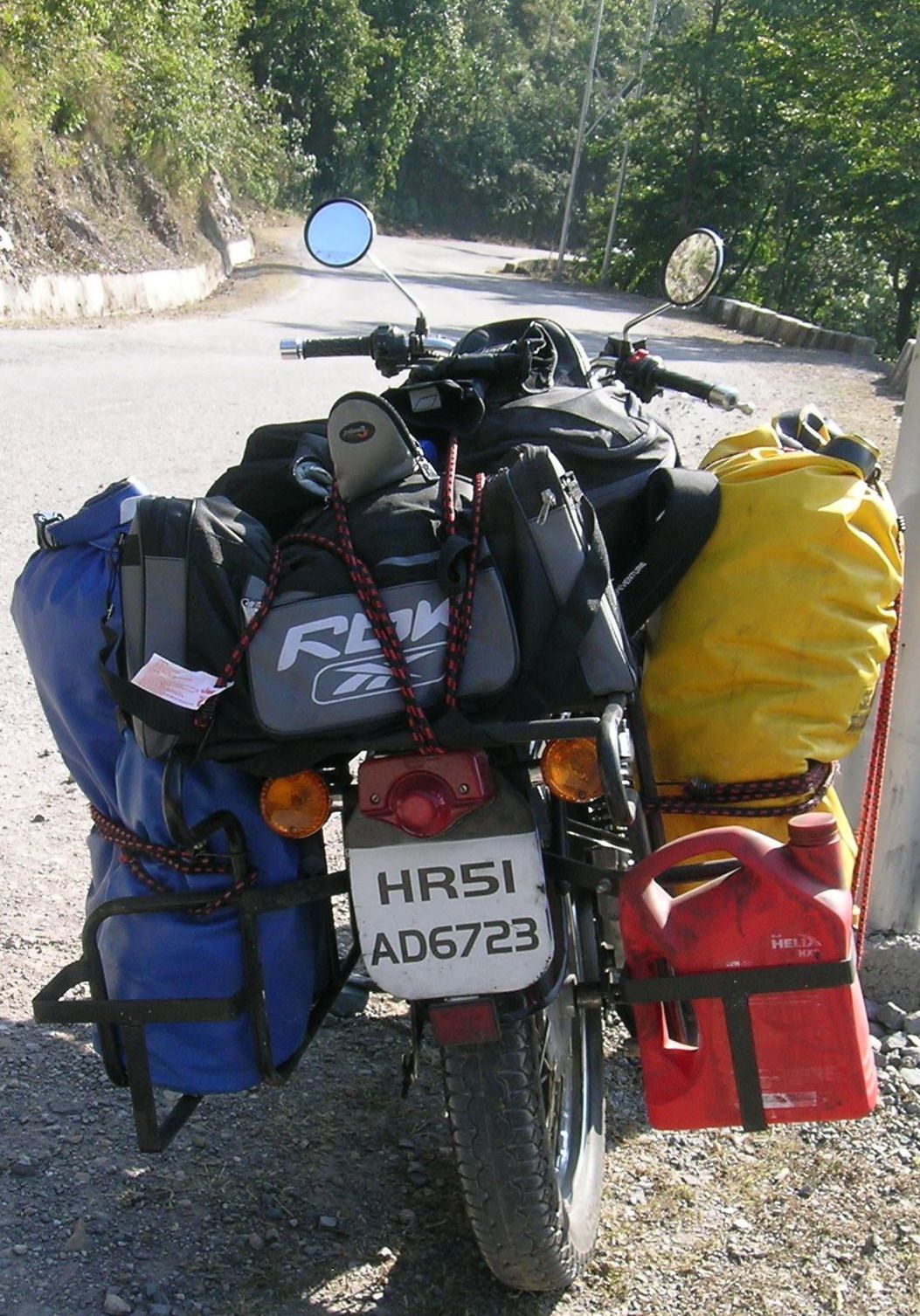
And three cans of puncture repair. Yes three. Funnily enough, it was my biggest fear. Getting a puncture in a very isolated place and remaining stuck there. I took all three back to Italy together, of course, with the limes that I had not used.
Then there were comfort necessities. Music, both through a small but effective high quality speaker, and in the helmet. Nirvana (it goes without saying), Morphine, Cure, King Crimson, Frank Zappa, Weather Report and the Beatles. The Beatles? Yes, they were indispensable for crossing Rishikesh. My Cuban cigars (Montecristo) and a bottle of champagne.
Yes, the luggage also contained an illegal bottle of champagne.
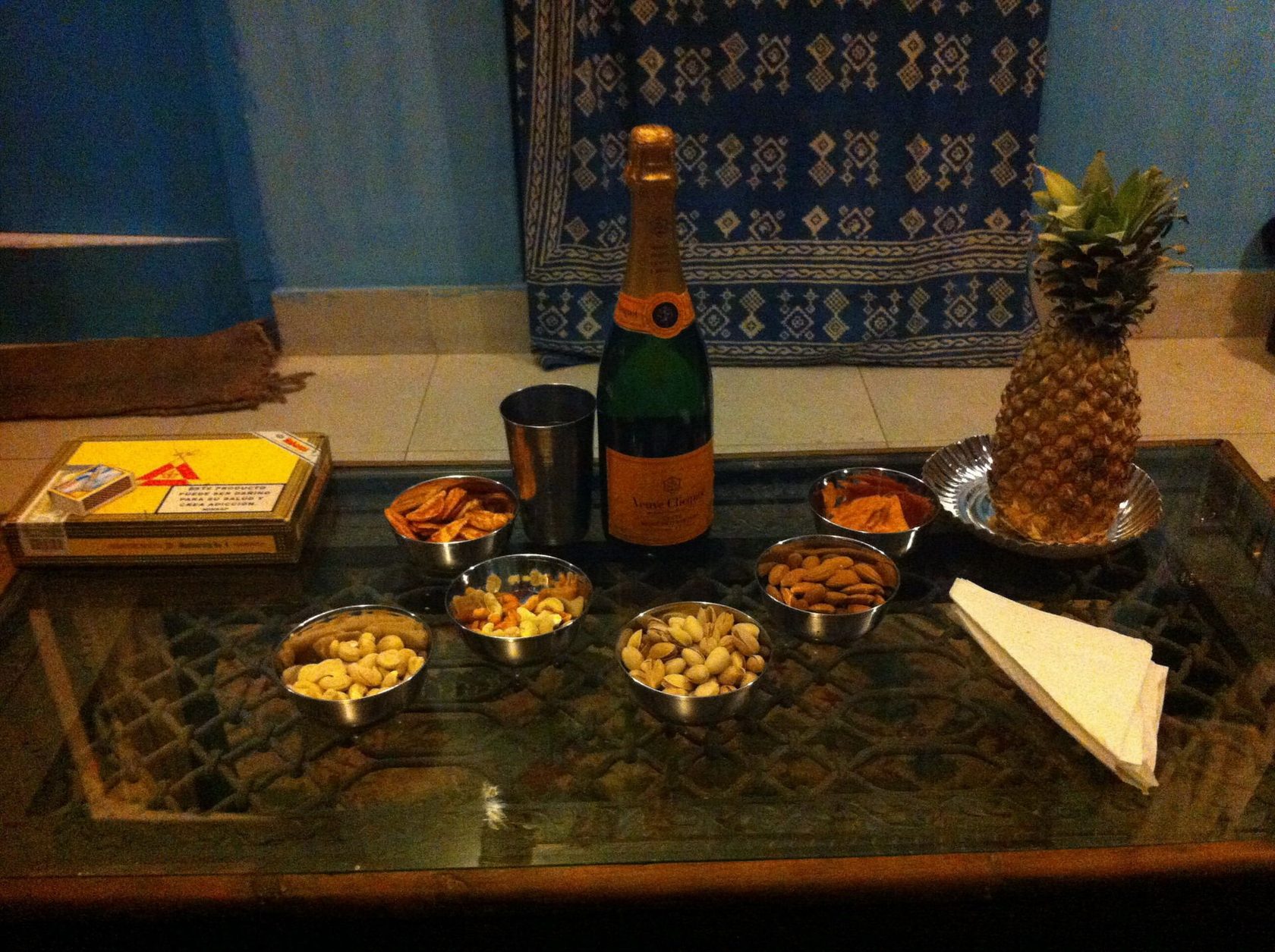
In anticipation of a lonely New Year's Eve in a remote place in India, I had to add that bottle of Veuve Clicquot, which I then smuggled and lugged around for eleven days and nearly two thousand kilometres, stowed inside a small electric travel kettle. I opened the bottle in Jodphur, the blue city, one of the most beautiful places I visited during this trip. The bottle was accompanied by cashews, pistachios, almonds, spicy cookies and a pineapple. And my Montecristo Cuban cigar.
My New Year's Eve in Jodhpur.
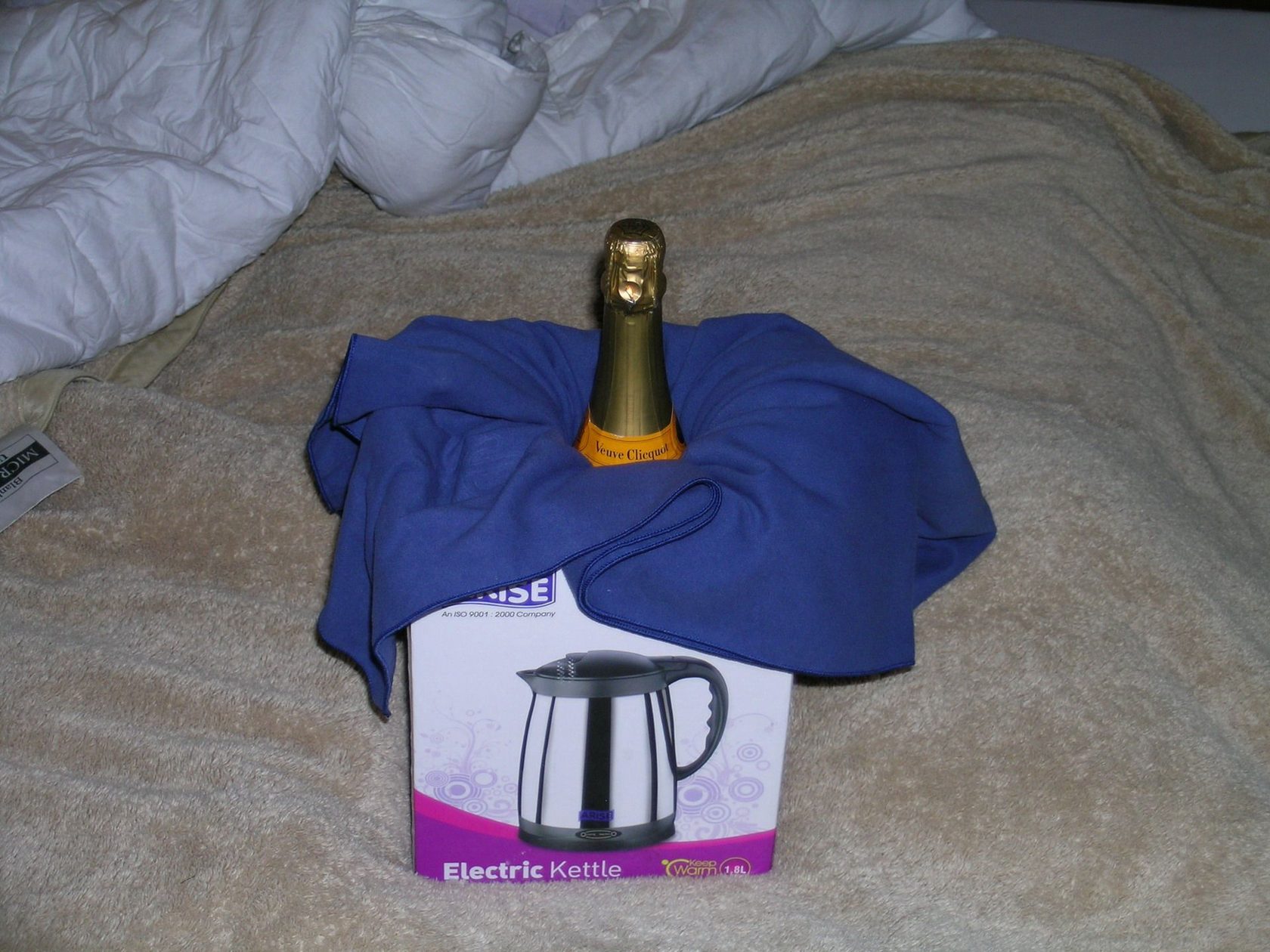
Alone.
No.
With a bottle of Veuve
Clicquot.
It makes a big difference..
At this point someone will stew. So what? But the trip? The stages?
It's okay.
Details
My trip you can easily split into two completely separate routes.
A) To find the source of the Ganges.
1) Delhi-Haridwar 240 km 4 hours
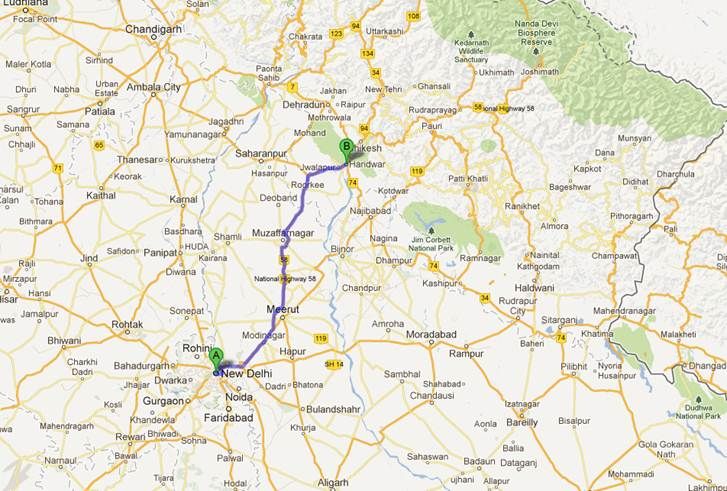
The idea was to drive into the Himalayas along
the Ganges. And so I did. On 21 December morning I loaded the bike,
fixed the GPS, tried the suit and I started towards the
north-northeast. Destination Haridwar, 240 km, where the Ganges
leaves the Himalayas, a place important for Hindus. Millions of people go there to bathe in the
Ganges. My first problem is that I have to practically
get across Delhi and its twenty-two million inhabitants.
The exhilarating driving lesson from the day before, has
definitely not prepared me on how to tackle the city. I
am loaded, uncomfortable in my bike suit and deafened by
the sound of thousands of people honking their horns.
It's total chaos. At first I drive in a very composed
manner, partly out of fear and partly due to my typical
road rules courtesy towards others. The reality is that
I hardly move. It hits me that I won't be getting
anywhere like this. Then suddenly a thought comes to
mind: "I'm of Neapolitan origins and have been riding a
motorcycle in Rome for the last 40 years... The hell
with it!"
I try to adapt my driving skills and I get into
the local traffic in a more decisive manner, in a
slightly more aggressive way. It more or less works,
even though I don't honk. And I see millions of
motorcycles. Unfortunately it is my first day and I
haven't organized myself properly to take pictures;
nevertheless, the impressive sight that I witness will
always be equally vivid in my mind.
As soon as the traffic light turns green, the road is
invaded by hundreds of motorcycles just like a swarm of
hornets, and the horizon goes black for a few seconds.
Then come the cars.
I survive Delhi's streets and take the State
highway number fifty eight (the Indian version of a
motorway) which you have to pay for in its first part,
but not if you are on a motorcycle! One has to pay
from four wheels upwards. At the tollbooths,
motorbikes and Piaggio three-wheeler pickup trucks
have a dedicated lane all the way to the left, which
allows you to pass without paying. The lane is
assaulted by a row of other vehicles that, for various
reasons, try to avoid the toll. I watch and enjoy the
lively discussions between the drivers and the
tollbooth control officialsy. I begin to observe the traffic's behaviour
outside the city. I continue driving for over an hour, lost in
my thoughts and completely unaware that I would
subsequently long for the good quality tarmac I was
travelling on. After one hundred kilometres, the
sudden narrowing of the road brings my attention back
with perfect timing. The road has not only narrowed
considerably, but it is also, still a two-way road.
After a few moments I experience my first overtaking.
I find myself looking at a truck that has its
windshield almost completely covered with yellow
flowers, while it start to overtake and invades my
lane running toward me. And he is honking his horn of
course. At first I wonder how the driver can see
through all of those flowers. He probably CAN’T see.
After a few more seconds, the previous matter becomes
of secondary interest because I realize that there is
no room for both of us. I slow down and move over to
the far left.
It is useless.
The truck still doesn’t have the space to overtake
without hitting me.
Then I choose the lesser evil by getting out of the
way, experiencing a small and unwanted personal off
road Paris-Dakar. I stop a little further on in the
sand, while the floral truck passes fast on my right
honking, followed by other cars honking as well.
I change my mind. If I want to get to the end of this
trip intact and without injuries, then I have to
change my driving strategy. I slow down and look
ahead. I could lose my concentration again like I just
have. Observing the landscapes has to be left for when
I am not driving. I try to prevent any further
problems.
It's much better but very tiring.
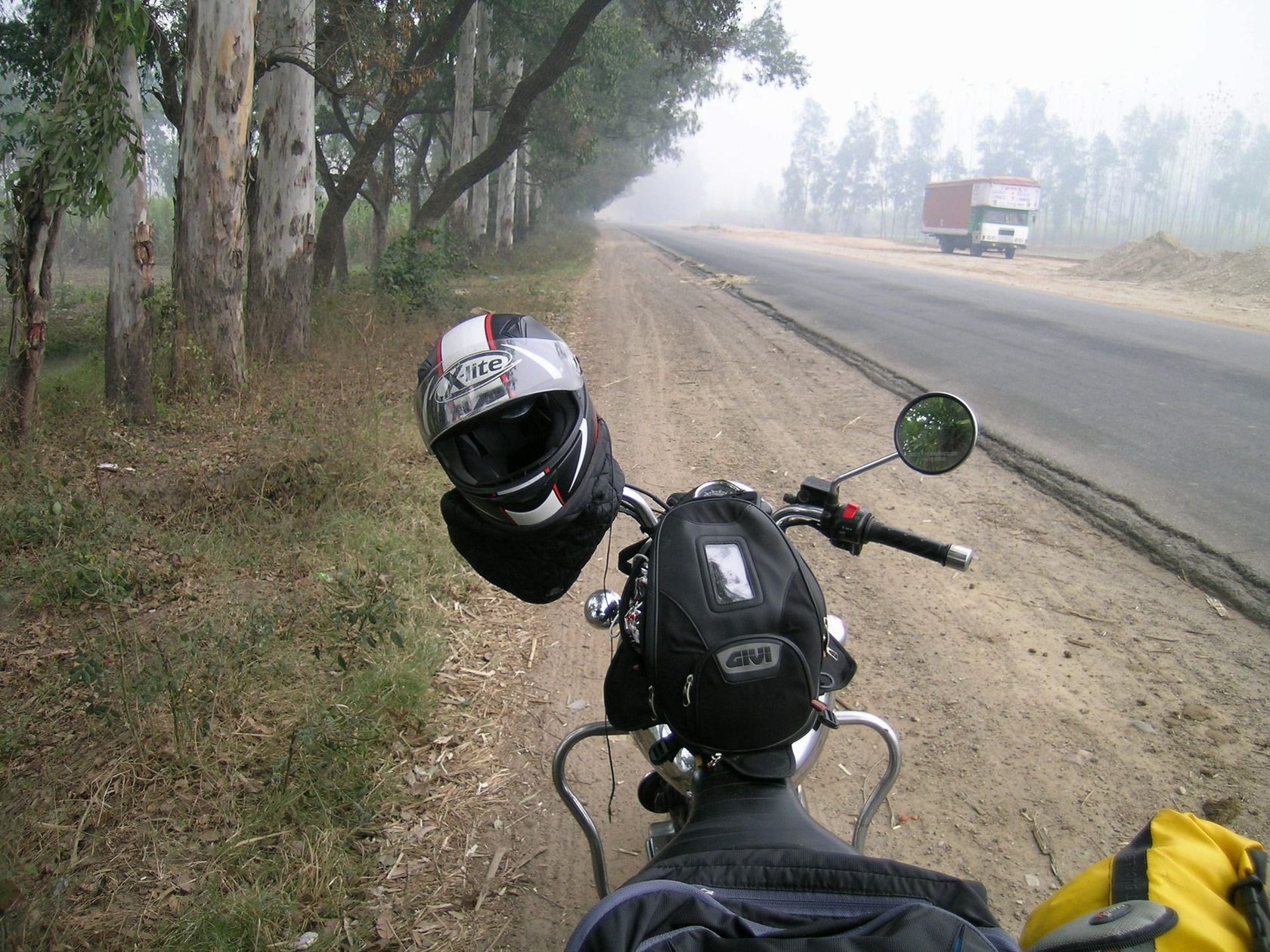
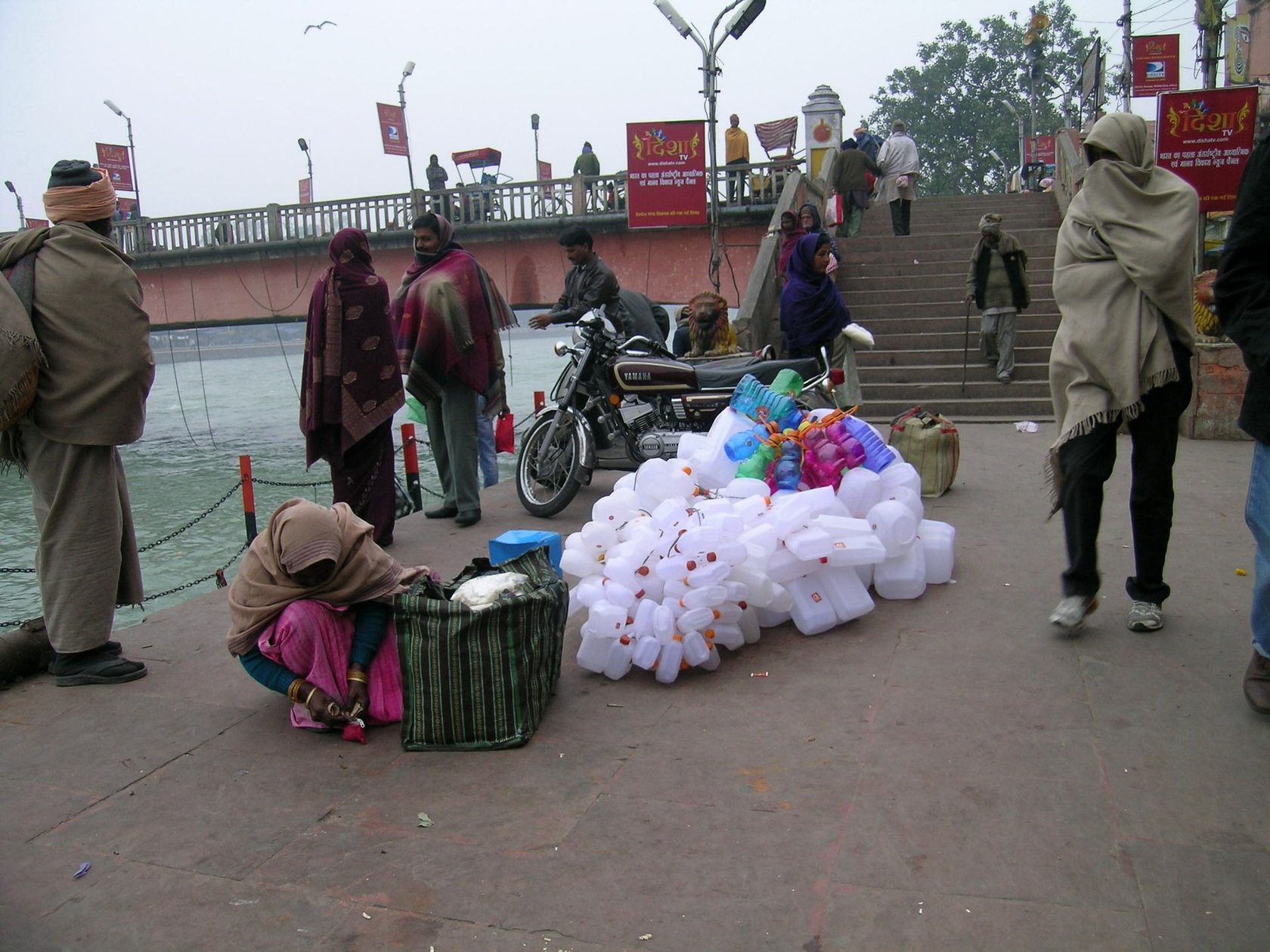
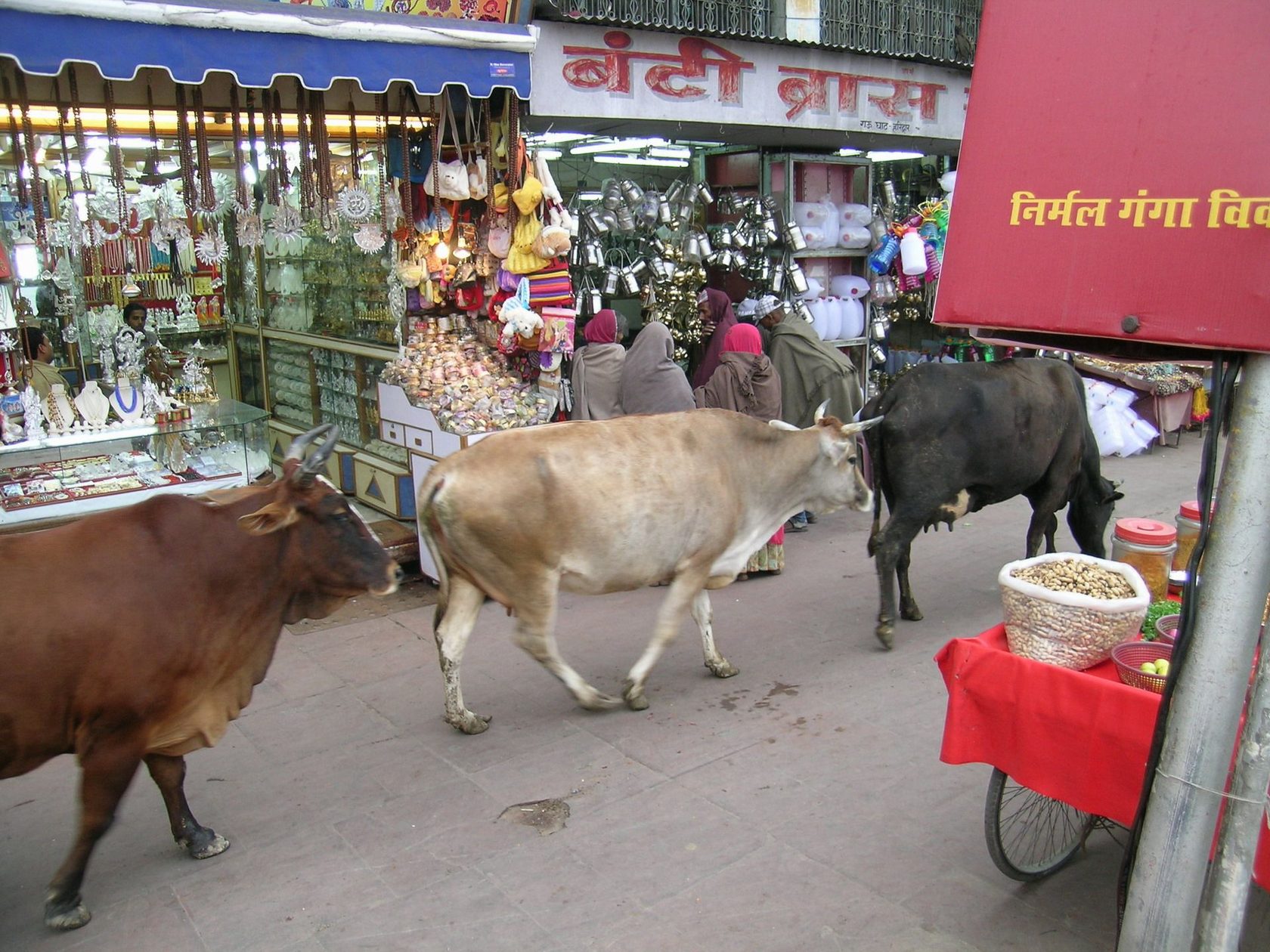
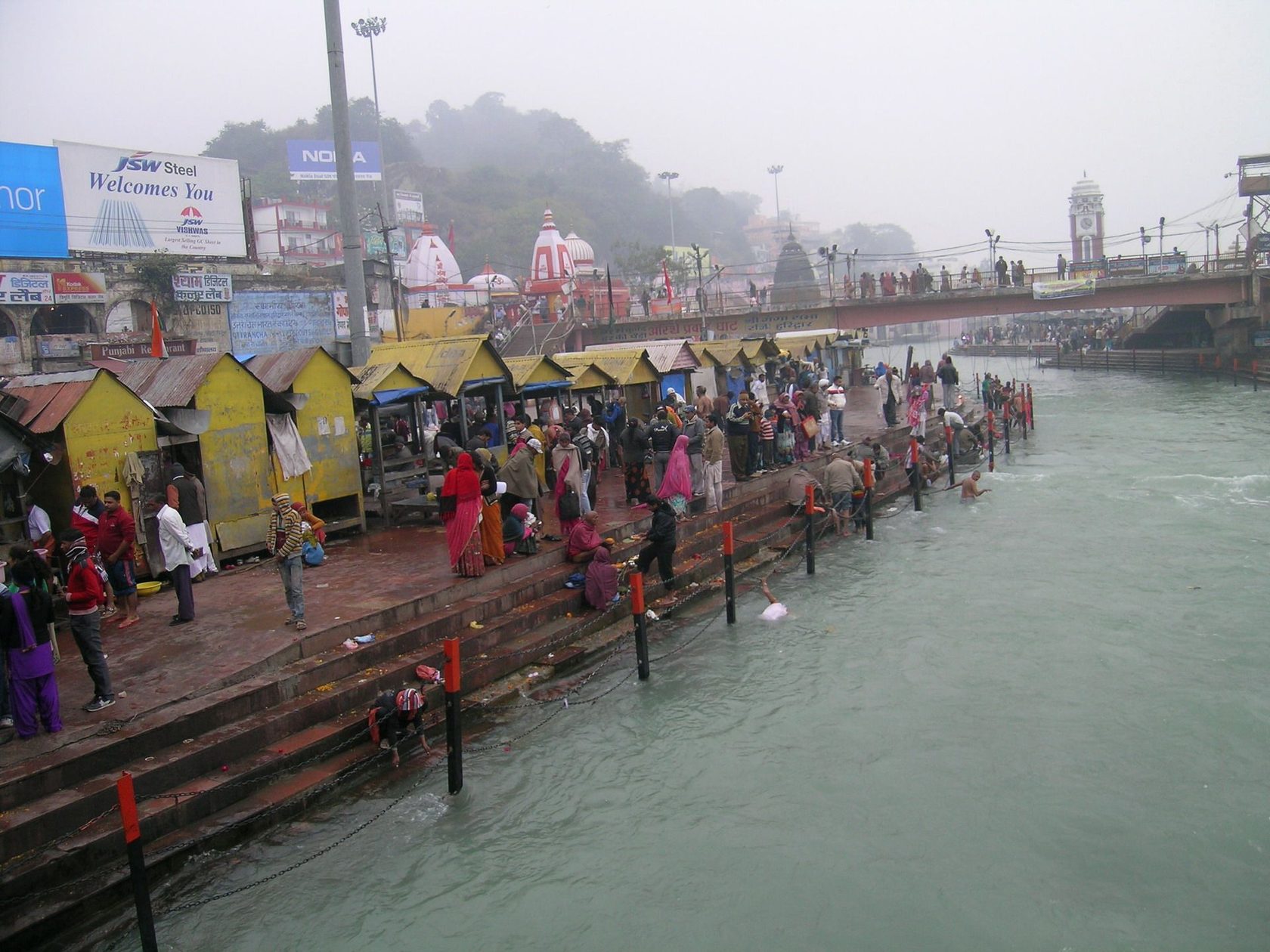
2) Haridwar – Srinagar 130 Km - 5 ore
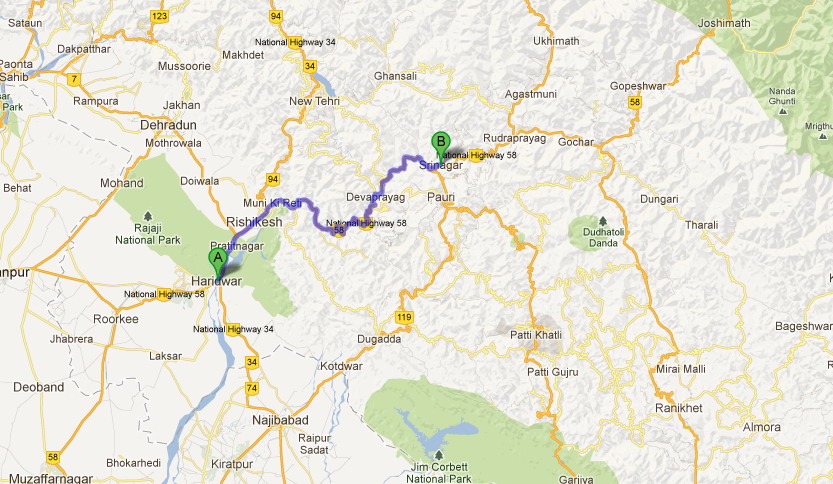
Starting from Haridwar IThe next morning, as I
leave Haridwar, I put on some Beatles music, the White
Album. Why? The town of Rishikesh, only 30km from
Haridwar, is very famous for meditation and also because
it was visited by the Beatles back in 1968. It seems
that this 3 month spiritual retreat, the peace of this
place and the amount of time in their hands, helped the
band strengthen their creativity. Perhaps they were also
influenced by the fact of having to use acoustic guitars
(electric ones were not working due to power shortages).
On their return, they recorded the White Album. Although
I'm not a big fan of the Beatles, I listened to this
double album several times during my trip (and even
after) and I crossed Rishikesh with "Happiness is a Warm
Gun" that was playing in my crash helmet.
I owed it to them.
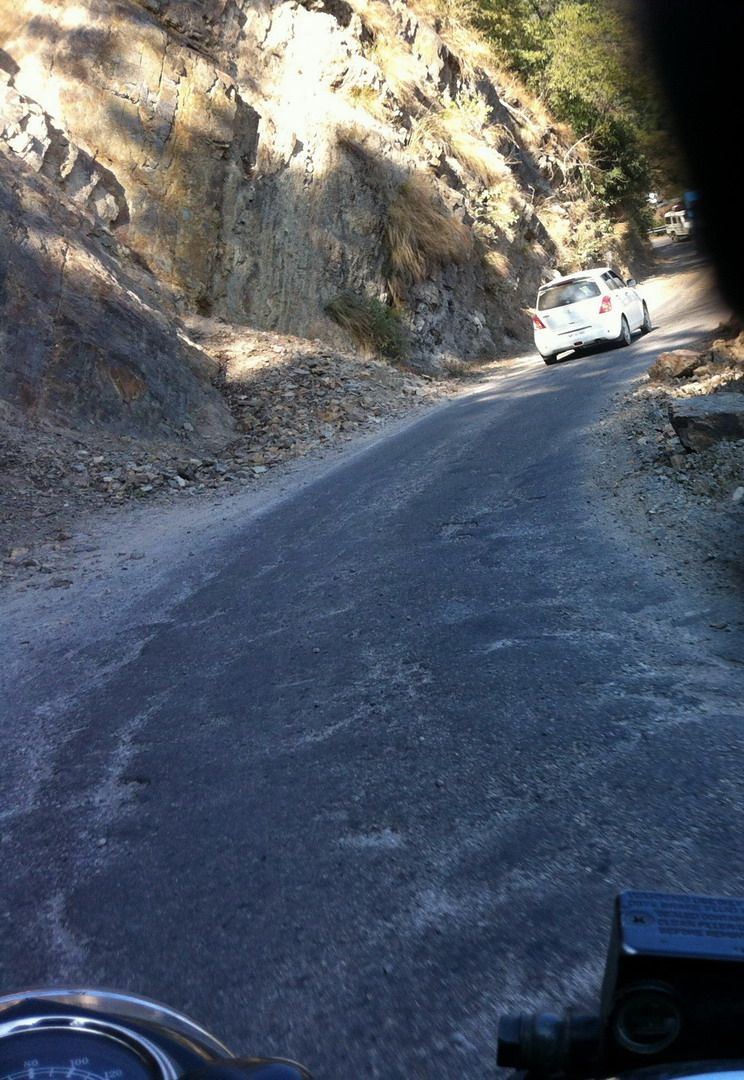
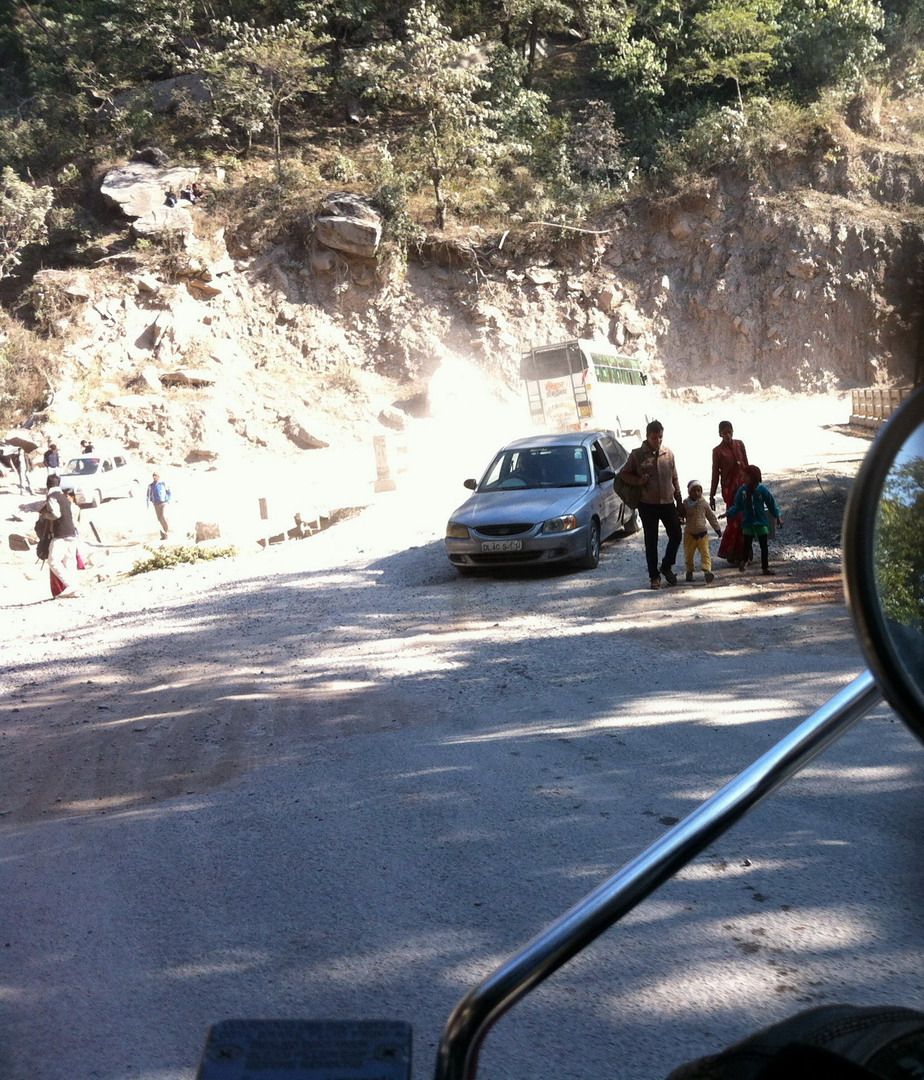
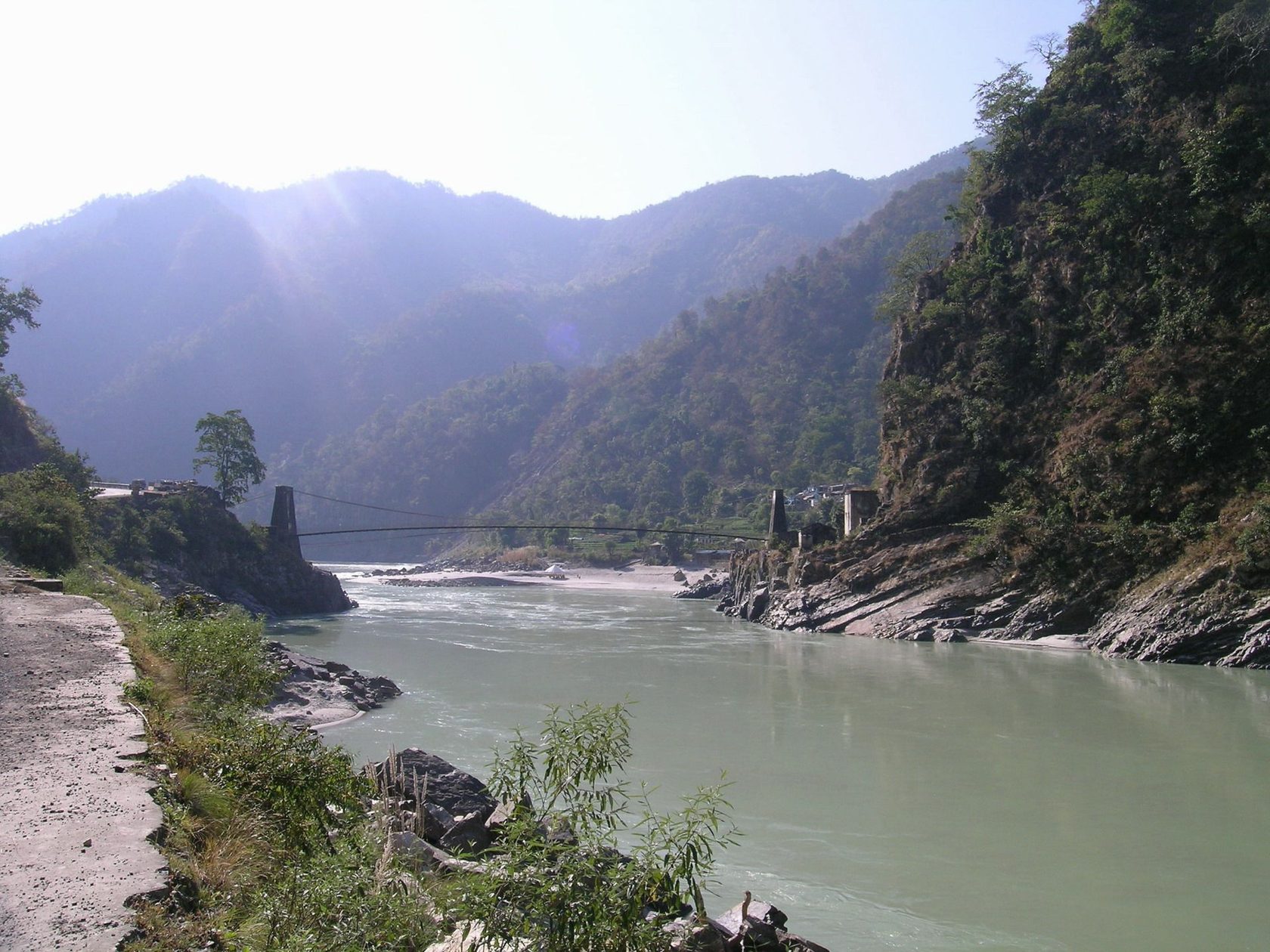
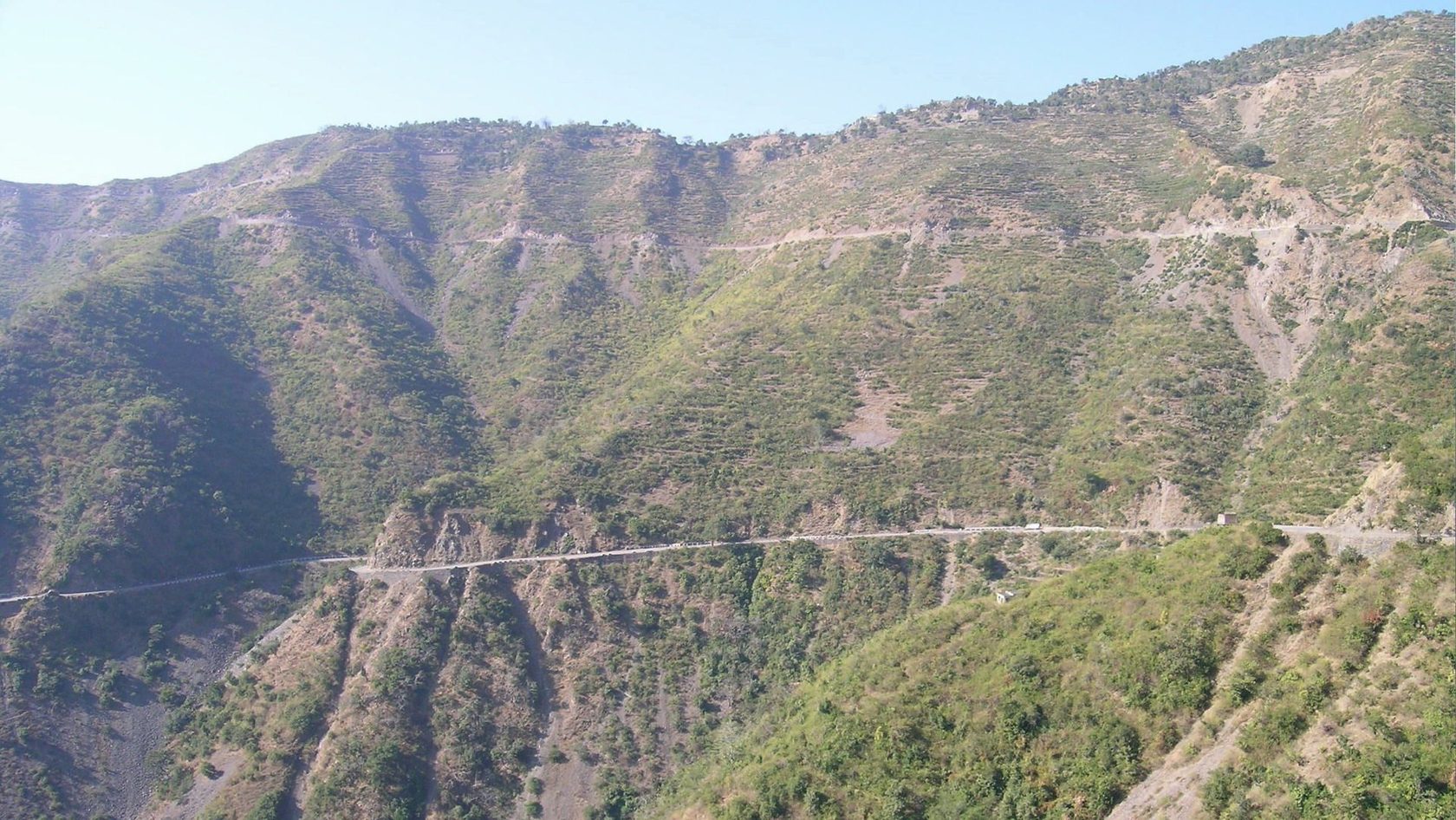
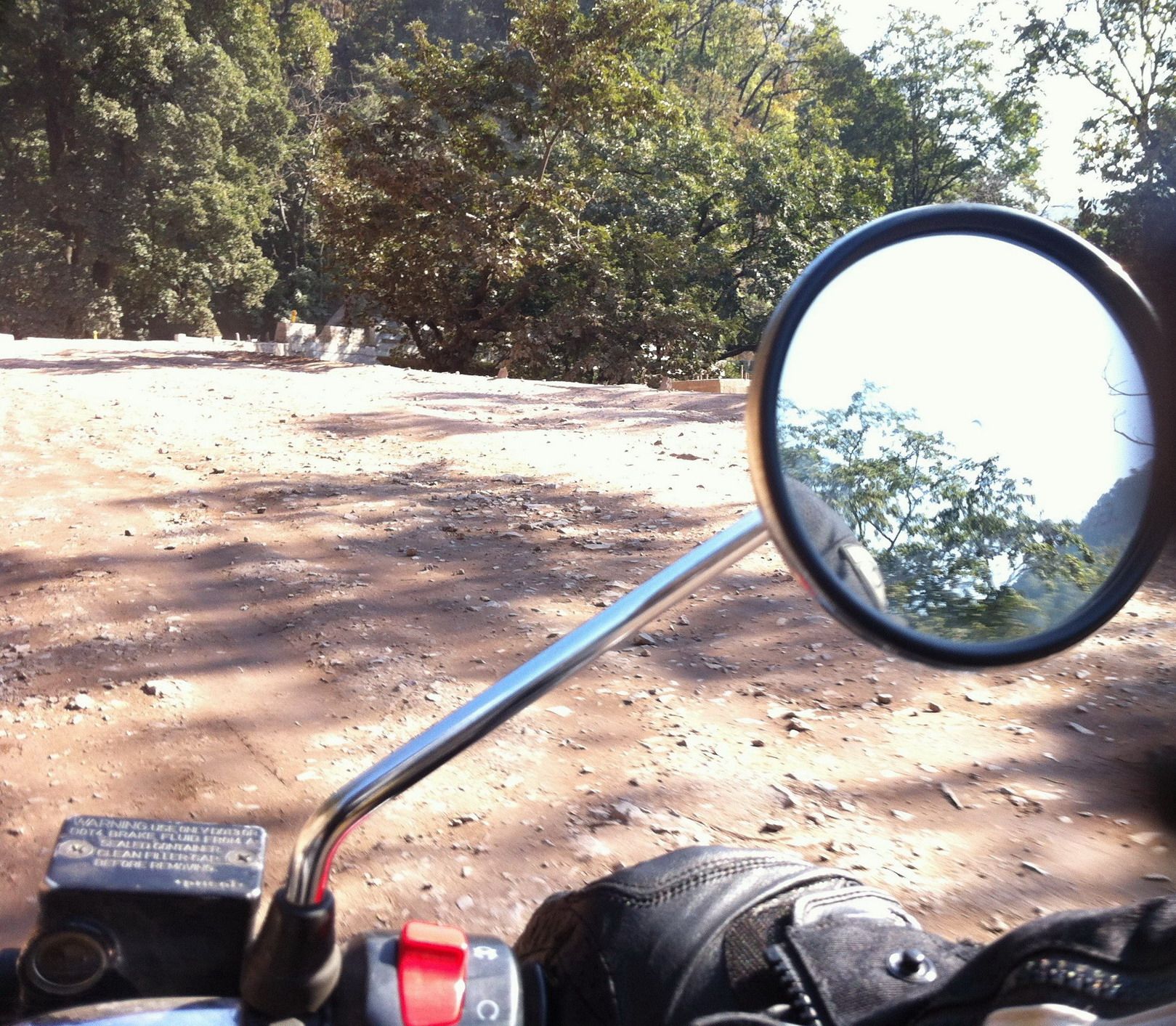
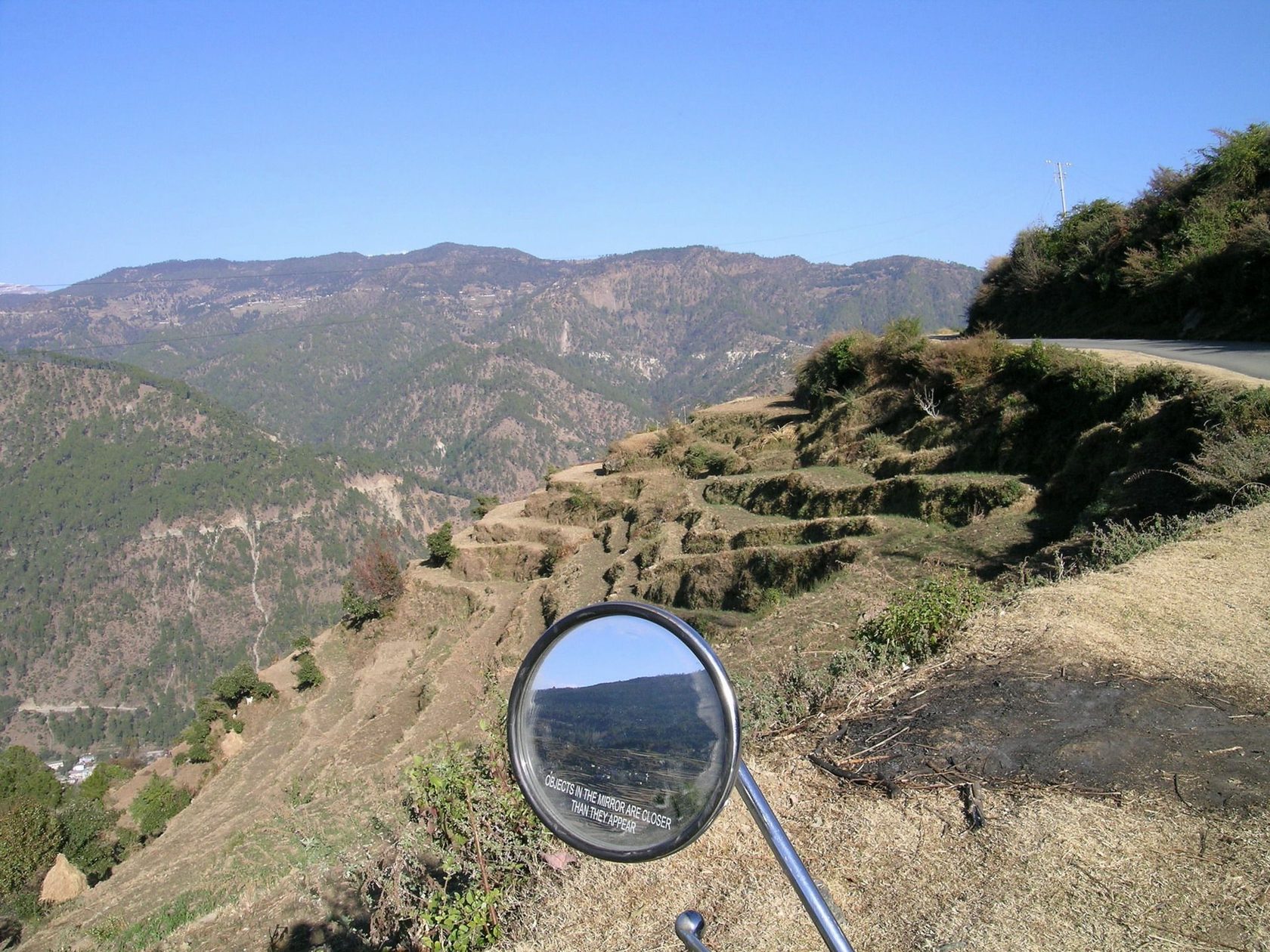
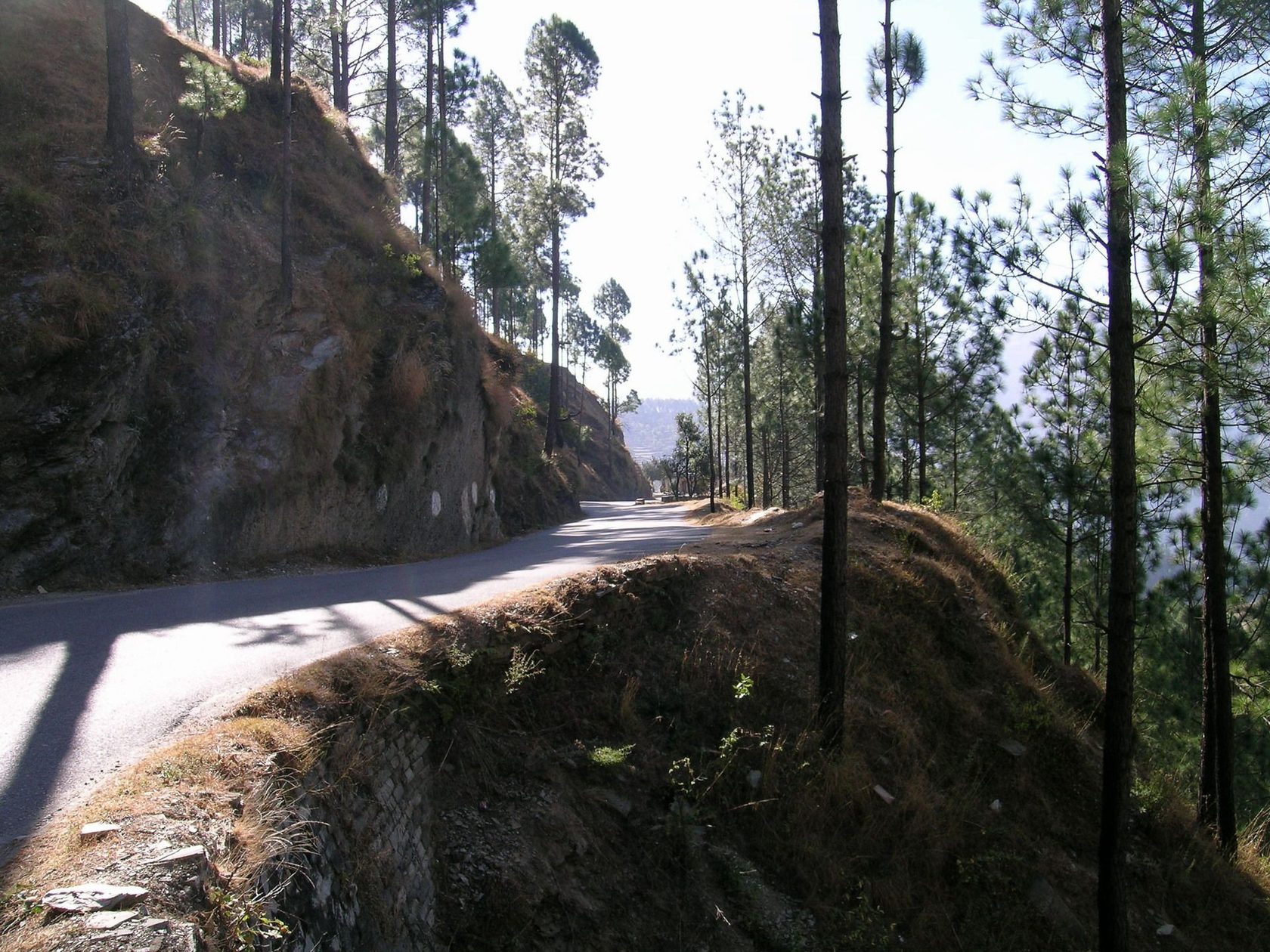
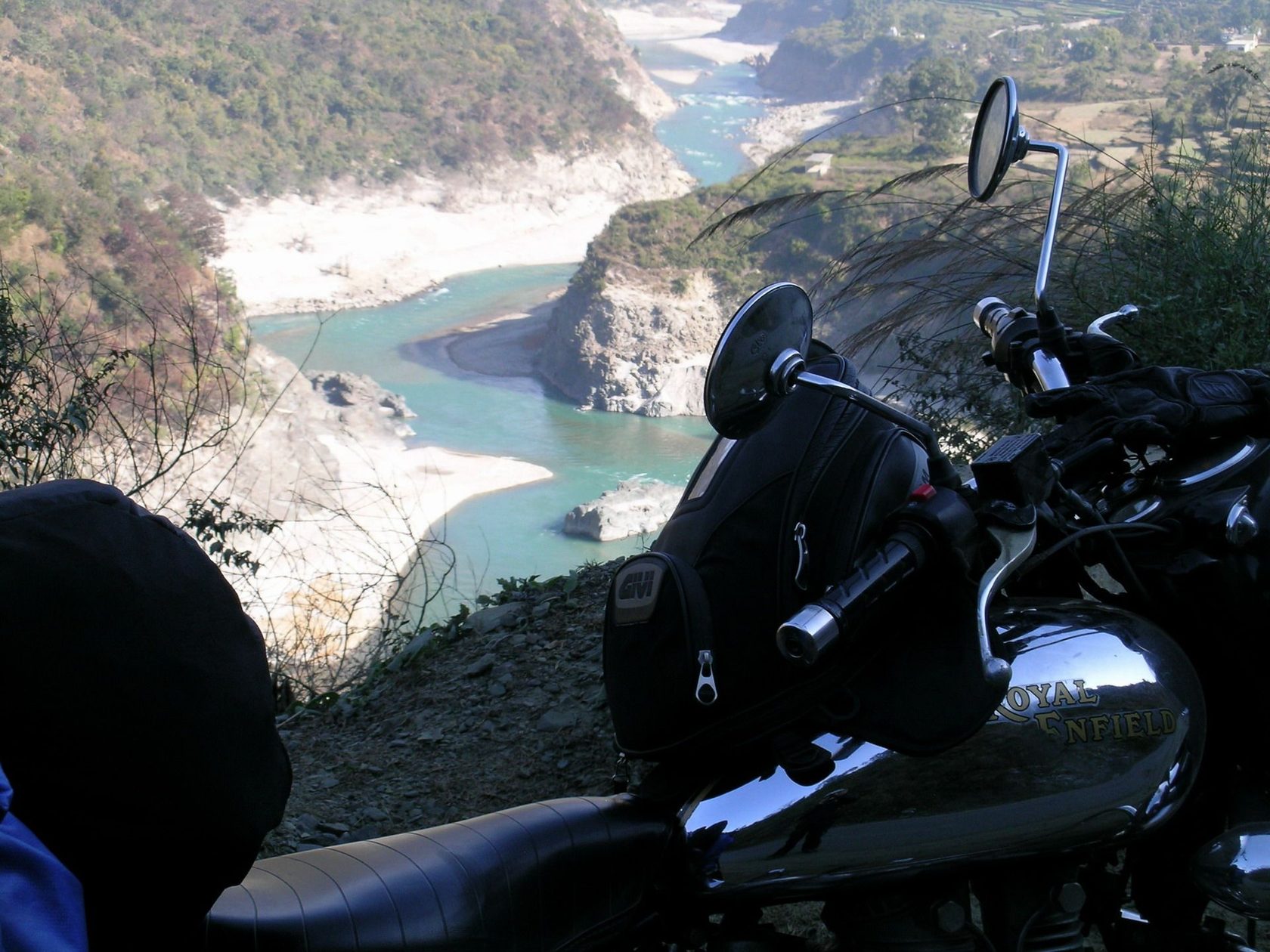
But Rishikesh is also known as "The Himalayas door" and, after having driven through it, I notice that the road and the landscape change dramatically. Dirt roads, fords, hairpin turns that unravel along the valley carved by the Ganges. The average speed has plummeted. But places ...
3) Srinagar-Almora 238 Km - 8 ore
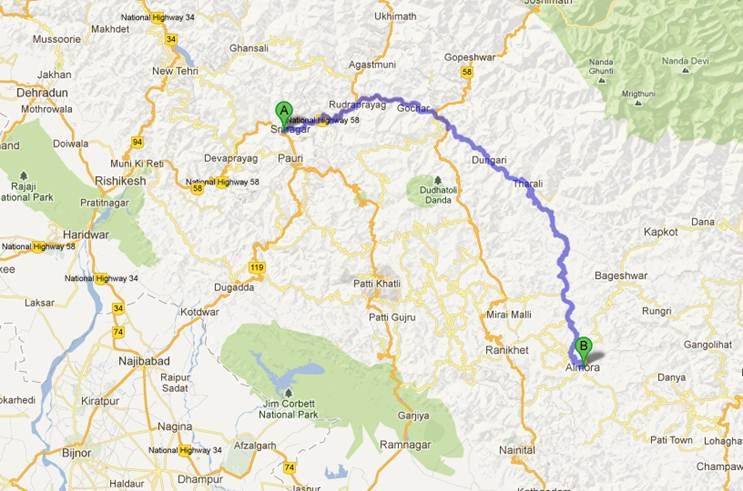
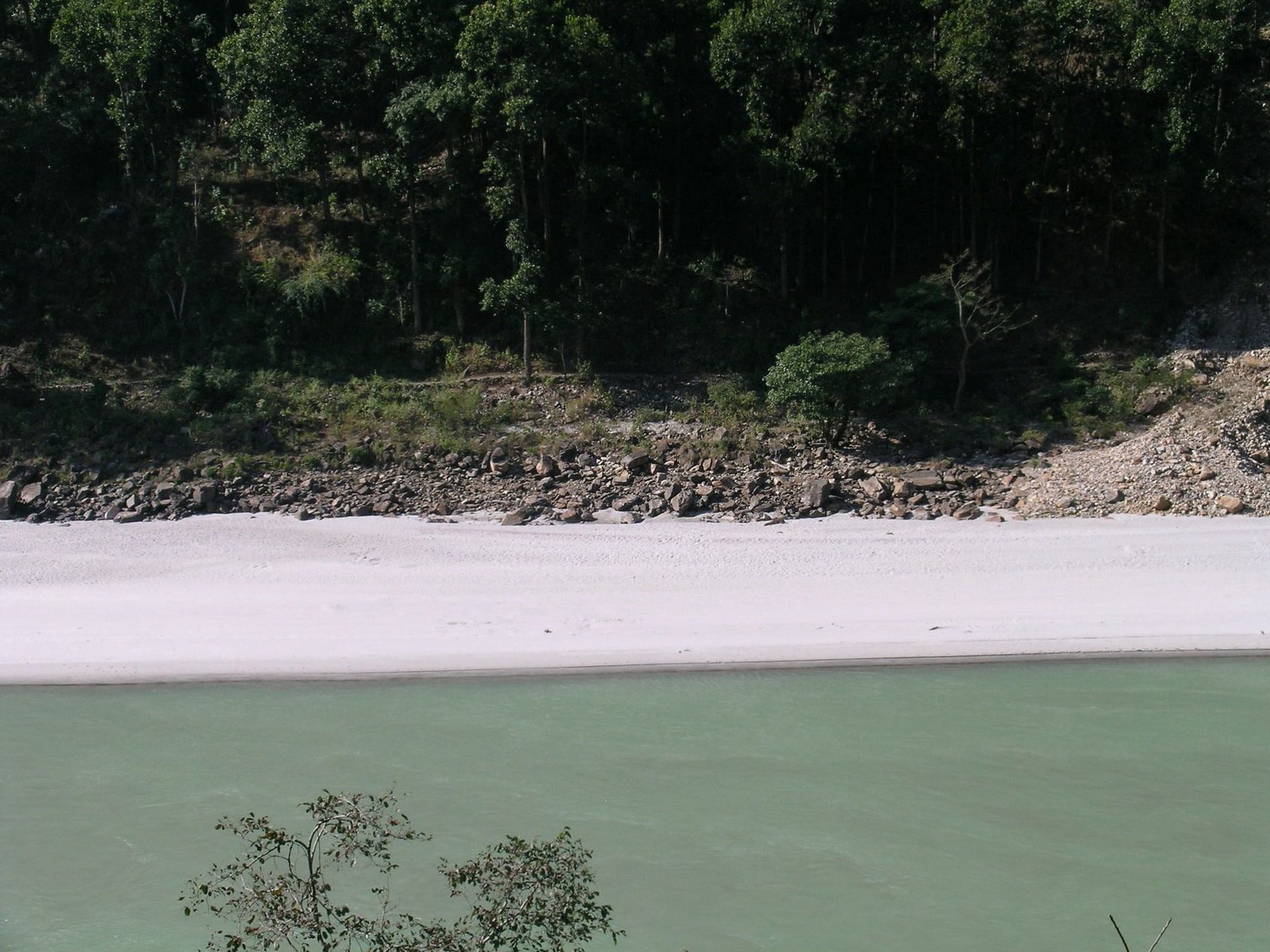
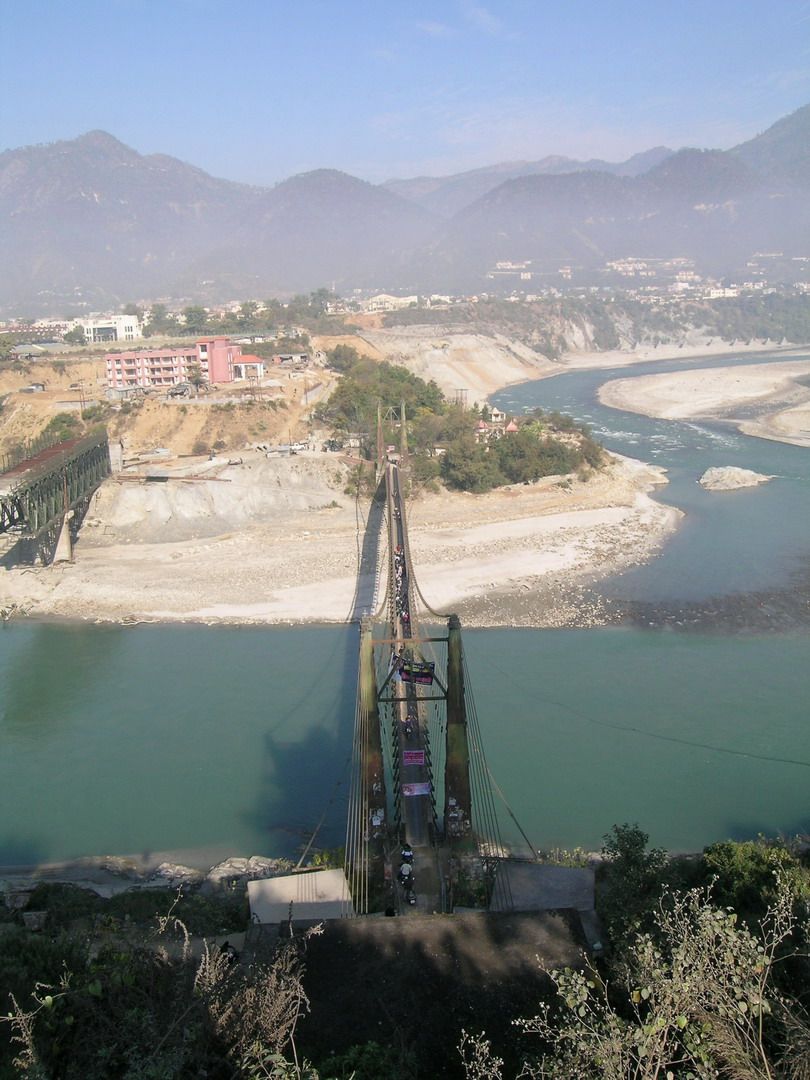
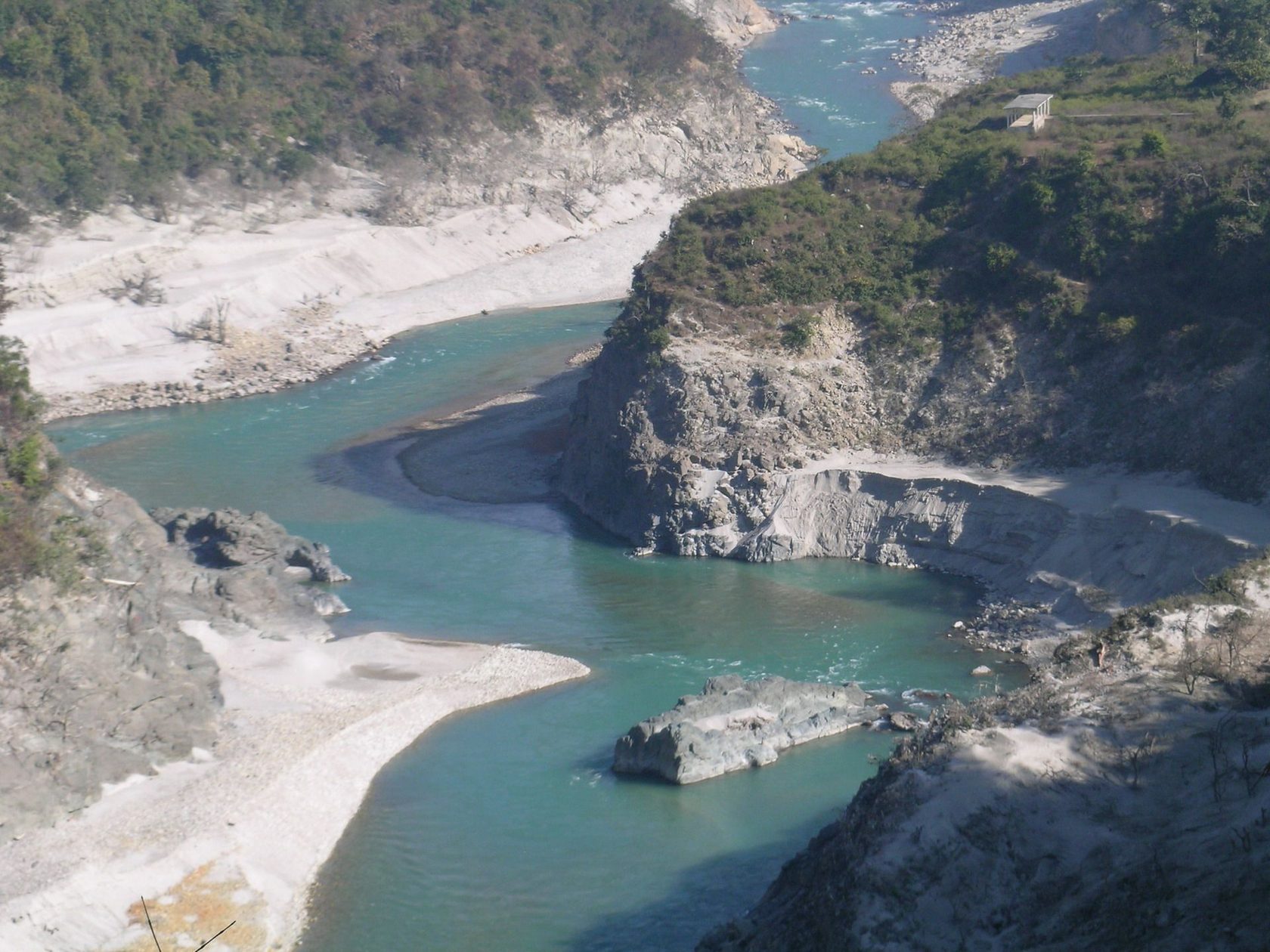
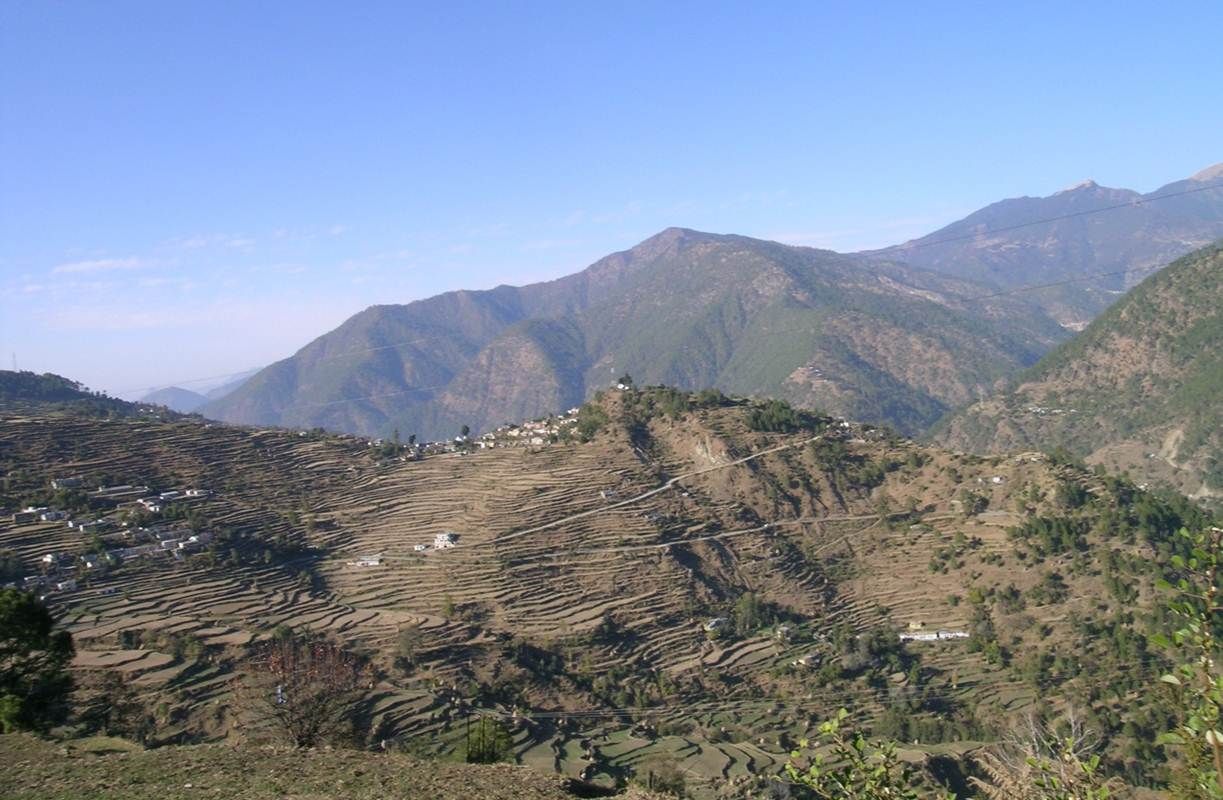
The Ganges becomes, finally, really clean and
you can see the snowy mountains in the distance, high
towards Nepal (over 7000 metres high). And it's getting colder. The stage is exhausting, expect to cover 240
kilometers in one day with those roads was a big
mistake. I find myself driving in the dark and I'm very
tired. I decide to slow down.
Slow down, in every sense.
It's as simple as that.
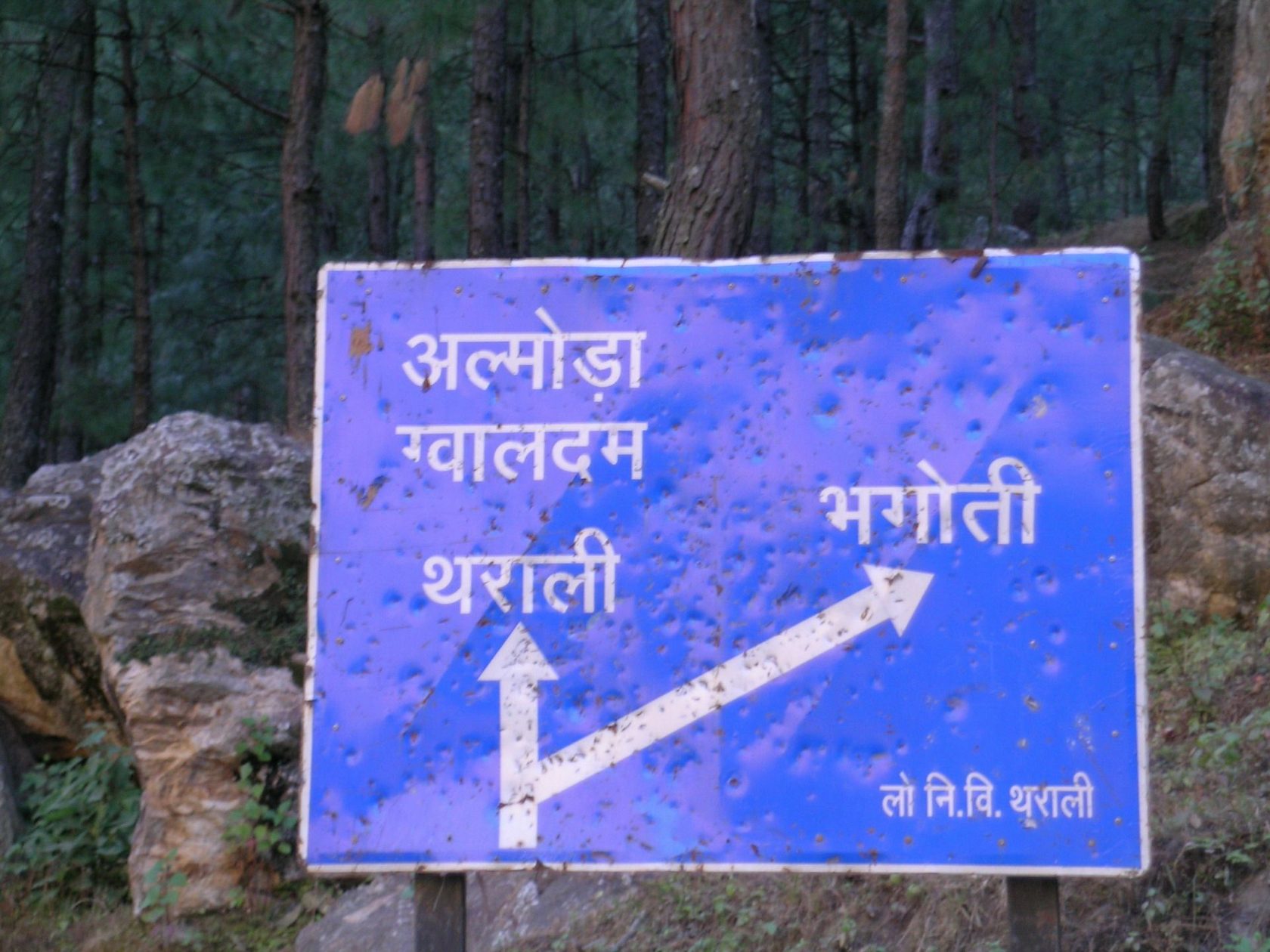
I spend two days in Almora, a day longer than planned,
to gather strength and re-see my itinerary.
It is very cold (minimum -4° Celsious) and I
decide to go immediately towards the desert hoping to
warm up.
B) The deserts of Rajasthan and their visible cities
4) Almora – Delhi – Jaipur 311 + 377 Km – 9 + 9.5 ore
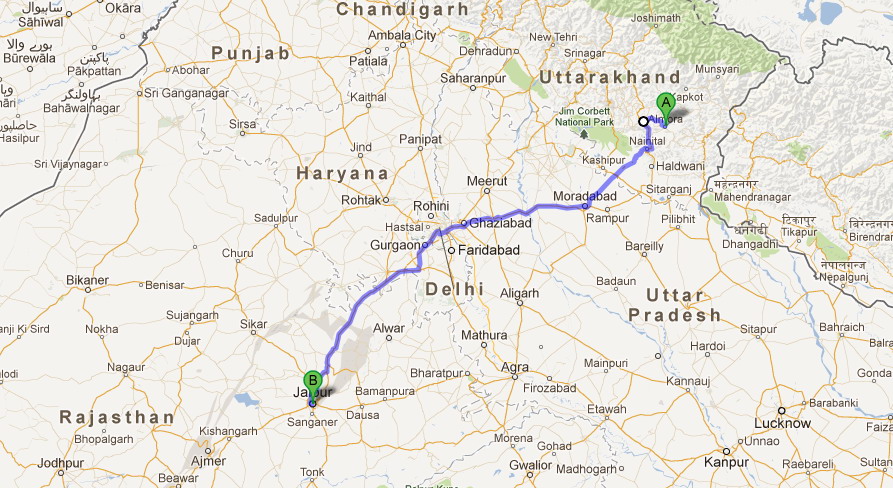
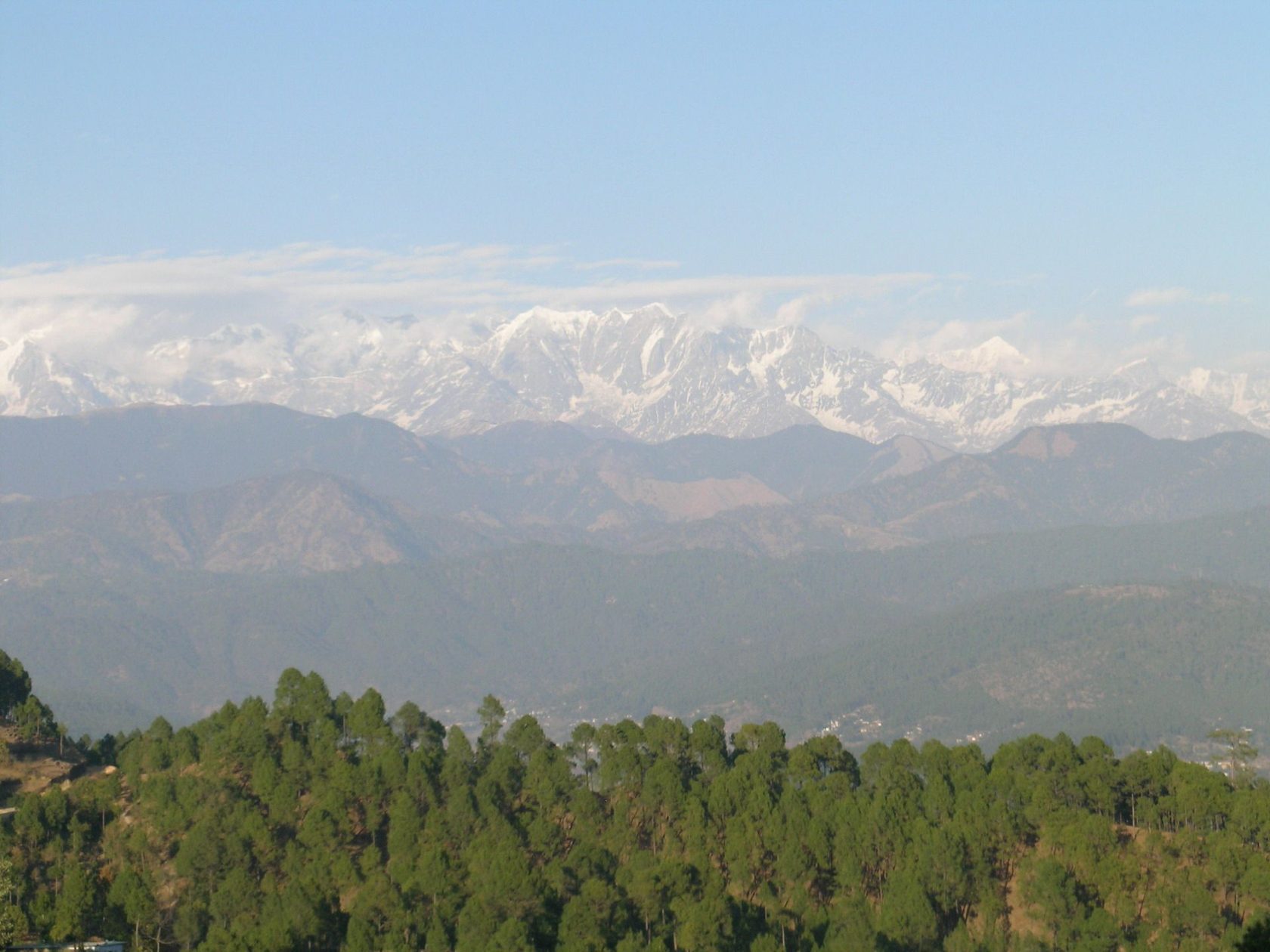
I move to the desert, chasing a hot that I can find. I start with a very long stage of transfer, split into two days. When leaving Almora, however, step by Raniket, to look away, to Tibet, the snow-capped peaks. A bit 'of regret, that the cold just makes me pass. The landscape is beautiful up to the plain. Then the fog begins again. This is a period of transition, and in the plains, the fog is frequent.
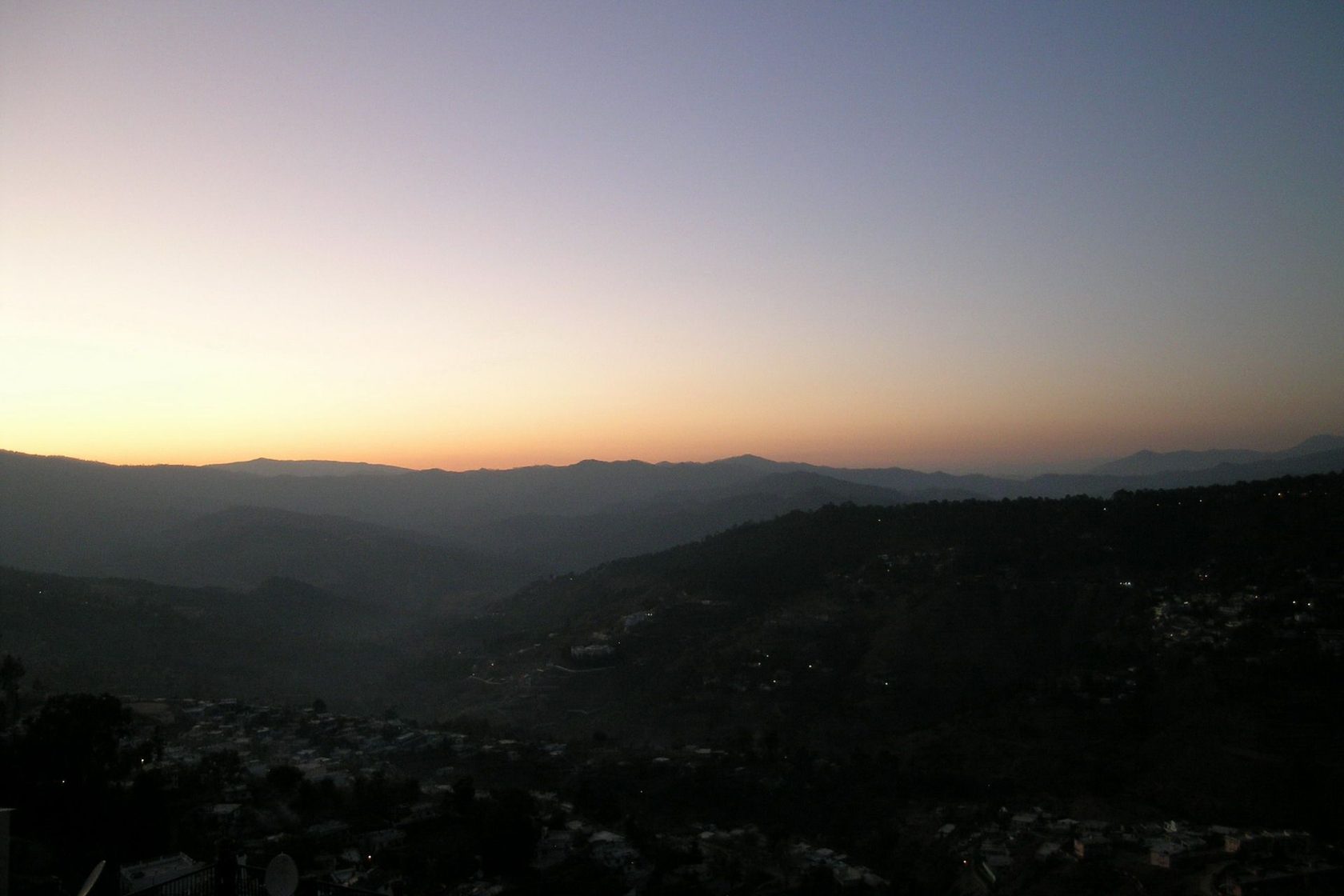
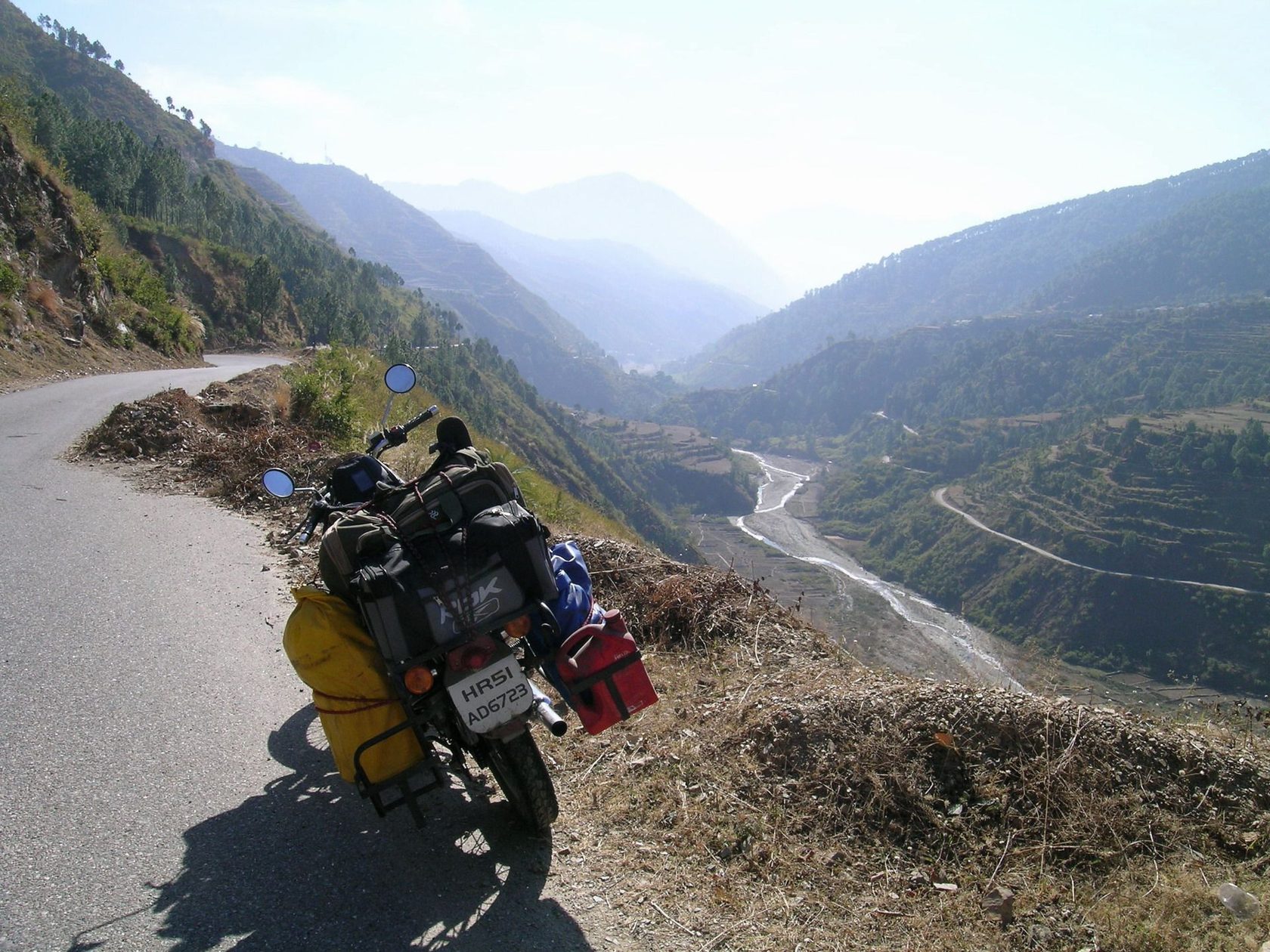
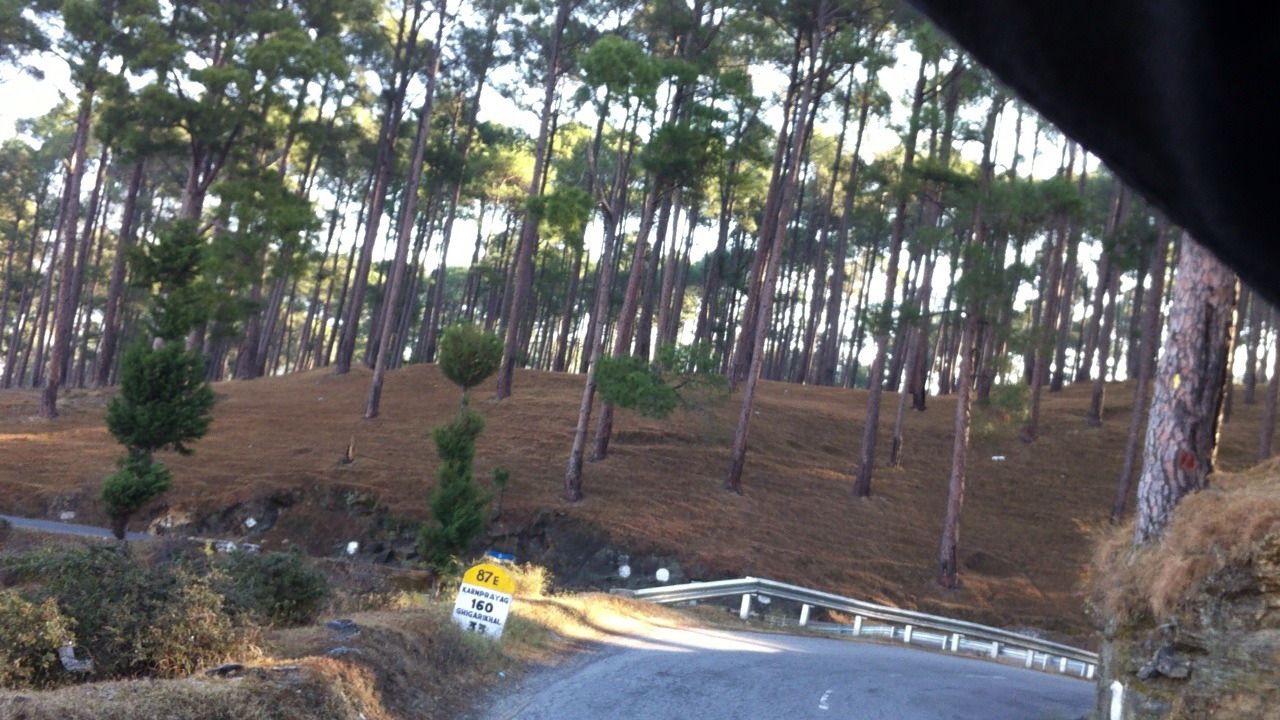
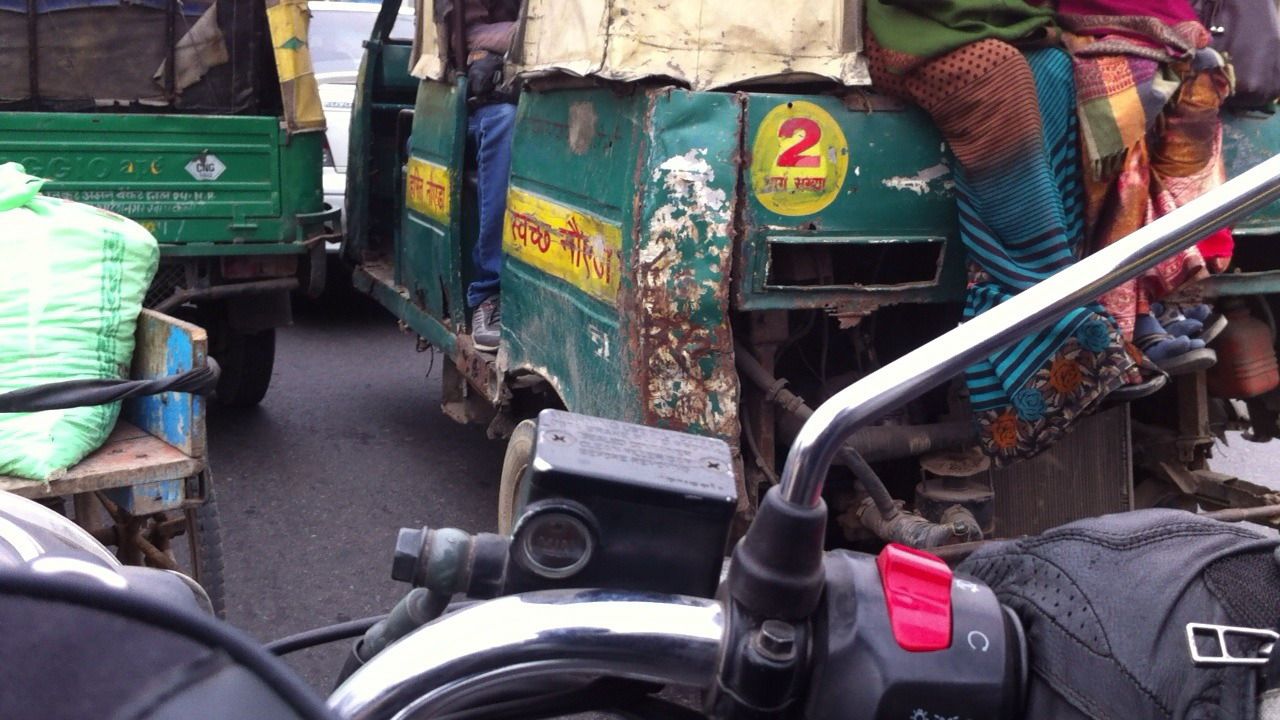
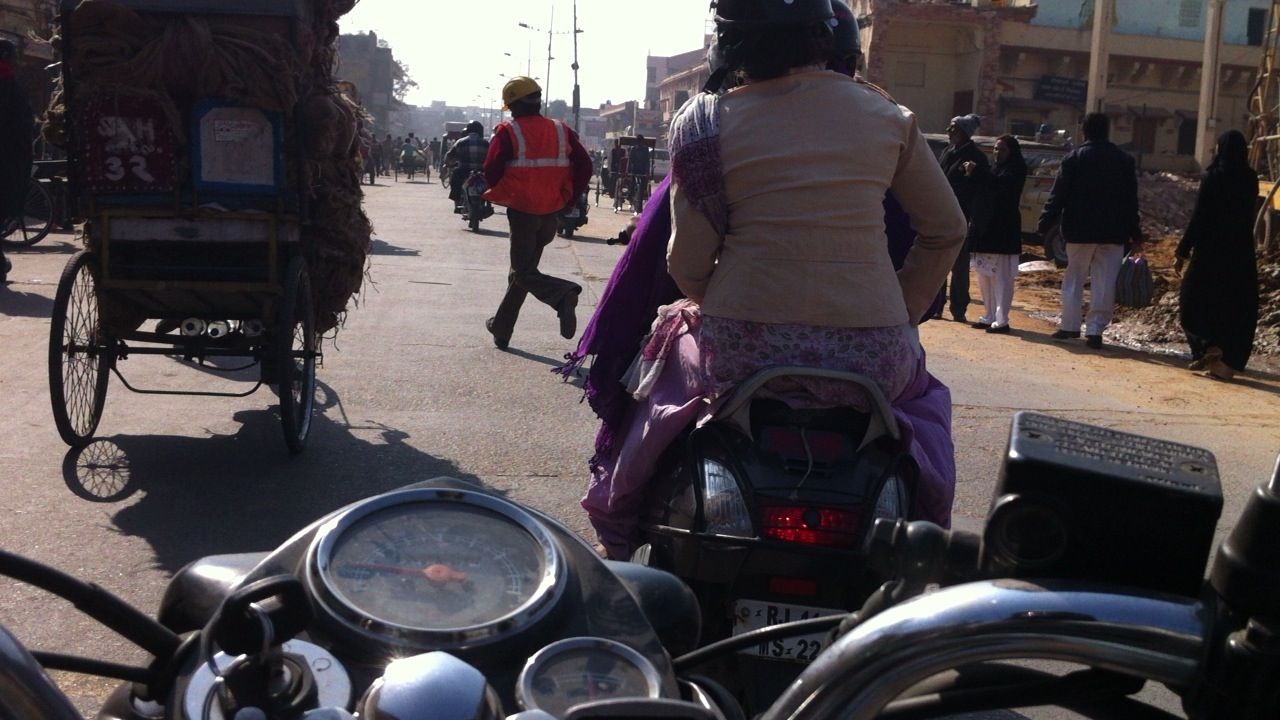
I decide to do more road and can go all day. I stop at a hotel down the road as soon as it gets dark. Allotment at dawn, always with the fog. And the cold. Continue to get cold. Delhi is a compact block of machines. Exhausting. I proceed to a crawl. The motorway (!) Between Delhi and Jaipur is a true nightmare. Hundreds of detours, heavy traffic. I hurry, but keep a high level of attention. In this section I dodged two cars in the wrong lane.
I dodged things you people would not even imagine can run on roads. In my direction and in the opposite. In my lane, in the right and in the left one. And in the one above and one below. And in the other two.
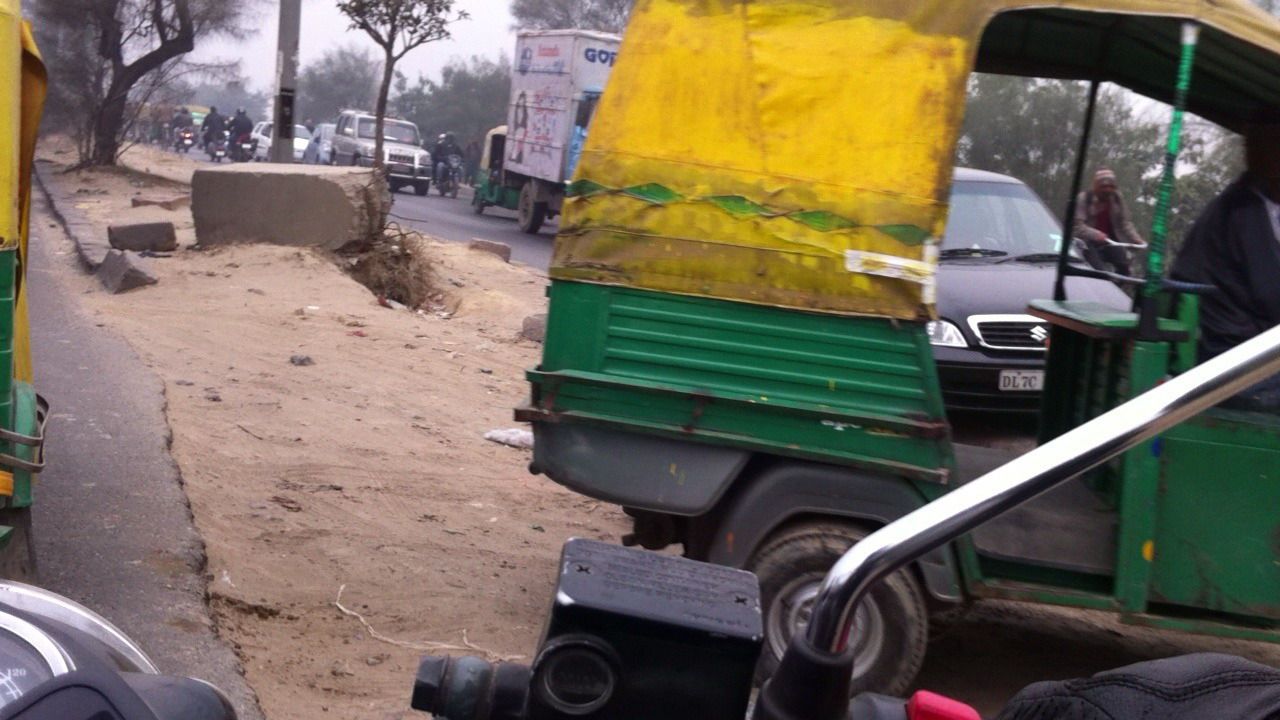
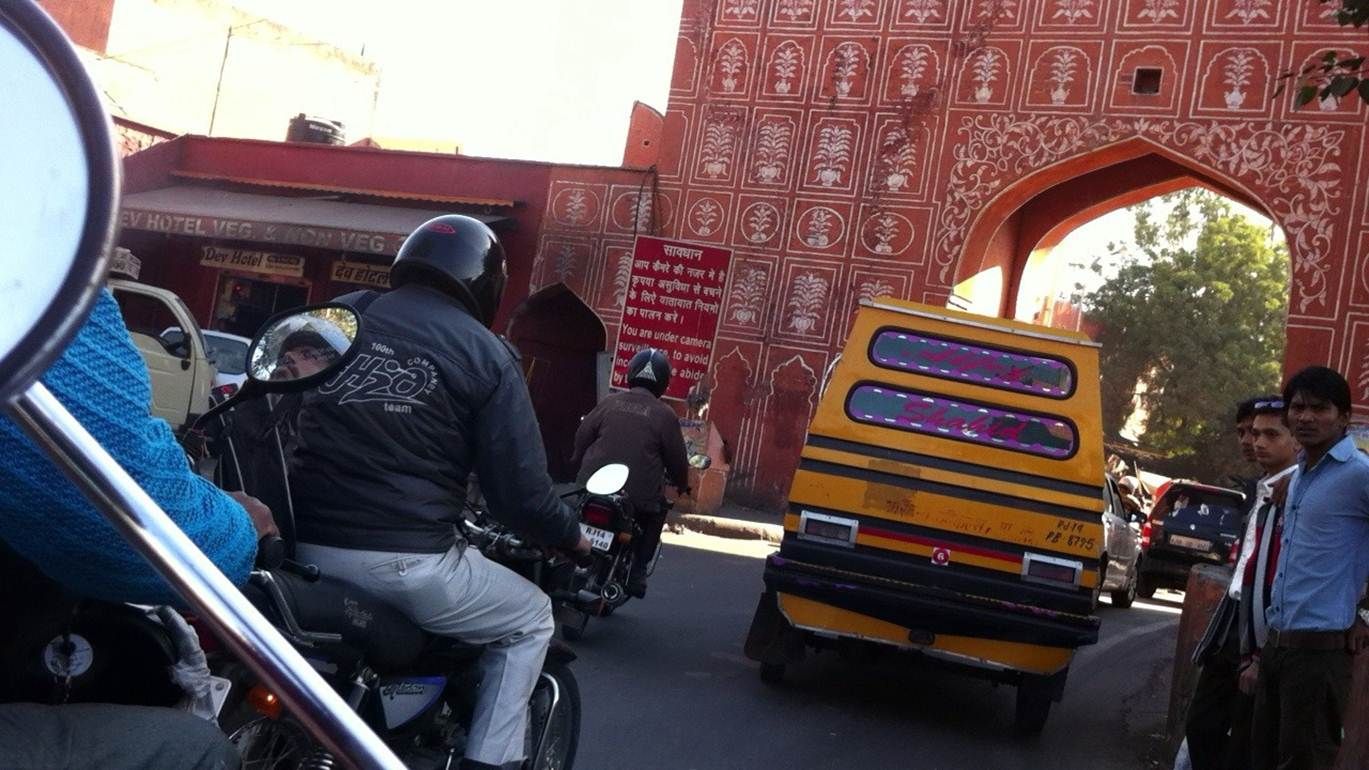
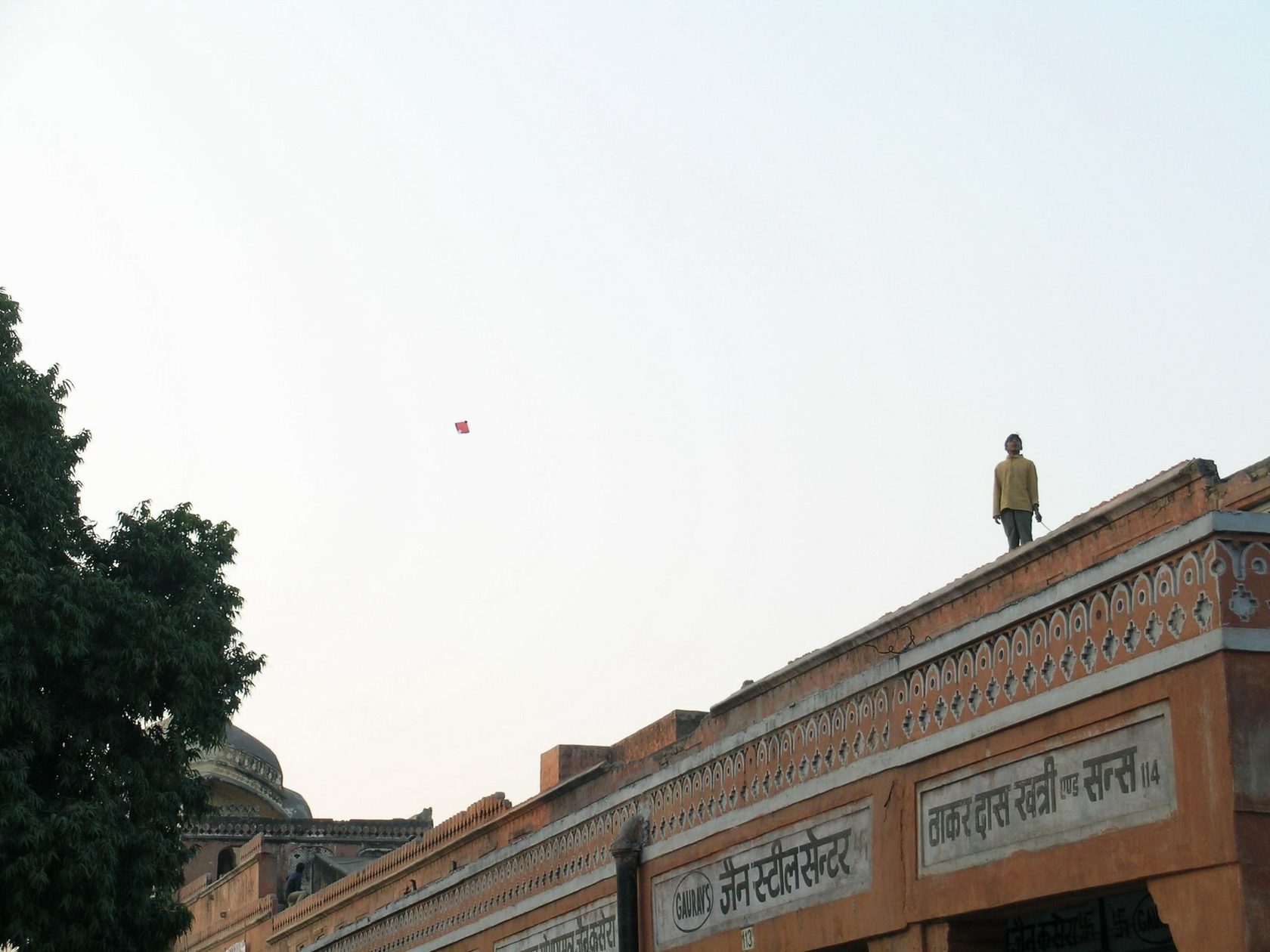
Eventually I arrive in Jaipur and I am involved in a colorful traffic. The sky is full of kites. The navigator leads me to the hotel with a relentless precision. Consoling.
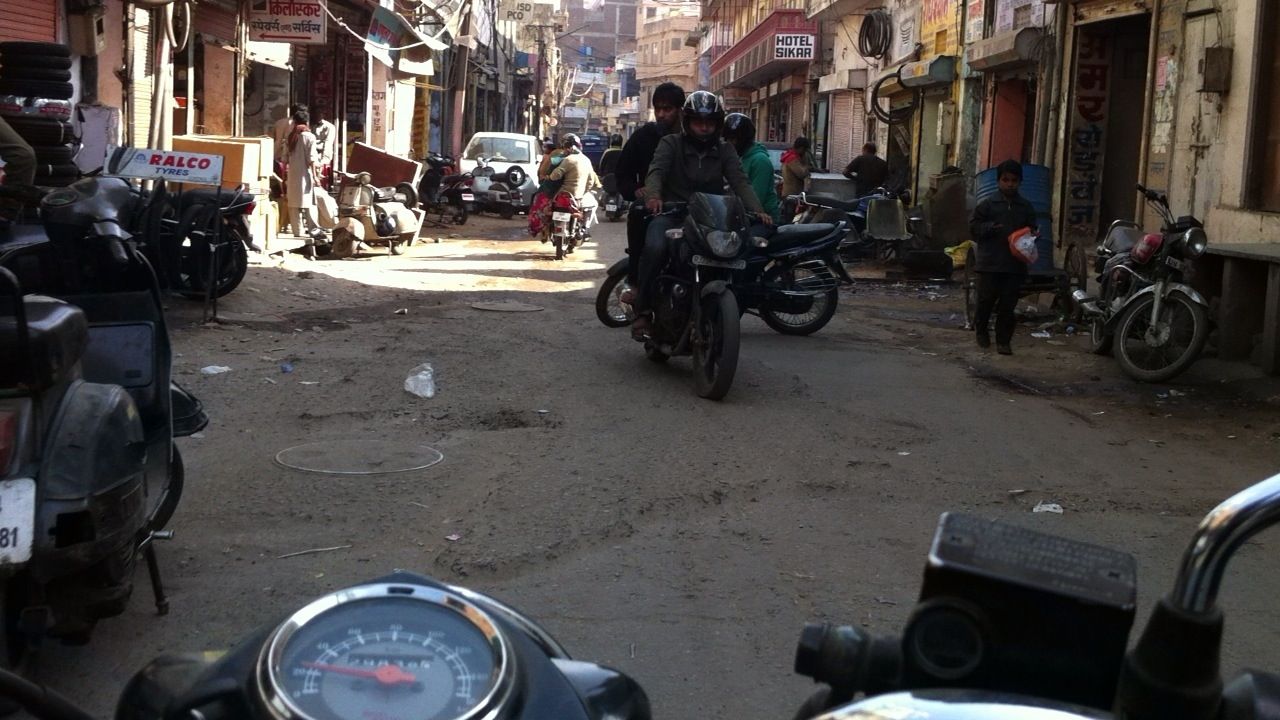
What I have seen pushing me, despite the fatigue, to exit immediately from the hotel. A hot shower and away, in one of the most colorful bazaar I have seen. Around aimlessly until evening. The city is fascinating. The next day I rest, I still turn to the bazaar, but this time with the bike. By now I'm used to and I feel perfectly comfortable to drive in this noisy chaos. I take photos, I buy some presents, always thinking that the things that I'll have to add to the baggage portarmele behind. I sleep like a baby thinking about the desert that awaits me.
5) Jaipur- Pushkar 143 Km – 3,5 ore
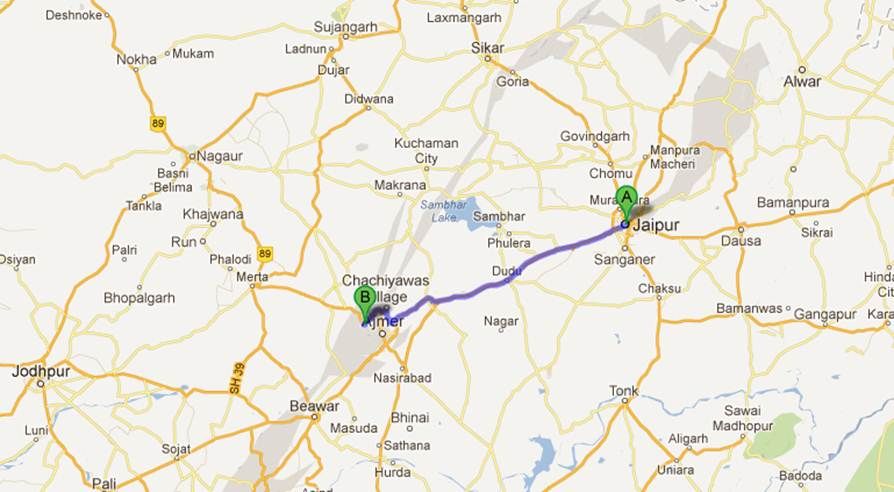
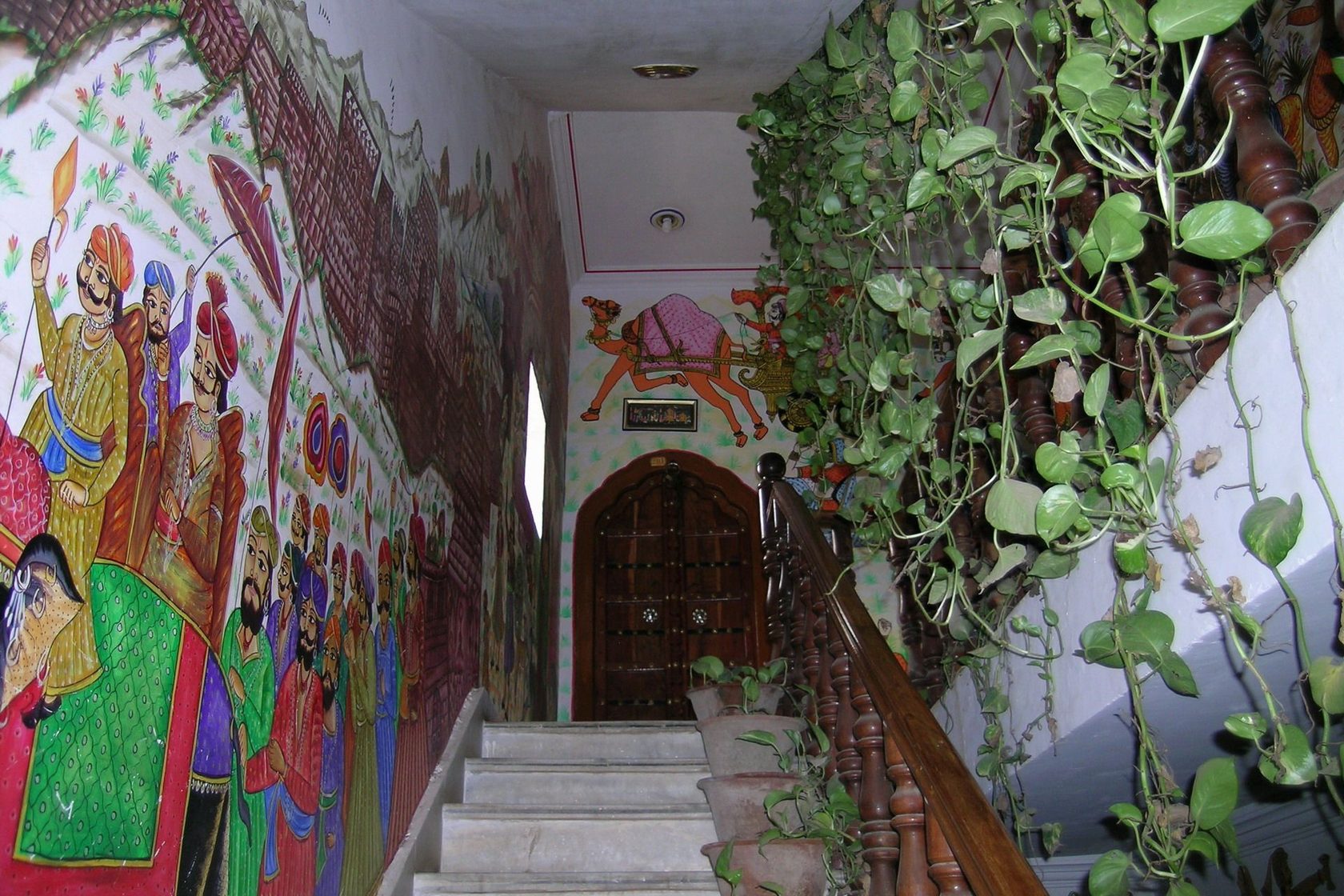
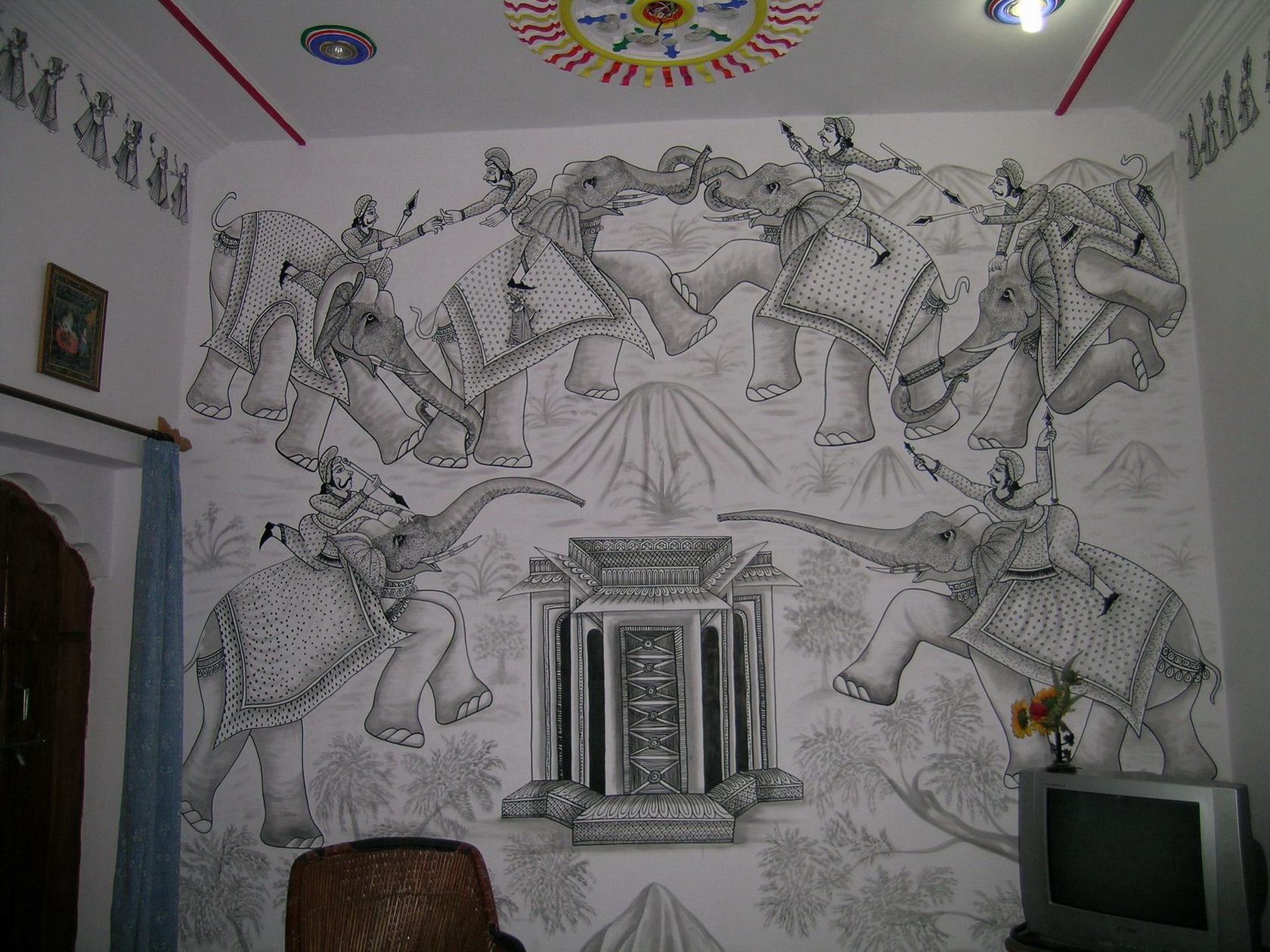
I get up early and childbirth in a clear day. The road is much better, I dare to stabilize the speed at 90/100 km / h. Little traffic. Step Ajmer and climb for a few miles that are missing to Pushkar. Finally, a short stage. Arrival in the morning, I have all day to shoot. The navigator guides me in alleys unlikely and arrival in a sand road. At the bottom of my hotel, just outside the village. The rooms decorated with elephants, very cheerful, run by a very nice pair of brothers. One of the two has a Royal Enfield Bullet 350. We talk a lot about my trip motorcycles. His dream is to buy a Bullet 500. E 'excited about what I'm doing, and asks me:
"Alone?".
I just nod.
Then he sees the surfer goes into raptures. Parking, I take off the dust off, I change and I go back to the country.
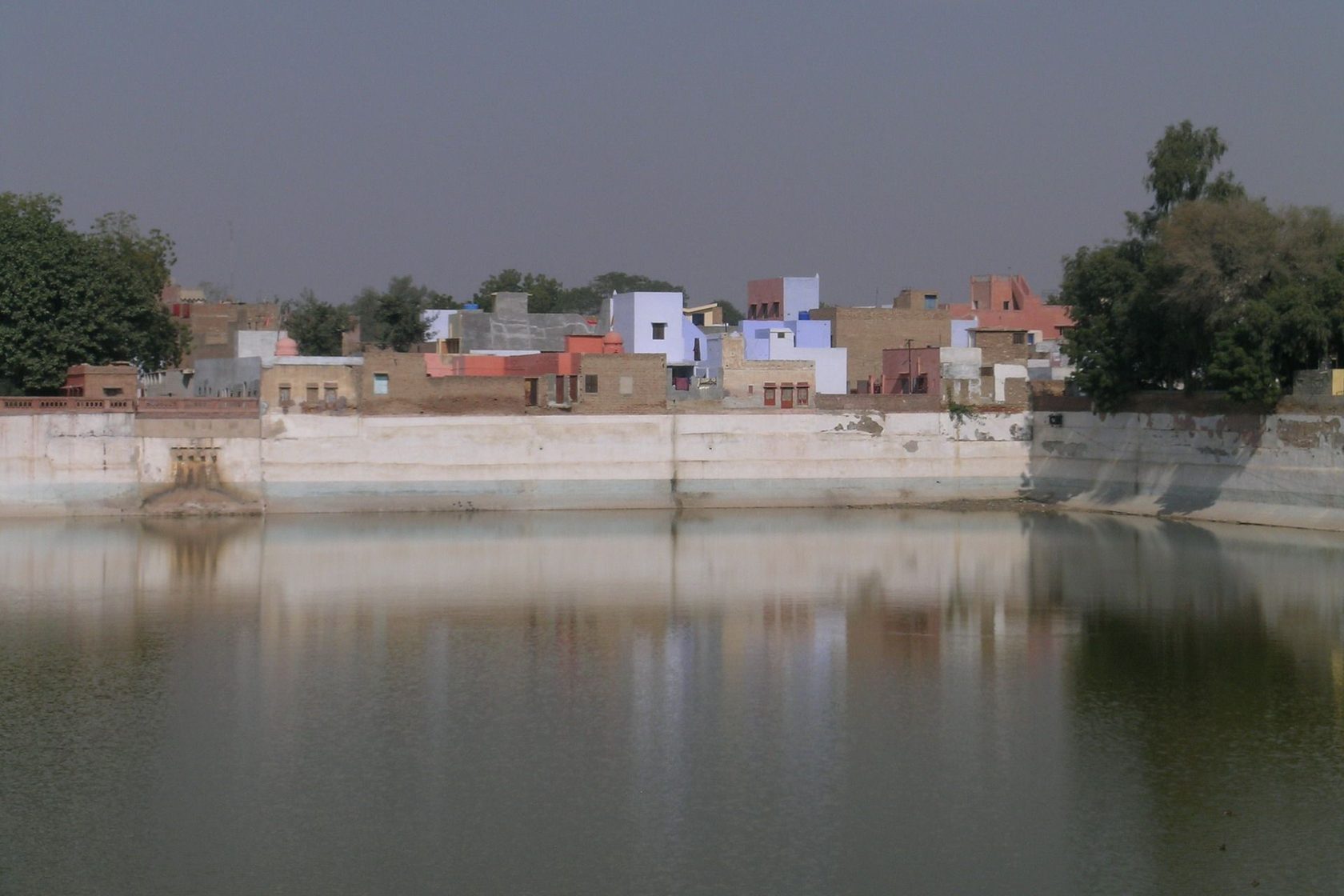
Through all of the local market with the bike and finish at the end of the lake. A sight to dream. I'm not a mystic, my way of meditating is to act. The balance, the internal energy in communication with one of our planet, are concepts that stretch with gracious condescension. The only centers of energy that I feel inside of me that I'm raising an ulcer are long and patches of cholesterol that wander in my blood. But ...
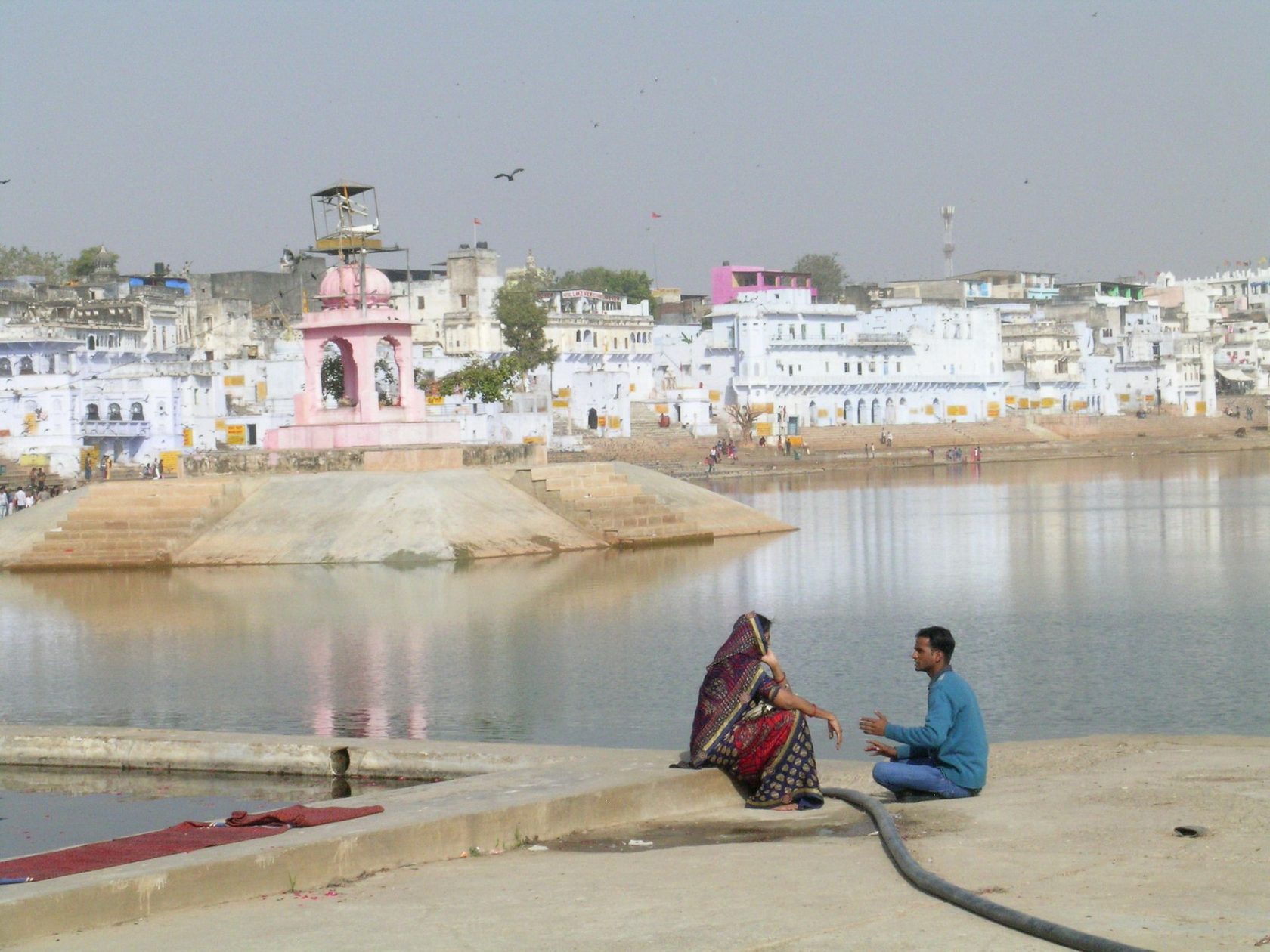
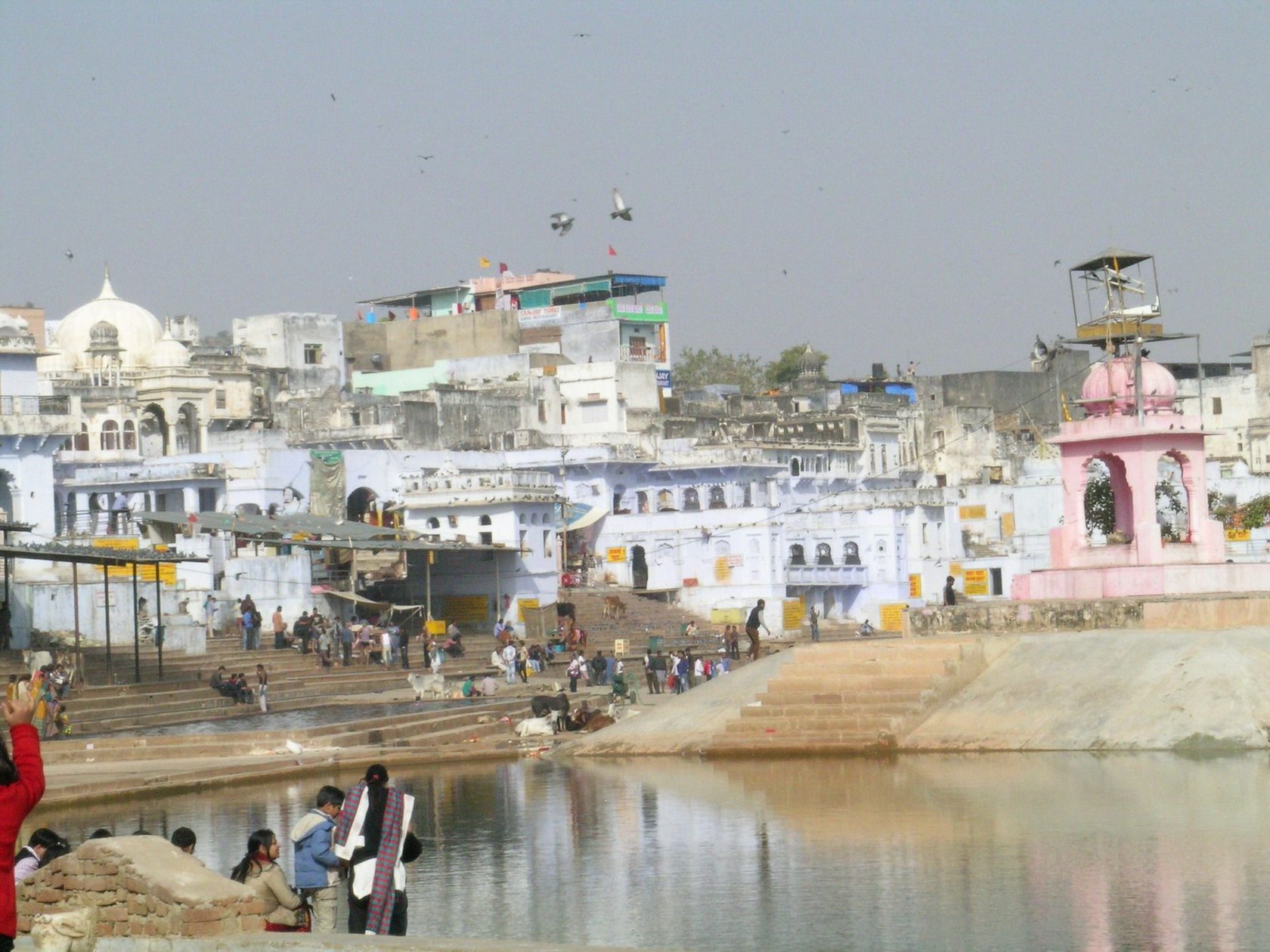
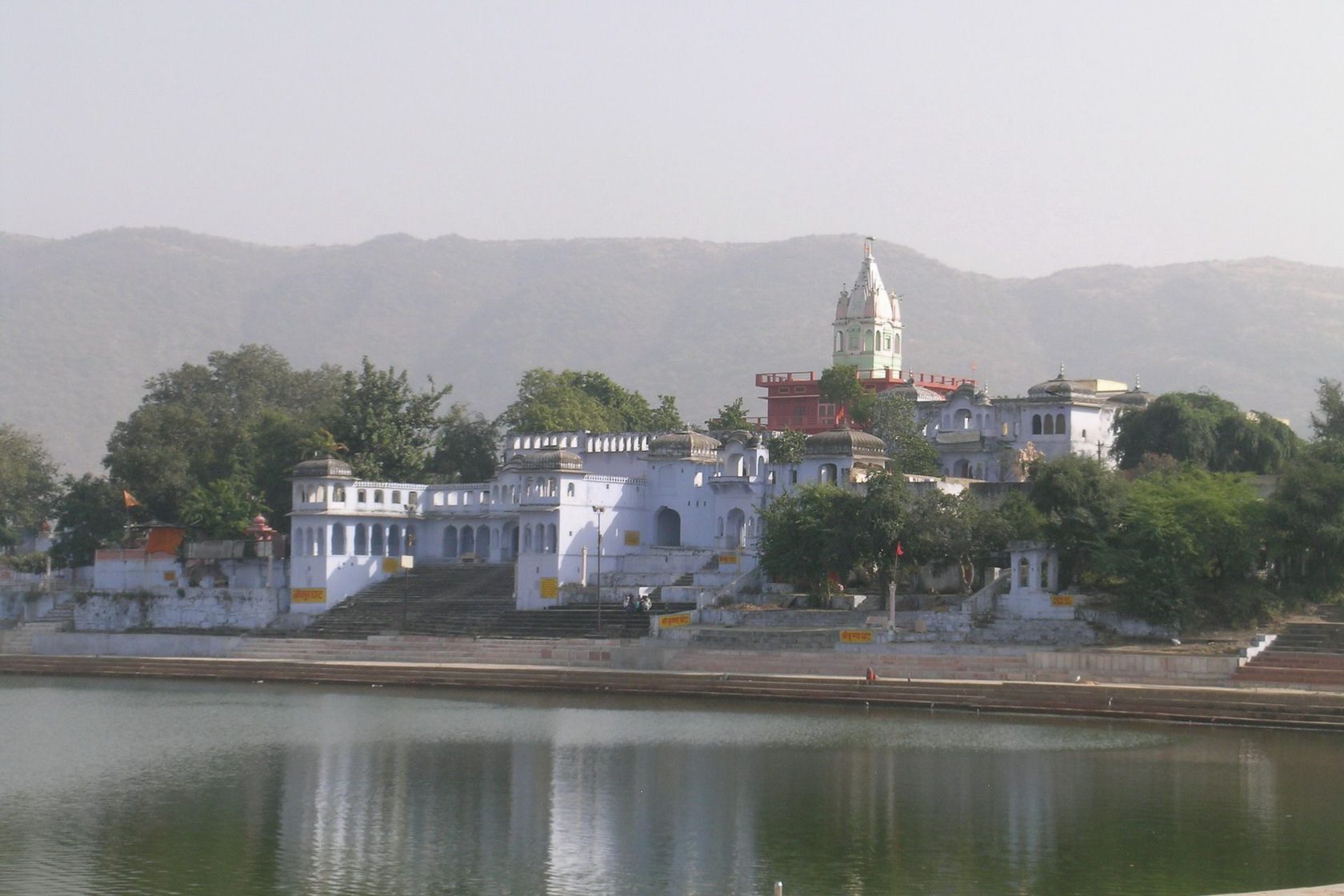
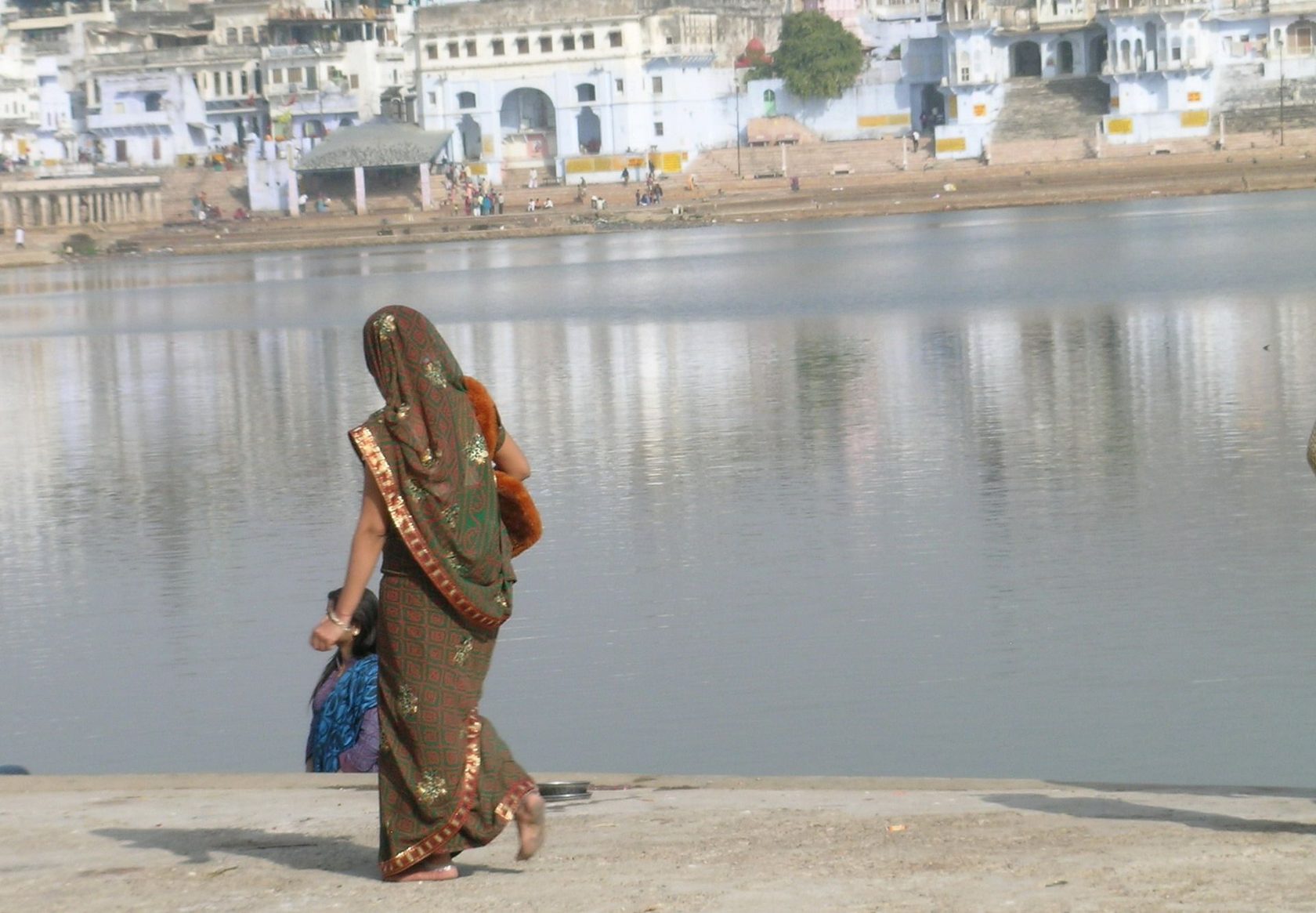
The lake has bewitched me. I take off my boots, you can not walk with shoes near the water, proceed barefoot to nearly the edge and sit down. I look at picture-taking (secretly, I am ashamed, I seem to photograph a very intimate thing). Hundreds of people are sitting near the shore. They bathe with water from the lake, pray, meditate. I'm lucky, most of the people is Indian. Few tourists.
I remain enchanted for hours. To meditate? I would say no, but I thought of many things ... Looking at the lake, the birds that fell off uninterruptedly from the water. My ulcer, in the end, she was hurt, she felt neglected.
Back at sunset, prepare new luggage. I have dinner in the room, tea and biscuits in the room. I pay attention to the food, being sick in motion is not the best, and the next morning I have to leave for the desert, Jodhpur. The blue city.
6) Pushkar – Jodhpur 310 km 4,5 ore
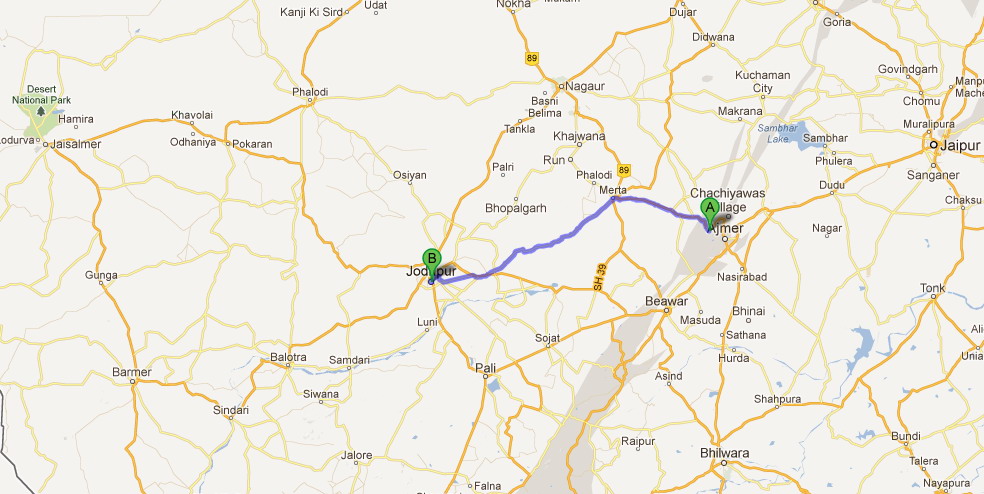
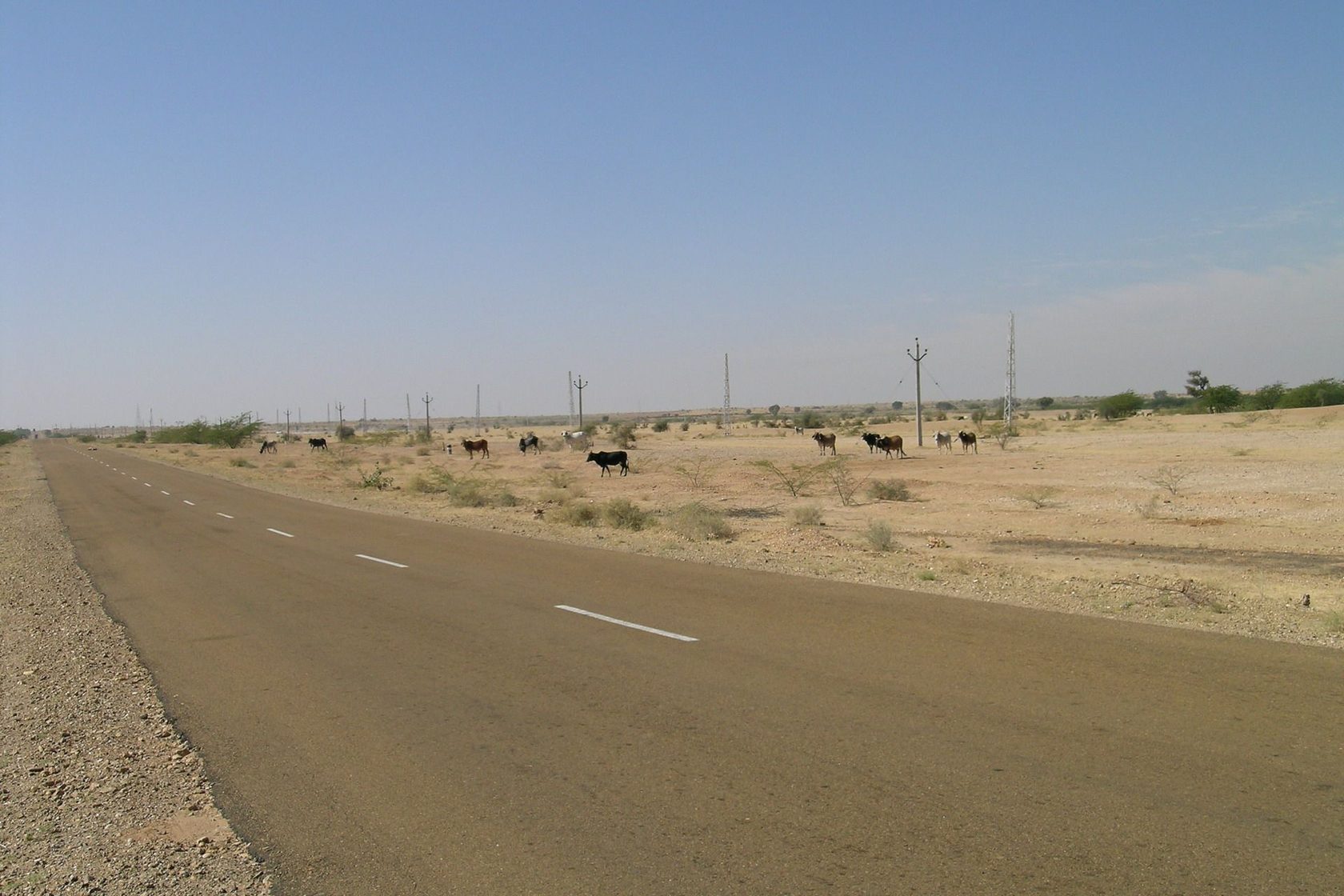
I'm leaving soon, the road continues to be good, quick trip to the wilderness. Where the asphalt is also yellow. The landscape changes abruptly, but the heat does not reach. Cows everywhere. The road is very busy, I permitted myself the luxury to relax. The gaze sweeps.
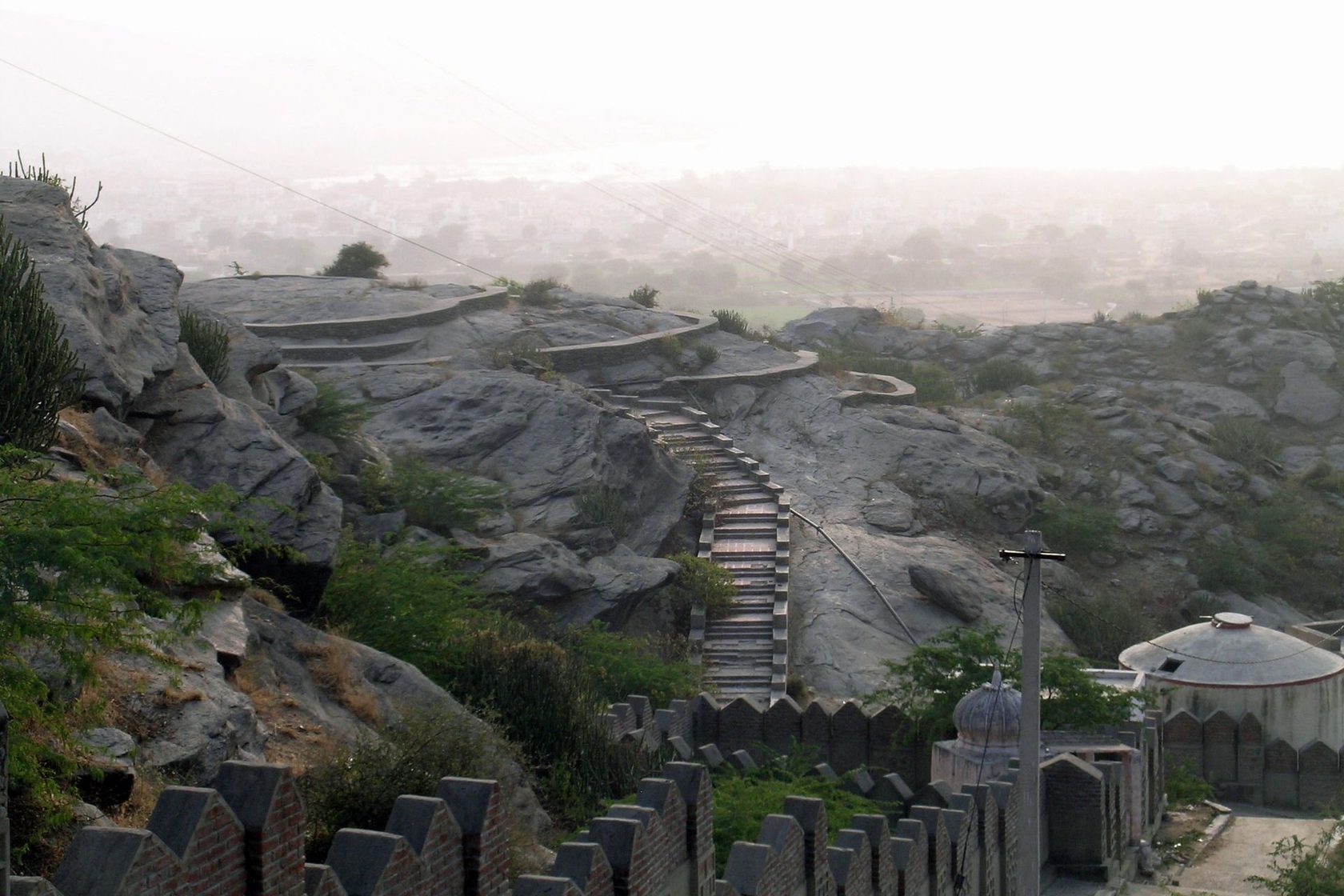
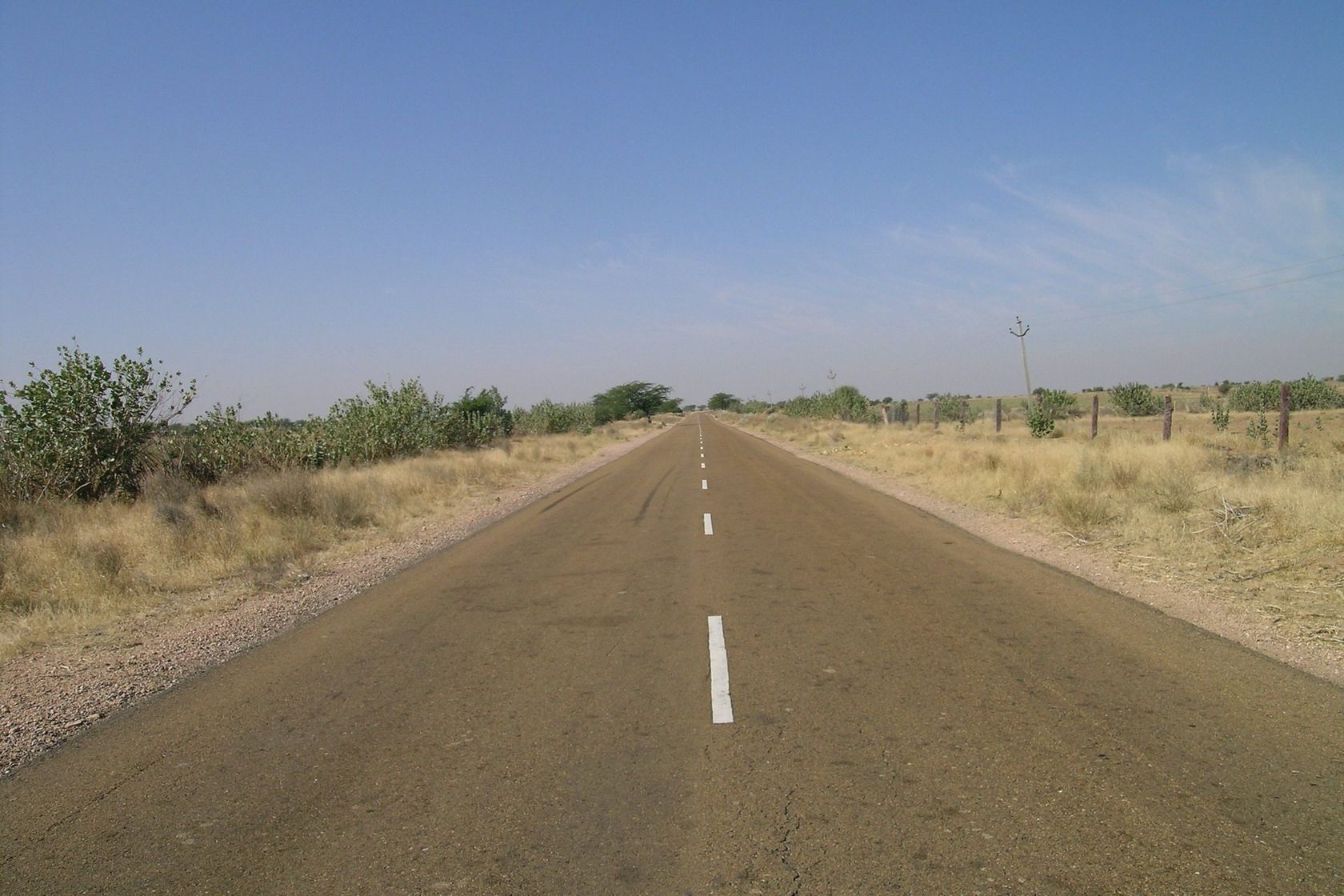
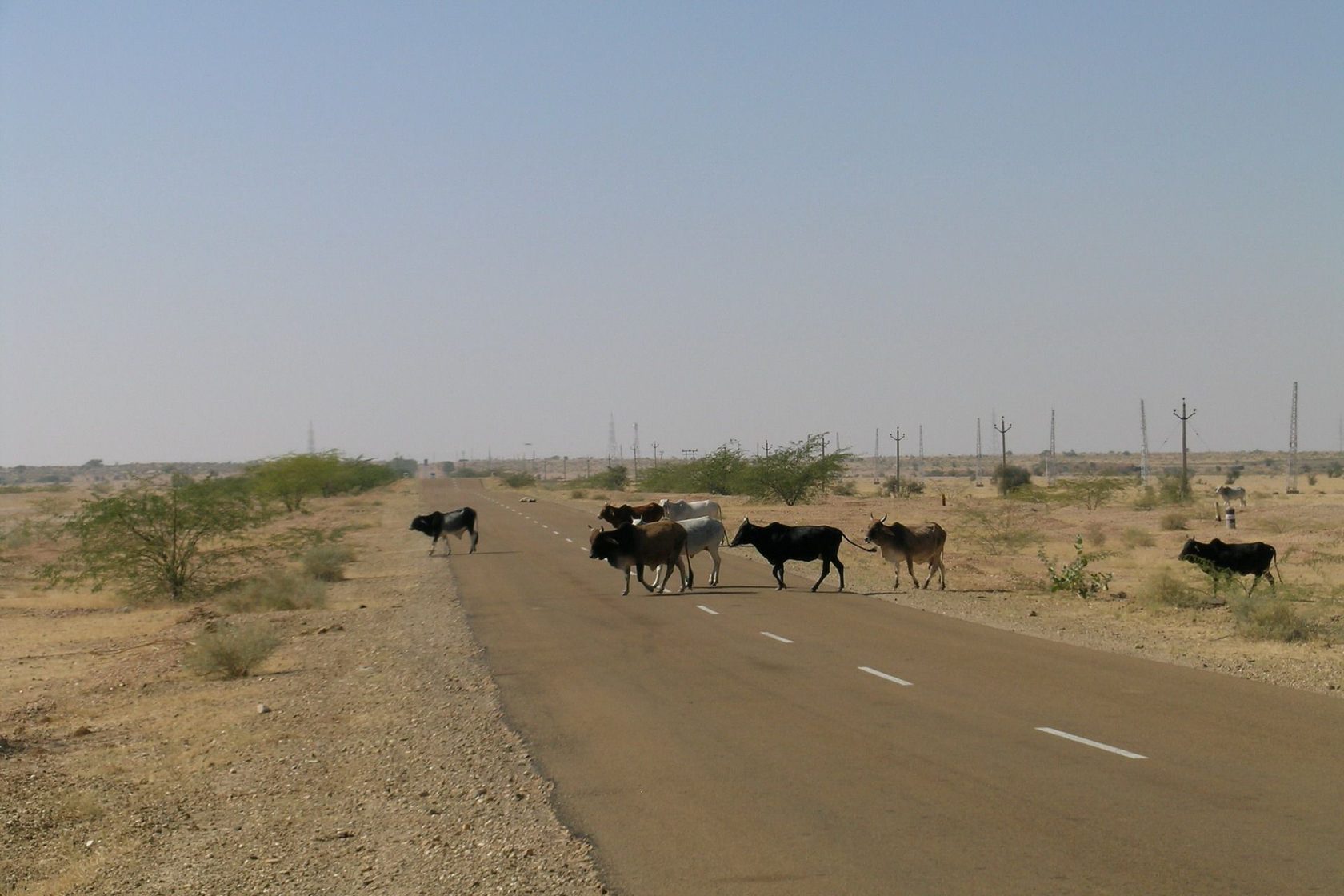
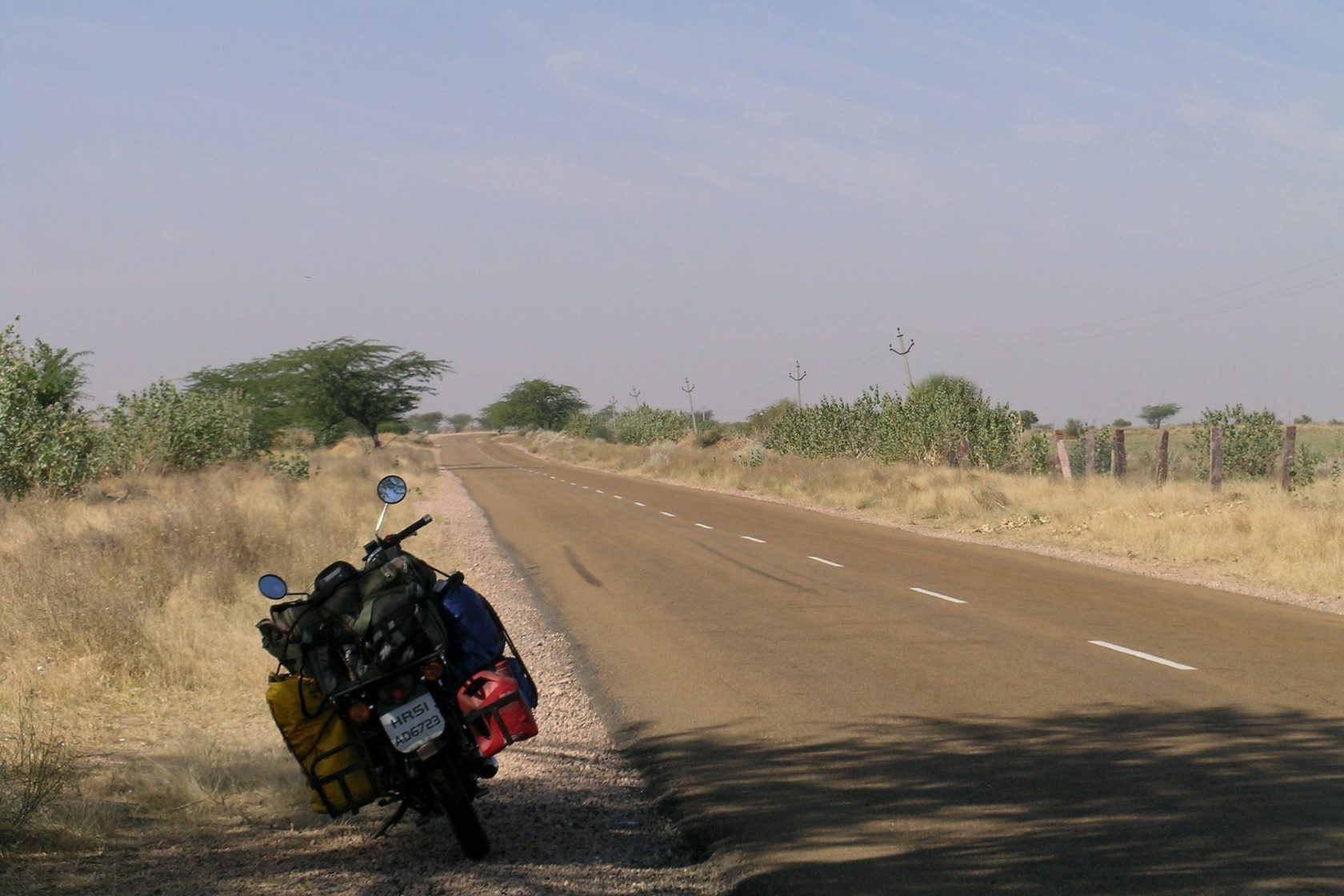
Two short stops, the sun, to warm up and drink some water. Looking ahead, looking for my destination. Jodhpur, Jaisalmer together, is a city visible. An imposing strong announces its presence from afar. As the clouds on an island when sea voyages. I can imagine the expectations of travelers at one time, shift its gaze to the horizon, looking for the sign of the city.
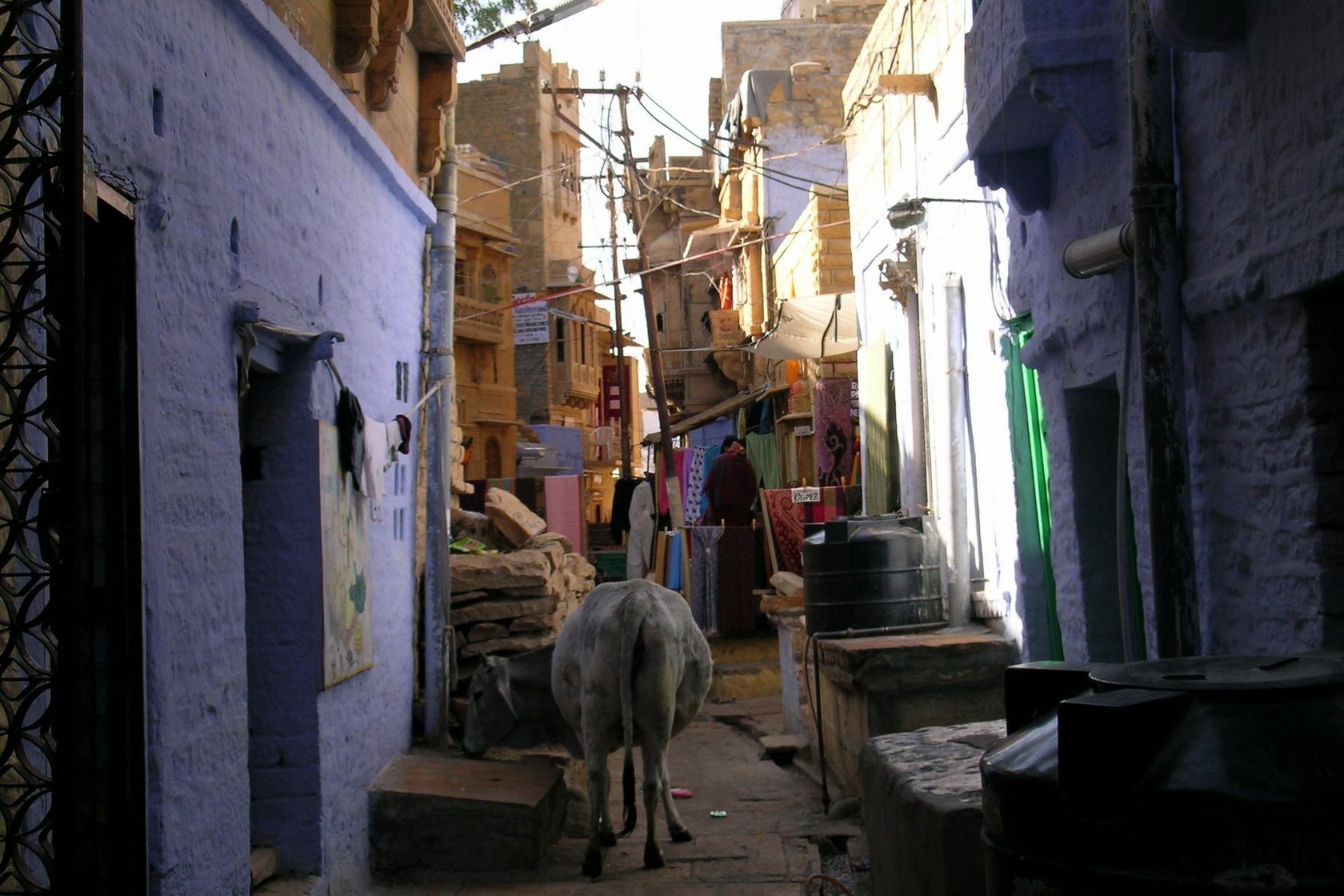
The arrival is daring. My hotel is in the old town, narrow streets, where two bikes can scarcely meet. Especially if there is a cow in the middle. The navigator, this time, I did not attend. Around in circles. Several times. I ask. Eventually I find my guest house. Blue Like the whole city. Jodhpur, the blue city.
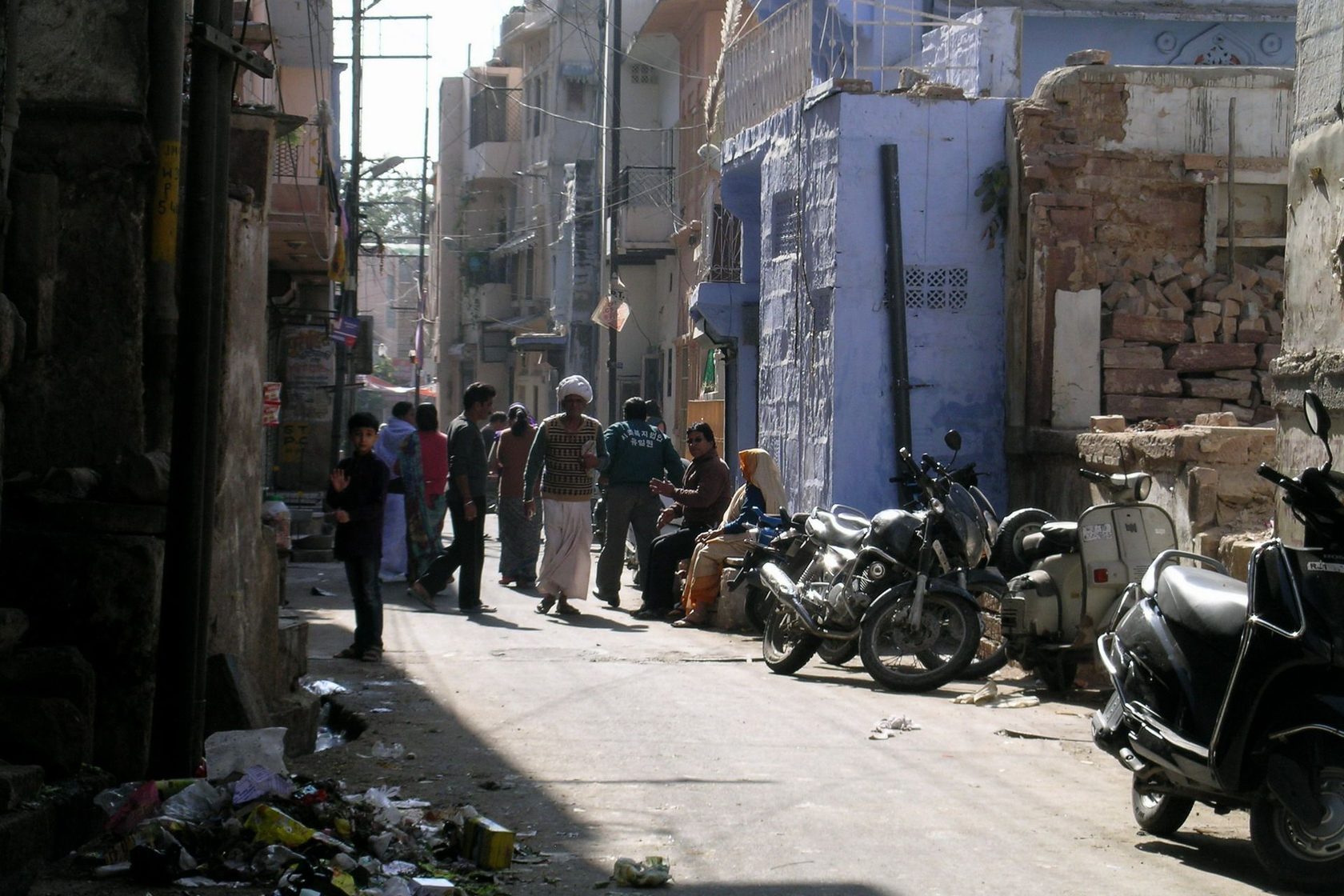
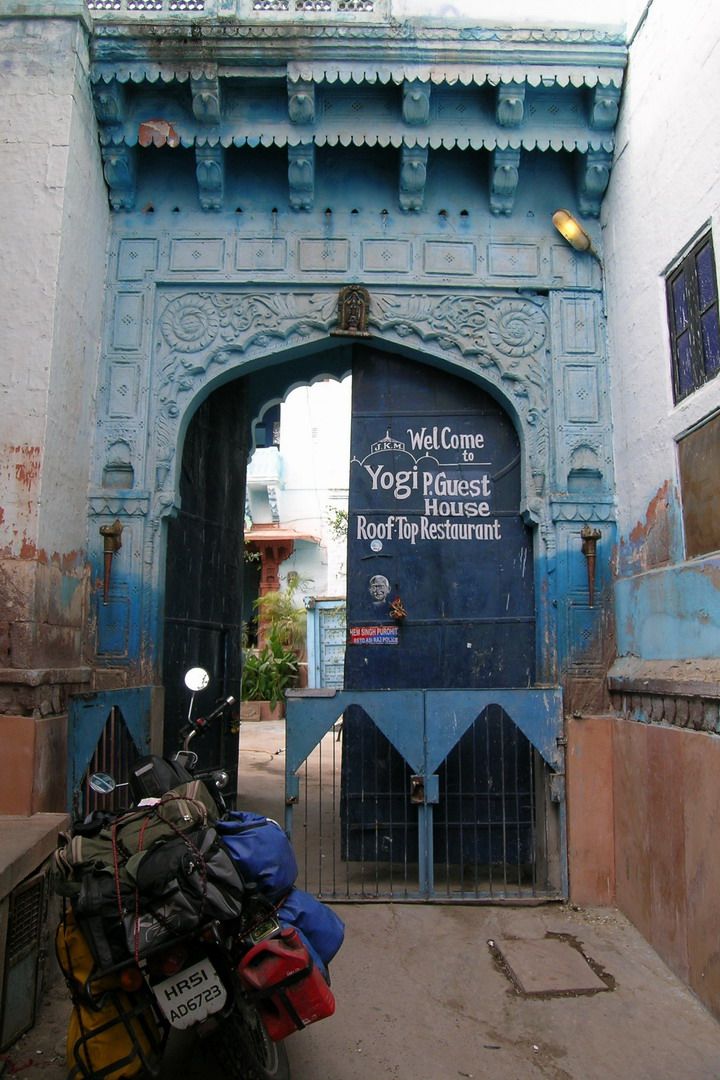
The room is not ready. I go on the roof, which is dominated by the strong. I drink hot tea under a hot sun. But the air is cold, the whole trip I was with the thermal vest and jacket all closed. But in the sun, still, the cold vanishes. Esco, around the bazaar, I begin to organize my New Year's Eve. Buy dried fruit, steel bowls (they sell them by weight!), A pineapple.
Now there is only one problem: how cool my dignity Veuvet Clicquot? I'll think about tomorrow. I have dinner with the hot fried things taken to the street. Good so unseemly. I feel the energy flowing in my patches of cholesterol.
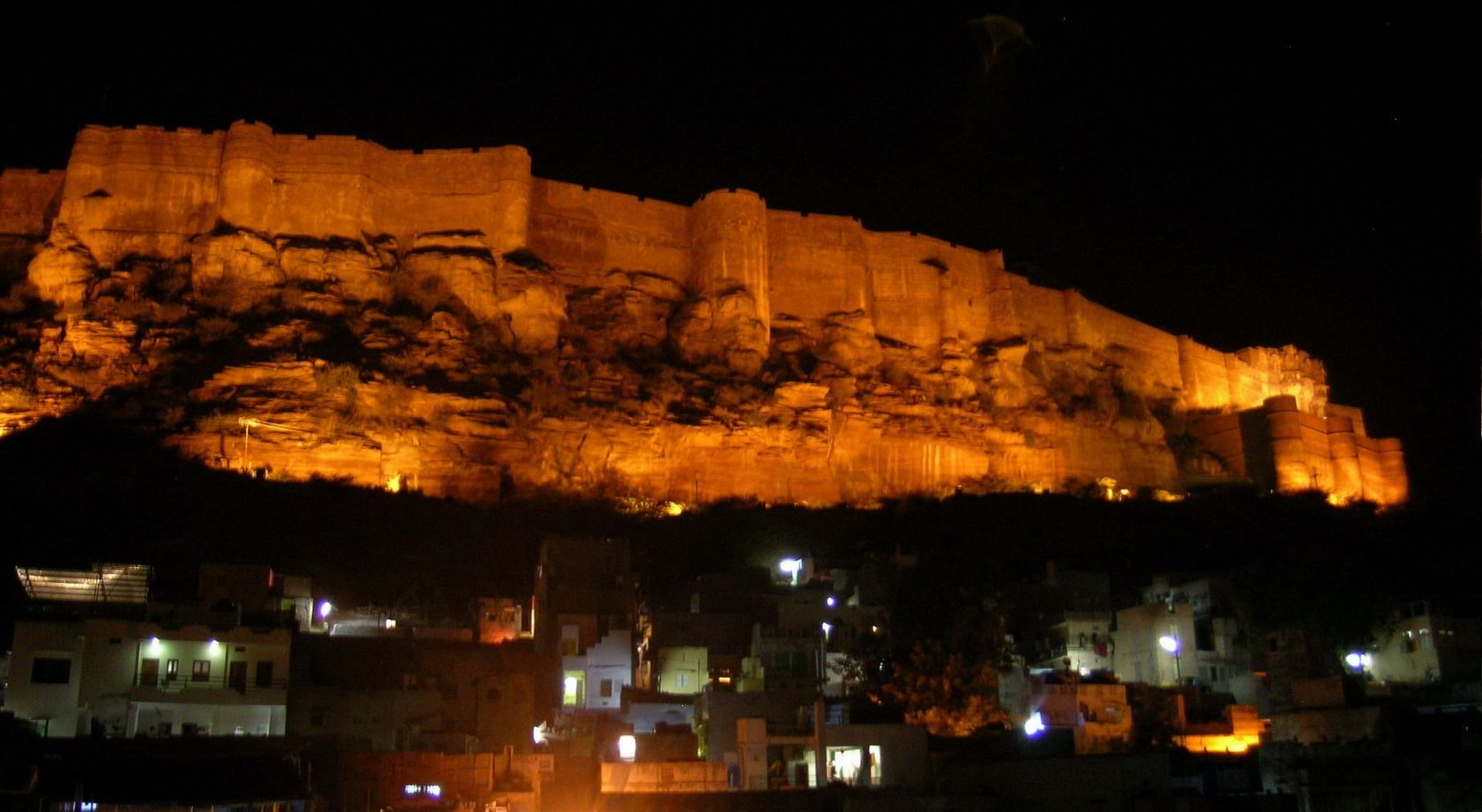
I sleep like a rock and I am awakened at six by an improvised Muazim that is 20 meters from my room. Then he became quiet and I go back to sleep. I dedicate the morning of December 31 to visit the fort. The majesty of the structure, built on a base of 200 meters of rock, its beauty and the view of the city from me take your breath away. Around for hours without getting tired. Lunch with other fried things. By now I am a friend of the seller, recognize me, and is very amused by the fact that I sneak in the line of customers, like you live there, eat and taste the things that he does. Wrapped in a piece of newspaper.
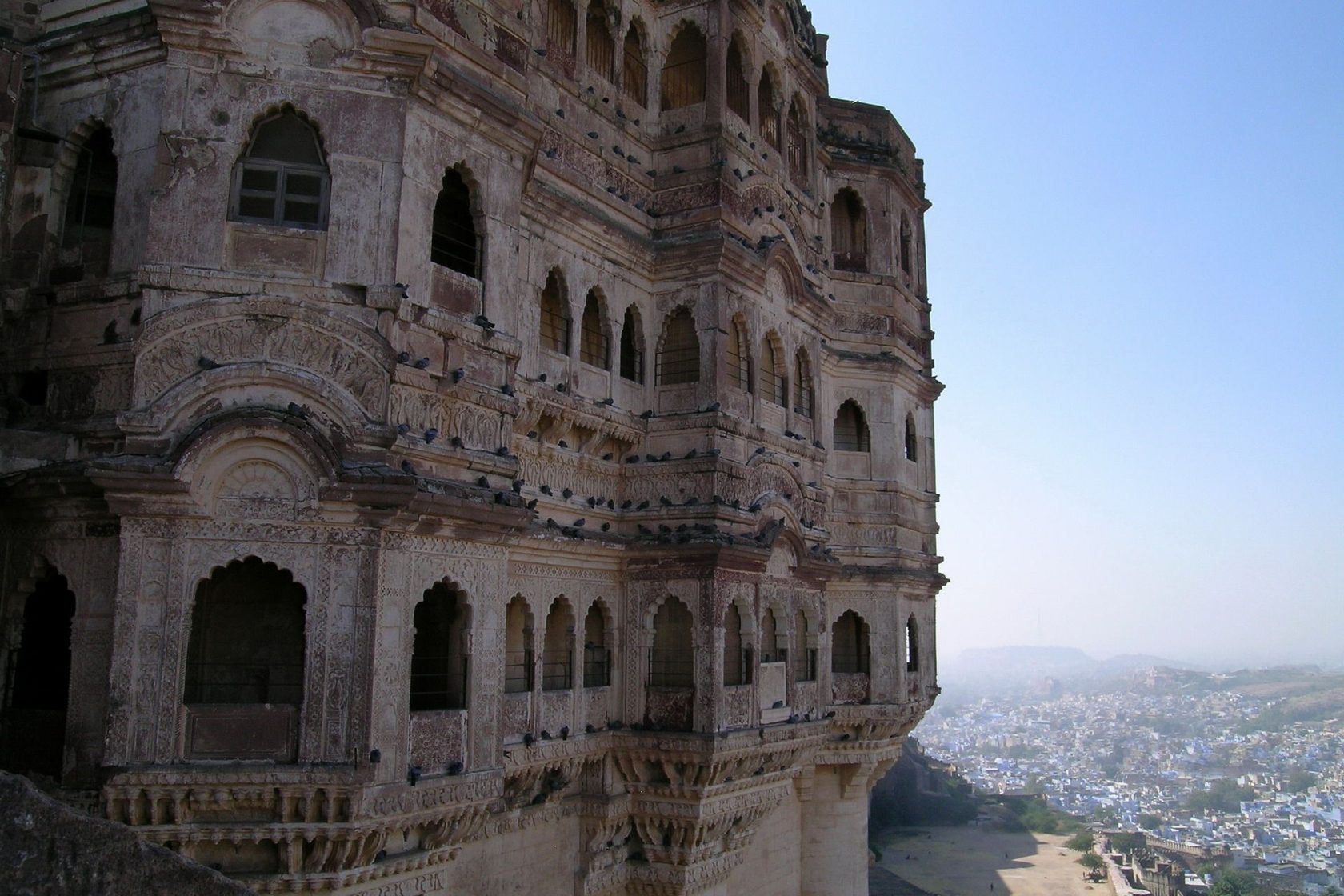
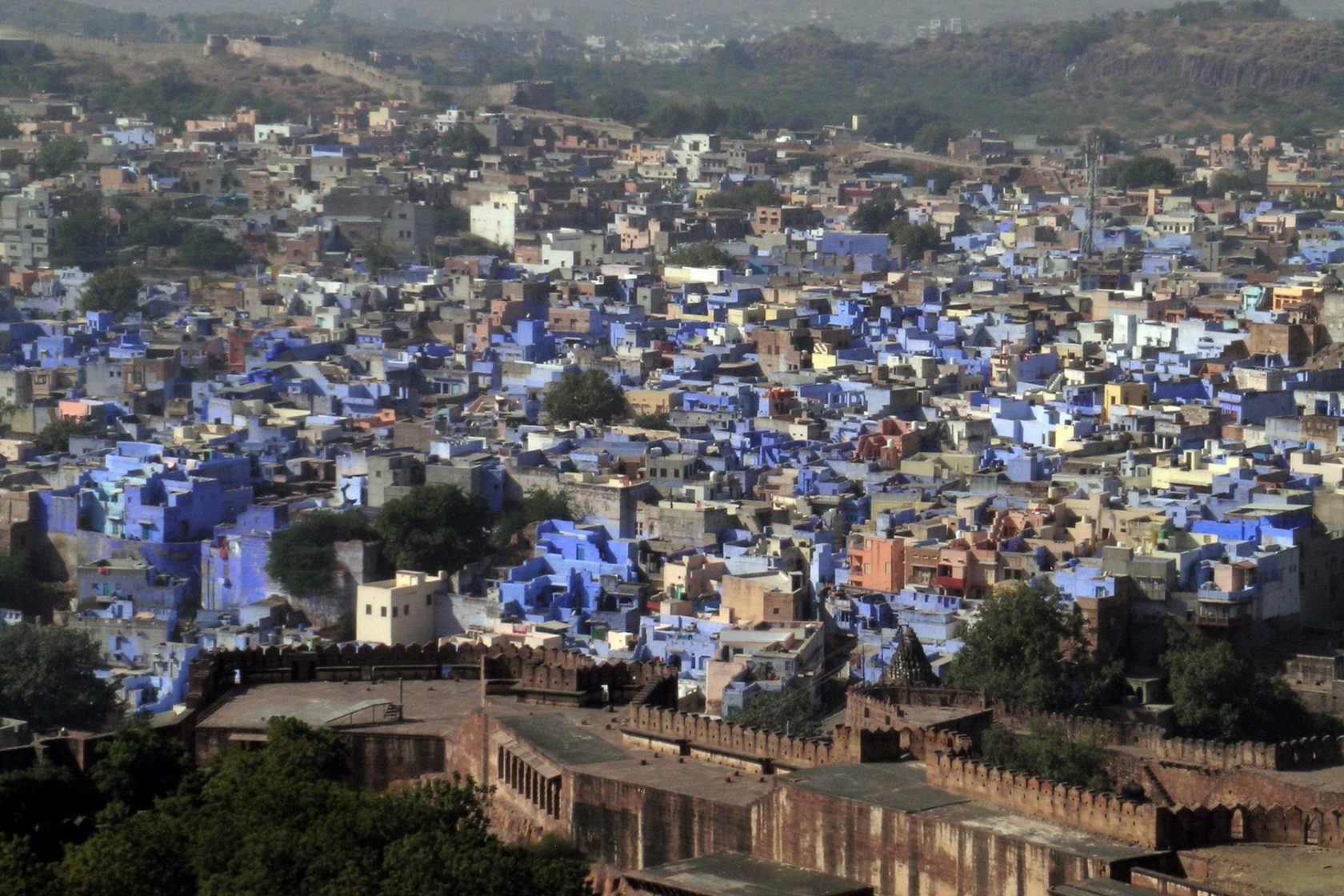
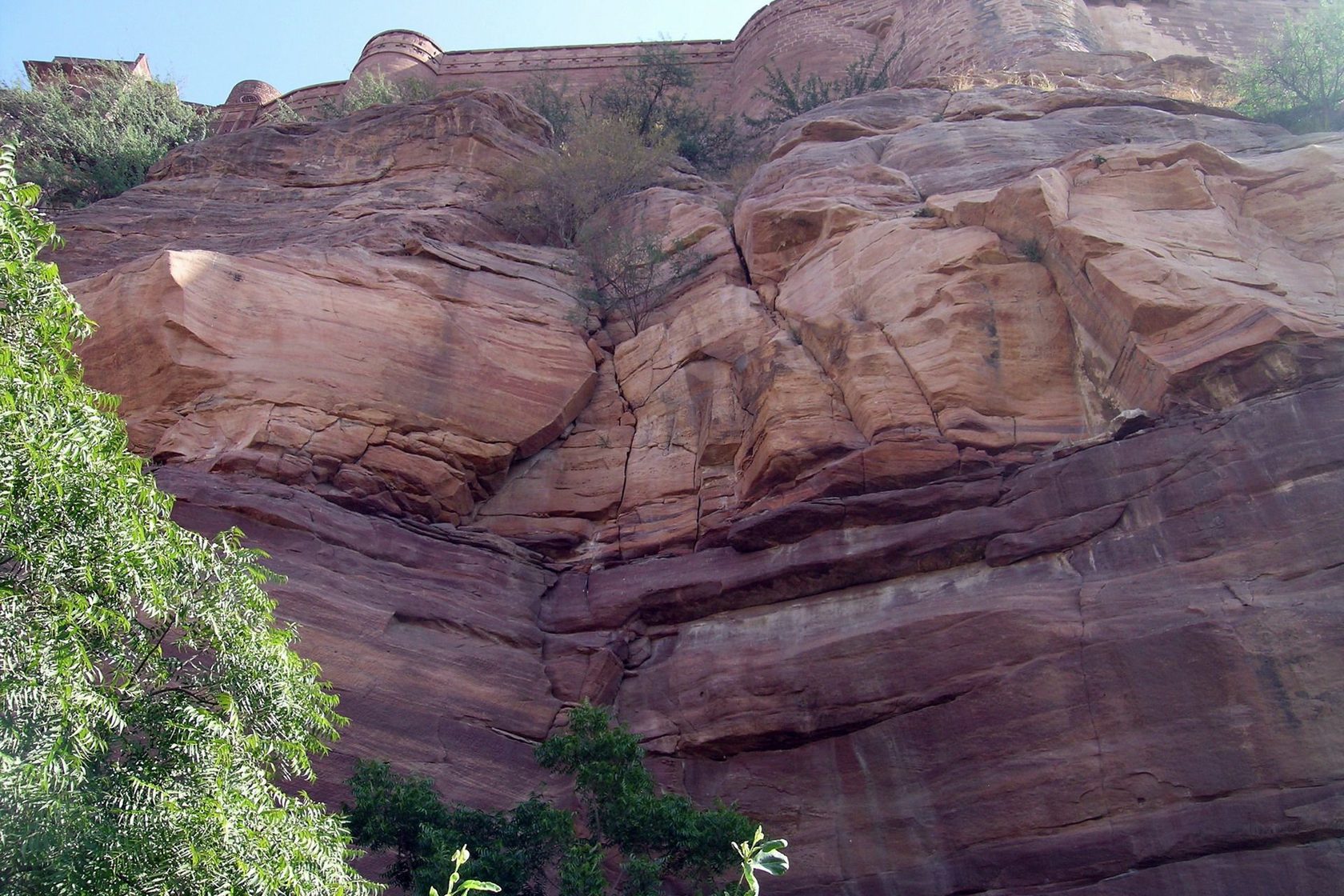
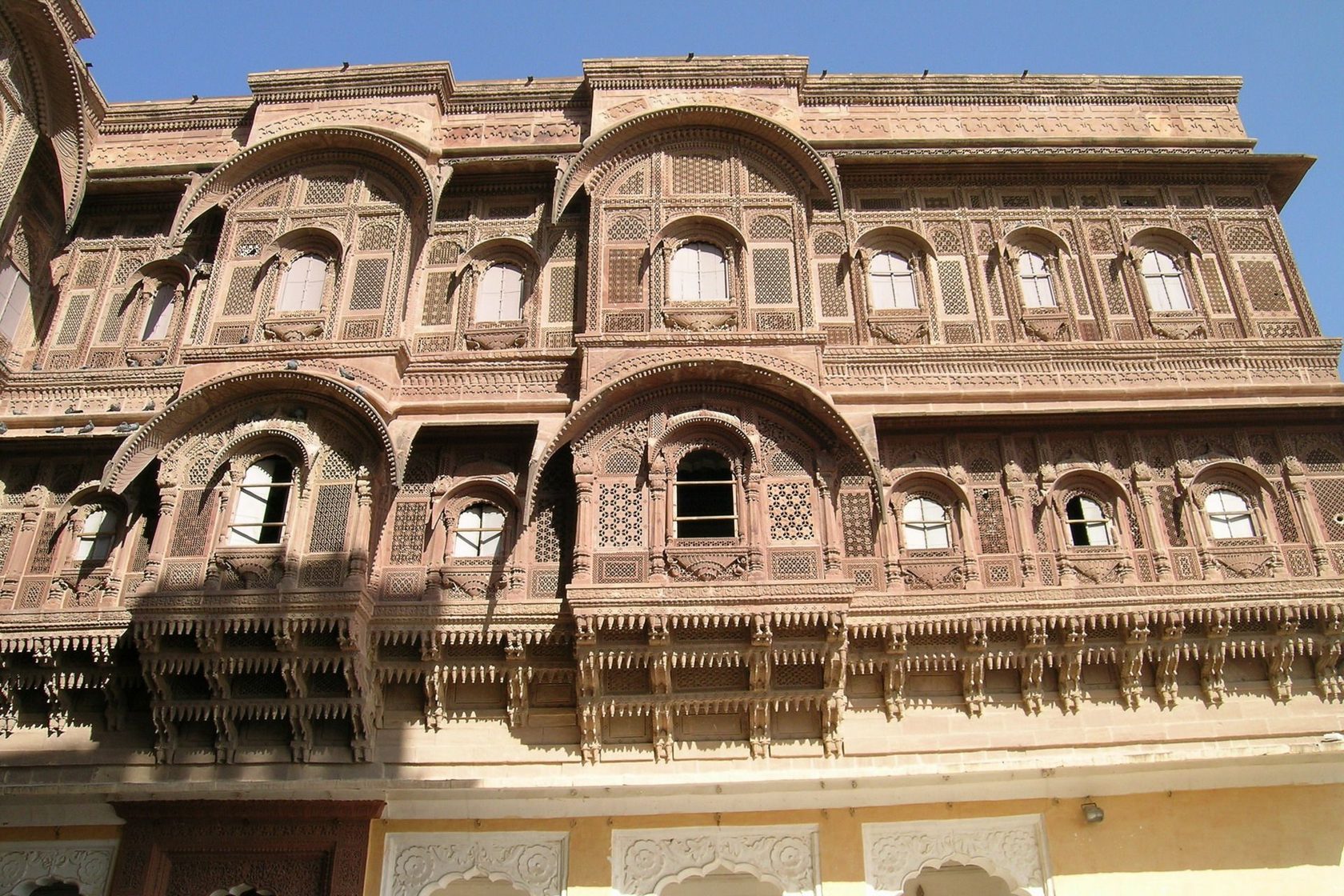
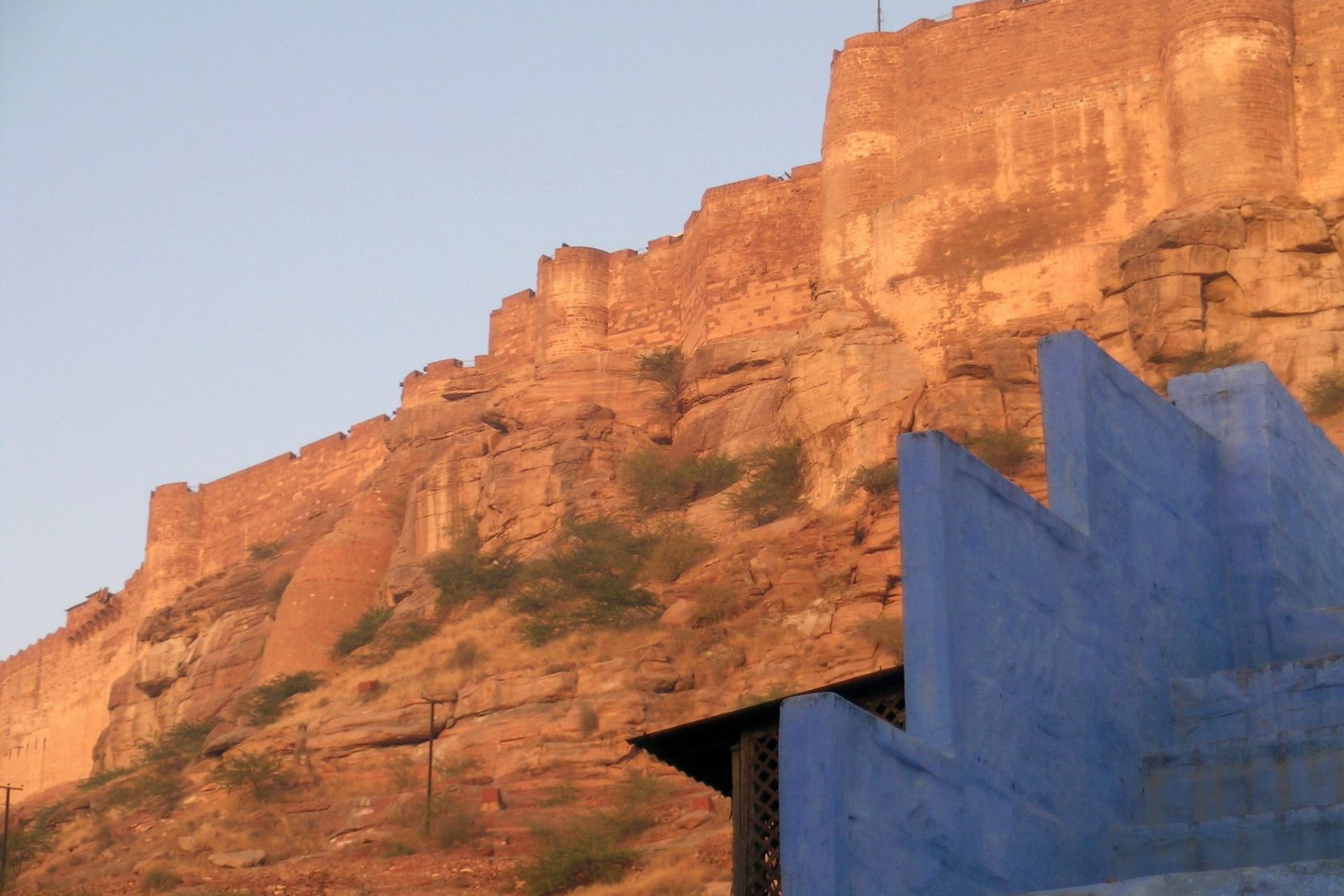
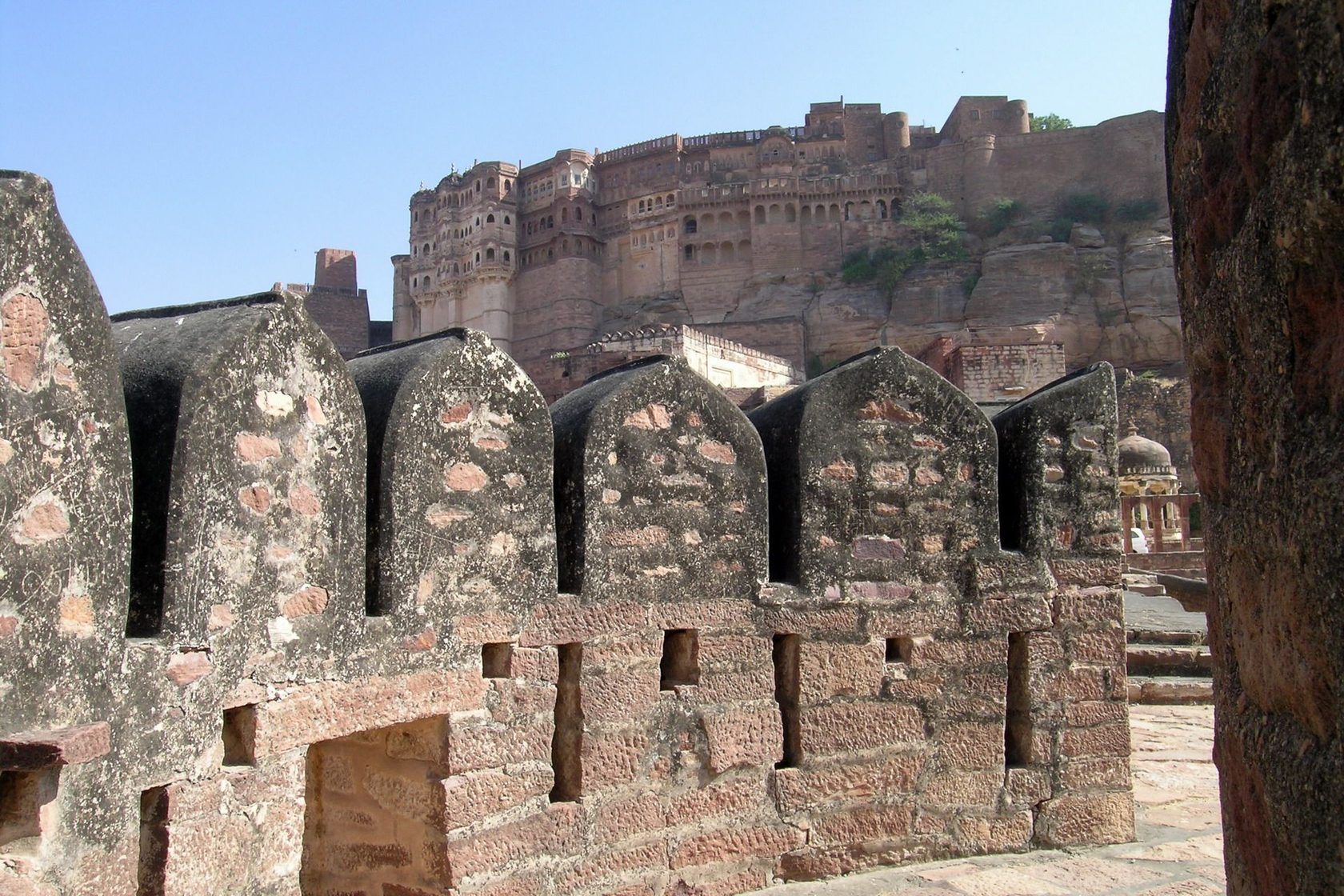
Back to the hotel, top up the oil in the bike, check that everything is in place, tomorrow I have to do 275 km. Prepare the bags, and then organize my New Year's Eve. A moment of embarrassment at what time celebrating (not the what, when)? The decision is made more difficult by the strange Indian zone: +4.5 hours. Then I look at the clock, do the math and decide that I would be celebrating the New Year on the spindle of Taipei.
Why Taipei?
Some strange bond with quell'esotico place? The similarity of the name?
No.
Simply because there is midnight NOW and I'm hungry and sleep and tomorrow I plan to leave early to Jaisalmer.
The champagne is perfect: running water in the desert is ice cold, and I had put the bottle to soak for three hours.
Then to bed, lulled by the bubbles: tomorrow we leave for the deep desert ...
Happy New Year to everyone.
7) Jodhpur - Jaisalmer 275 km 5 ore
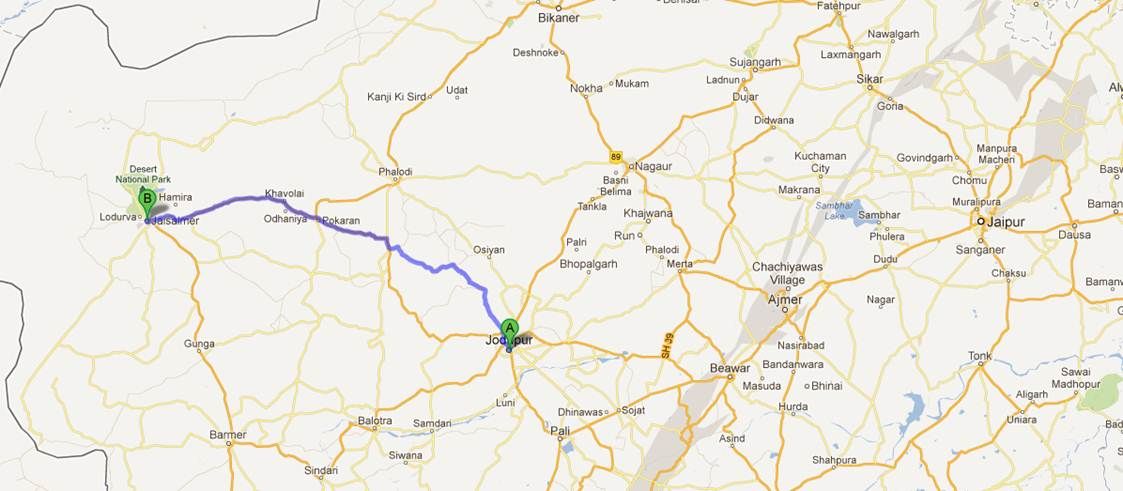
I wake up in a hotel full of people sleeping on the couches. Look at me funny, as if to say: "But how much you shake this early in the morning, is the first of the year." But they do it so good-natured. This thing of traveling alone on a Bullet makes me nice to everyone. Load the bike and put myself in the way. The road deteriorates slightly, but continue to travel "faster." Everything becomes more and more flat. And more yellow. Meeting of camels (ie, they would be but all of them call camels camels, and then I bend to the common saying ...).
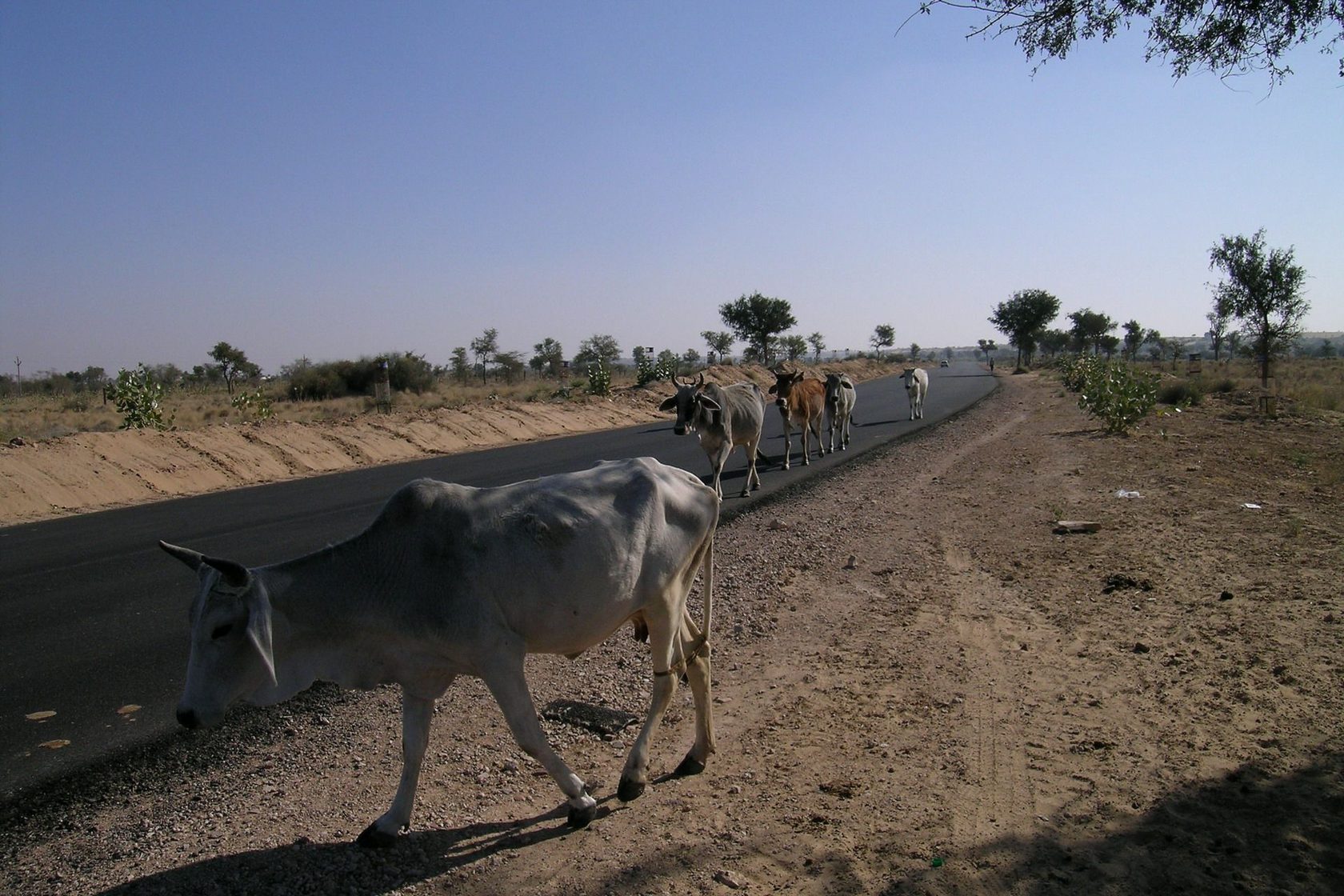
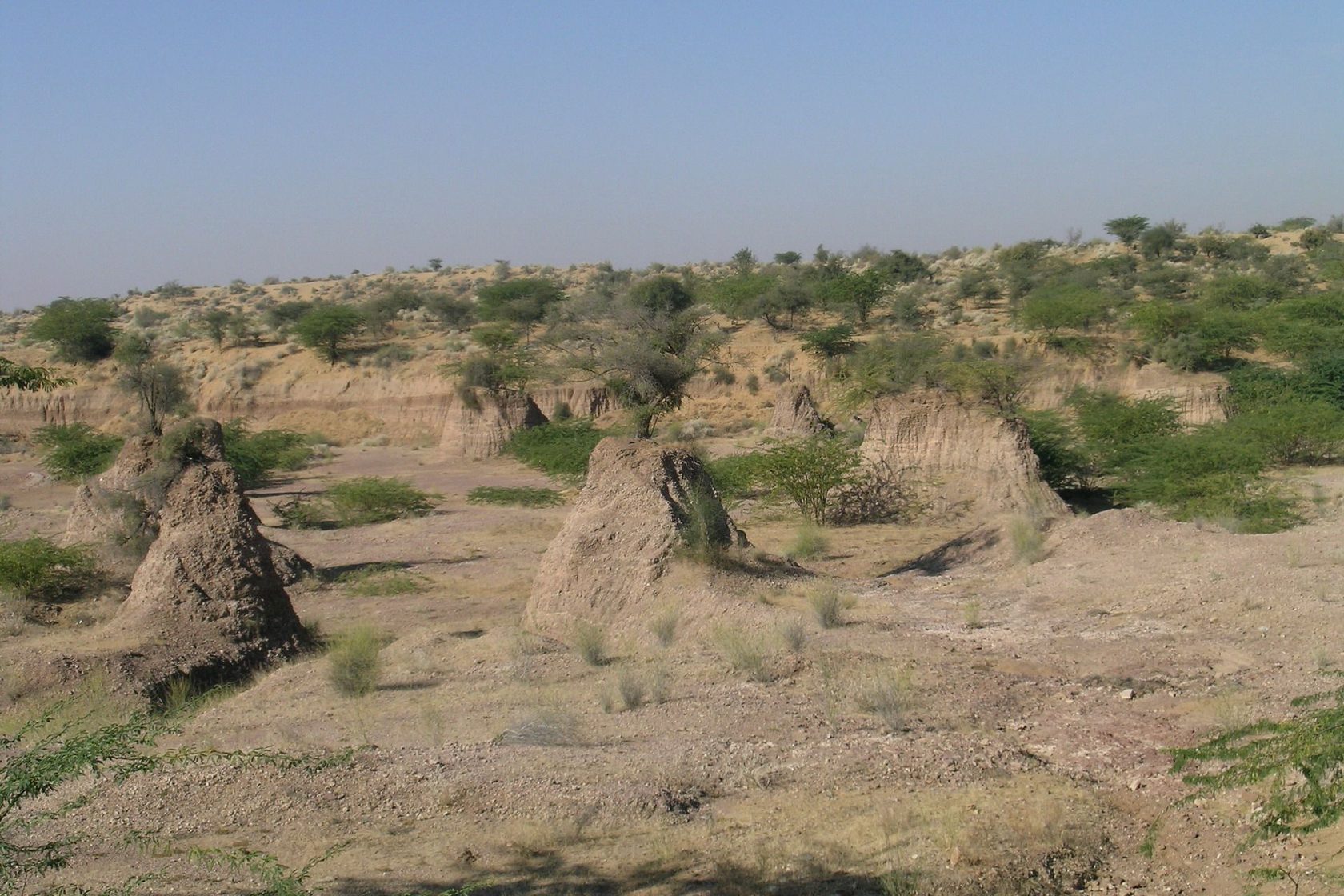
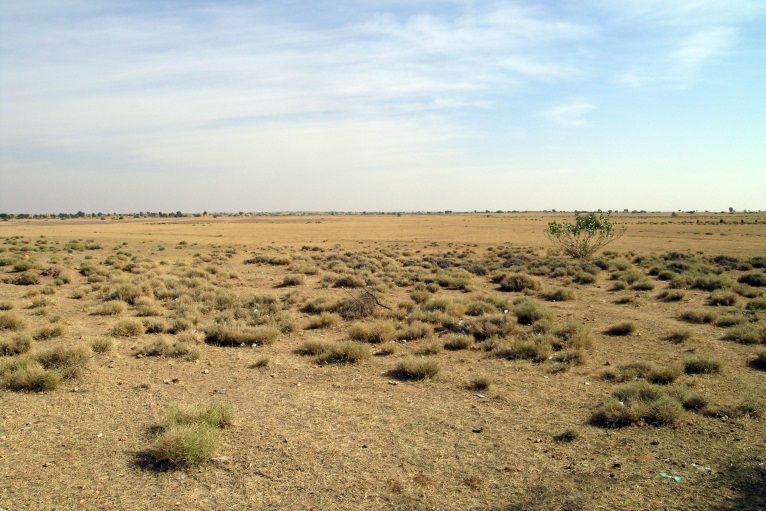
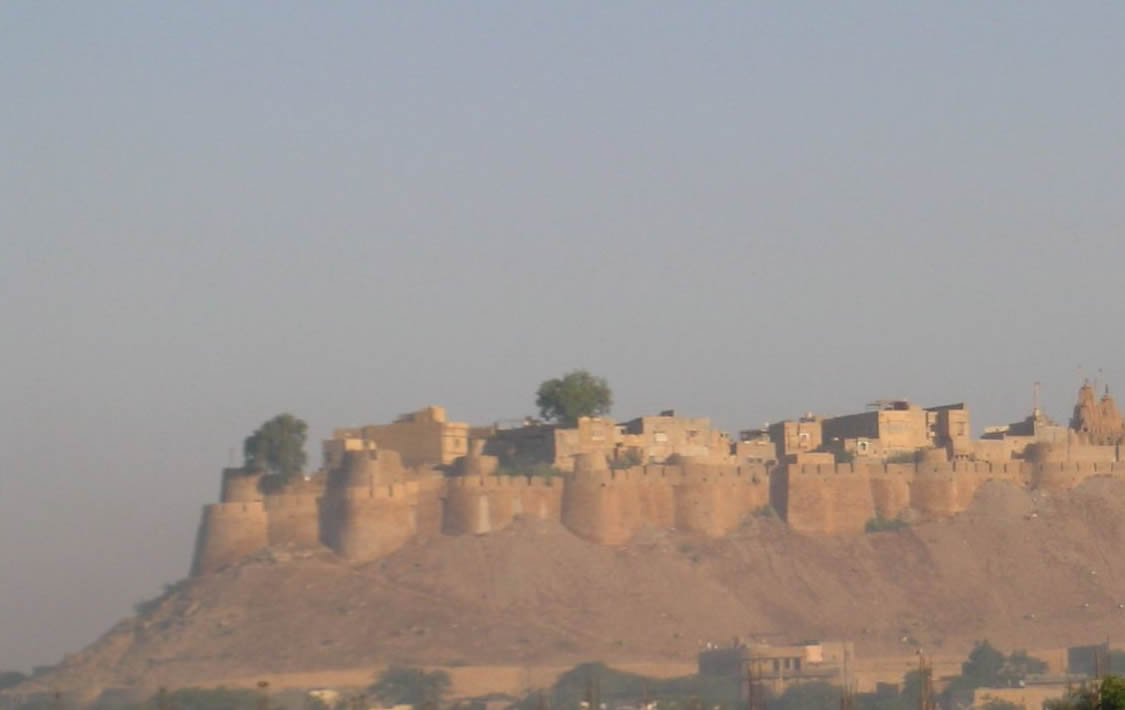
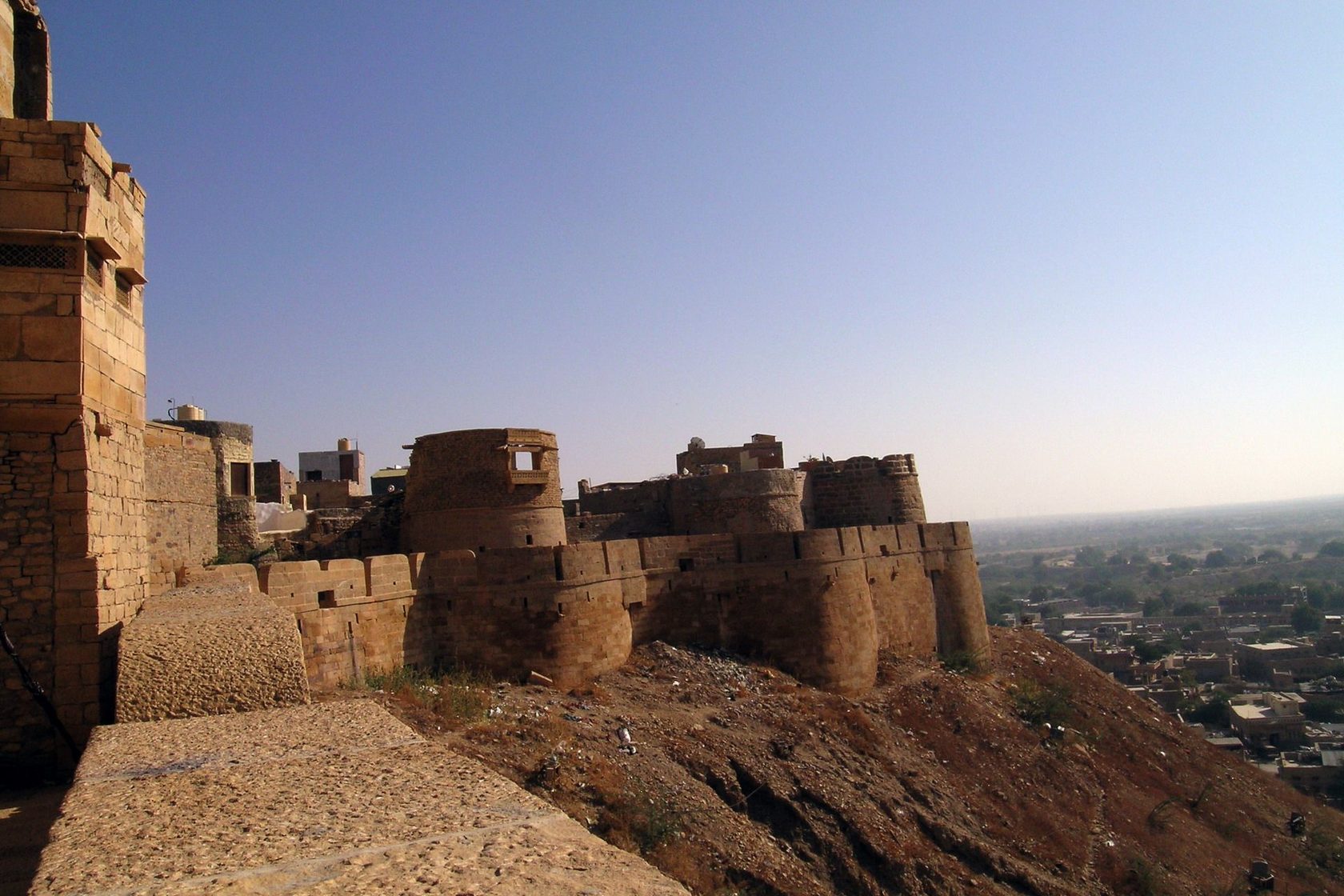
Again push the eye out along the asphalt yellow. Seeking the fort of Jaisalmer, but are still too far away. I'm going up, I'm slowly disposing of champagne last night. I often stop to rest and eat a biscuit. The sun is now high but the air continues to be cold. Finally I see something. But the browser takes me away from the fort, I had chosen a hotel "comfortable" to rest and write, slightly out of reach. Again, a sand road and I arrived. I put a stone under the side stand, otherwise the bike on the sand falls. I'm tired, I enter the room, I take a shower and lie down on the bed. But the idea of strong wakes me. I go out, I make a brief tour exploratory tour around the fort, taking pictures. Then back to the hotel, have dinner early and pass out on the bed.
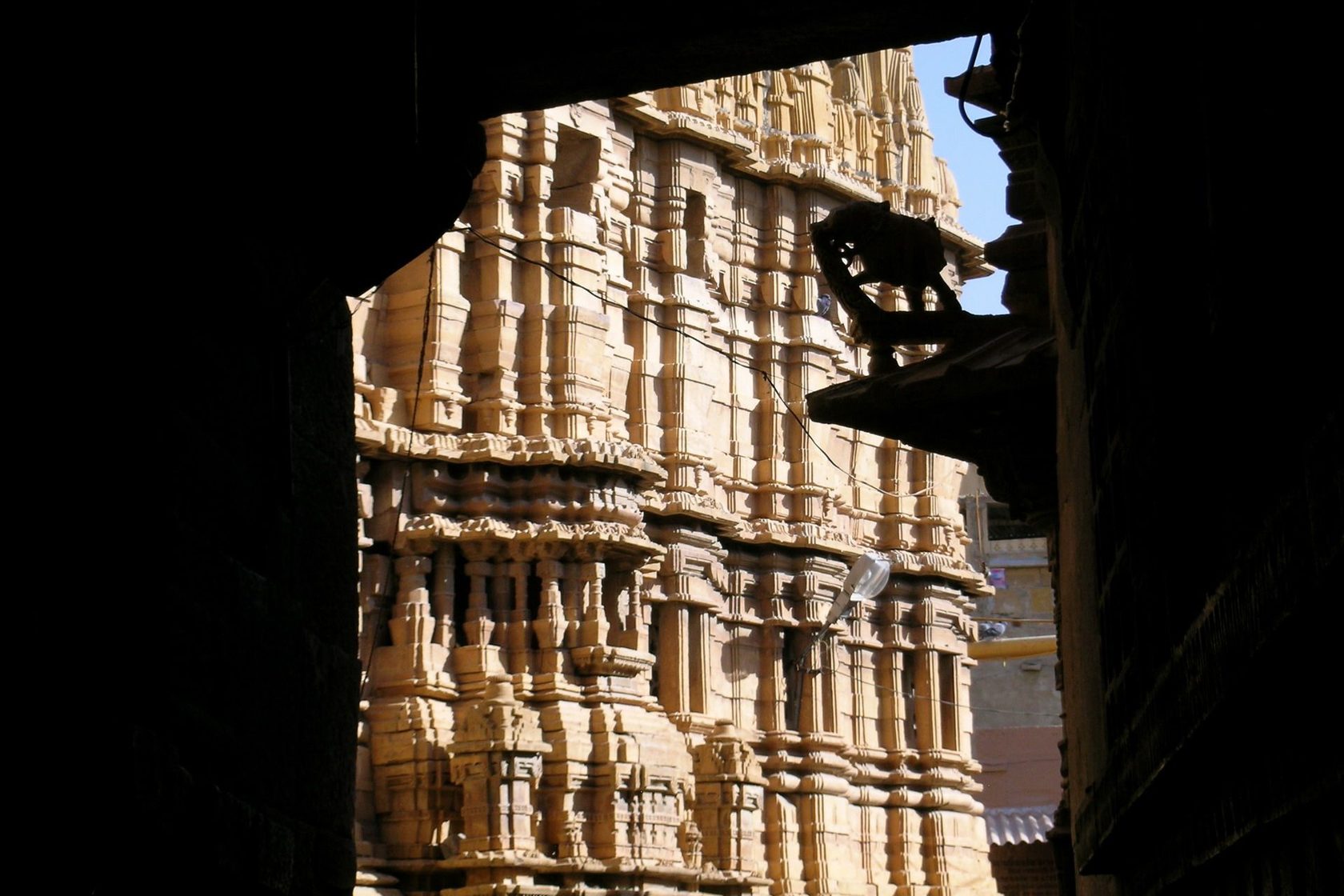
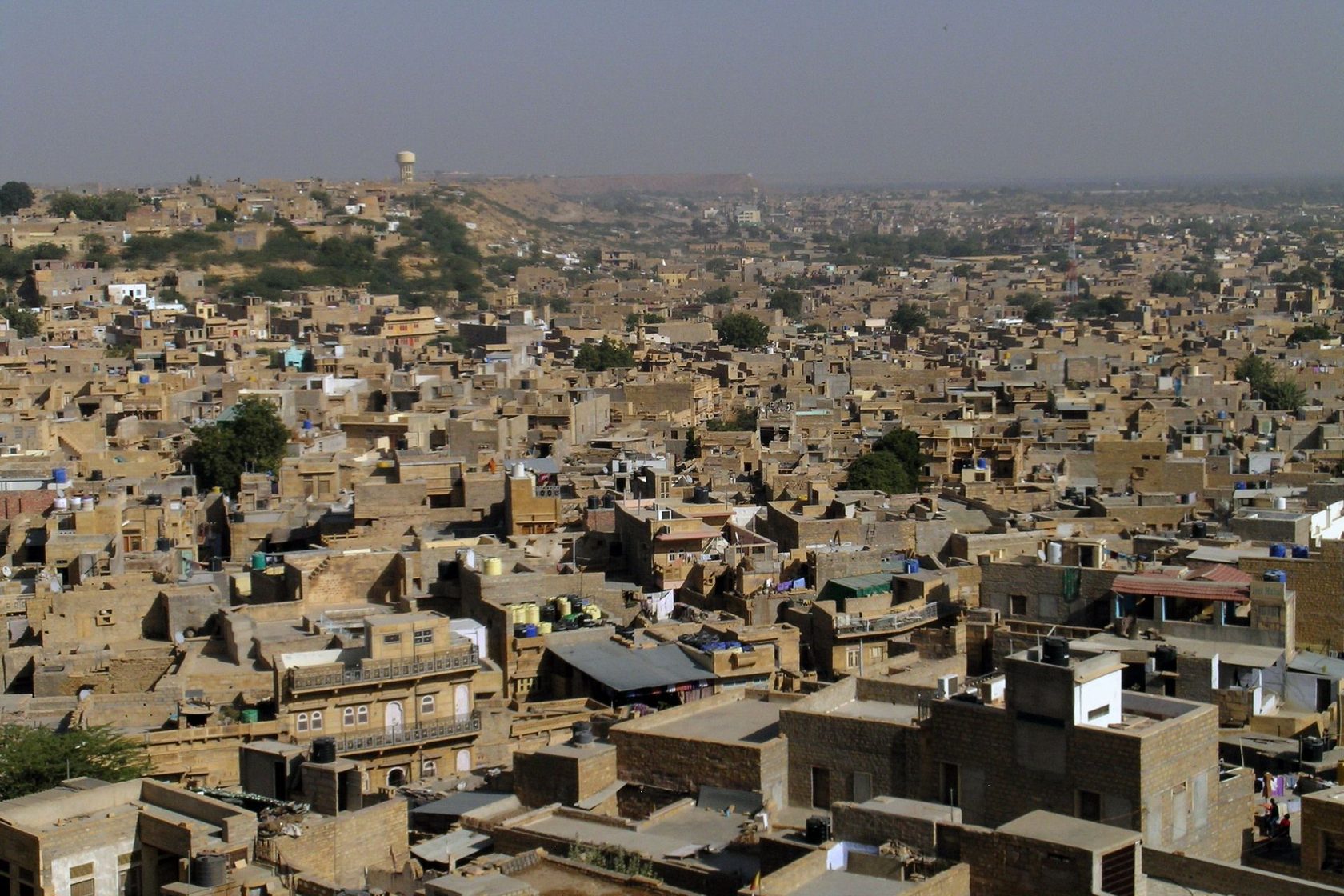
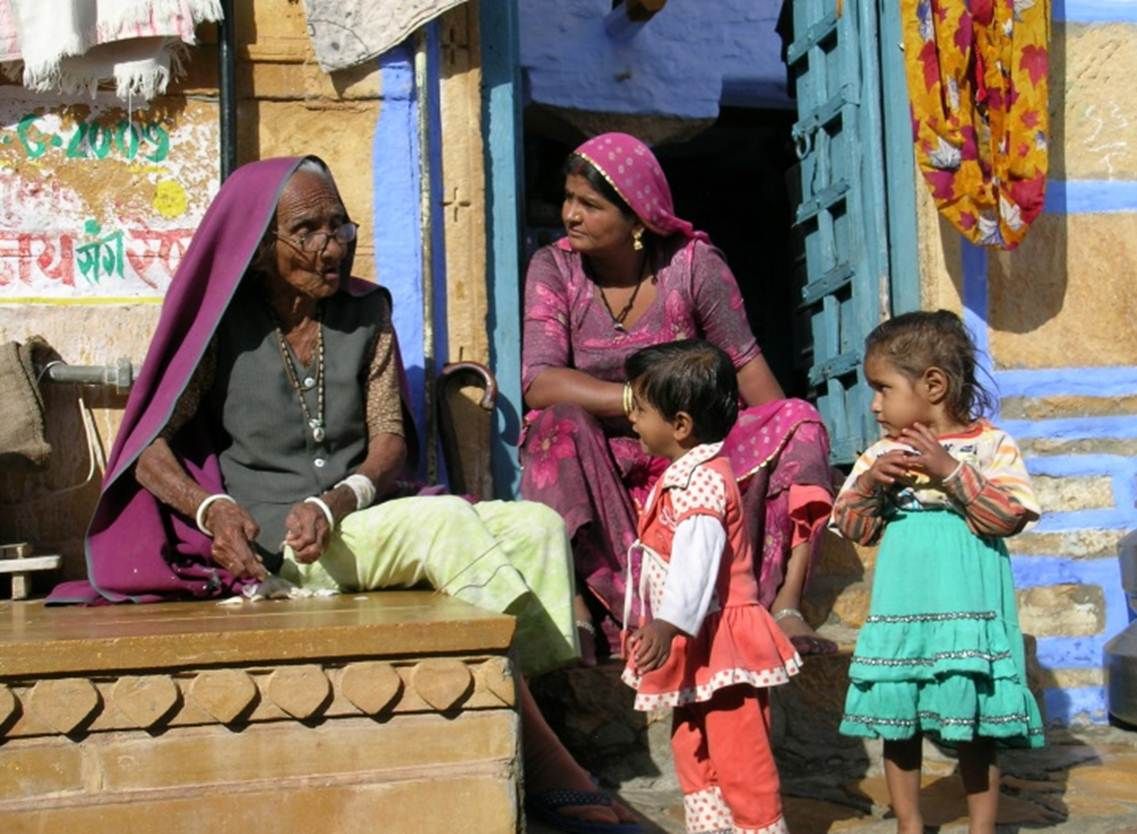
The next morning I get up early, I take the bike, within the fort. And I discover that it is inhabited! An old town enclosed by walls. Again I spend hours looking around breathlessly. Below, the unfortified, a series of low houses, yellow. It seems to be in Africa, in Morocco. Tour through the houses, the people and the animals that live there. I stop to drink a cup of tea with the sun in your face. Again I find myself thinking. But not to meditate. In the end they are always an engineer ...
Then go down to the hotel, I want to plan well the last stages, the clock is ticking, and I'm very far from Delhi. I'm beginning to think the plane that will take me back to Italy. Exchange thoughts. I climb on the roof watching the strong light. Then prepare the bags and go to sleep. Tomorrow the last stage in the desert, Bikaner, on the borders of the great desert of northern Rajasthan.
8) Jaisalmer - Bikaner 330 km 5 ore
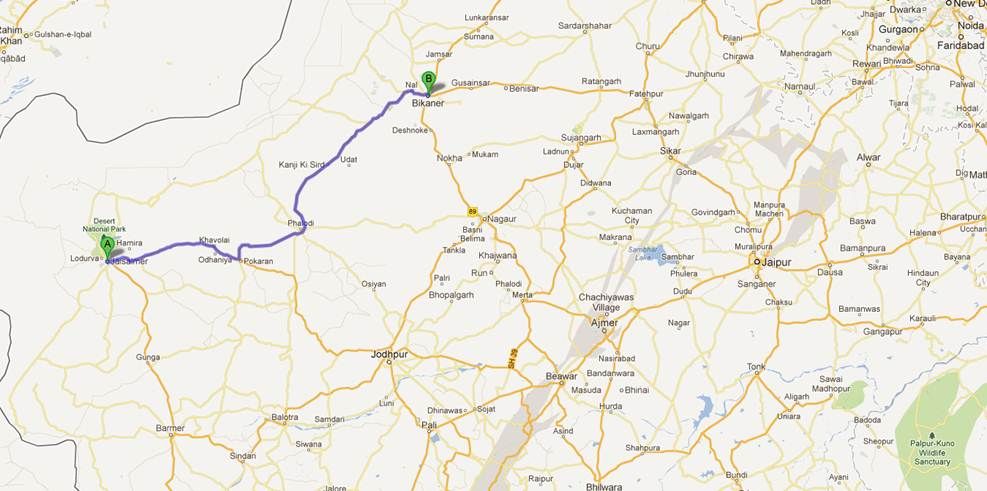
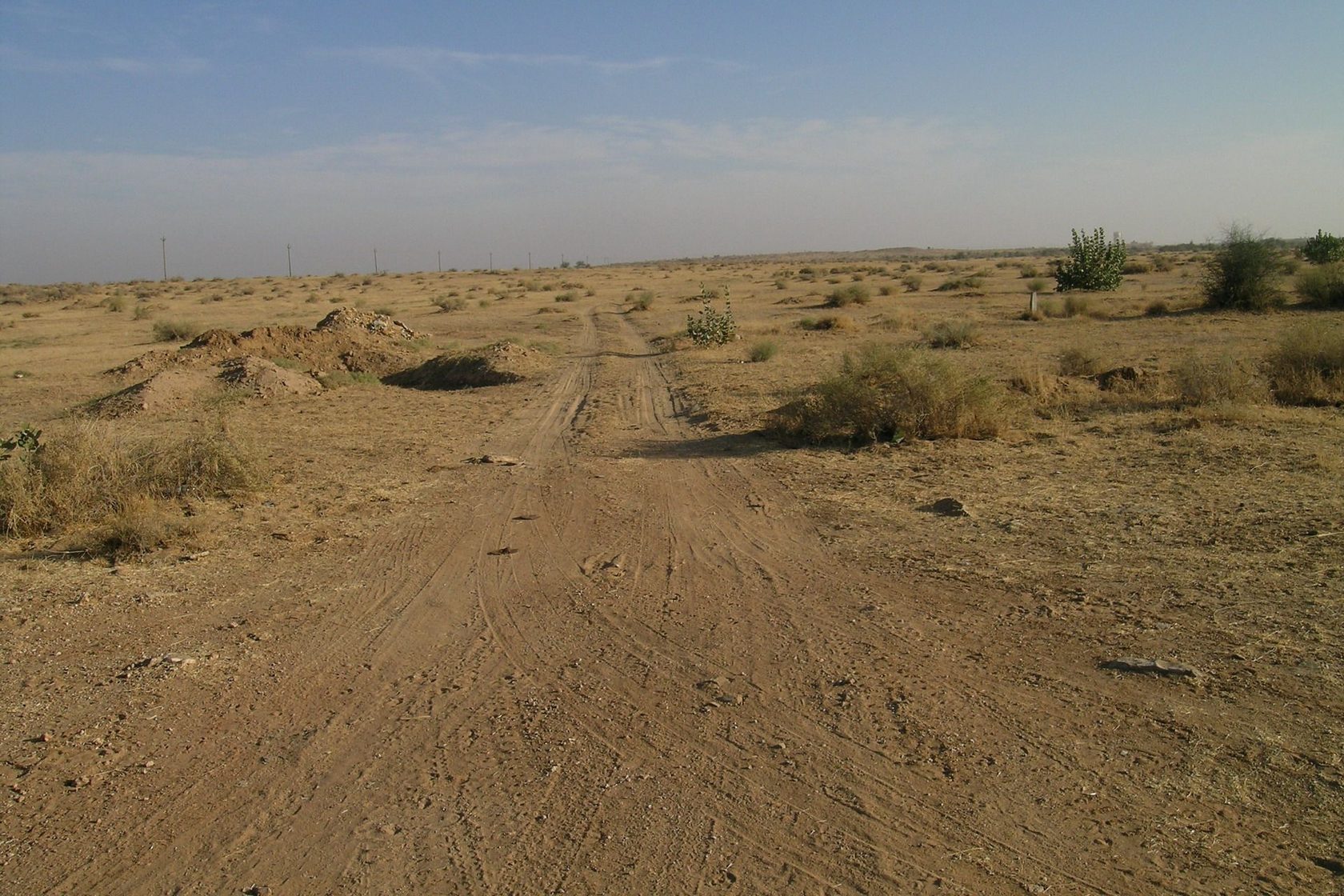
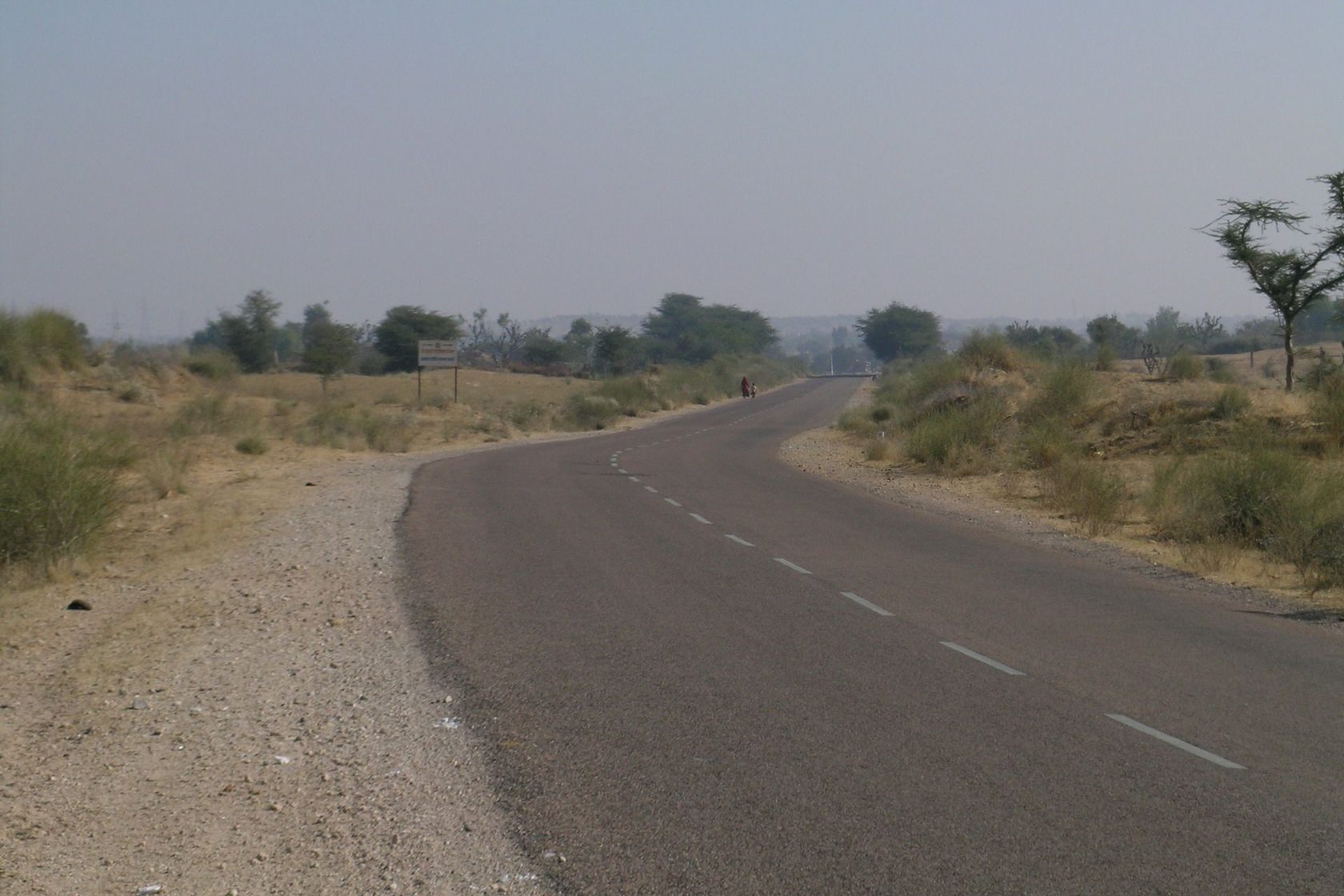
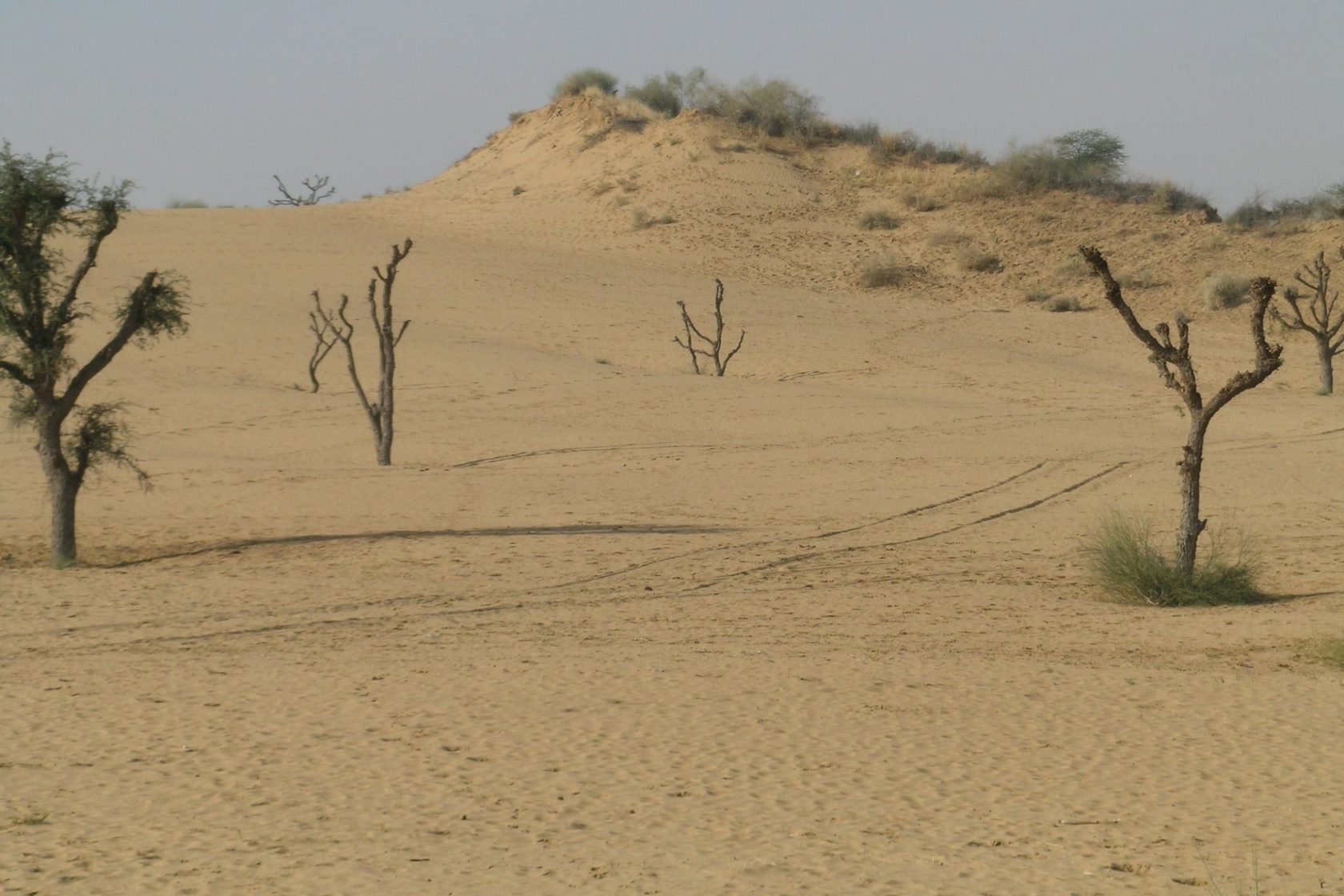
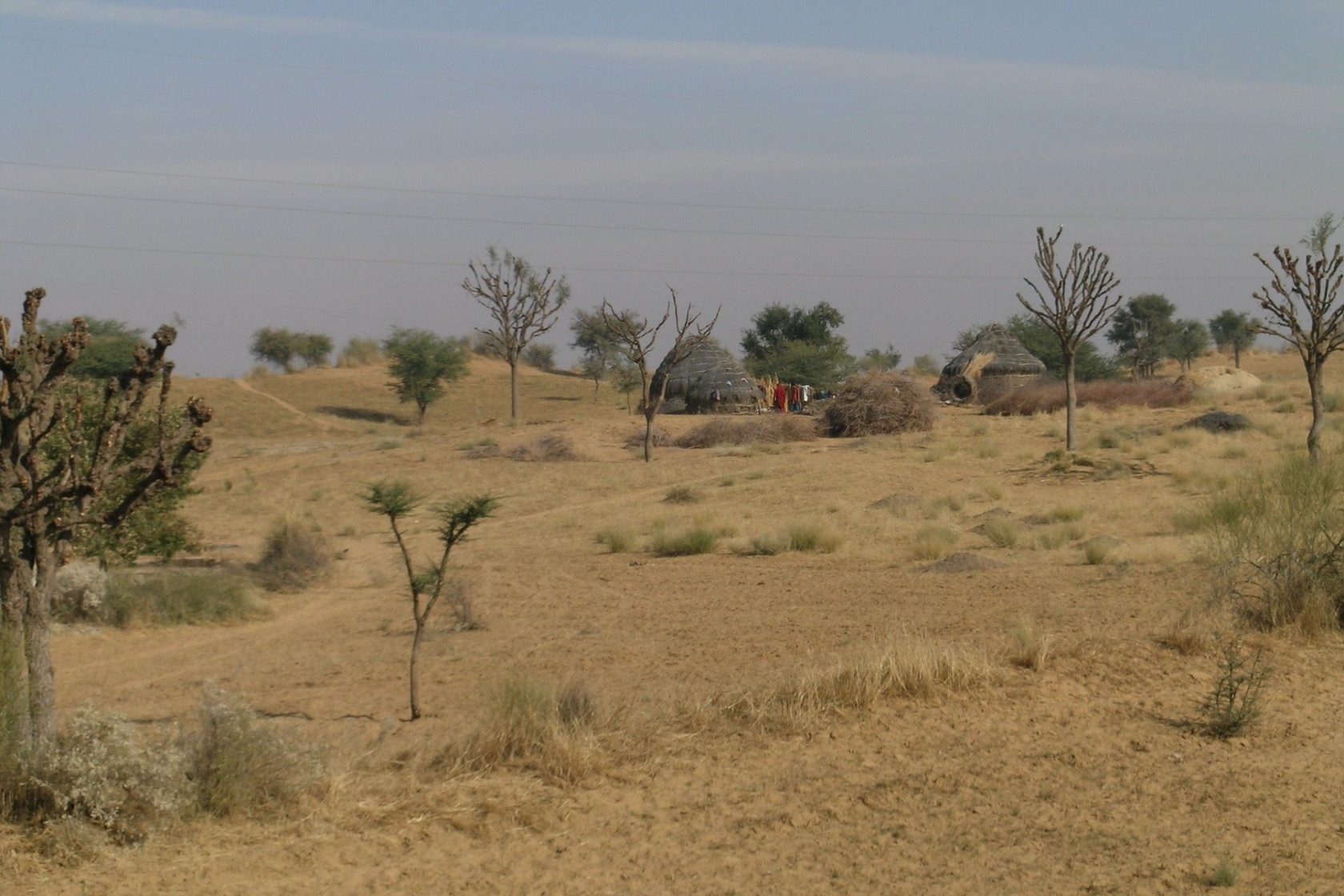
I'm leaving early in the morning. Now I understand, asking about the quality of the road is useless. Better to be generous with the times. It's cold but the air is clear. Other camels / dromedaries. Then the asphalt changes color. Appear in shades of pink that will follow me all the way. The road continues to be good, the average travel remains high (65 km / h). The landscape is more and more desolate, but we can guess a hectic work. Bikaner lies on the edge of the great desert to the north of Rajasthan and was a stop on the border of the caravans that moved on the ancient "Silk Road" linking Central Asia and northern India. I guess to push through the dunes. Even with a trip disposable one day camel sleeping in the desert. Still do not know that a simple but robust intestinal problem stop me realize my goal. The next time I organize a trip to the desert with the bike: I see the dunes, man!
Travel without stopping in this crowded desert.
Yes, crowded.
The few stops, a few minutes, made me discover this. I stop (physiological reasons, thirst, hunger, numb ass) to a place in the middle of nowhere. Invariably, after a while, someone comes out.
Walking. Where you from?
But, most importantly, where are you?
There is nothing visible for tens of miles ...
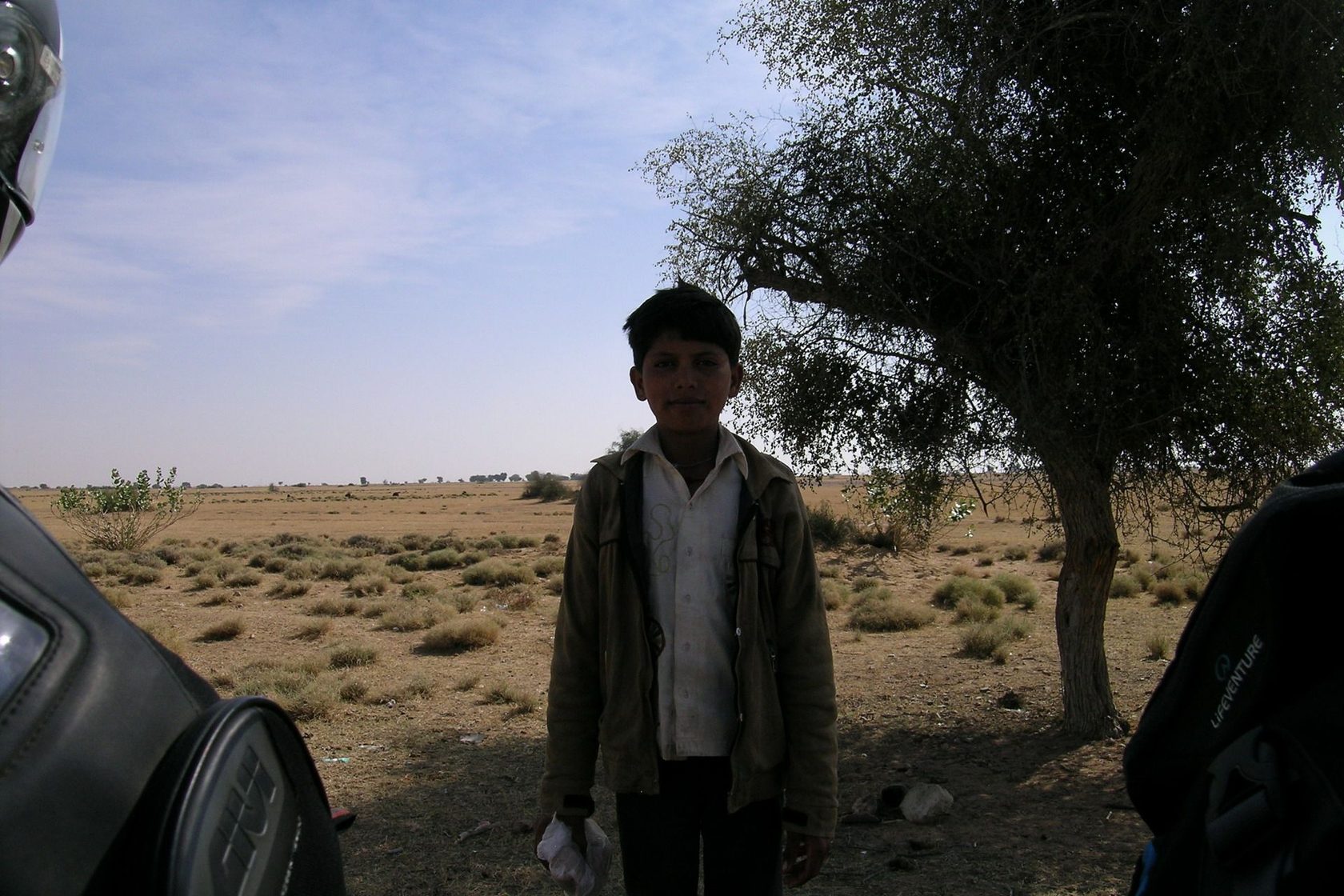
Or children. The bike, but especially my spacesuit, will inevitably attract them. Appear out of nowhere, I will confront and look at me. They can not put into words their request. I do not even know what they actually want. Perhaps only externalize amazement.
What we encounter in this stage is thrilled, his eyes fixed on my jacket, indicating the time and stares. I make him touch the protections on the elbows. Shells even more eyes.
I share with him the cookies that represent my room, he tries to refuse but then eats them with gusto. We drink water (he notes that drink not attach to the bottle. It does the same), and I leave the bag with cookies advanced.
I ask him where his house.
Indicates a place that does not exist.
See the camera, wants to be photographed. Then I greet him and run away. More sad than before. Then the road rose distracts me again.
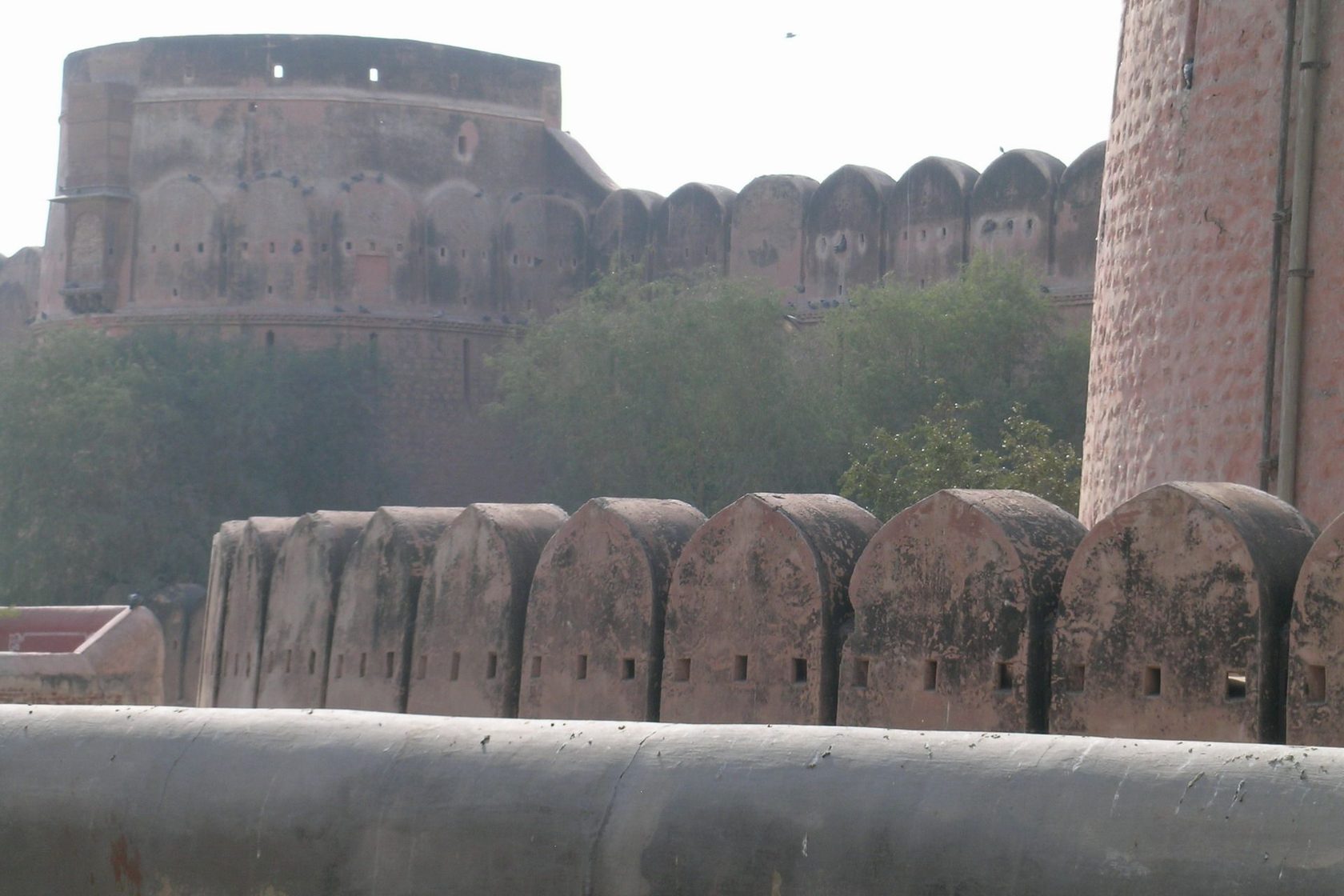
Bikaner also has a strong, but it is low, you can not see from far away.
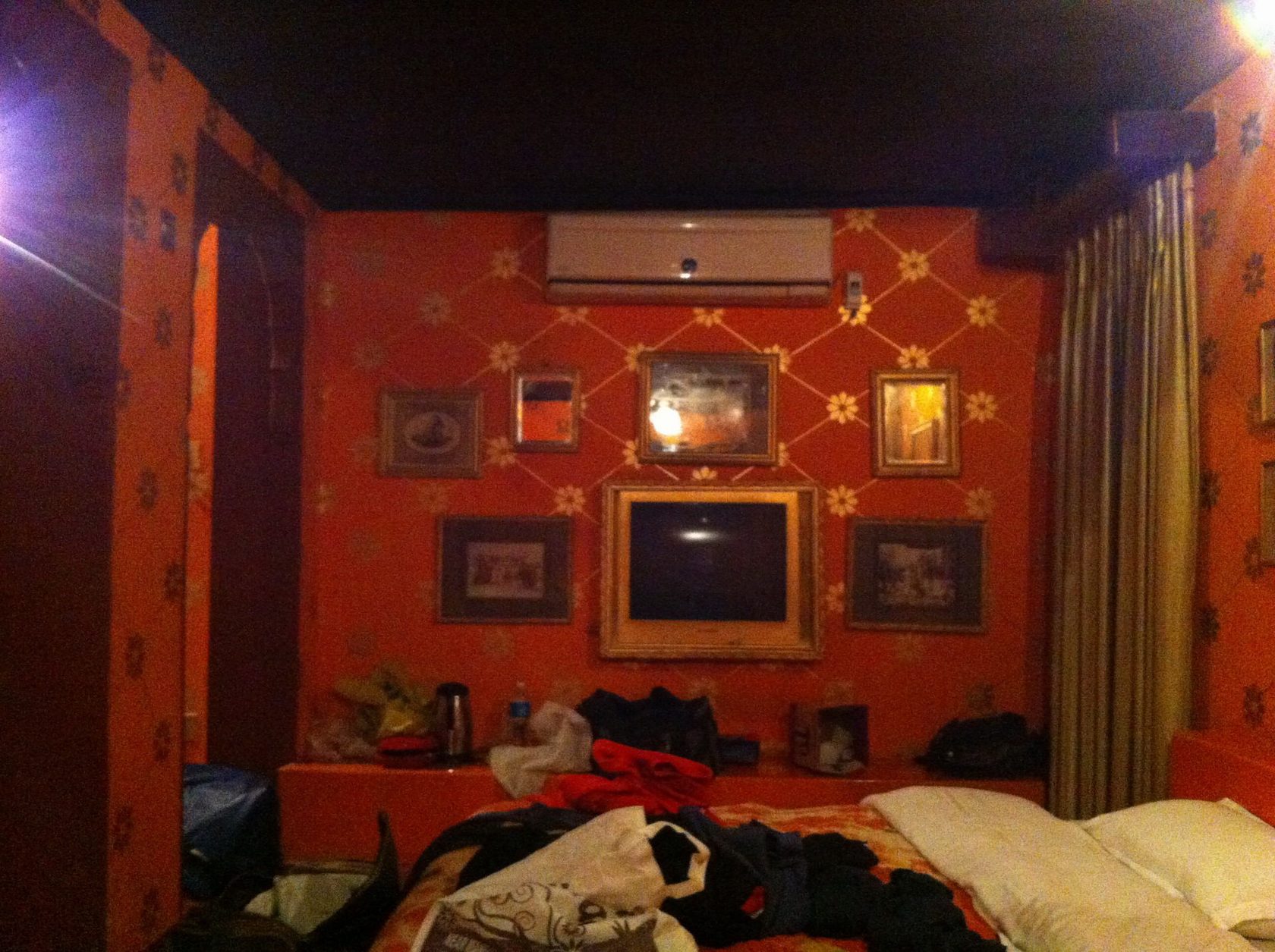
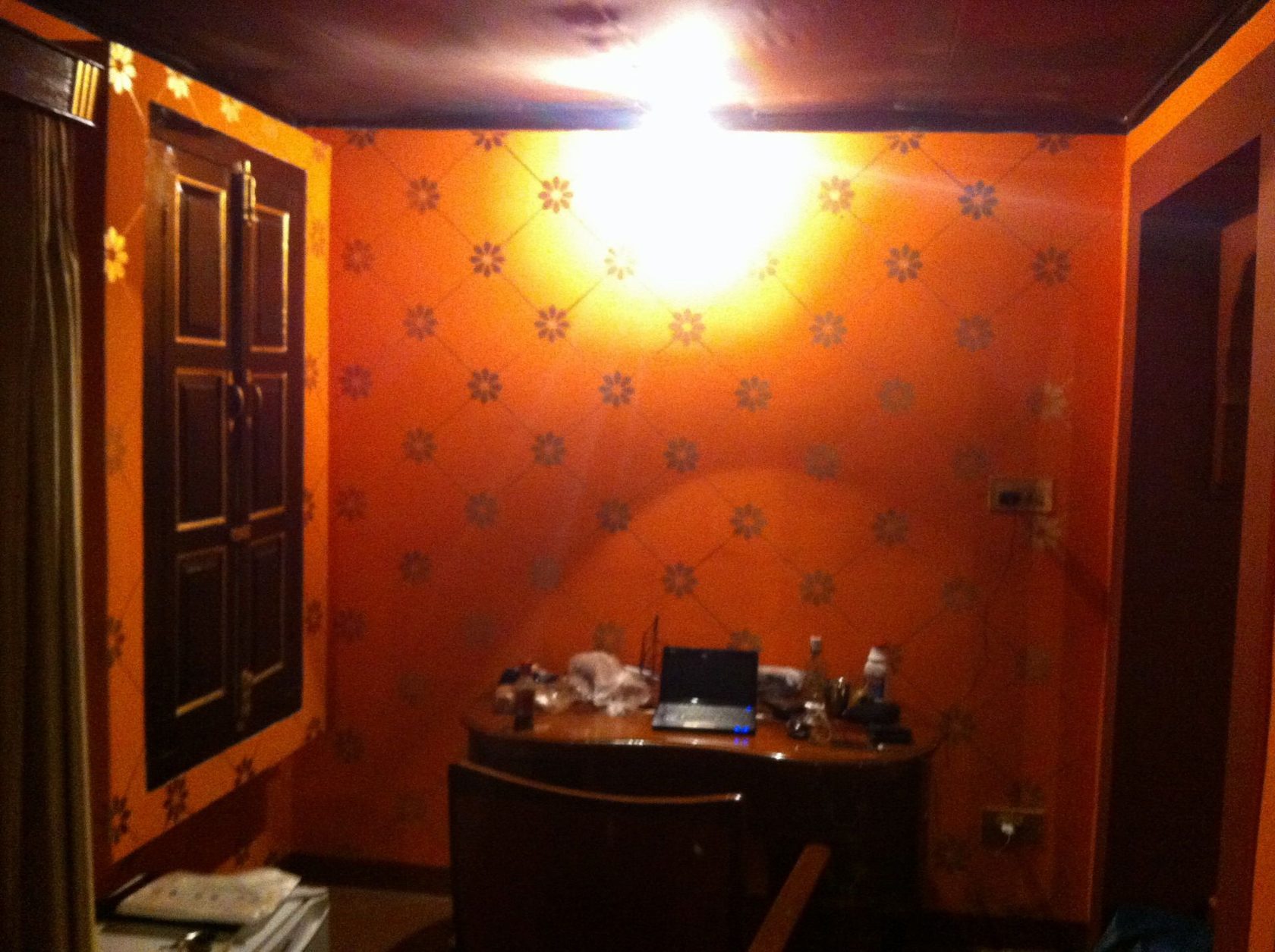
I'm beginning to get tired. The trip begins to be felt, are running for two weeks. In Bikaner, to rest, I had chosen a strange hotel, a suite for almost 40 € per night! The owner has decorated the hotel with family heirlooms, photos, furniture. Lots of fun. In short I appropriate at all. But I do not feel great, I stay at the hotel to write and rest. I'll go around tomorrow.
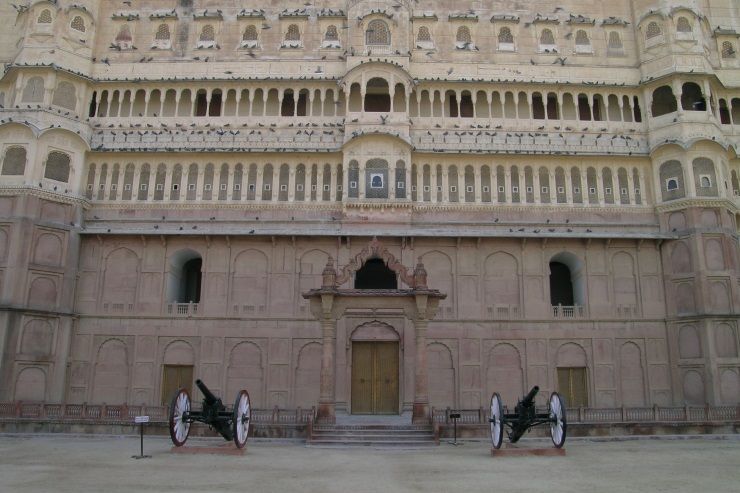
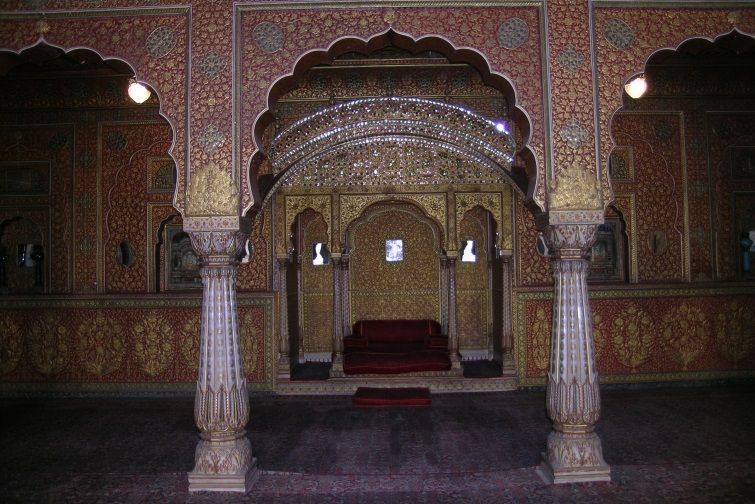
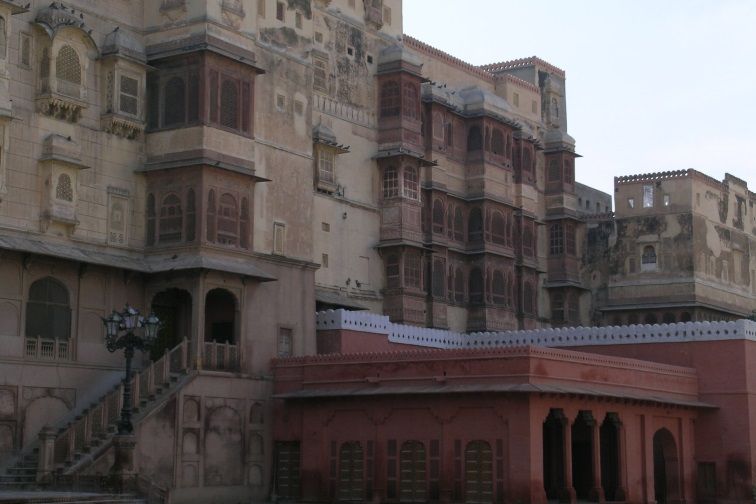
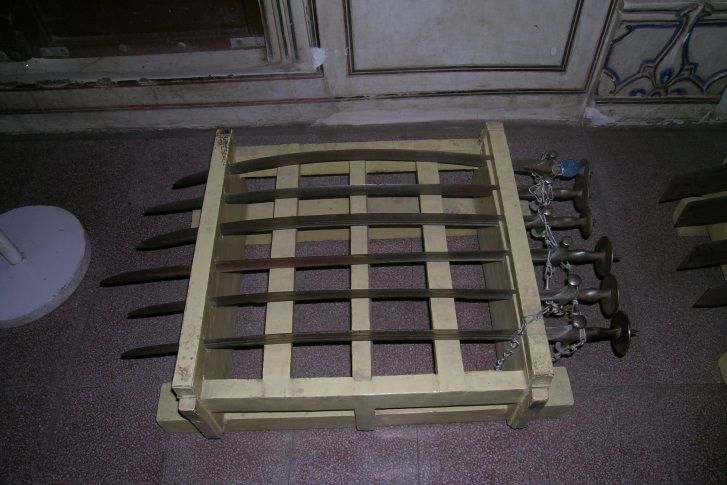
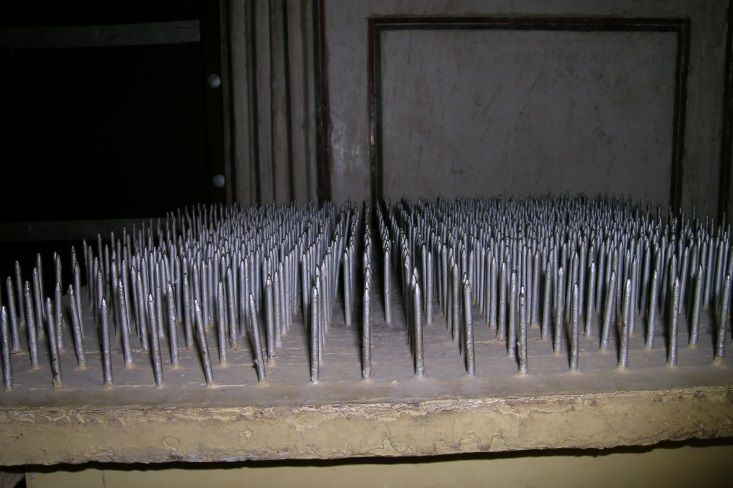
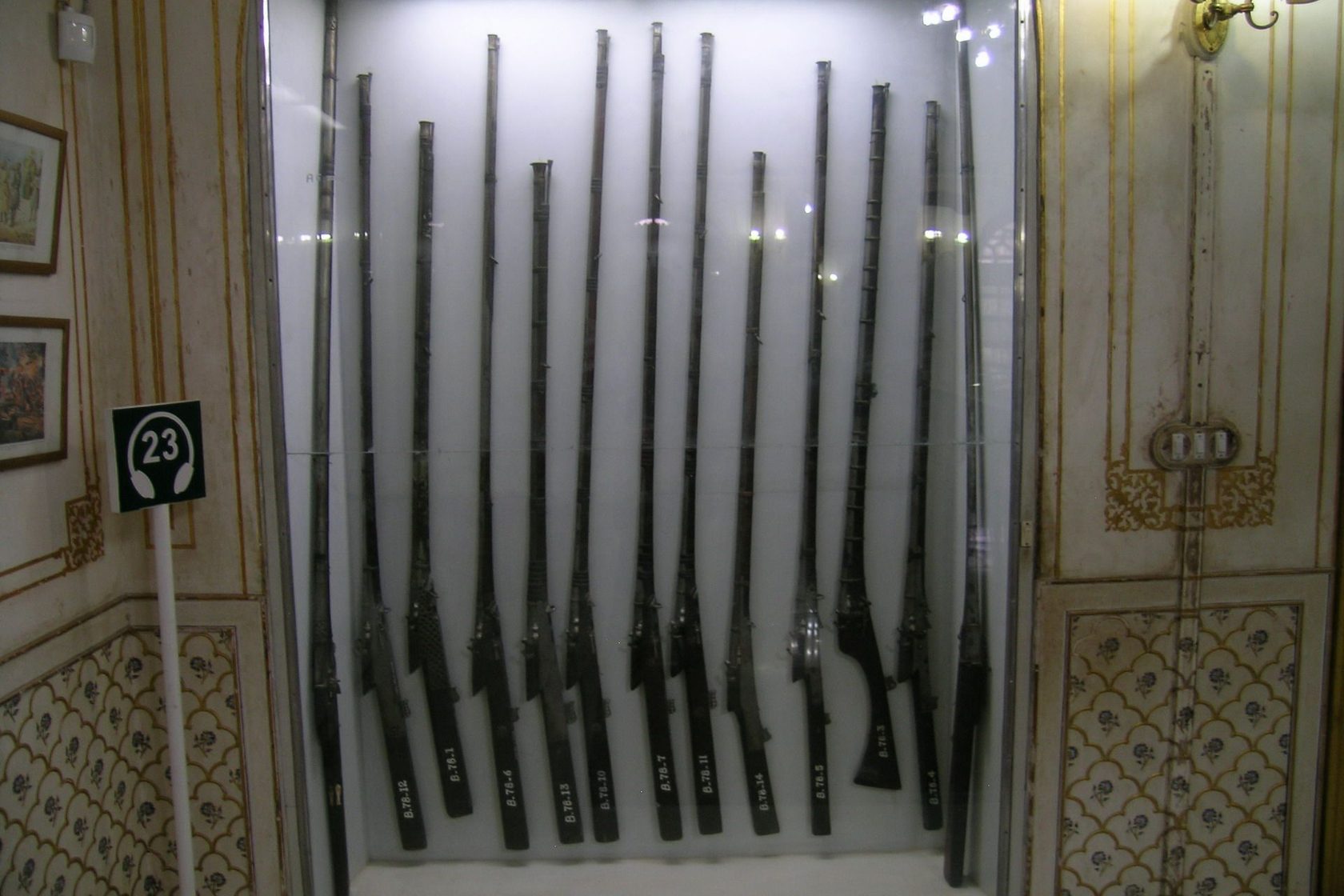
The next morning I venture to Bikaner. The place is busy, it still gives the idea of a frontier town. I visit the fort. Rosa. A lovely museum with weapons and instruments of torture of all kinds. I try to imagine the fighting of those times. I still do not feel good. Back to the hotel. I decide to stay one more day. Never was the wisest decision. The next day I'm bad, high fever thermometer measured from my flat LCD. Almost 39. I worry, I am still far from Delhi and the plane that I should bring back to Italy.
Conservative strategy: I wear all the sweaters I have, I shove it all under the covers all day, Bimixin and paracetamol like candy.
The only time I felt truly alone and away from home. Lulled by the ritual prayers of the Muezzin. I wait for the day to decide whether to take antibiotics. I fall asleep around 7 in the evening.
9) Bikaner – Jaipur 340 km 5 ore
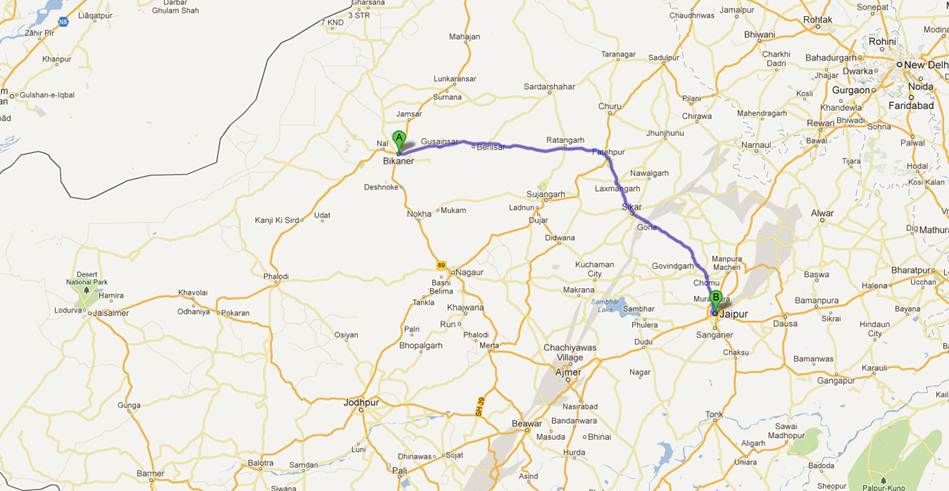
I wake up early in the morning, weak but without fever. I decide to leave. I move slowly, load the bike in installments. I pay the hotel and put in motion the Bullet. At the gas station are forced to turn it off. Not again. Two attempts and pause. Two other attempts. Pause. My head is spinning. Finally, it sets in motion. Under the guise of heat it look 5 minutes. Then I start traveling. I'll find out that he had left at the hotel a tool Leatherman who accompanied me for over 20 years and reminded me of a dear person who is no more. I have made a right, better there than anywhere else. I hope that the Indian who found the duty to appreciate.
I have lost many things on this trip, but I found others. The budget is clearly positive.
Travel with caution, they are weak. Fortunately, the road continues to be good. A few stops, I eat greedily cookies (I was fasting for 24 hours) and I'm closer to Jaipur and his kites. A few photos. Check in the hotel where I had been. I feel at home.
I should invent a word. To express a sense of familiarity for a very small area, known, in a place completely unknown.
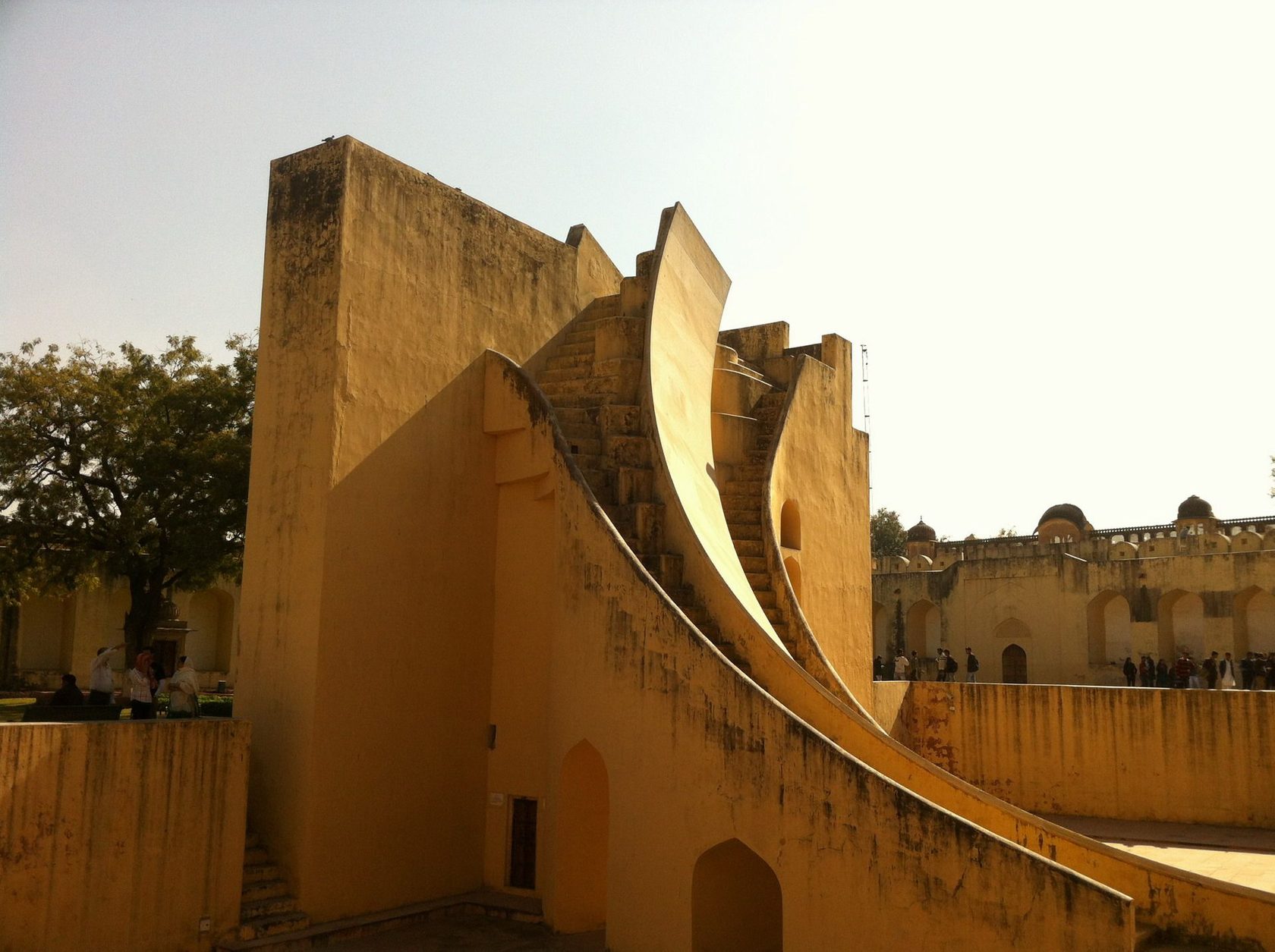
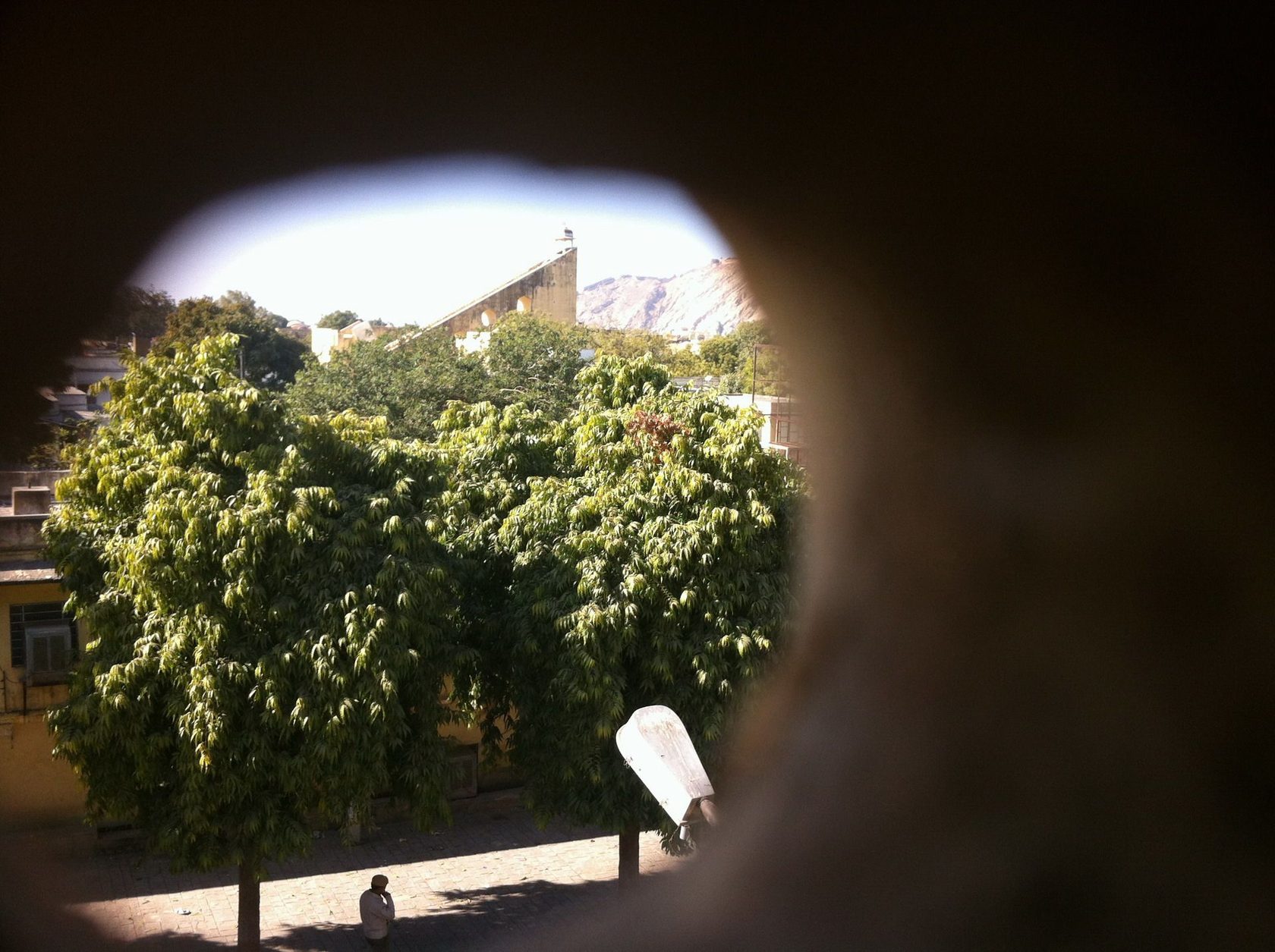
Recognize me, make me a party. Unloading the bike, I'll jump in bed, I sleep until the next morning, without eating. I wake up rested and hungry. After all! Elated, but not enough to make an Indian breakfast: tea and biscuits. I take the bike, and I jump to see what I had missed the first time. An astronomical observatory in 1500! With stone tools to track and measure the position of stars and planets with the naked eye. And measure the shadows of the sun. With degrees engraved in marble. At home I have a modern telescope, electronic, chasing the stars automatically, but this ... All I know on the subject seems to me laughable.
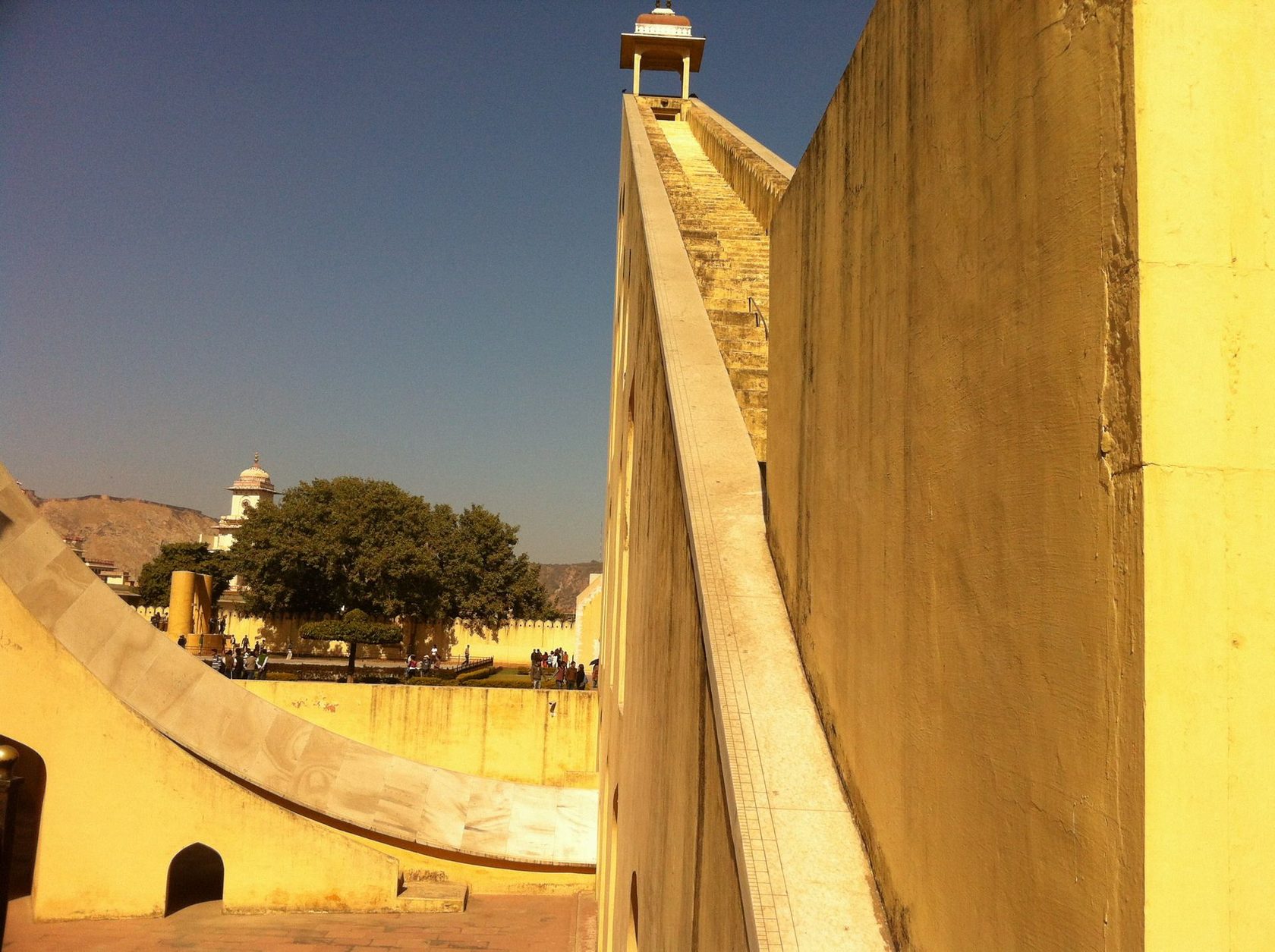
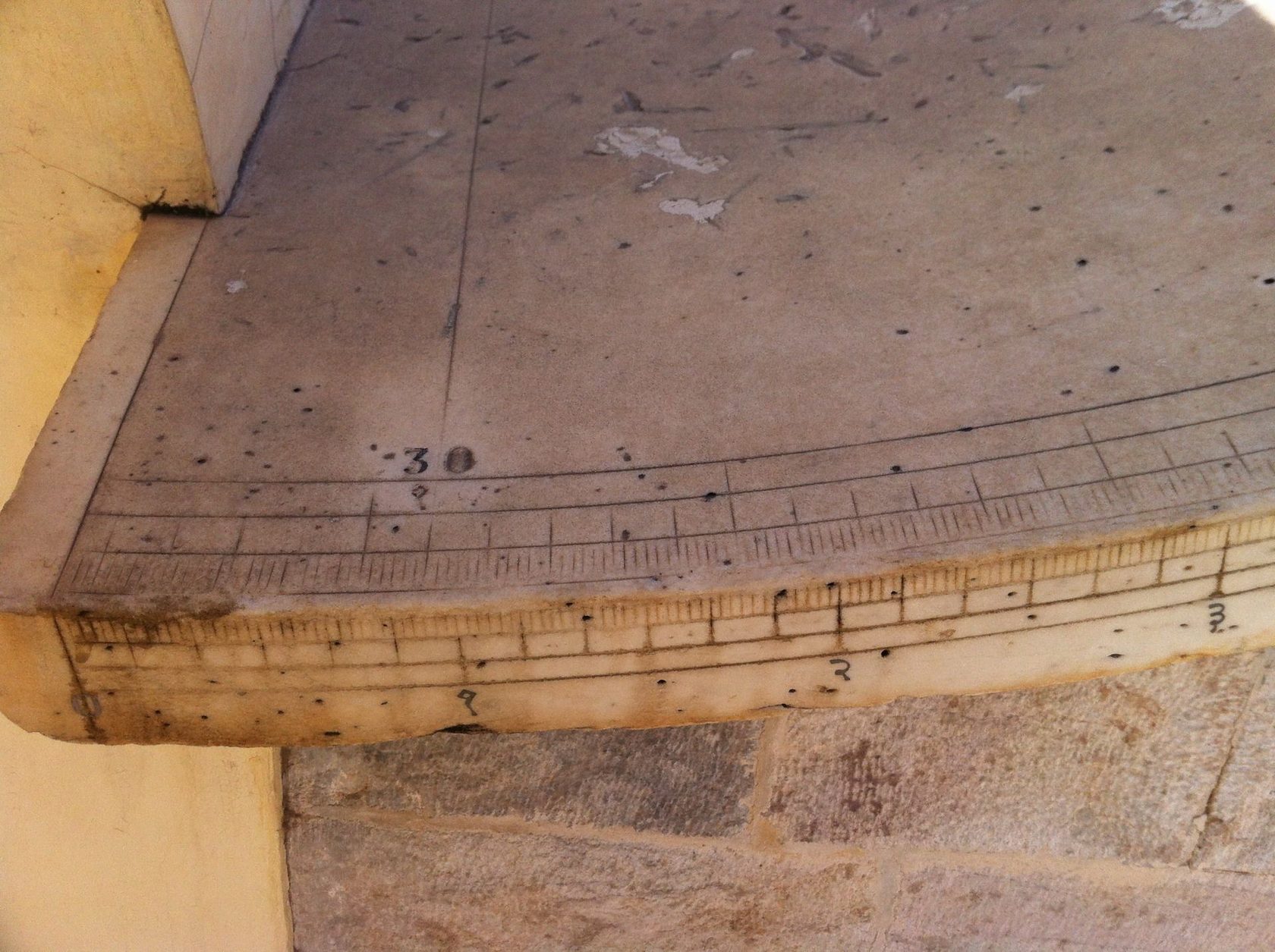
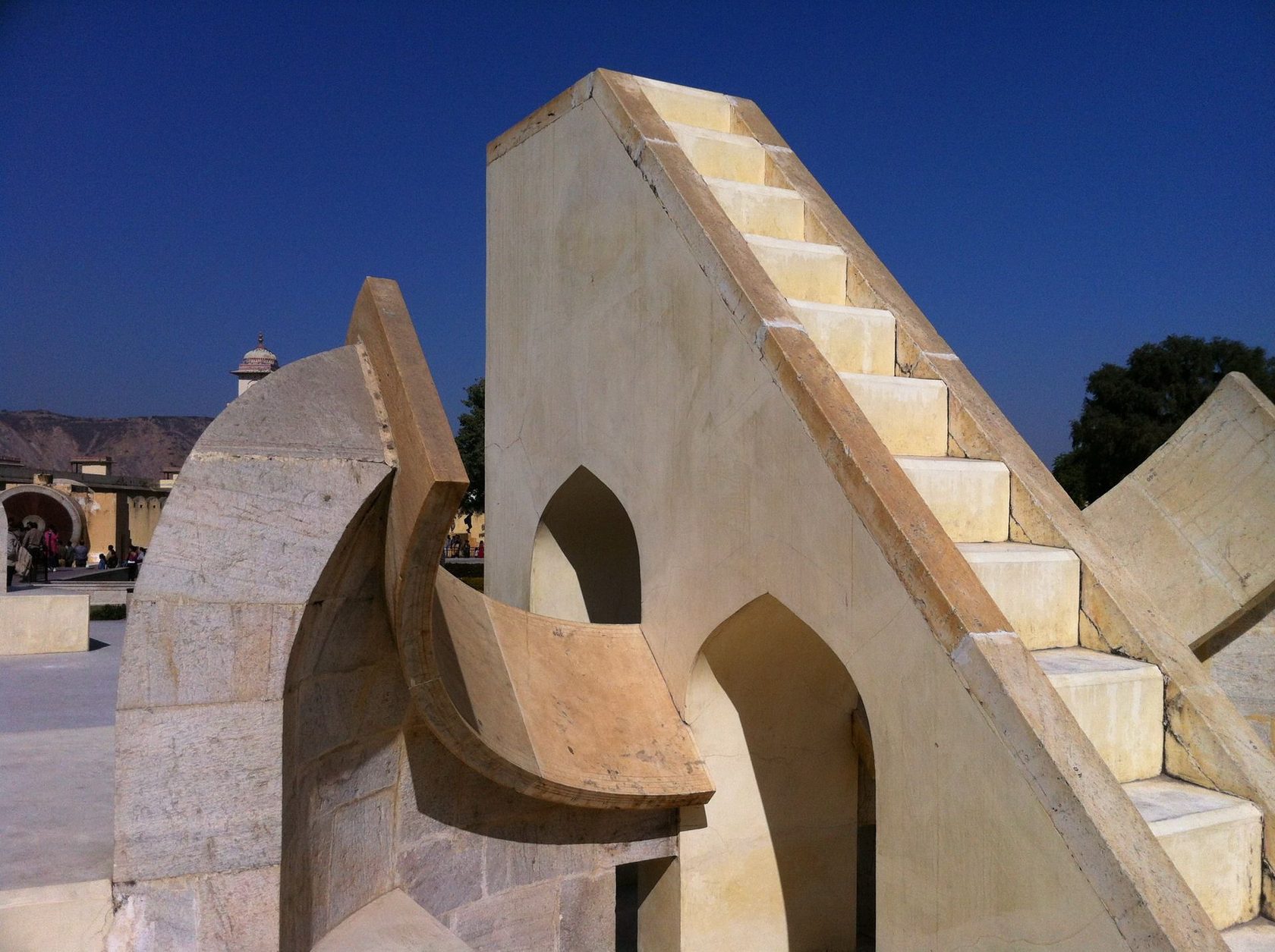
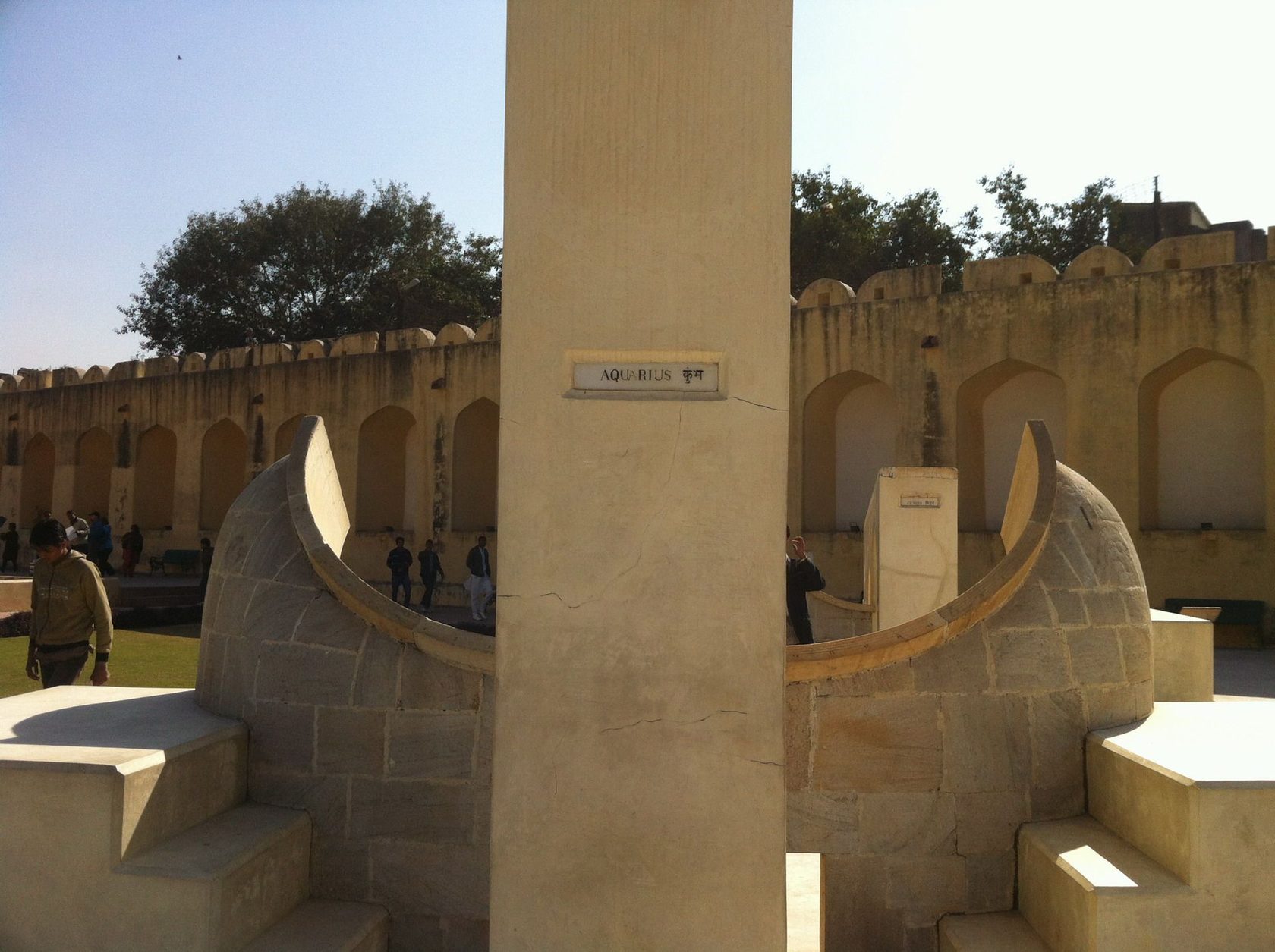
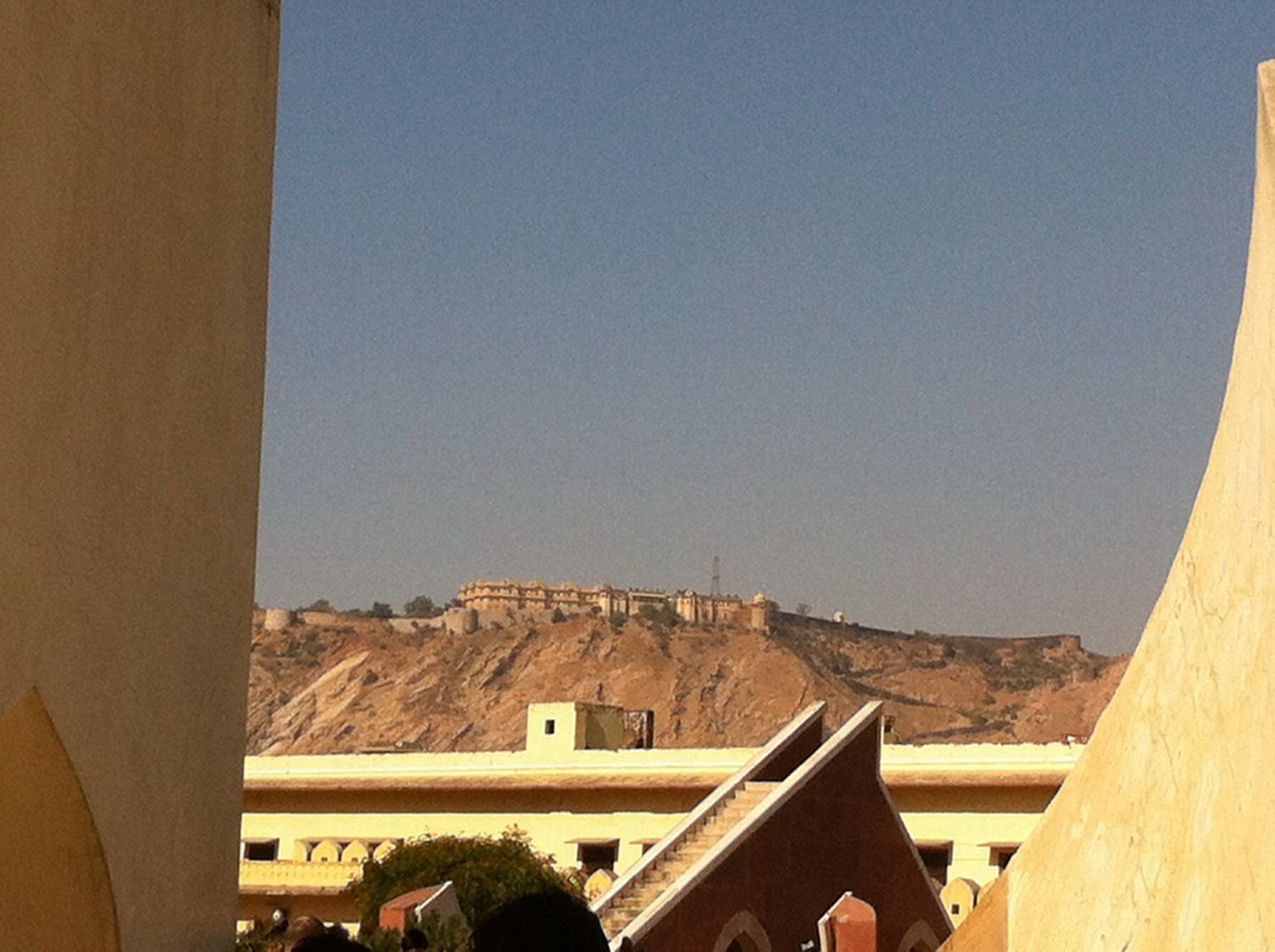
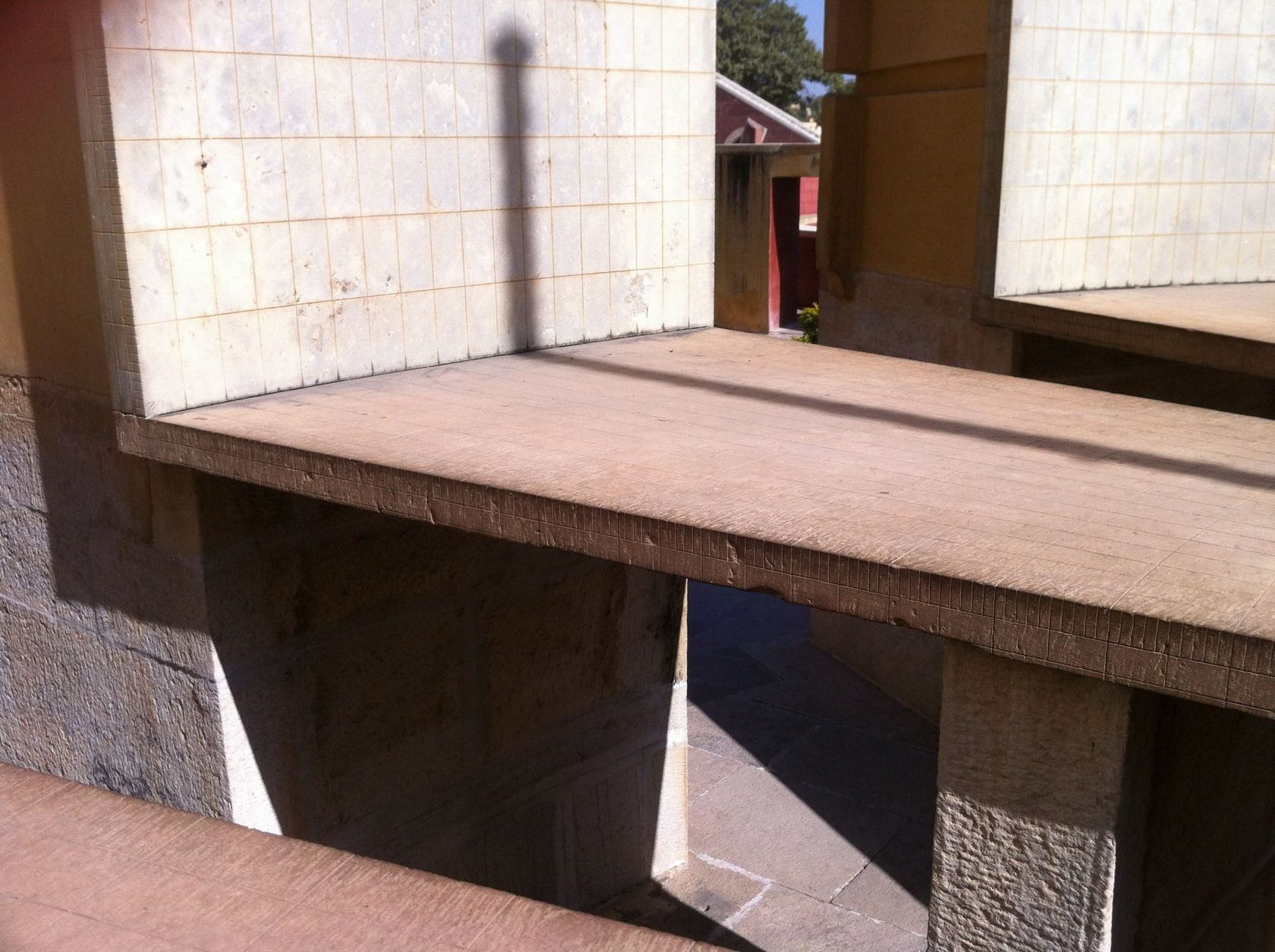
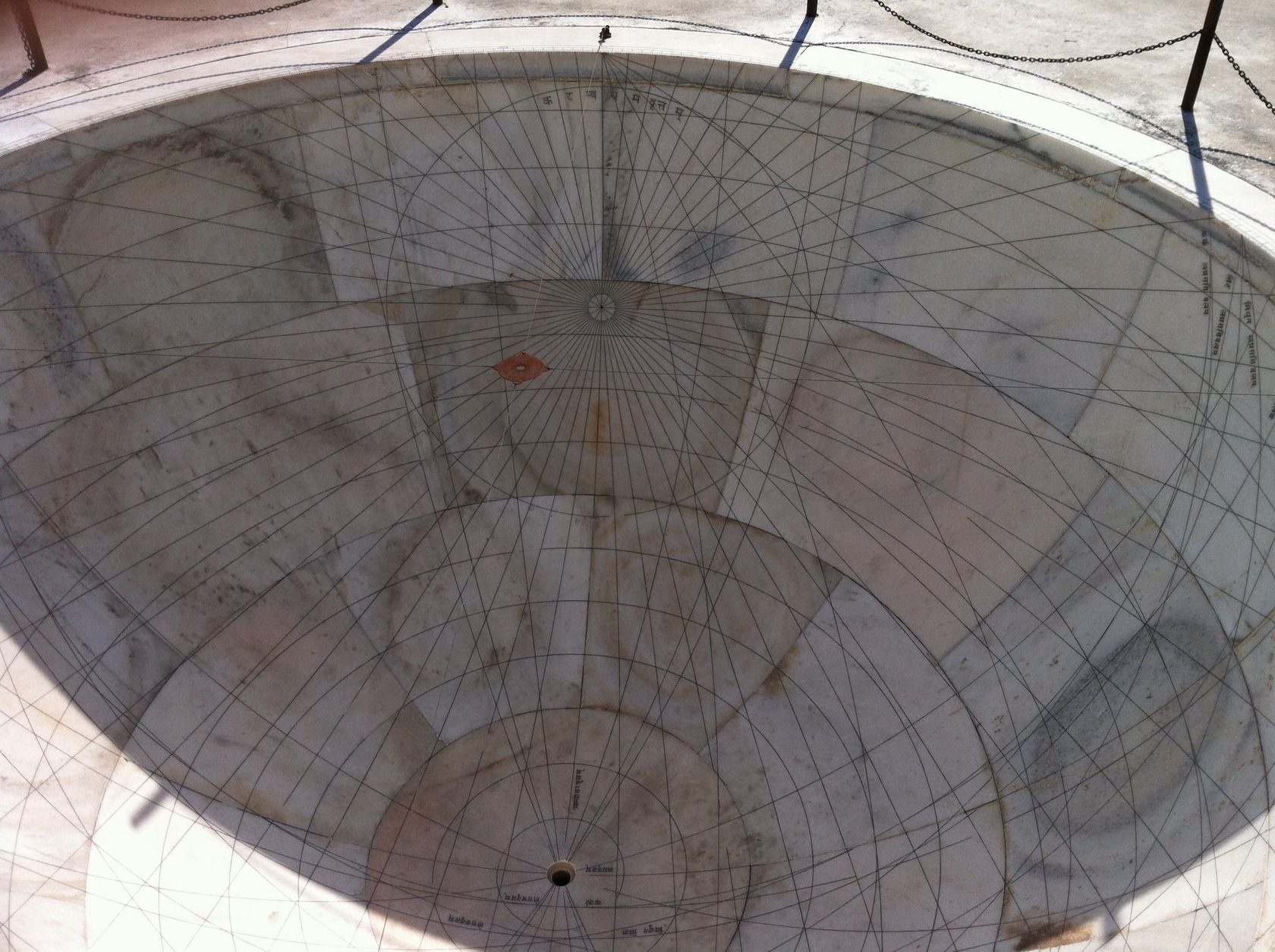
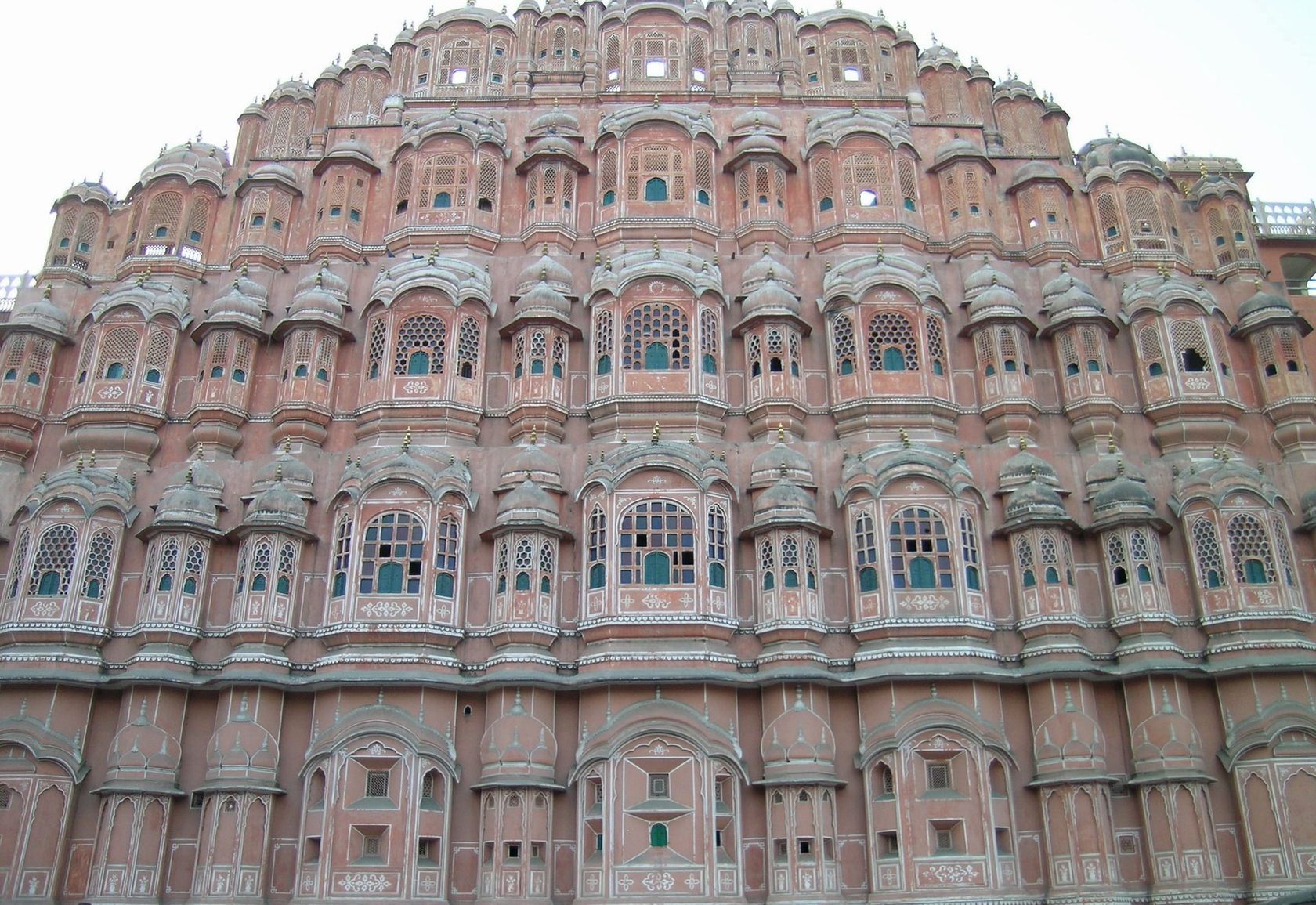
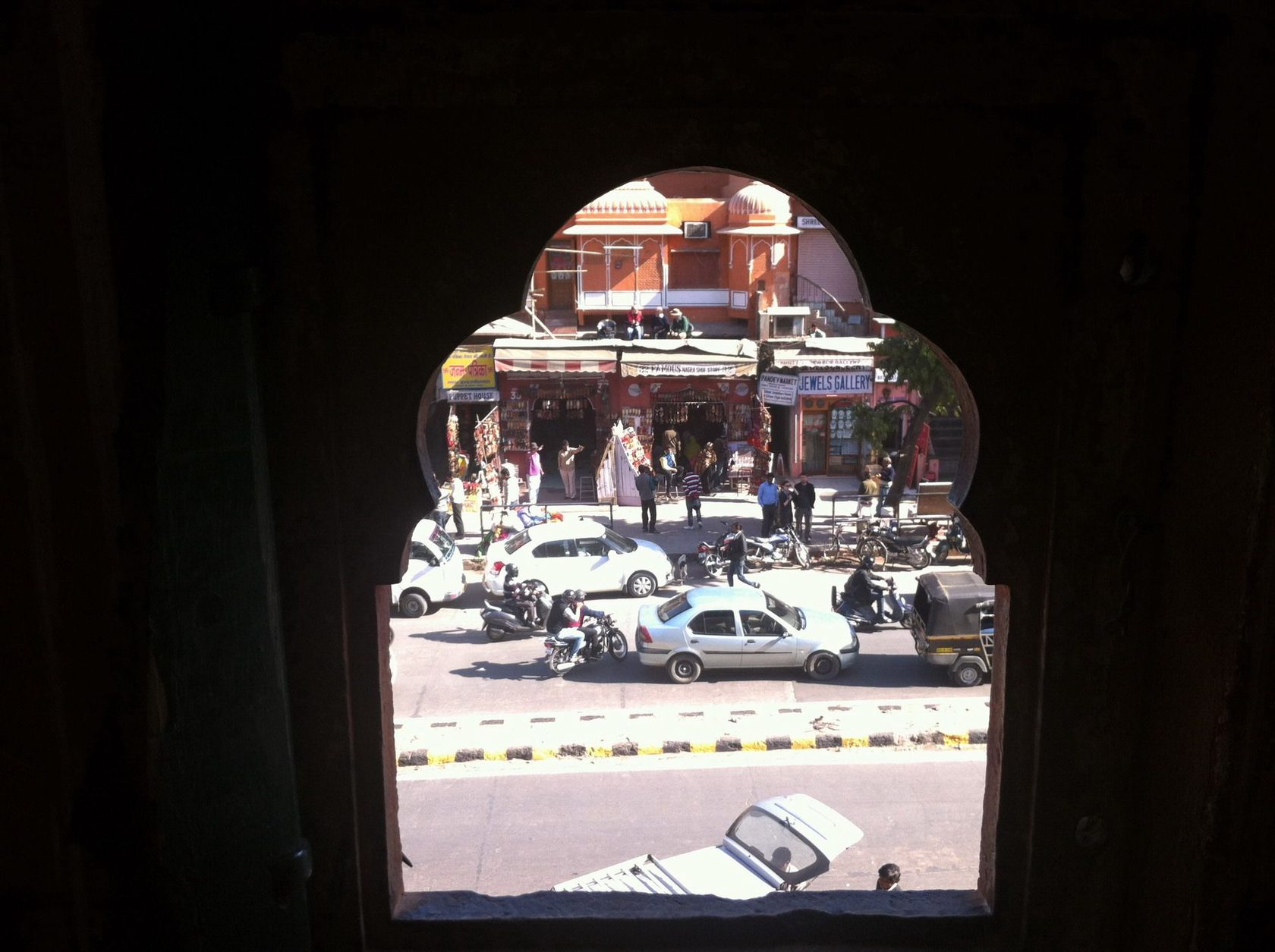
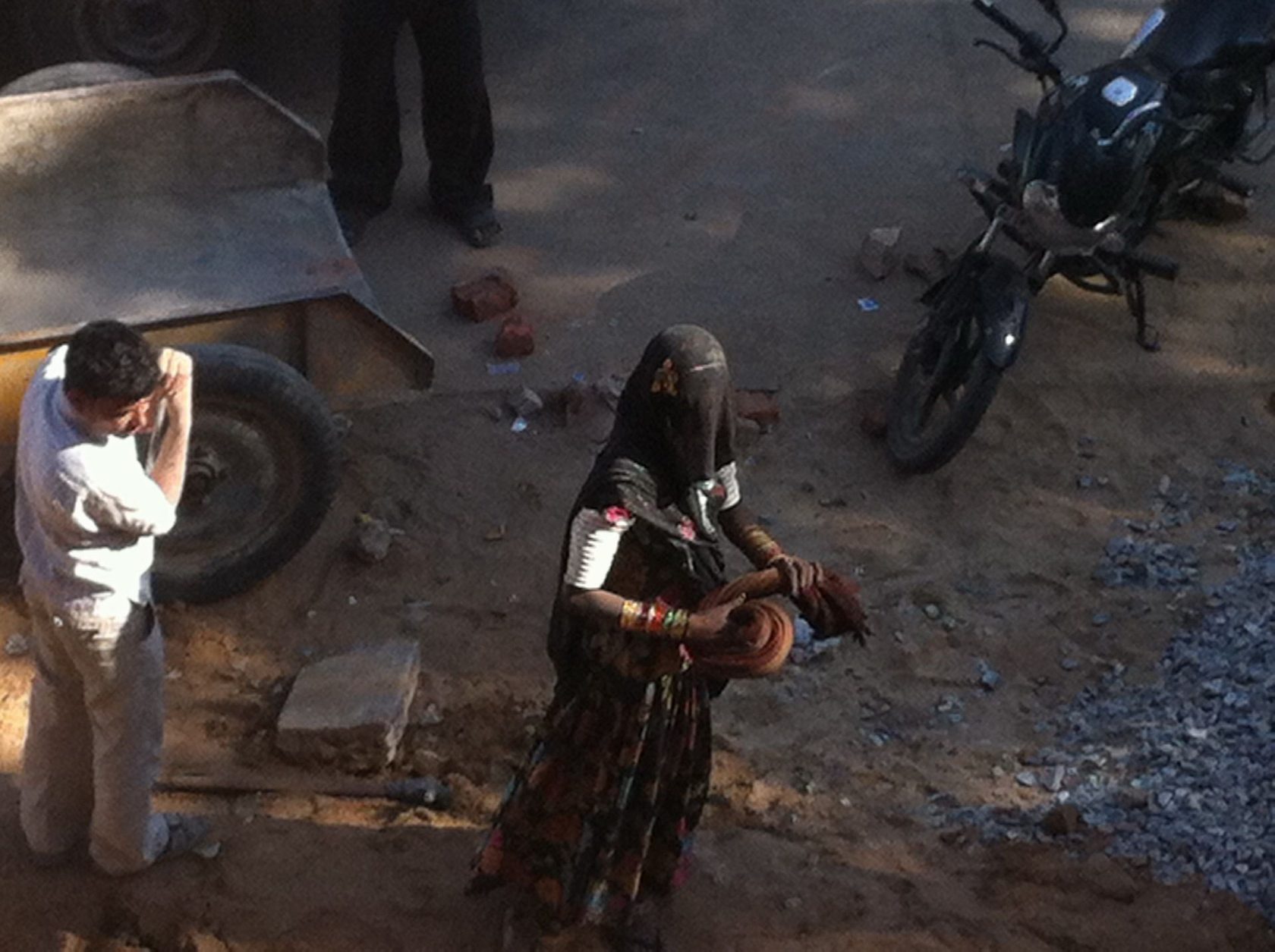
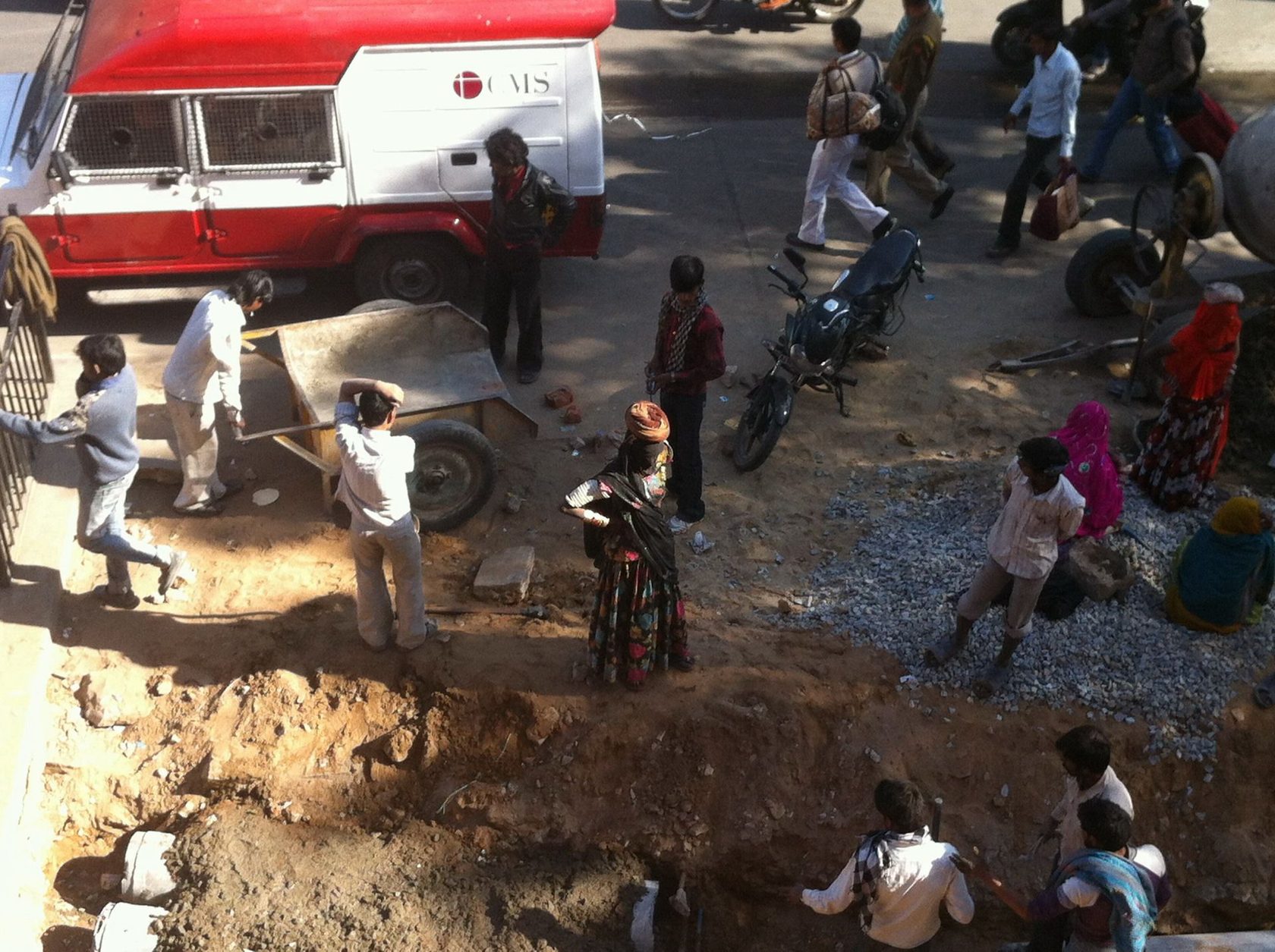
And then the women's house, the palace of winds, the ' Hava Mahal. A gilded cage in which the women of the harem could peer through a thousand holes or small windows, not seen, the life of the city. From one of these windows taking photos to a woman, dressed in a splendid way, who works at a construction site, carrying stones on their heads.
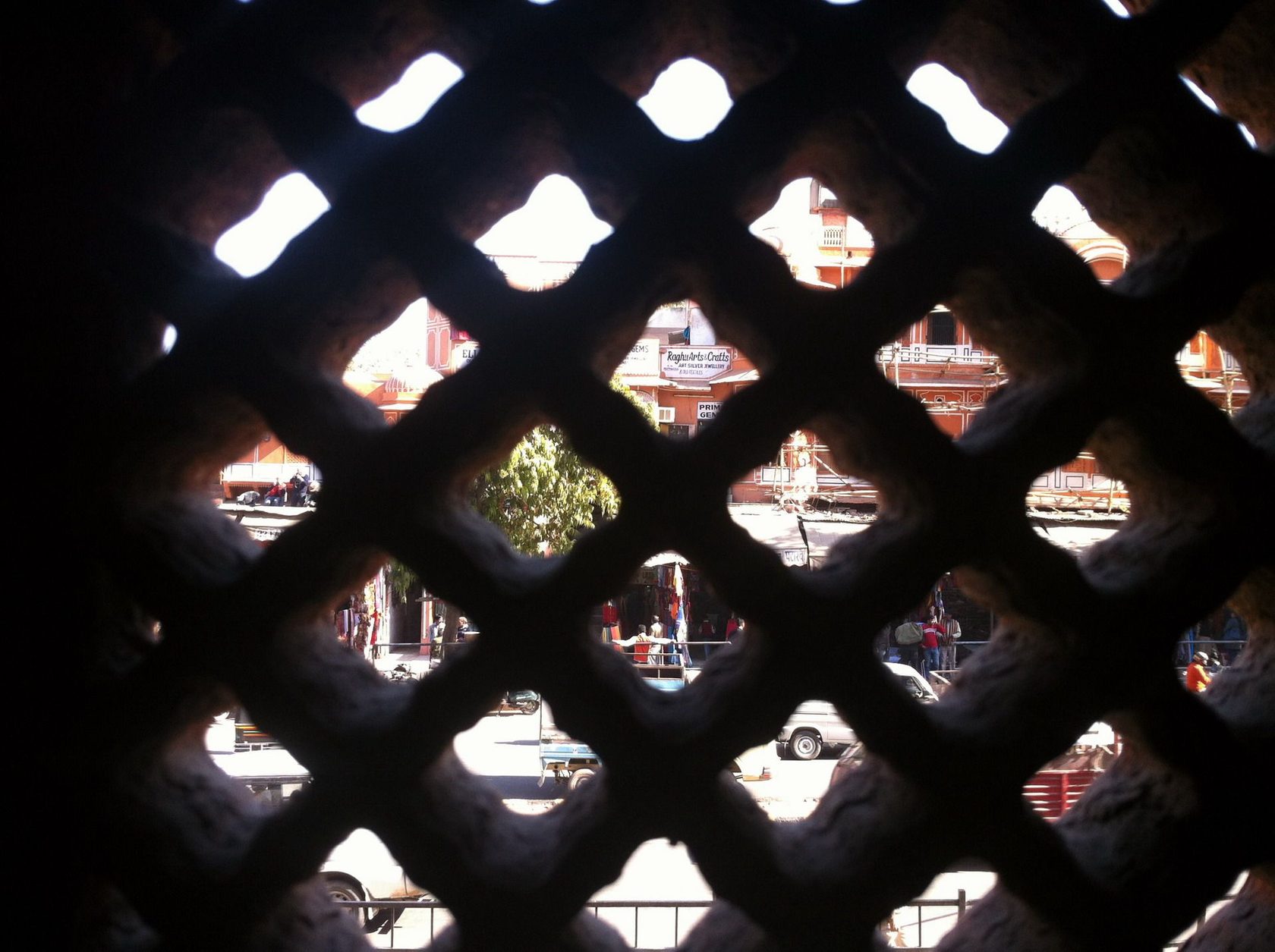
Again I wander, without words, and no one to tell her, in a world that just intuit.
Then.
Then I launch into the bazaar to buy gifts.
Tomorrow we go. To go back.
10) Jaipur - Delhi 270 km 5 hours
Last stop. By now the trip is over. Tonight, at two o'clock, my plane. Redo the terrible Jaipur Delhi Highway.
But now I know.
A terrible cold. My hands hurt (only mistake of the equipment: gloves too light). I stop every twenty minutes to warm my hands on the engine.
Arrival at the hotel. I pack.
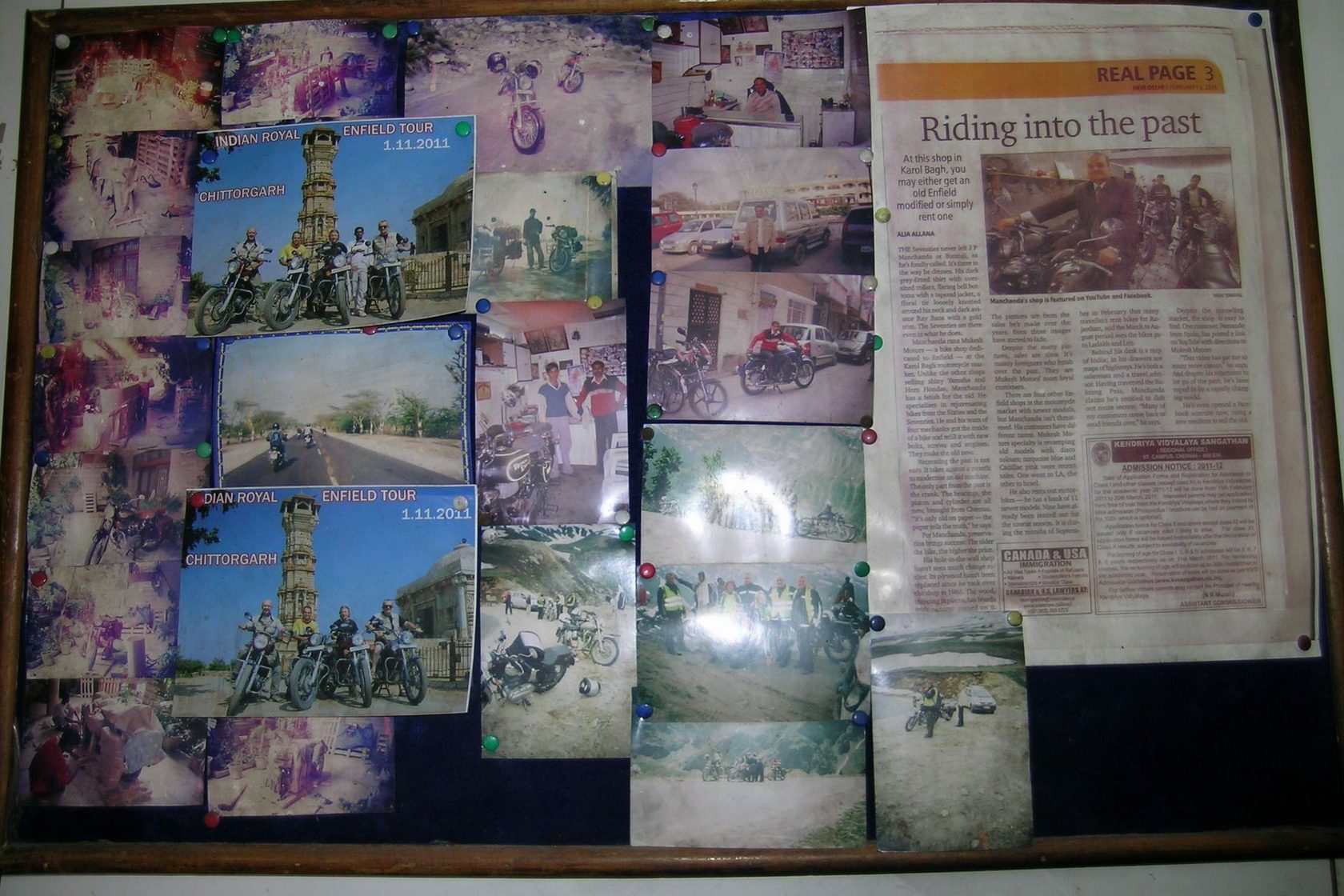
I bring the bike to JP. What greets me with a smile. The story of my journey. 3050 km. Photographer Bullet all that are out there.
And the MIA Bullet.
I tell him that I'll write a book and talk about him. Poses. I look at the picture he has in store while offering me the inevitable tea. Masala chai.
At first I did not like. Now I'm used to. Tomorrow I will miss him.
I wonder who is really JP, what ever did. His passion for the Bullet is suspected. Maybe we have something in common, but neither of them would know exactly what to say.
 11)
I greet him.
I walk away with a strange feeling.
Then I realize.
They are walking.
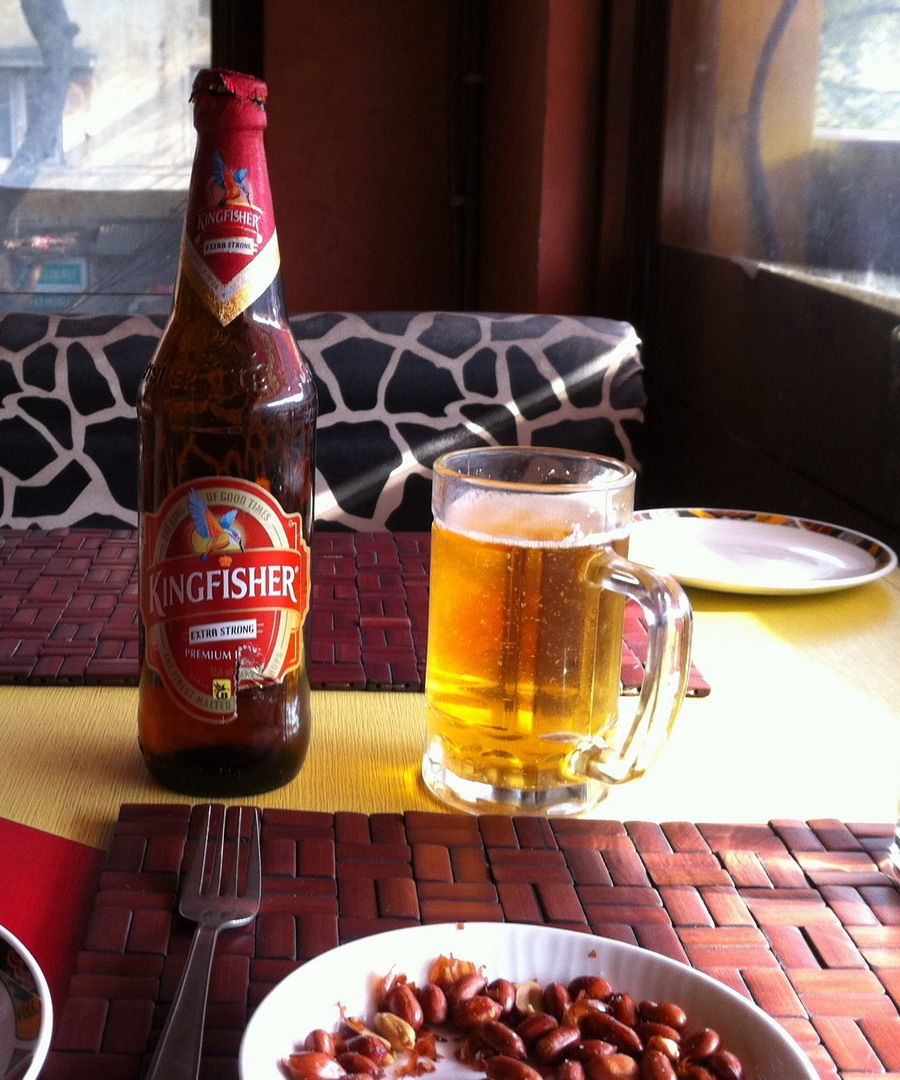
Around the neighborhood, a beer. A KingFisher extra strong.
Toast to a bike that never betrayed me.
Everyone knows that even the longest journey begins with the first step.
But it is less known that even the longest journey ends with a last step.
In the evening, taxi, going to the airport, I see a square lit by many small fires. A radially. All people who do not have a place to sleep.
It's cold.
Much.
Each squatting in front of a tiny fire. As if to embrace him. Someone already sleeps wrapped in a pile of rags.
There is no space, are so poor that they can not even share a fire.
Every time I think of this trip I will be seeking this scene in his mind.
Then.
At home.
Everything is already a memory.
But a lasting impression.
-------------------------------------------------- ---------------------
Practical Information
I have traveled between 21 December and on 9 January in India's north . Cold and fog ! Below zero most times. seems to be a constant in this time of year . Maybe move to mid-November is much better .
It should fly out of Delhi. There are direct flights from various European airports and Delhi 's ' all you need. The trip is around 800 euro.
Gasoline costs about 90 cents and gas station owners are very frequent ( except in the mountains ). A Bullet 500 with full tank and a 5 liter of petrol is added about 500 km.
Speed average of 60 km / hour in plain 30 km / hour in the mountains .
Highways free for motorcycles . At the toll booths , all to the left , there is a fast track . eye to the bollards .
The roads in the mountains are the ugliest , holes , fords , gravel roads . In Rajasthan the things are much better but ...
I highly recommend Mukesh Motors ( http://www.mukeshmotors.com/contact.html ). JP, the boss, is reliable , and the cost of rent for a 500 is about 15 euro to the day . You can probably get a discount .
Satellite navigation system . I have mainly used Navigon - India. I have (almost) always led in the right places . Unico neo: knows only trade the best and then to go to alternative paths do not work very well . In this case I used Sygic MapMyIndia that , if you want , you also brings about dramatic ways . Both are available unpon Iphone (62.99 and € 26.99, respectively .) At the date of my trip ( December , 2013) TomTom not had the maps of India . eye autonomy . I was traveling with a small battery to solar charging additional (10h autonomy ).
For any further information do not hesitate to contact me at santucci@dis.uniroma1.it, specifying in the subject : Travel in India :-).
A