Stage 2 · Haridwar – Srinagar
Following the Ganges
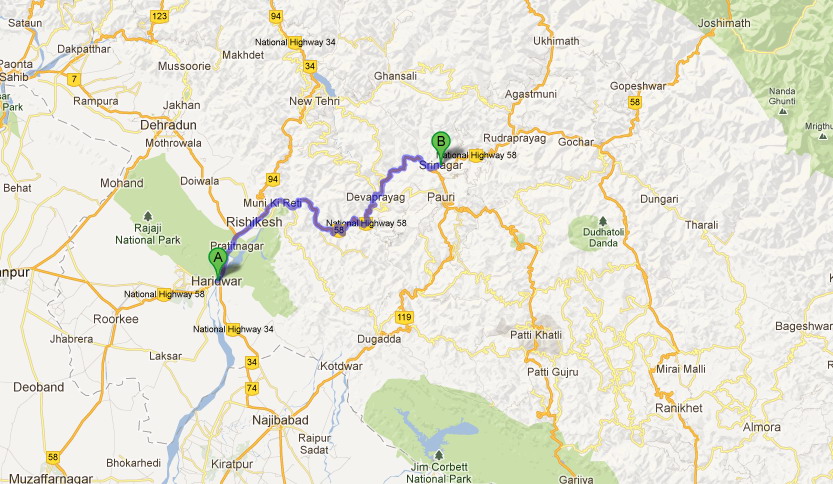
In the afternoon I start getting organized for tomorrow’s departure, and have dinner of tea and biscuits to head off trouble during the ride. Some of yesterday’s fried food is still releasing its inner energy, and I’ve decided to alternate local cooking with the odd bout of dieting. I bought an electric kettle for the purpose, and have appointed it packaging for my bottle of champagne.
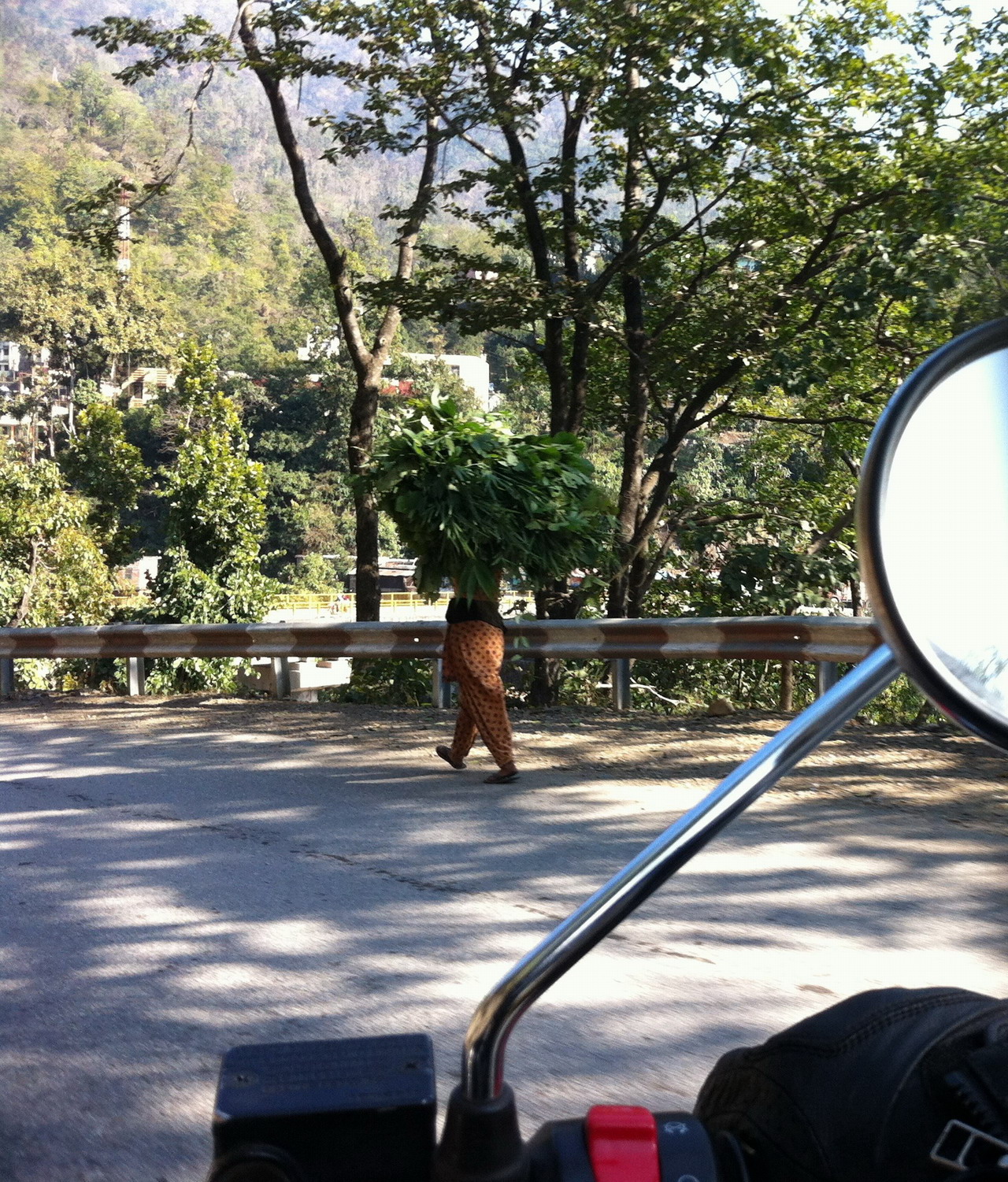
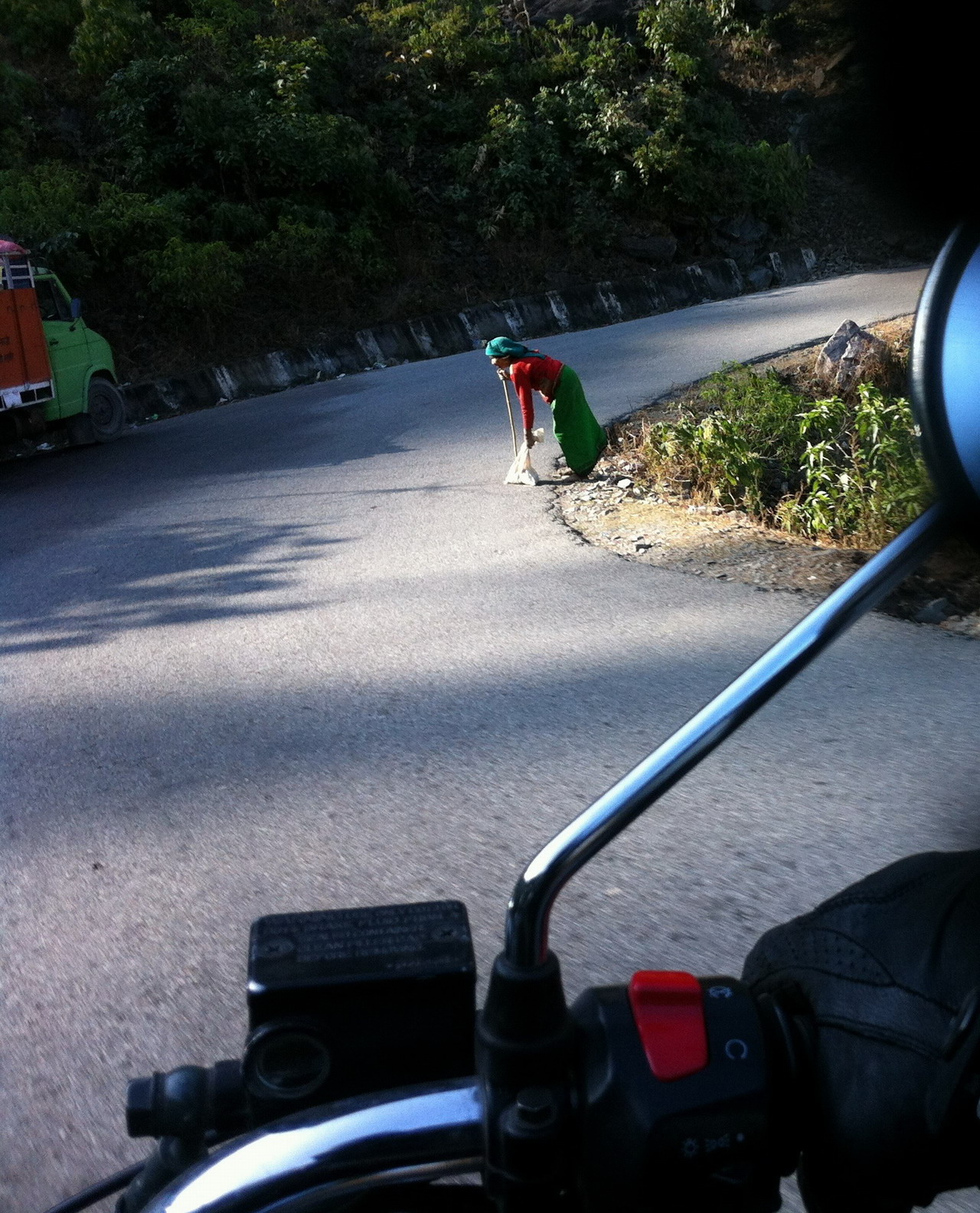
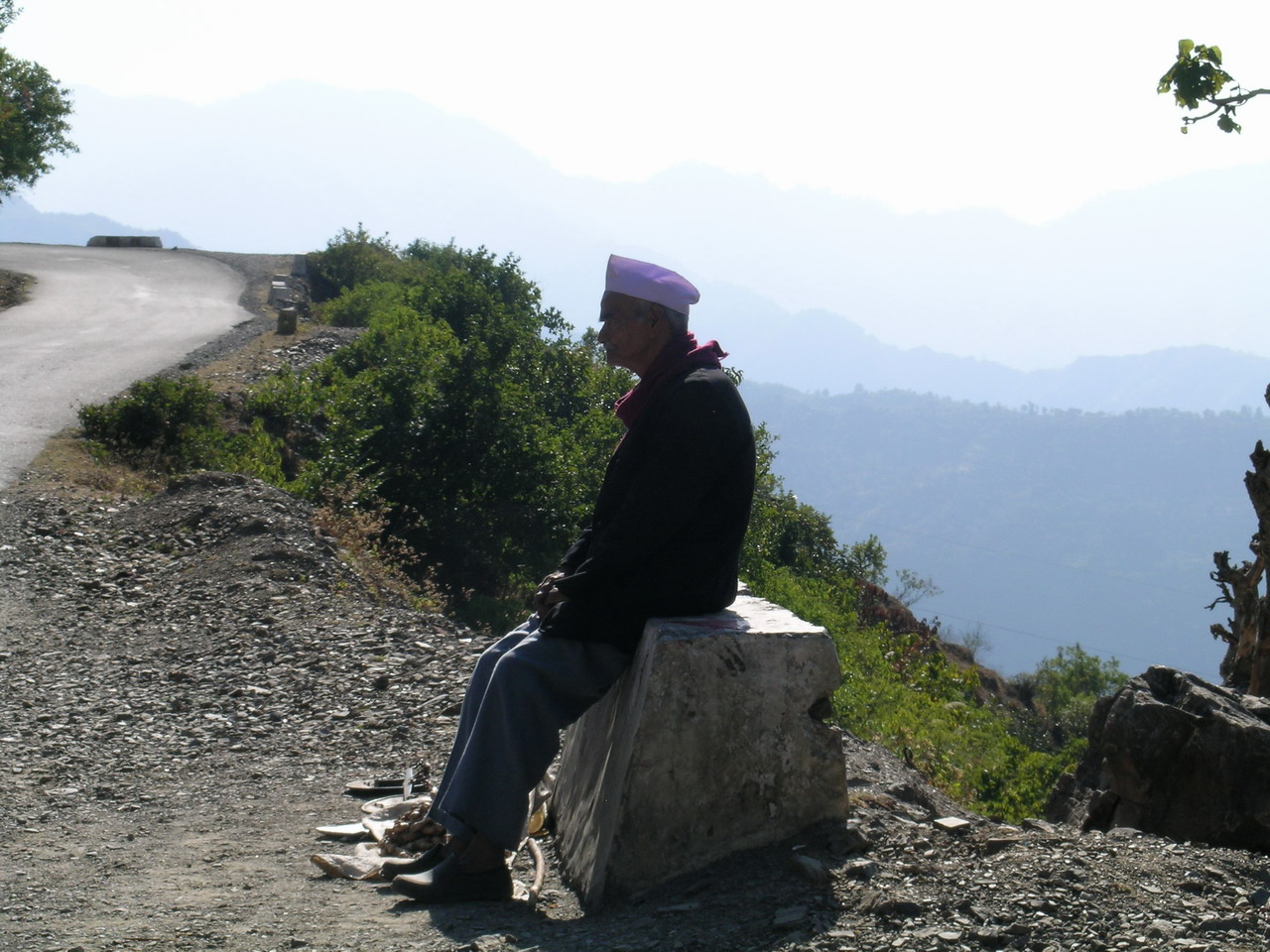
Just as I’m about to go to bed I notice something that had escaped me. Everyone smiles. Even the poorest, even the beggars, even the maimed vendor I’d bought matches from for my forbidden cigars. They aren’t desperate, not even resigned. They simply seem to accept things as they are. I knew that accepting one’s station is a cornerstone of Hinduism (and also a terrifyingly effective mechanism of social control), but what I was seeing never stopped amazing me. Everyone smiles. Immersed in their faith, which is cheerful, positive. Even the images they use to depict their gods say as much — colourful, joyful, pleasant to look at. This thought stays with me until I fall asleep.
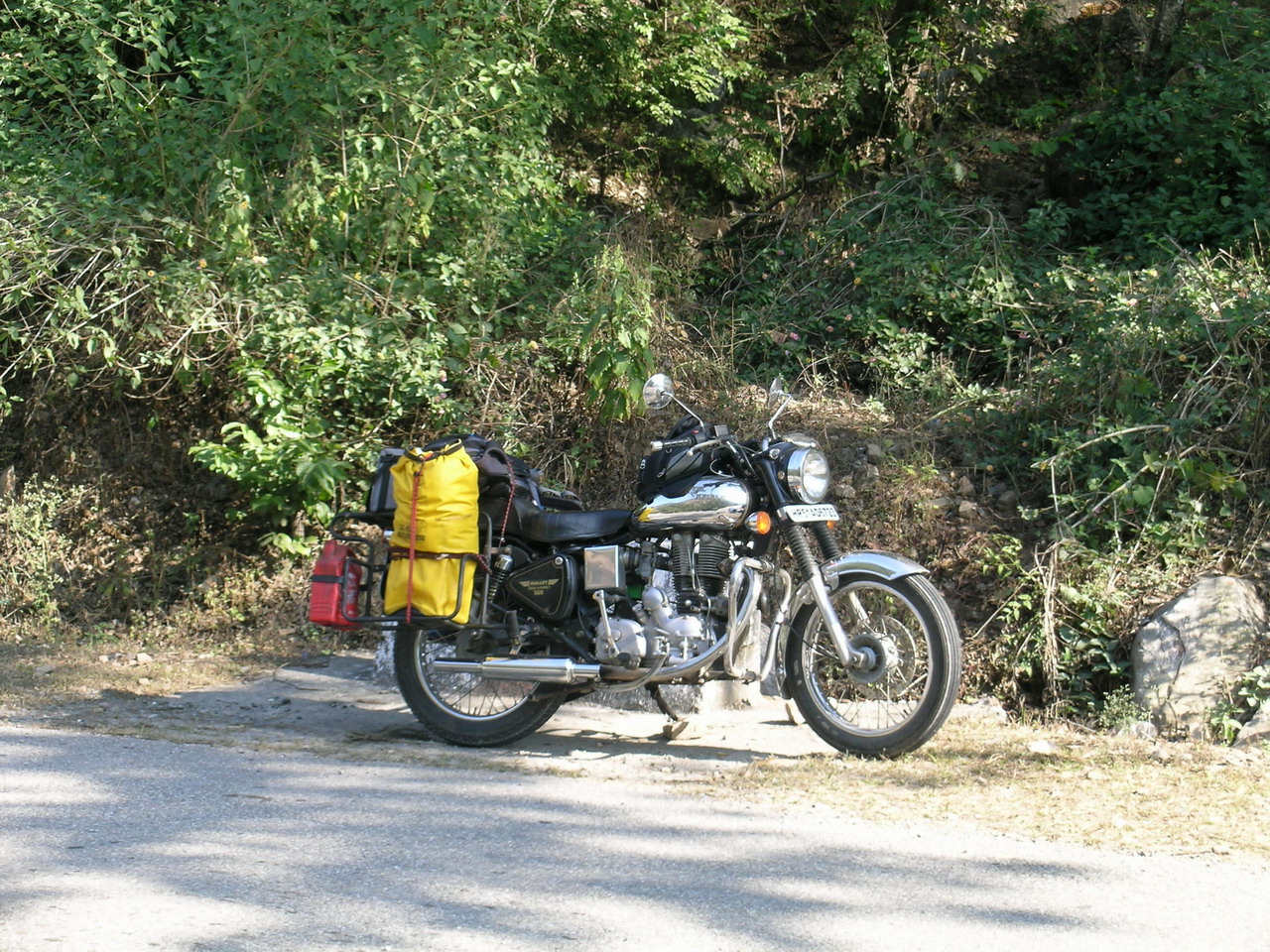
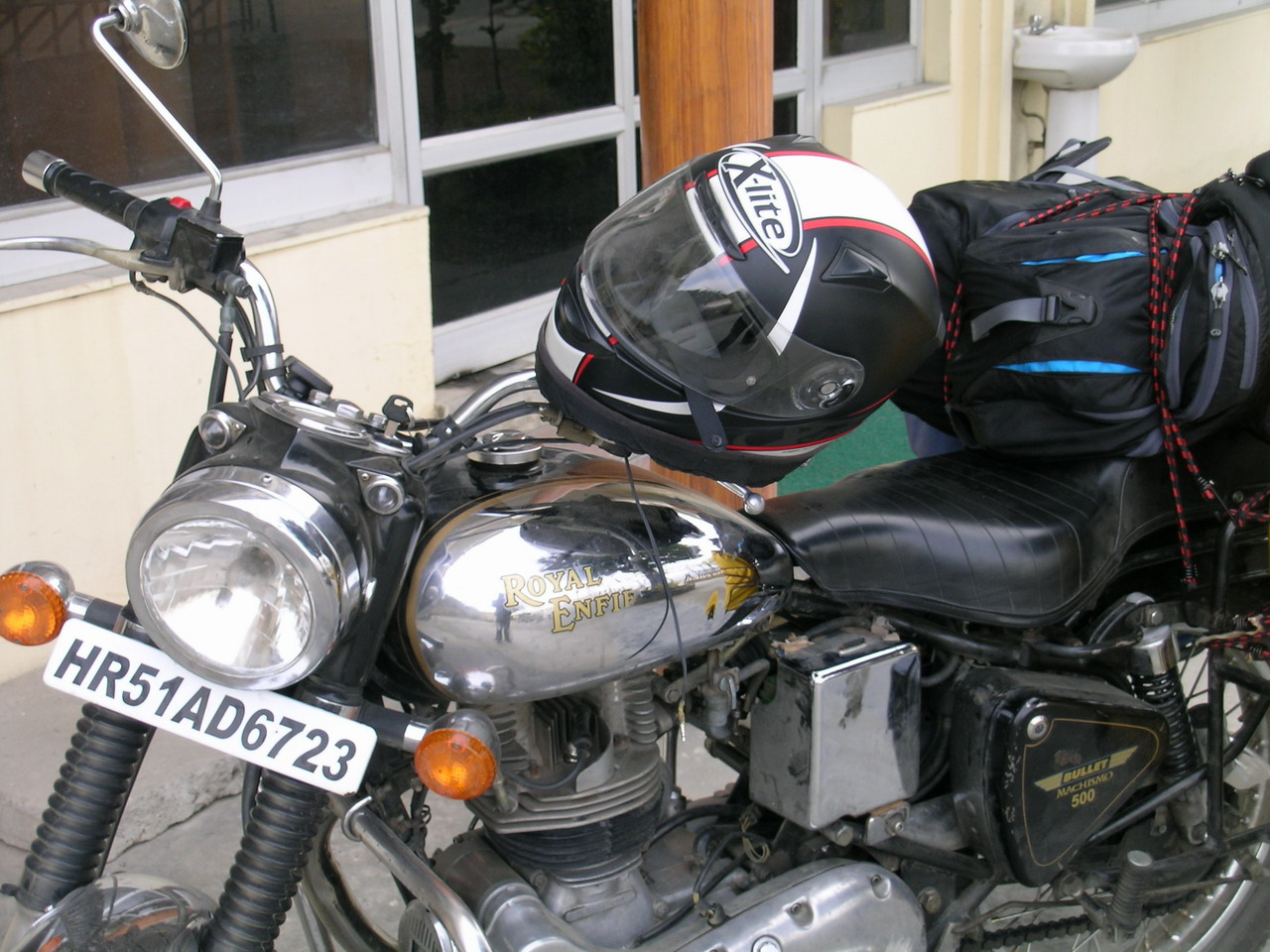
The next morning, leaving Haridwar, I put on the Beatles — the White Album. Why? Thirty kilometres from Haridwar is Rishikesh, a small town still famous for meditation, visited by the Beatles in 1968. It seems the three-month spiritual retreat, the peace, and the abundance of free time gave the group room to sharpen their creativity. Maybe it also helped that they had to use acoustic guitars (the electric ones didn’t work for lack of power). On their return they recorded the White Album. Even though I’m no great Beatles fan, I listened to this double album many times during the trip (and after), and I rode through Rishikesh with ‘Happiness Is a Warm Gun’ echoing in my helmet. A tribute owed.
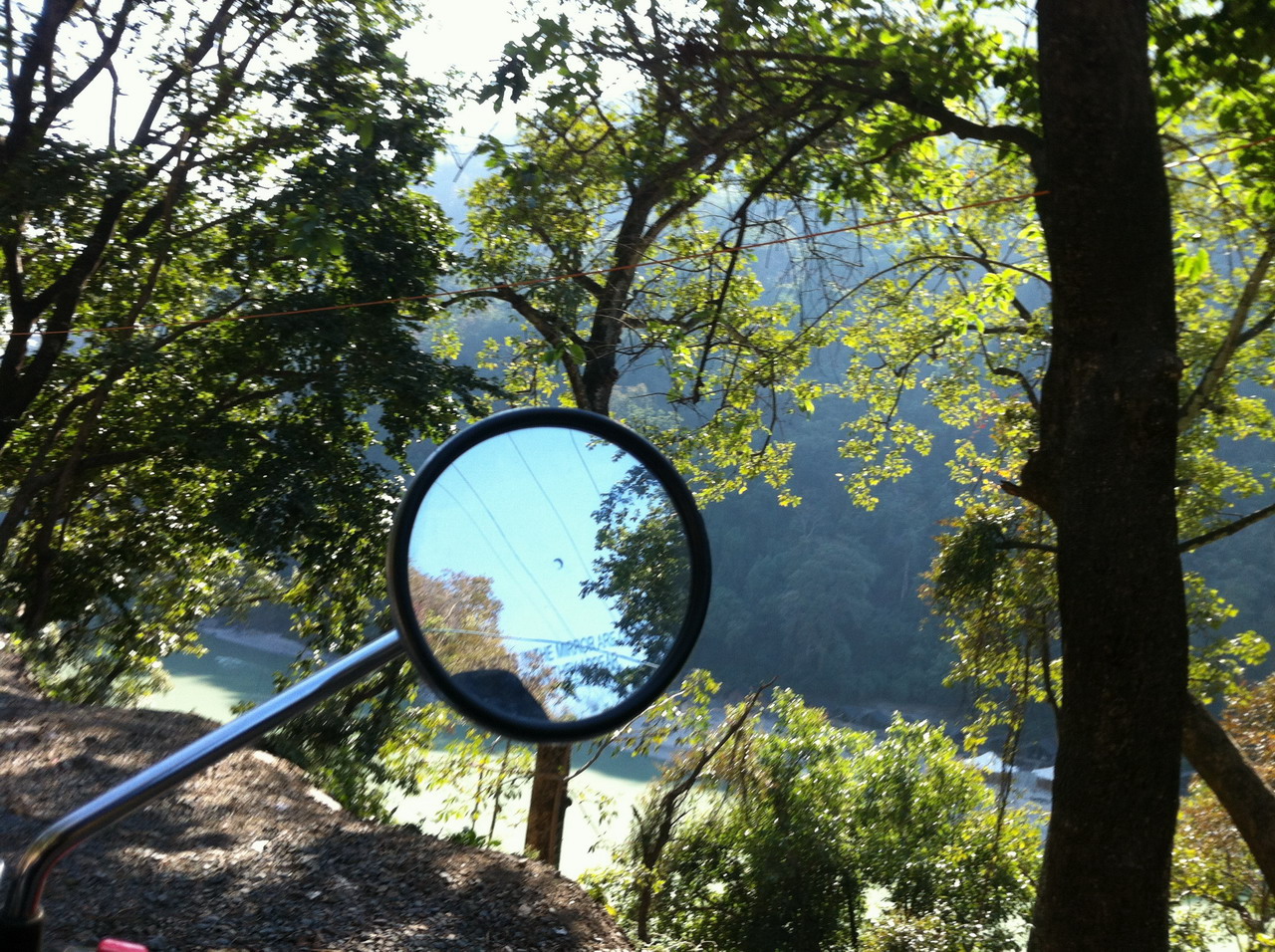
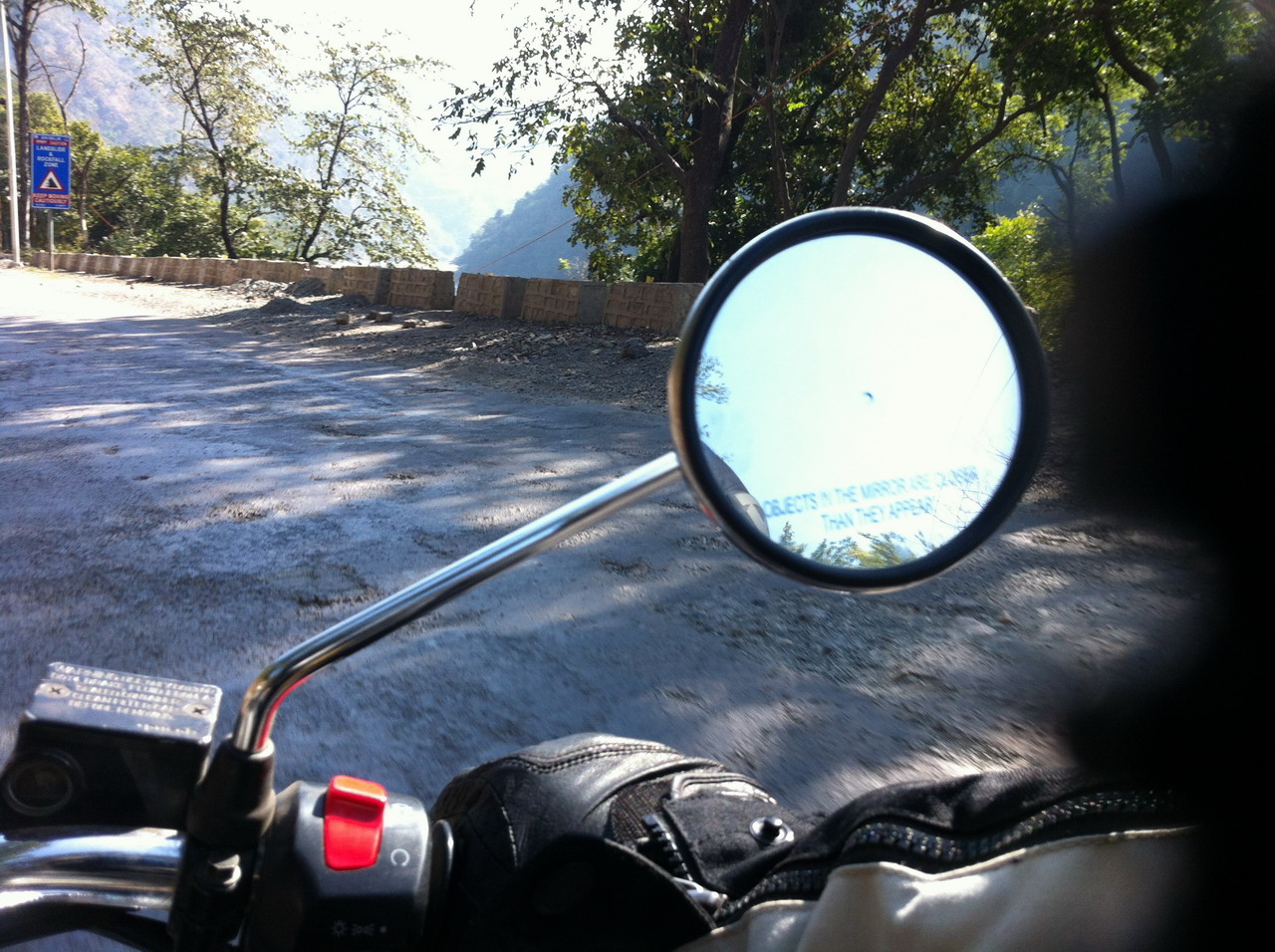
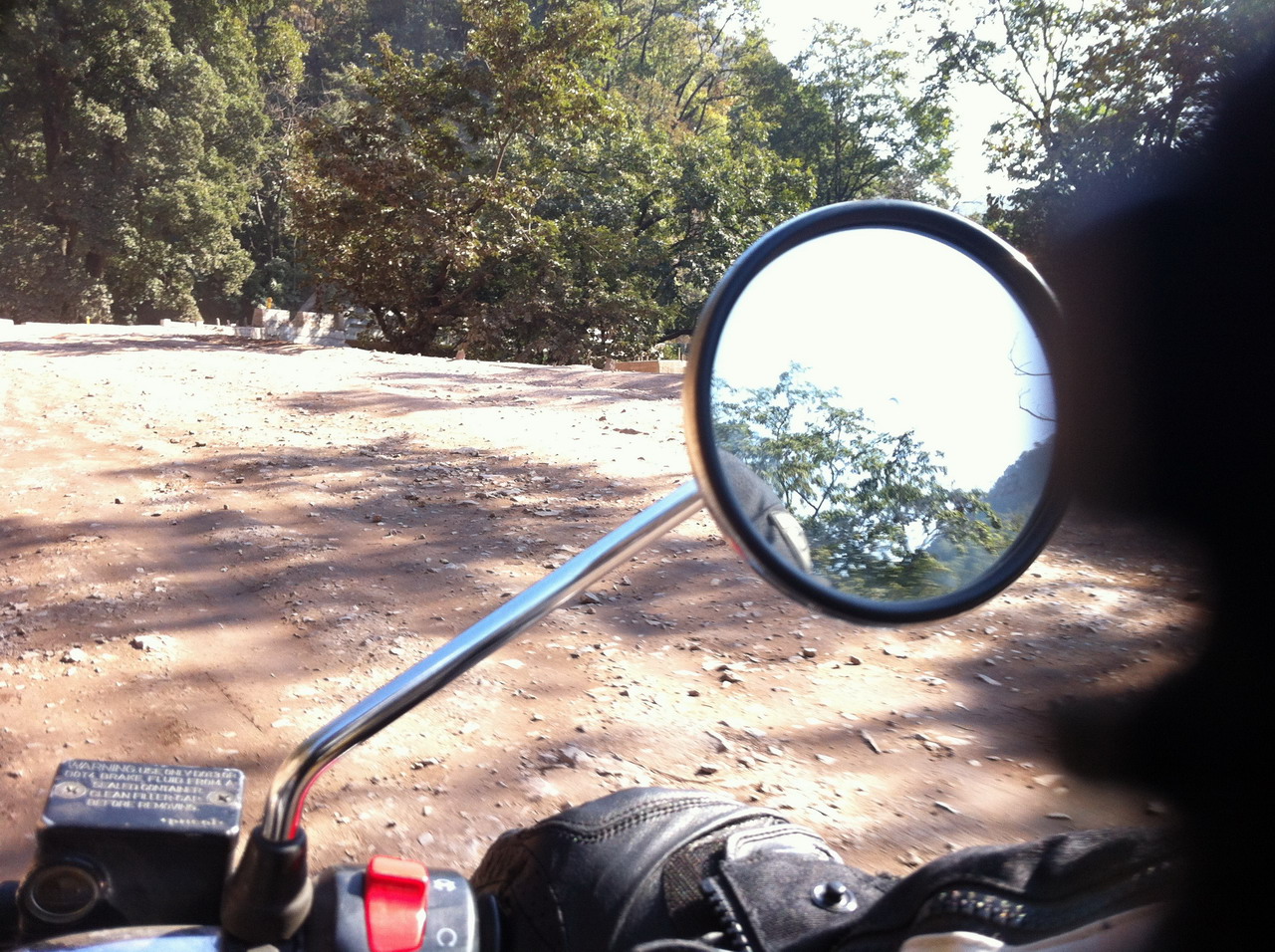
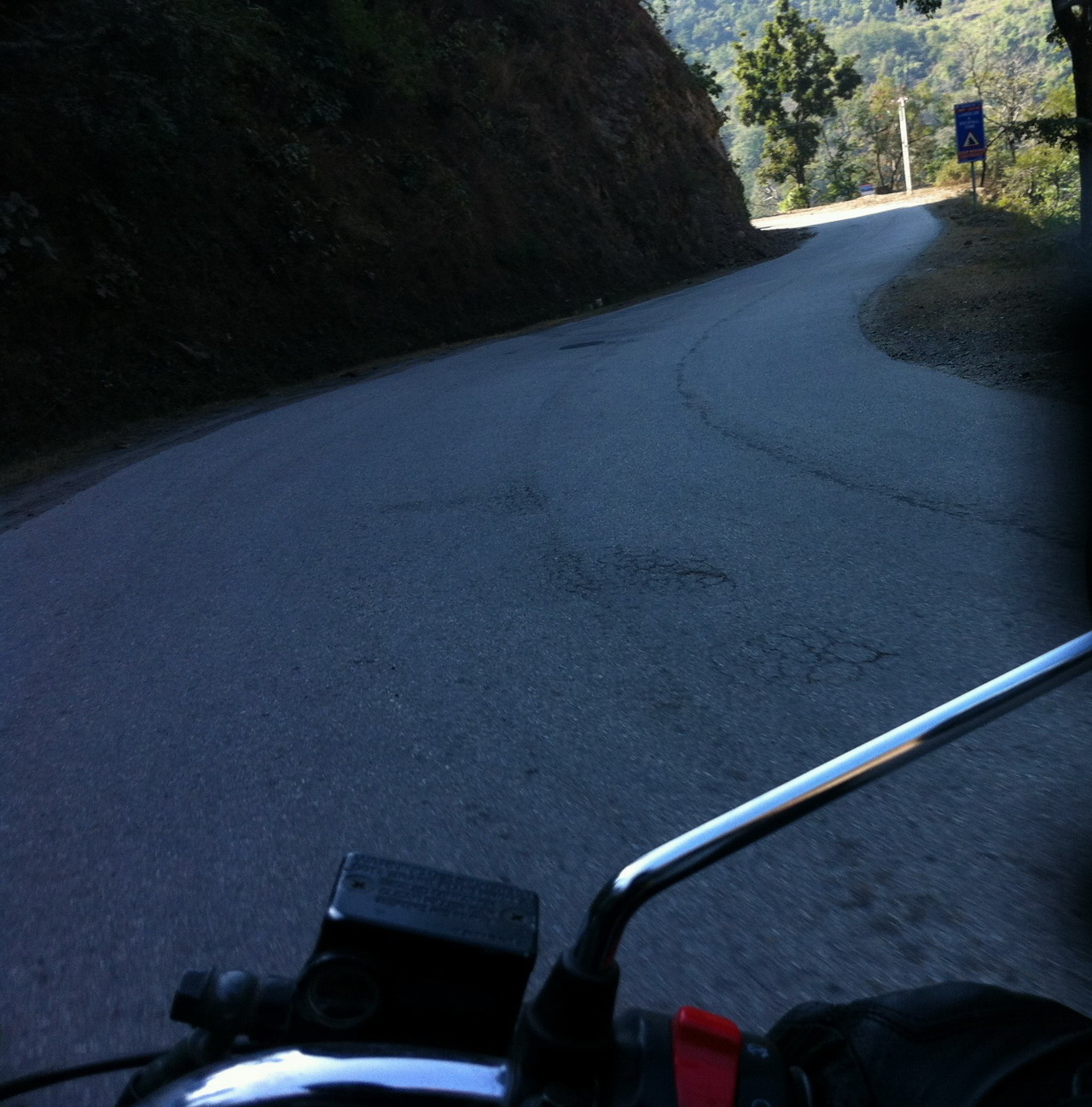
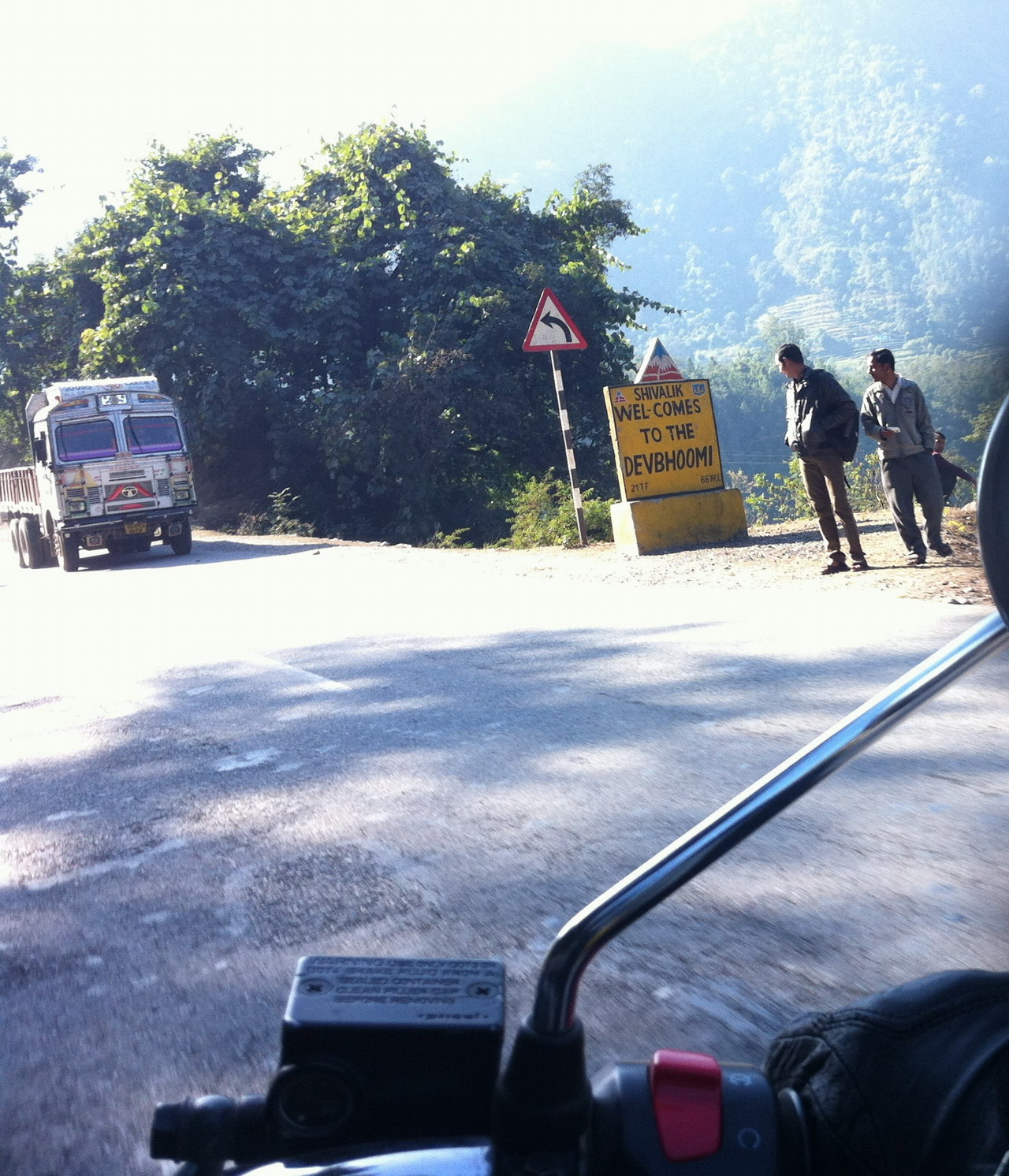
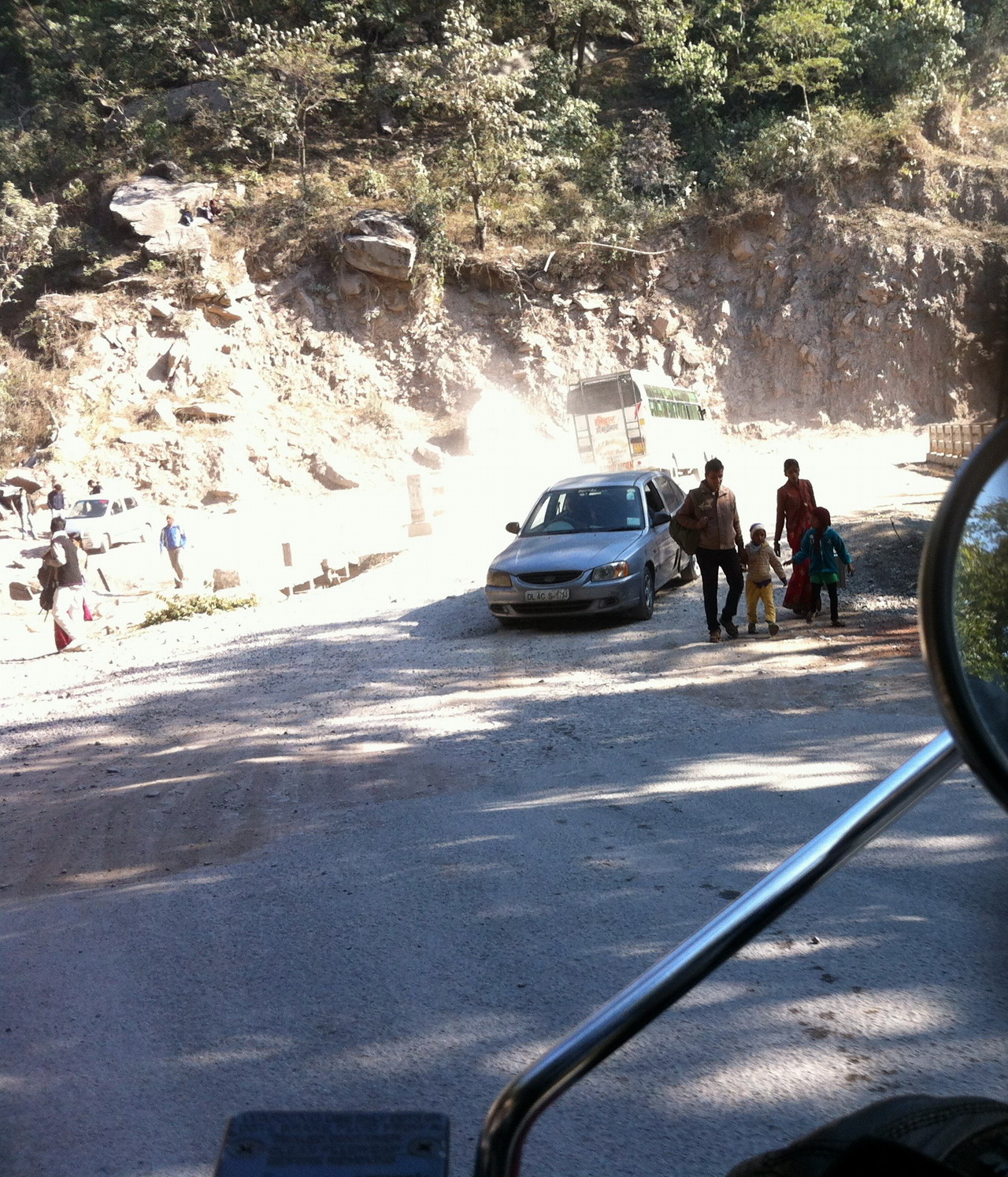
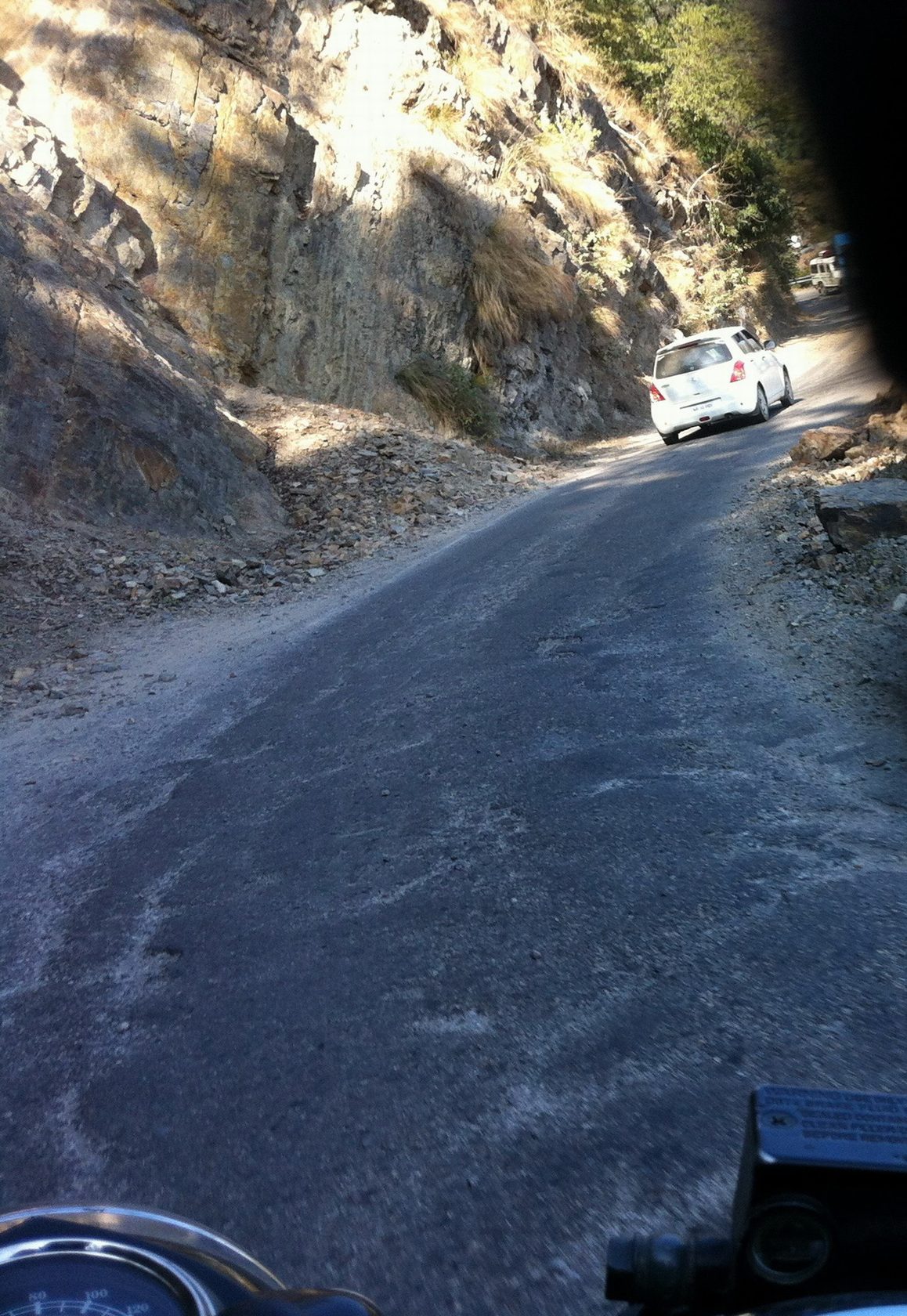
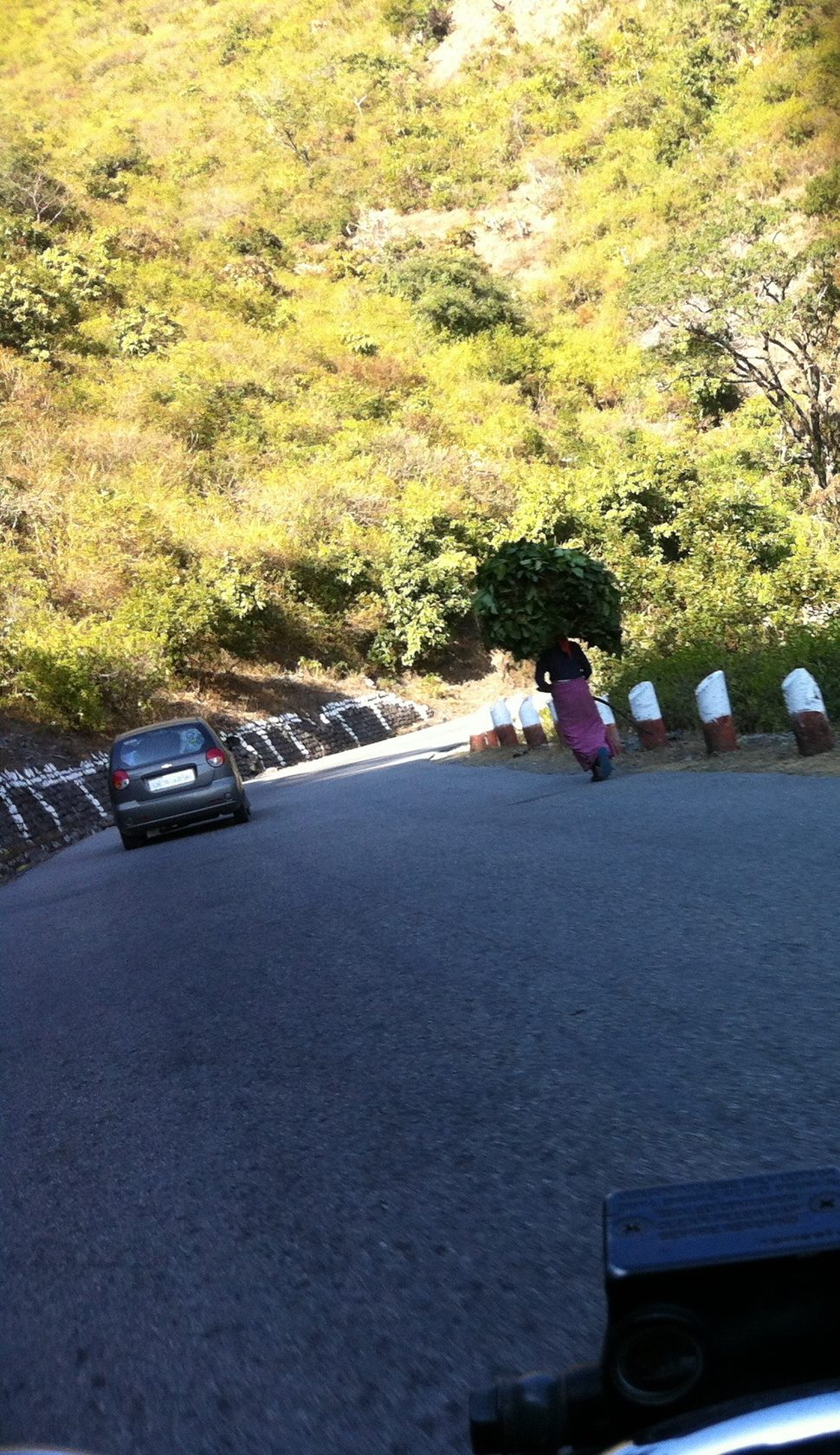
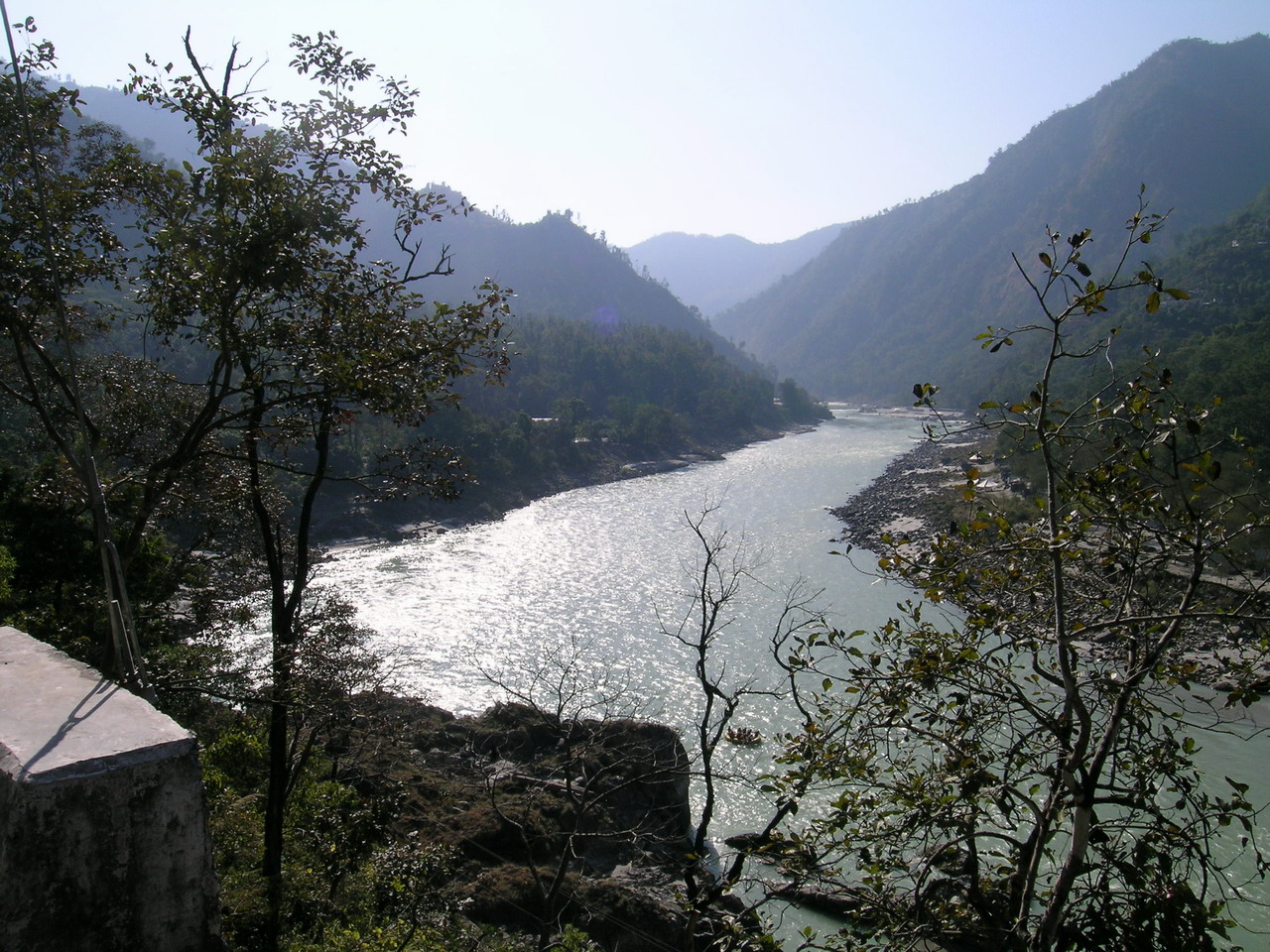
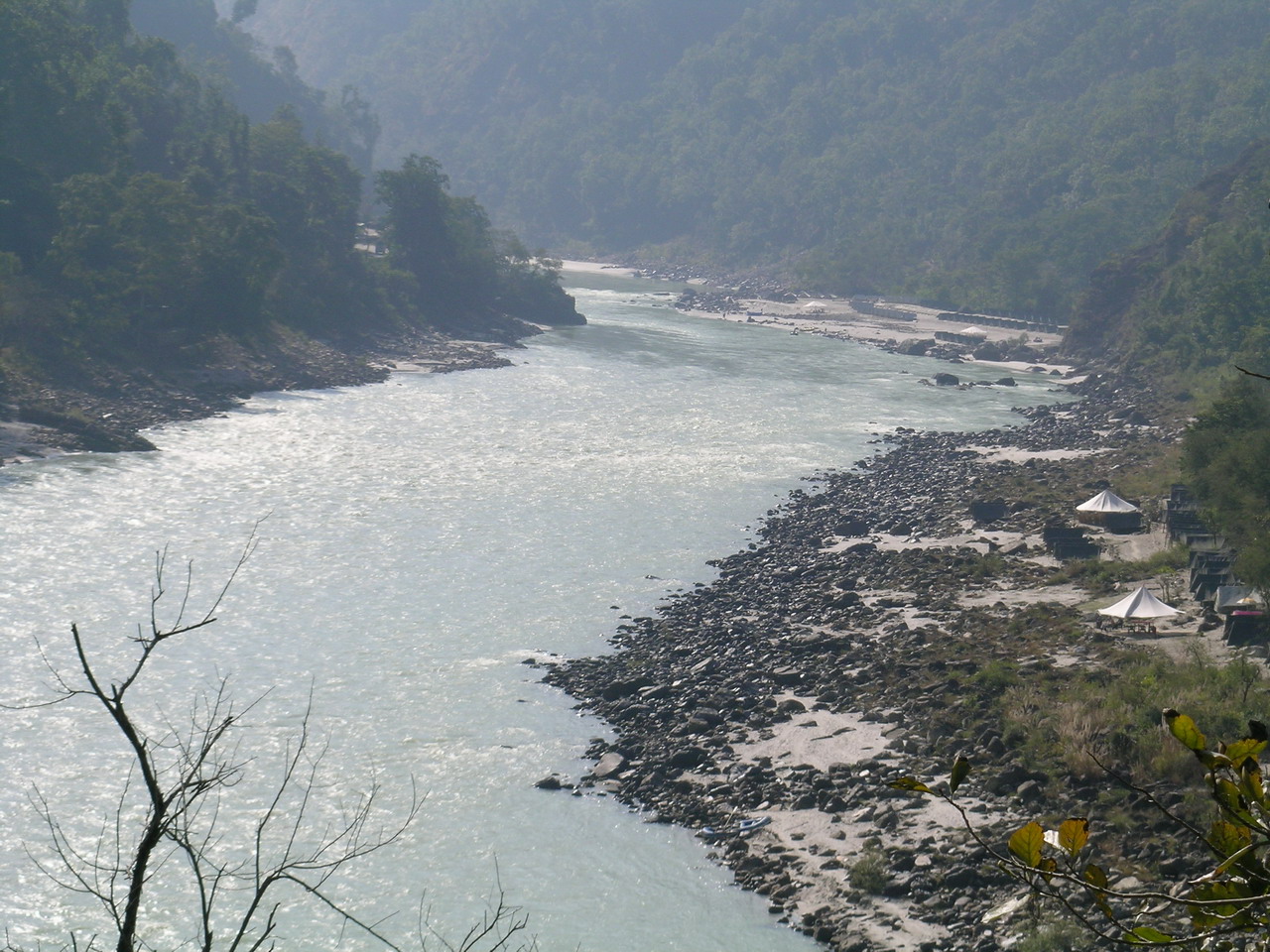
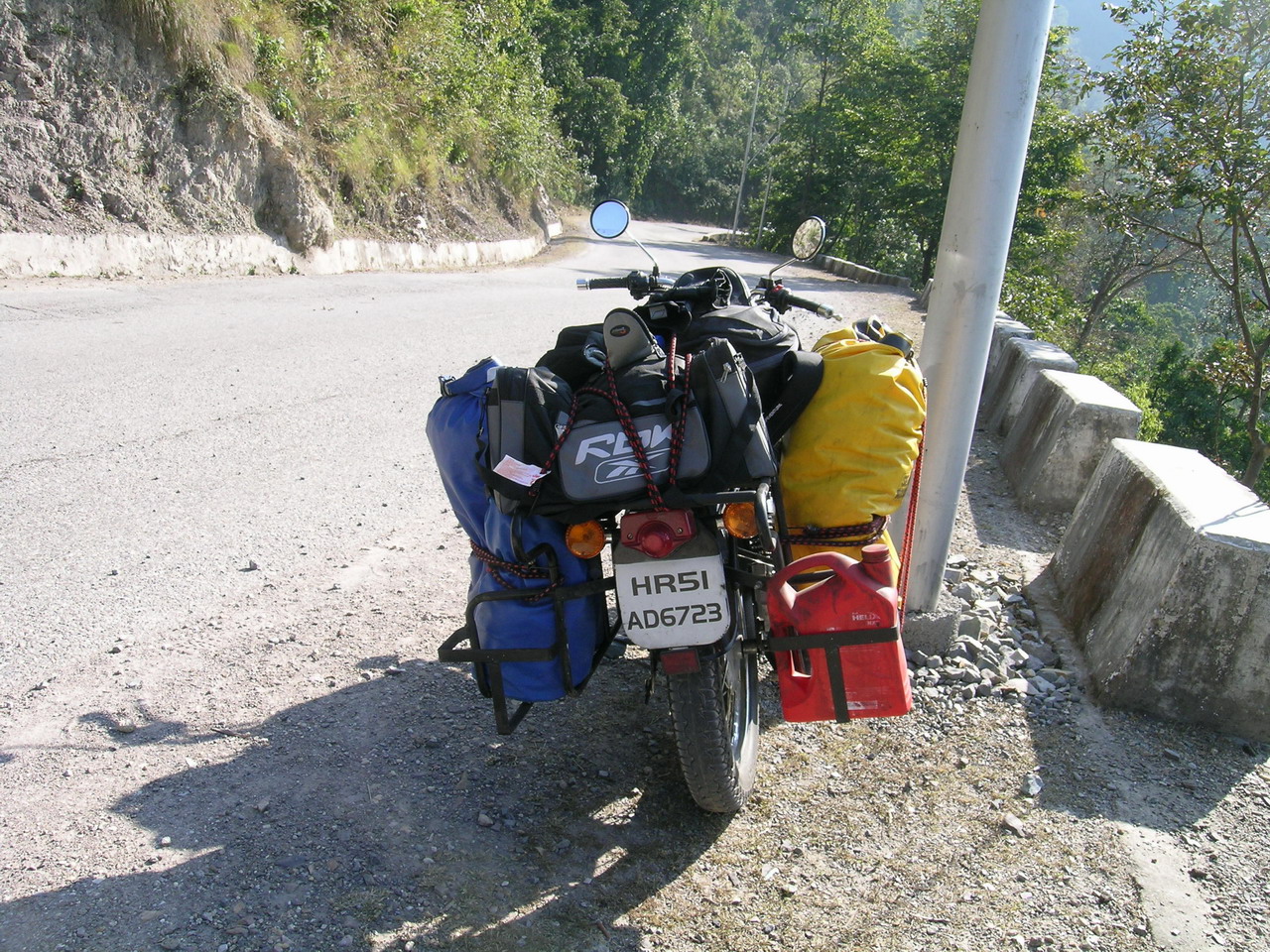
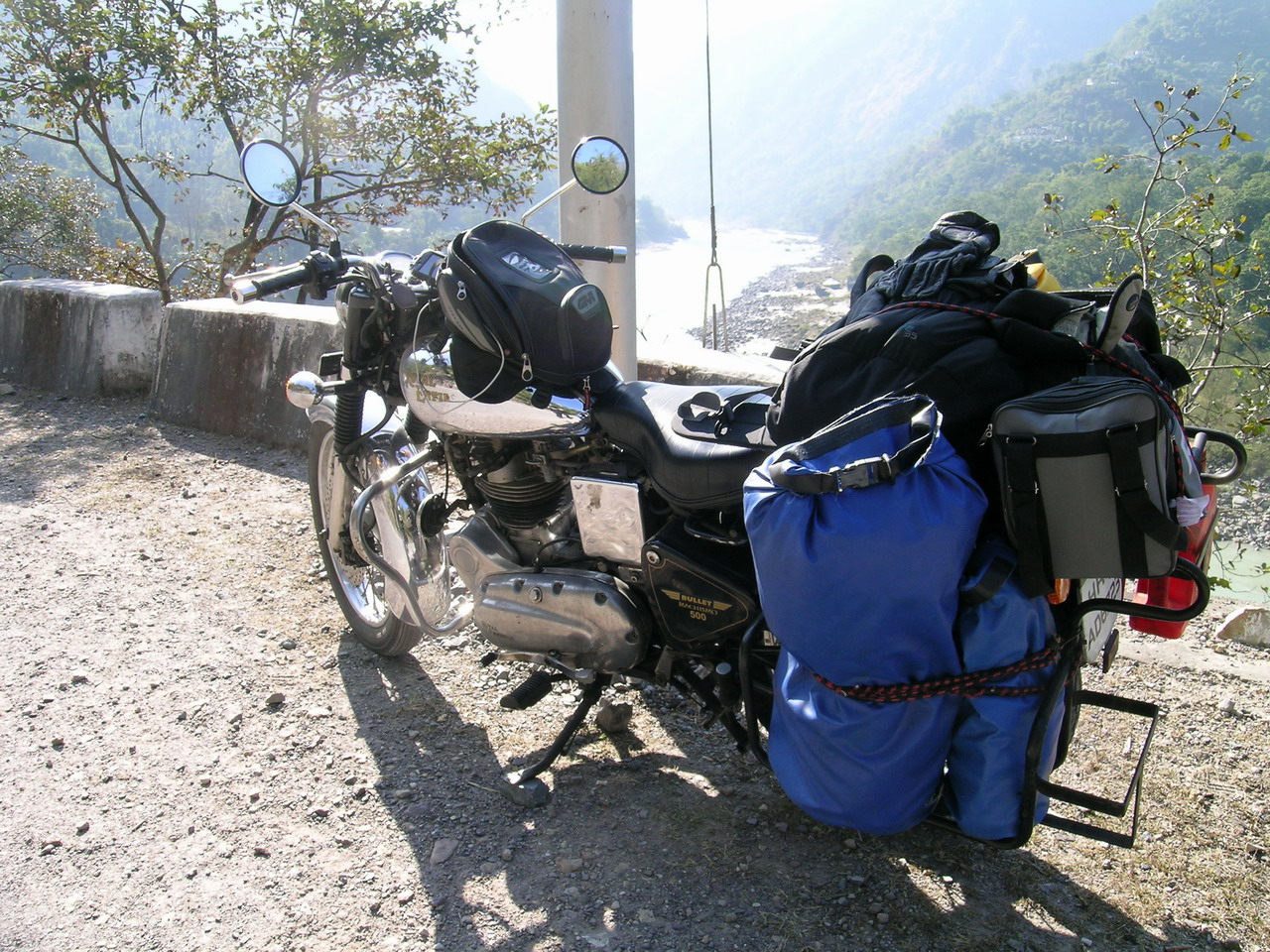
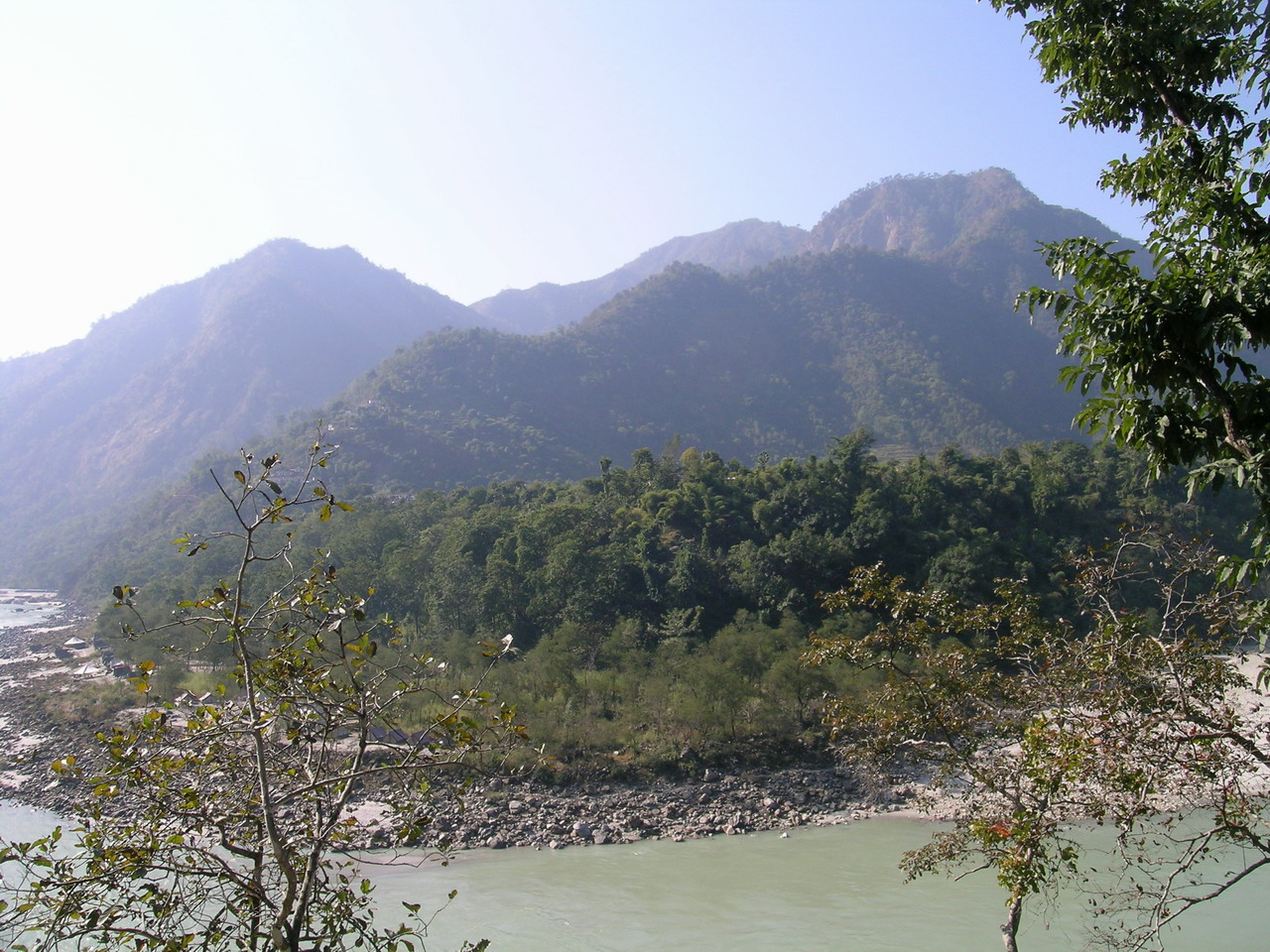
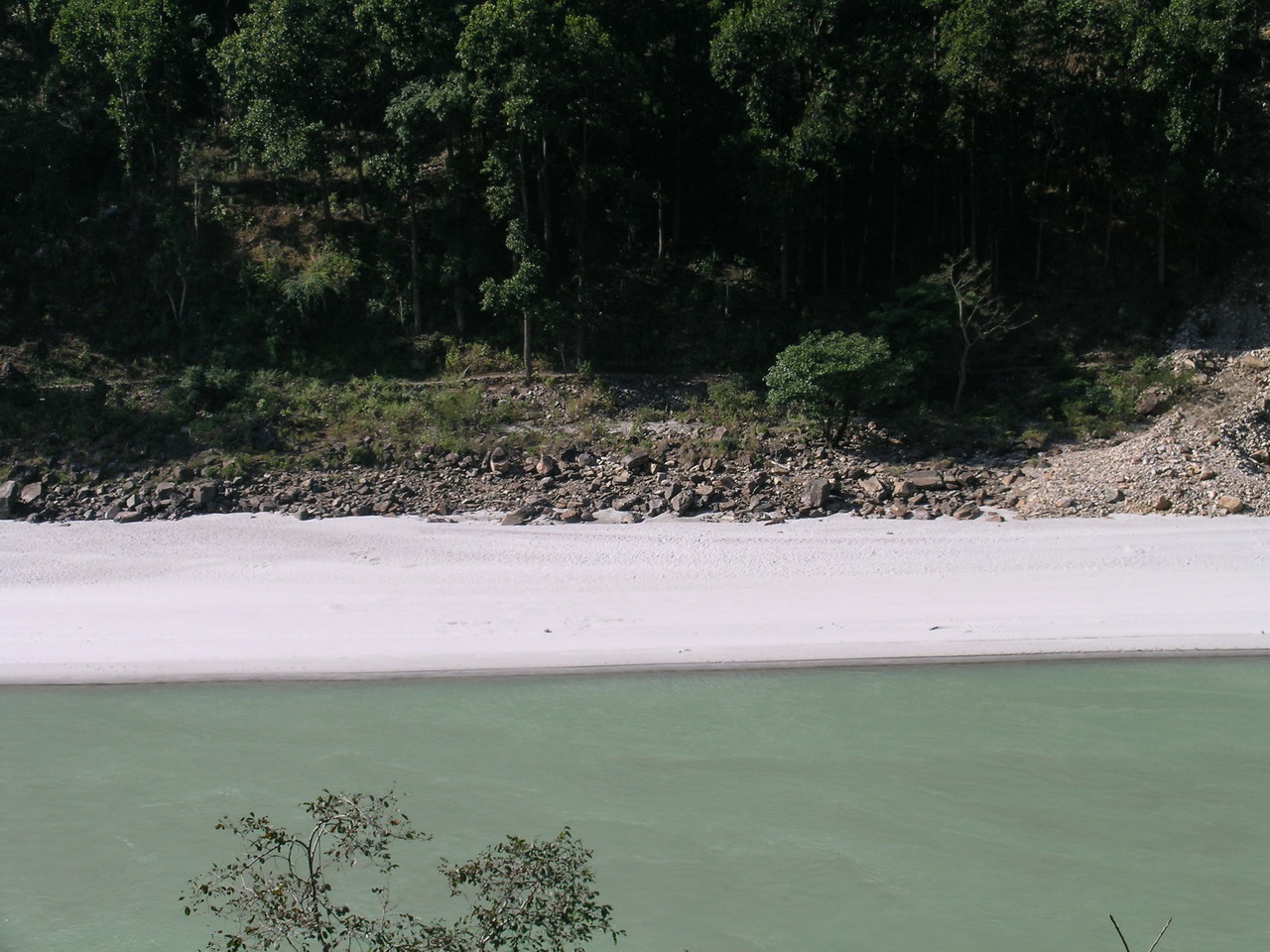
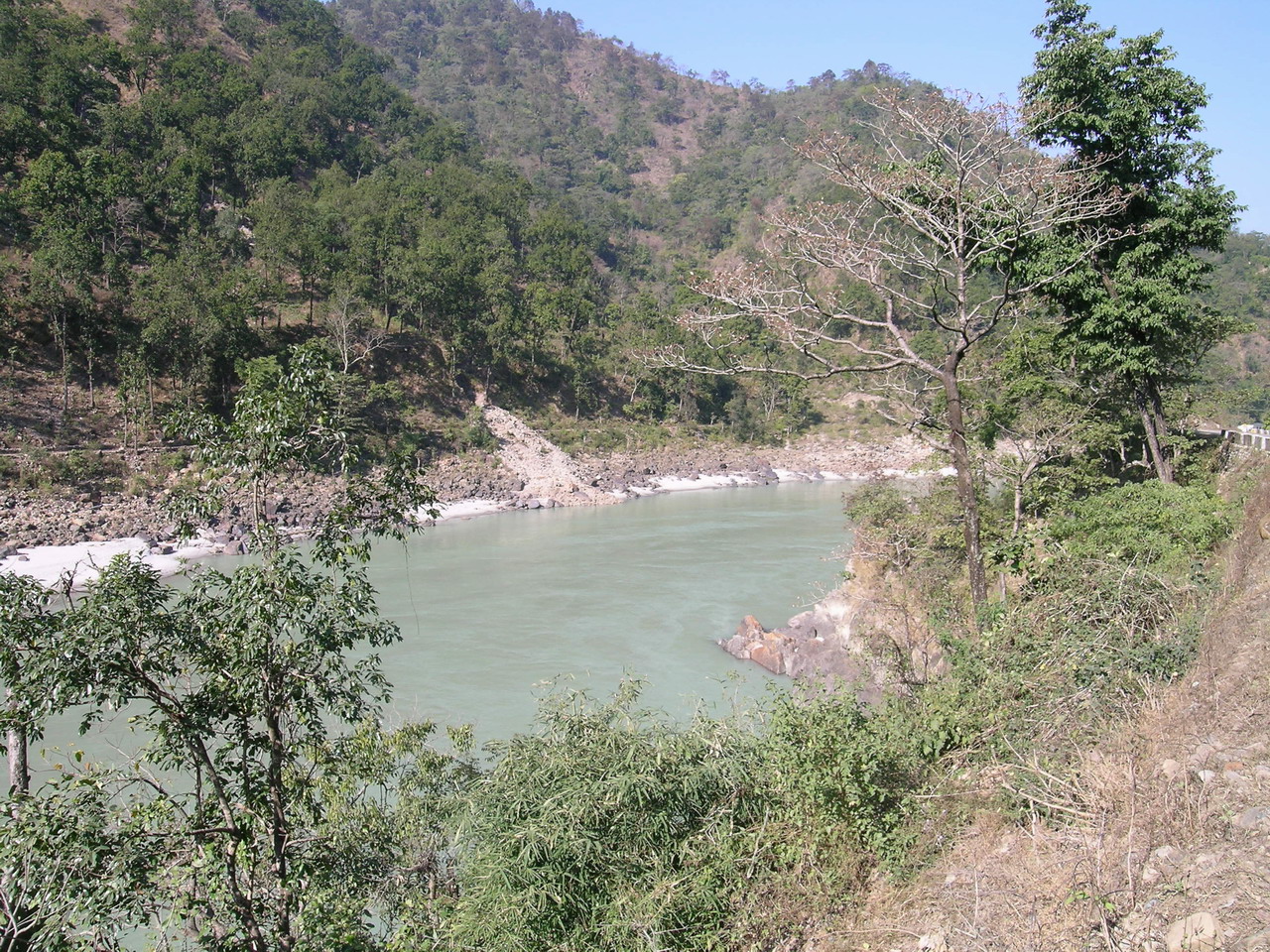
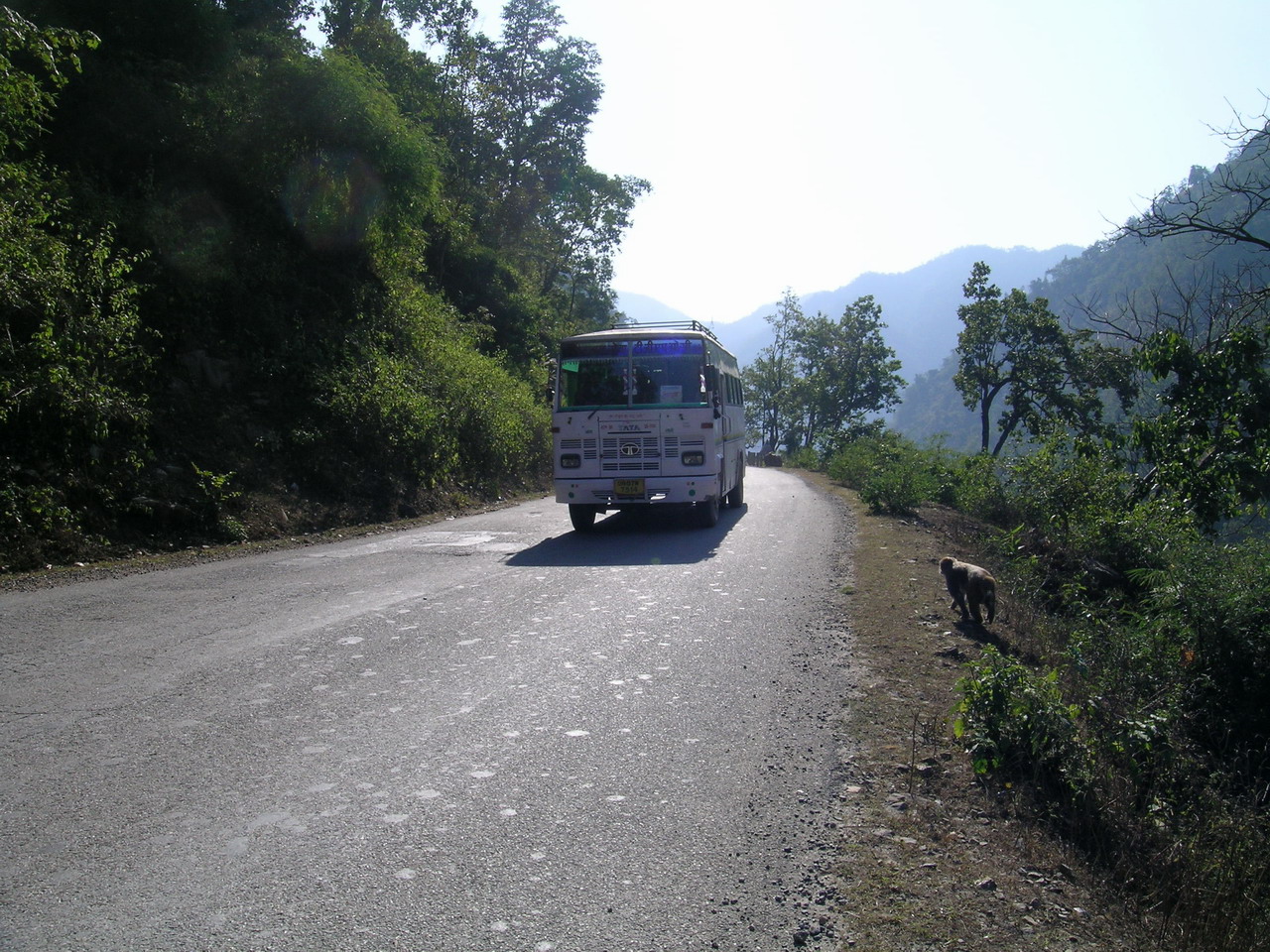
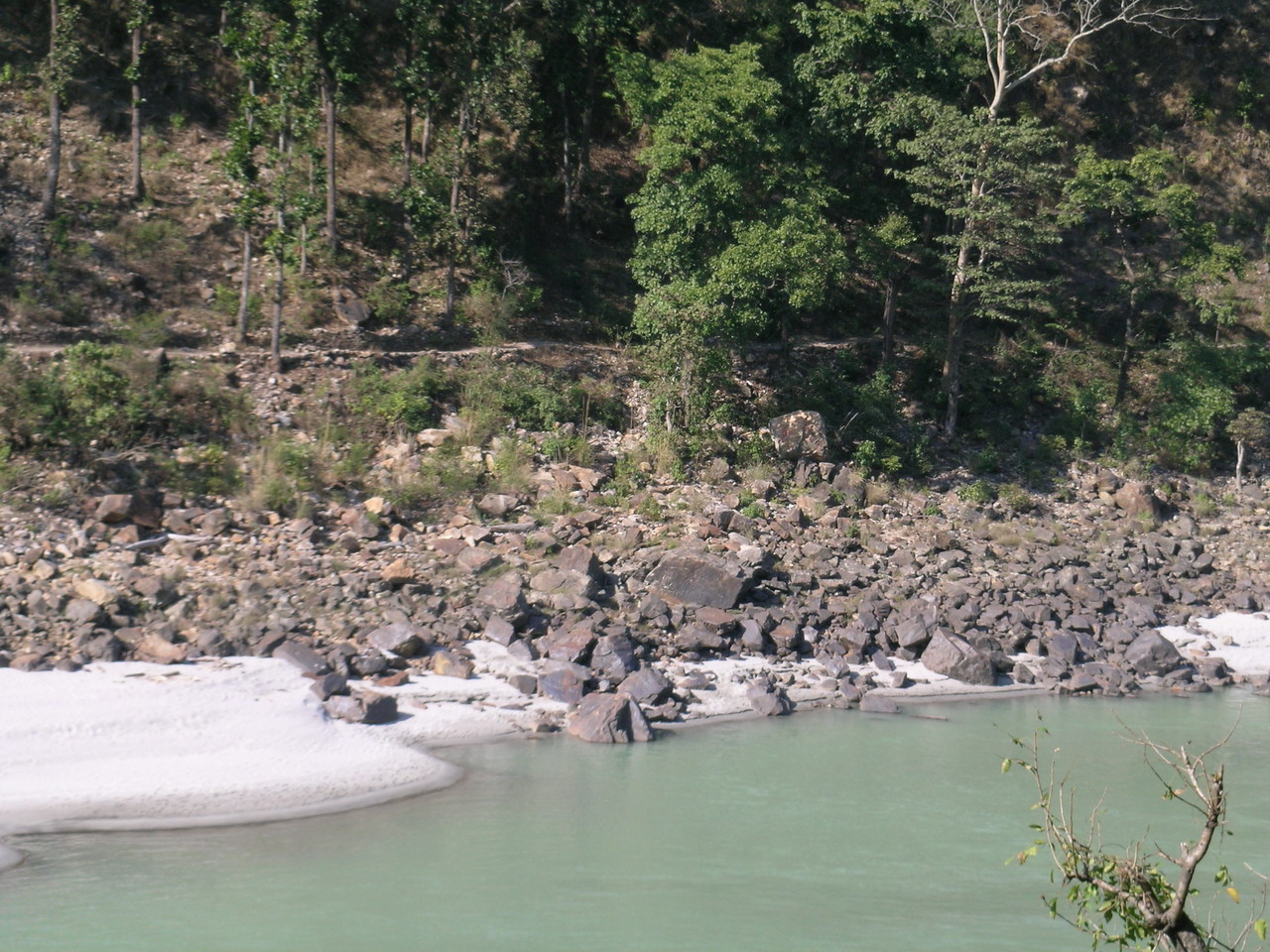
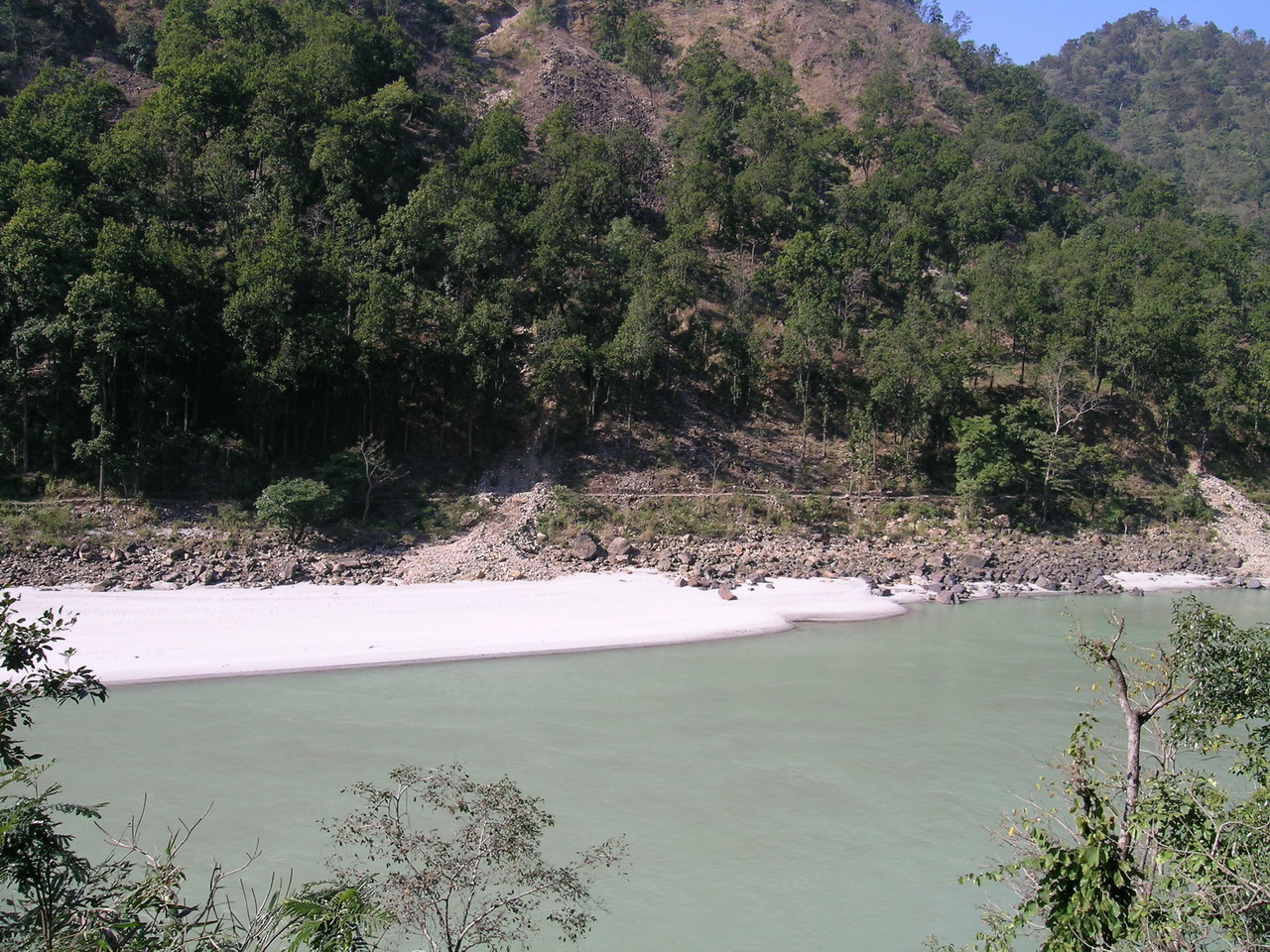
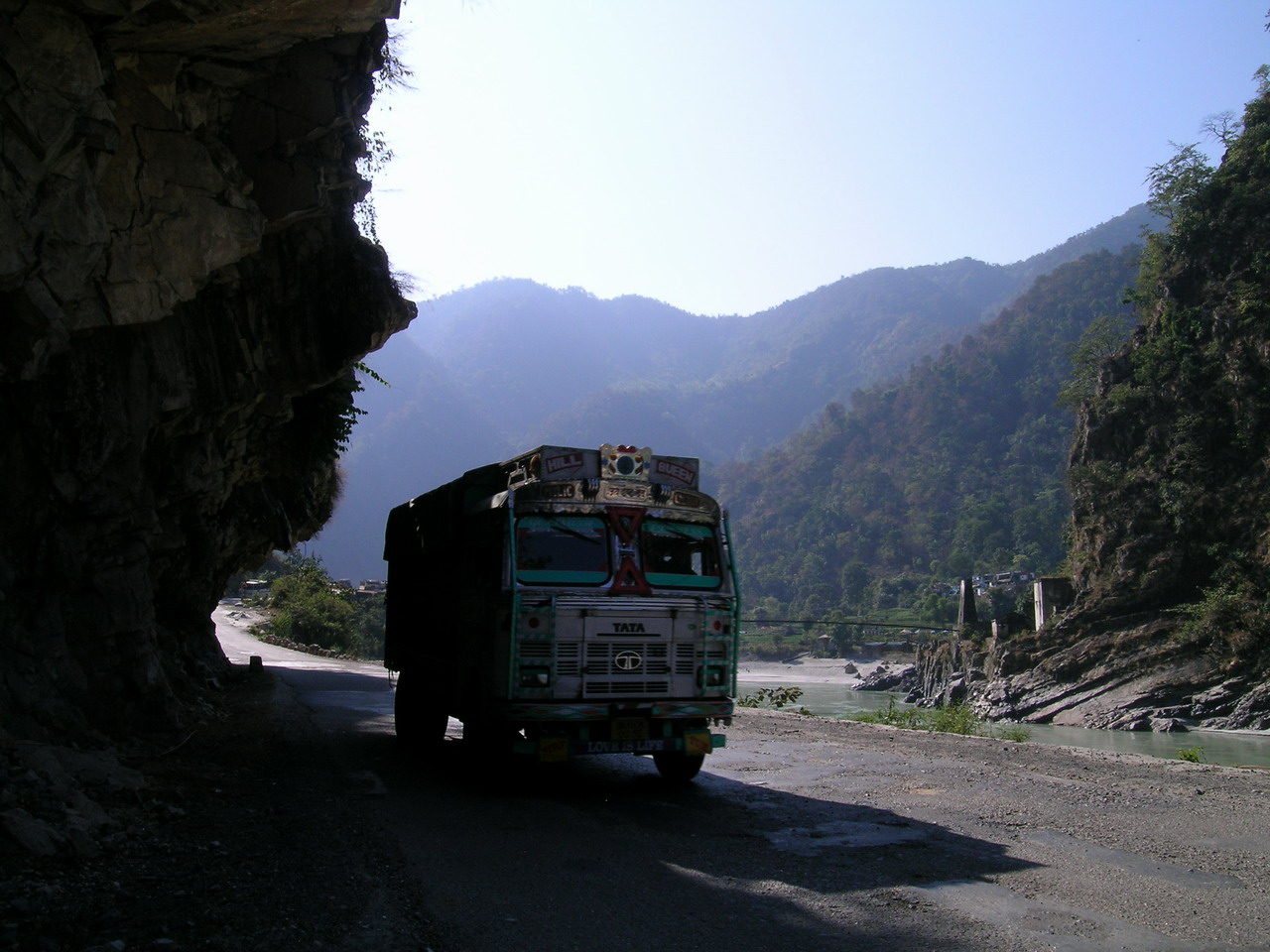
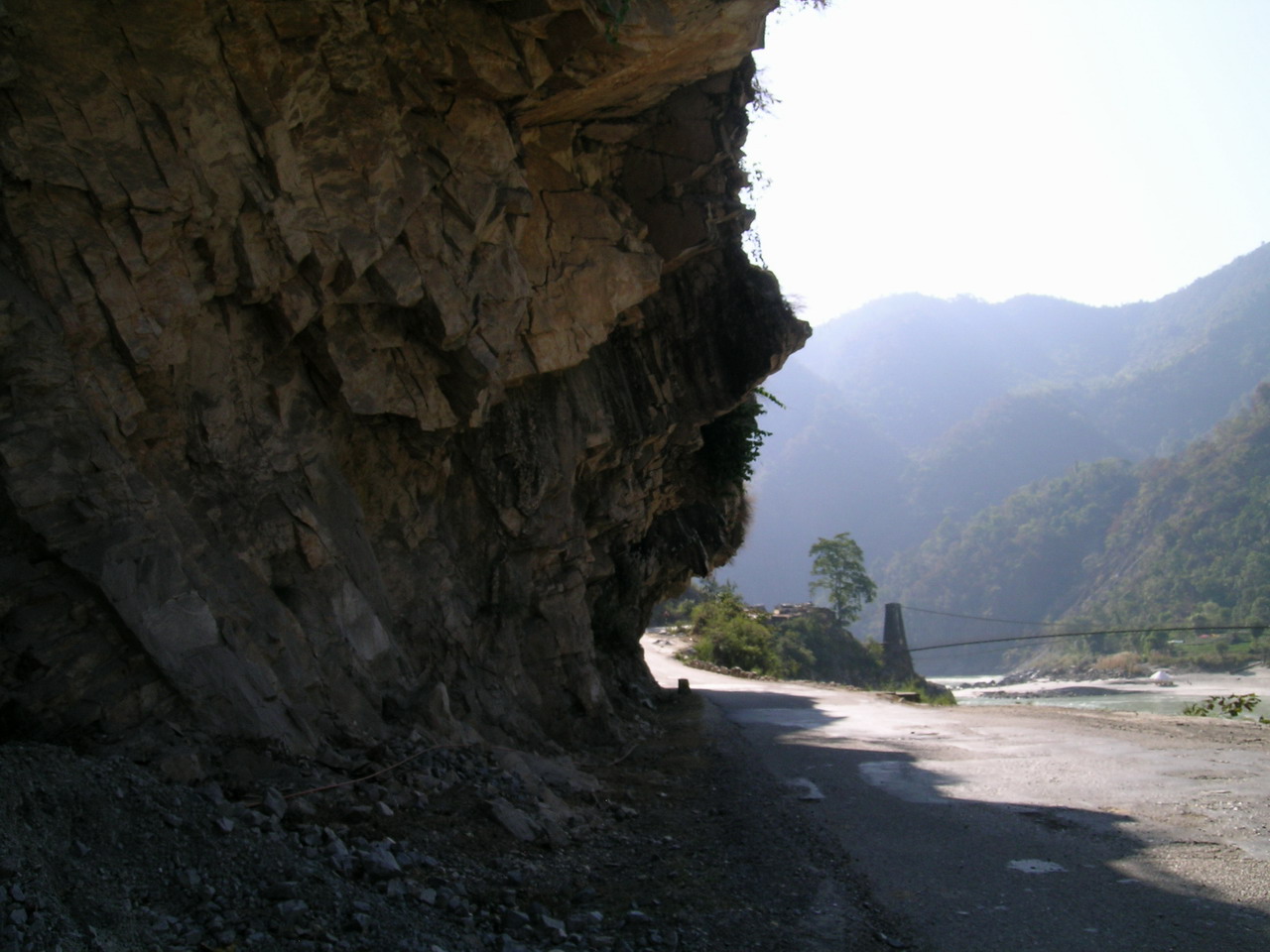
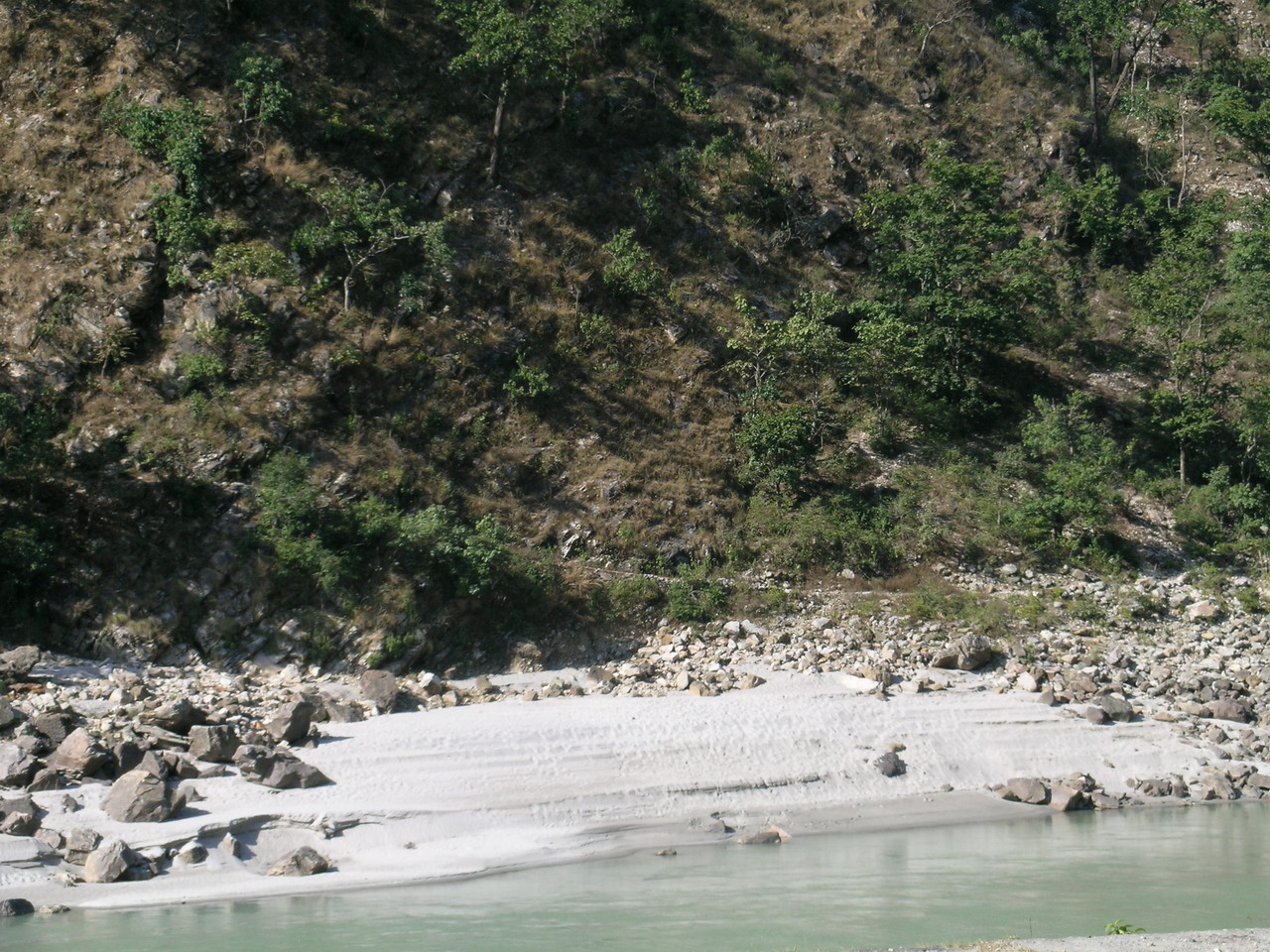
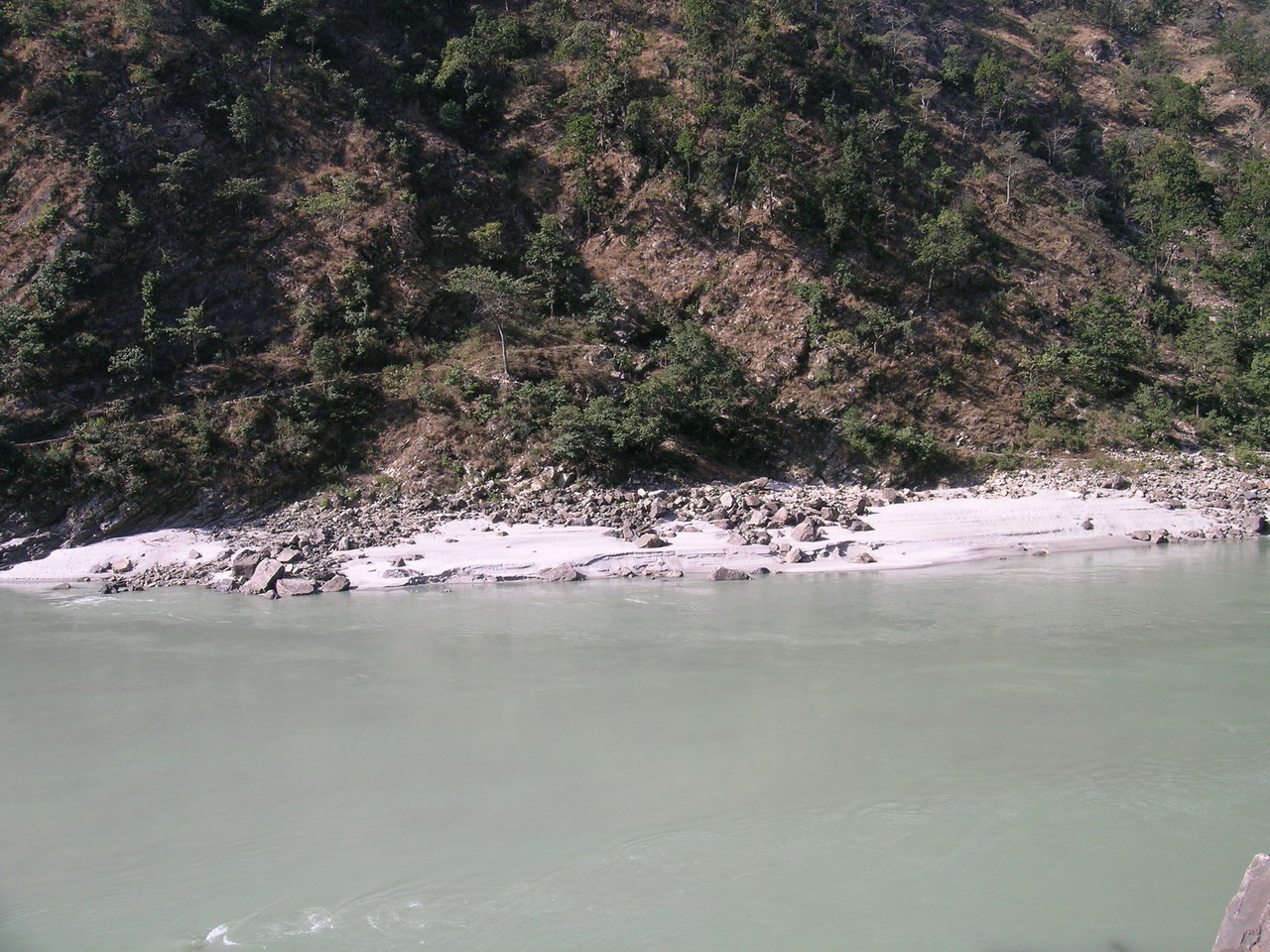
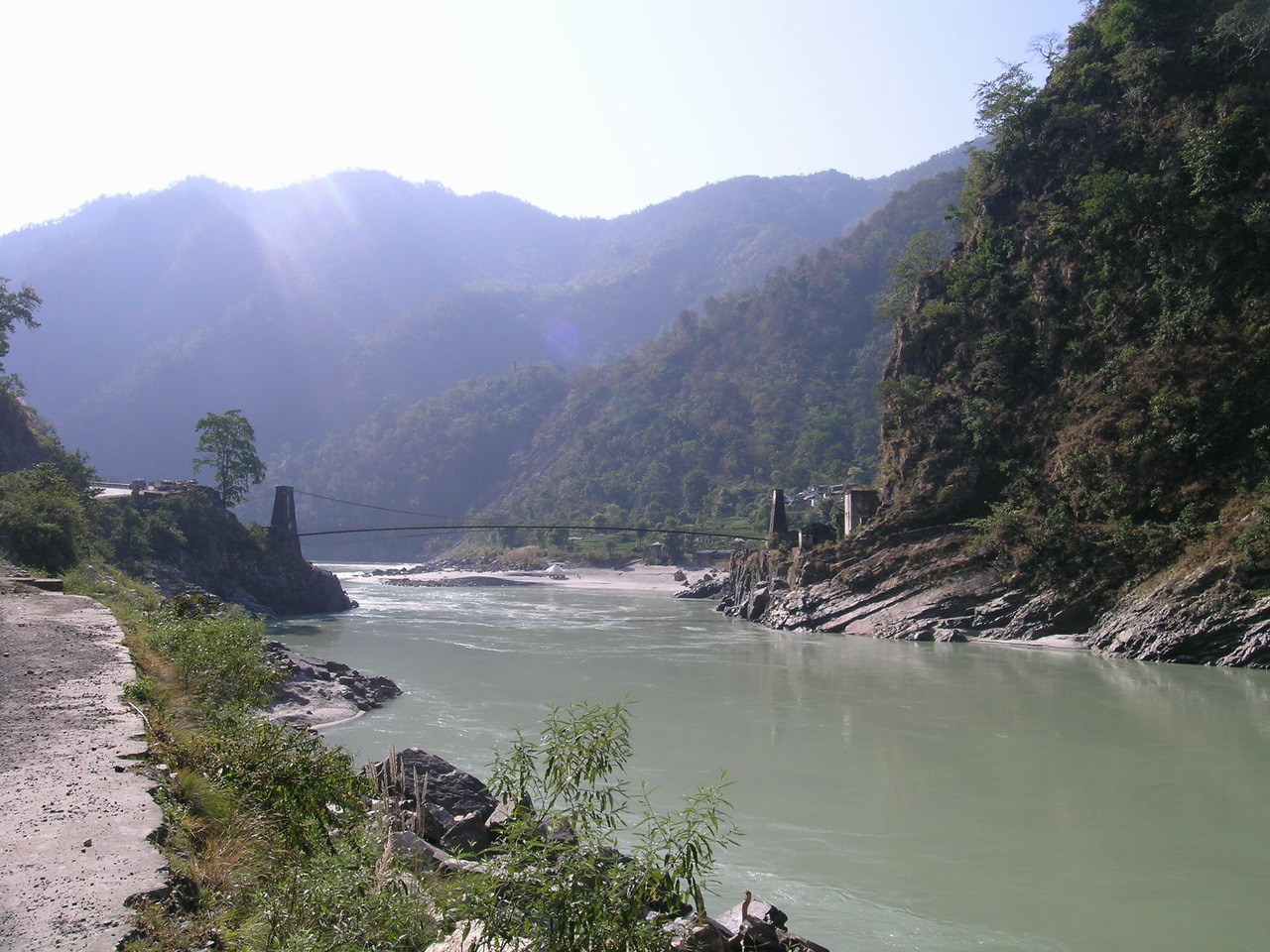
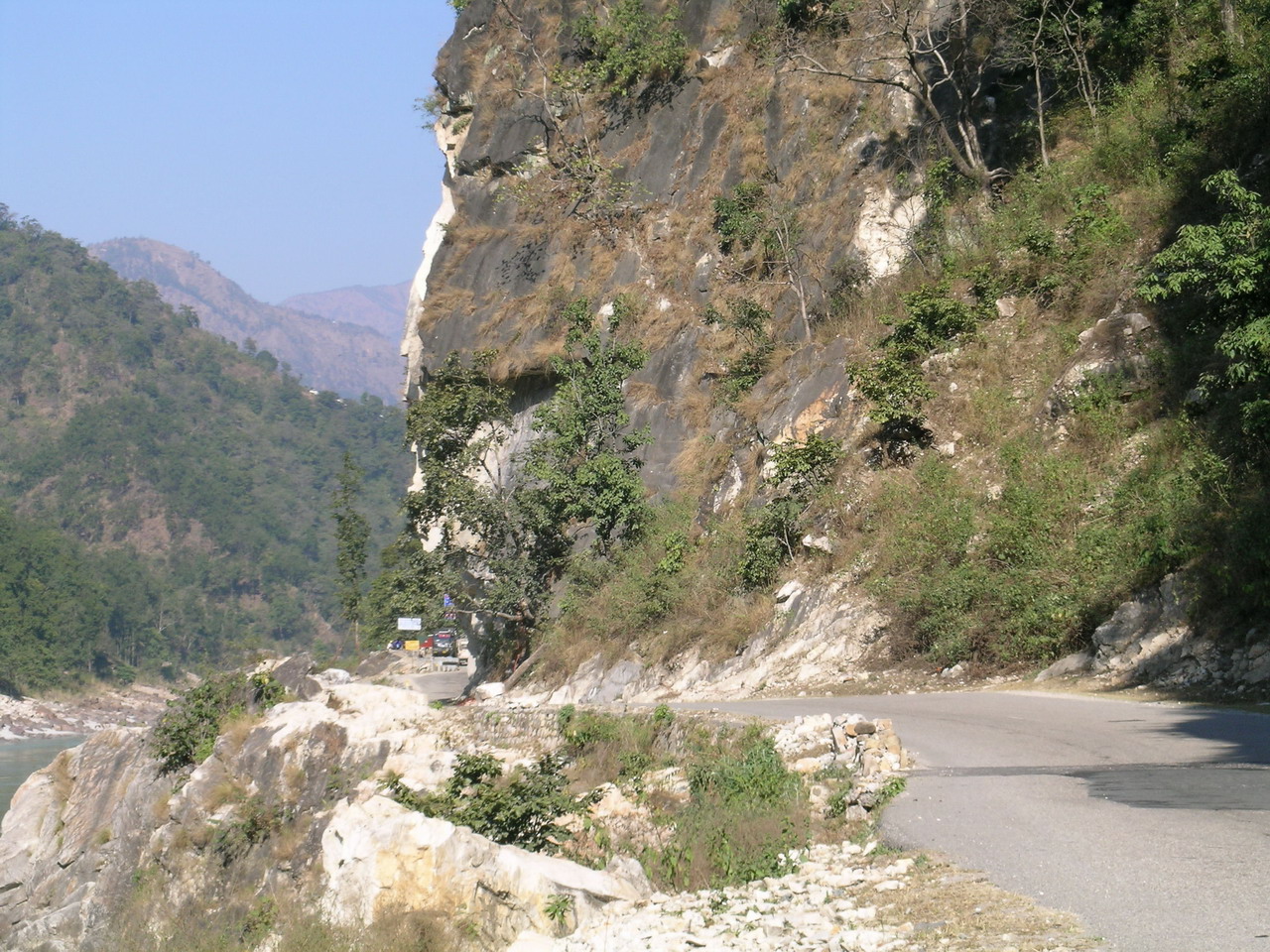
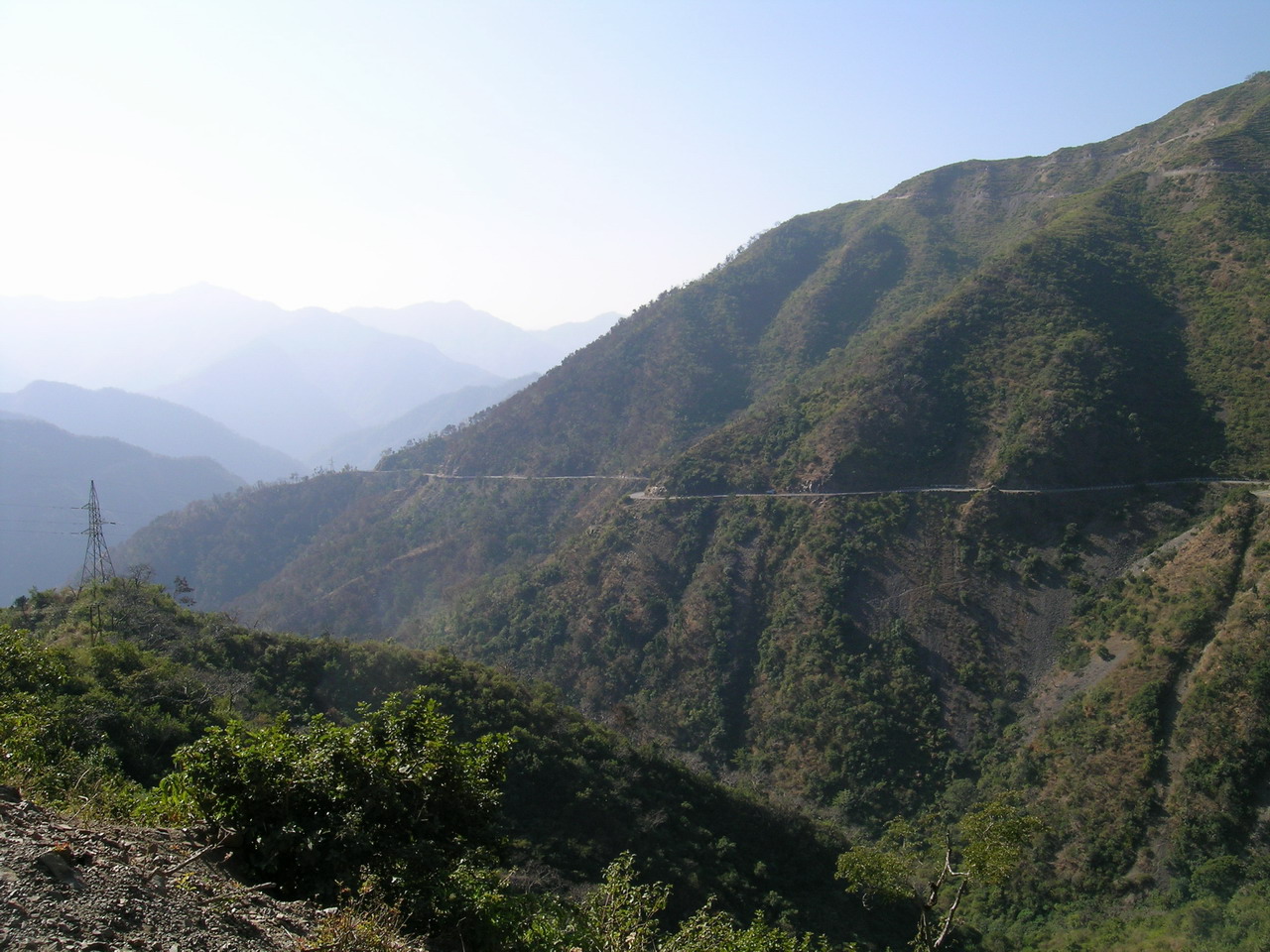
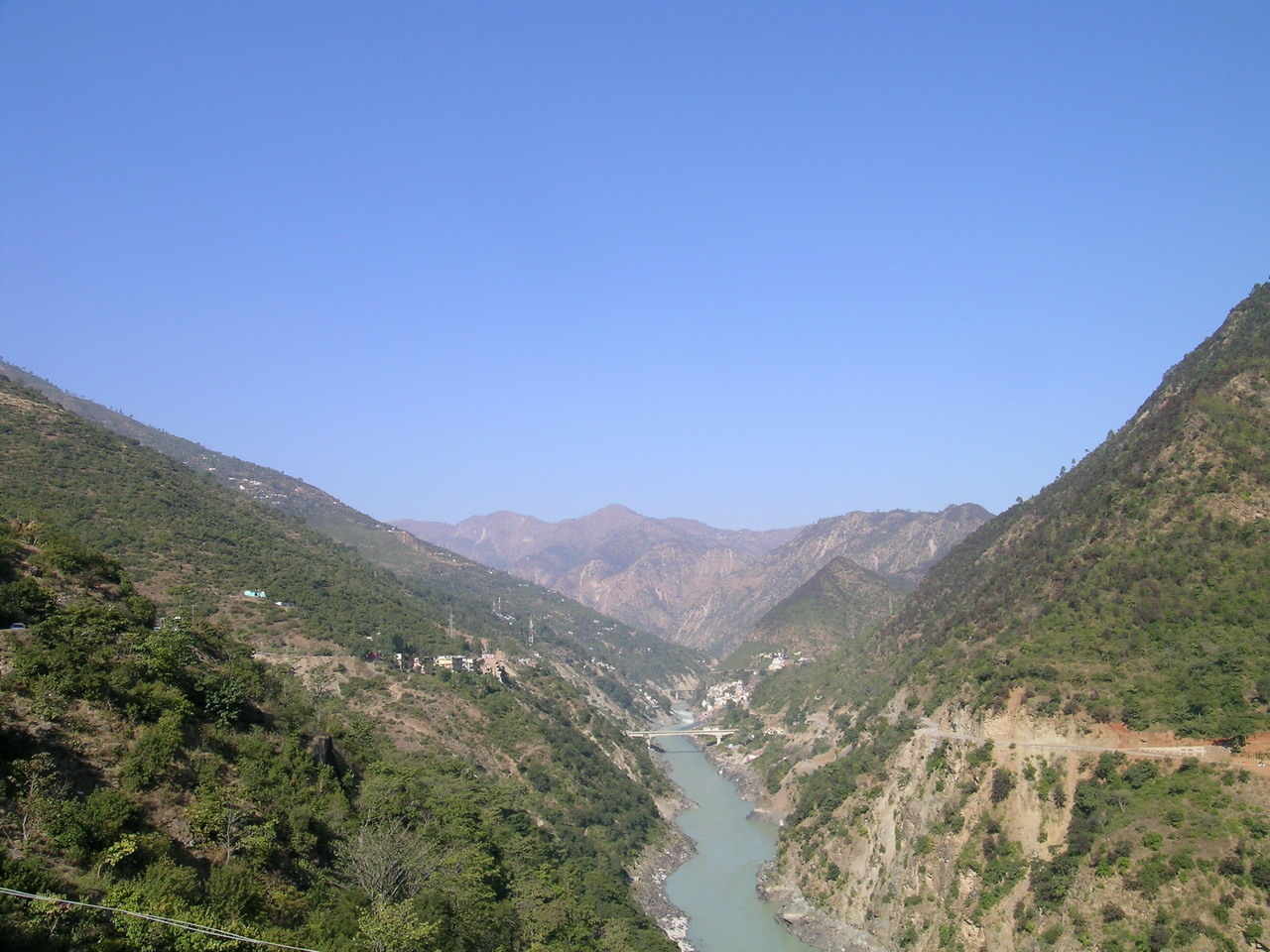
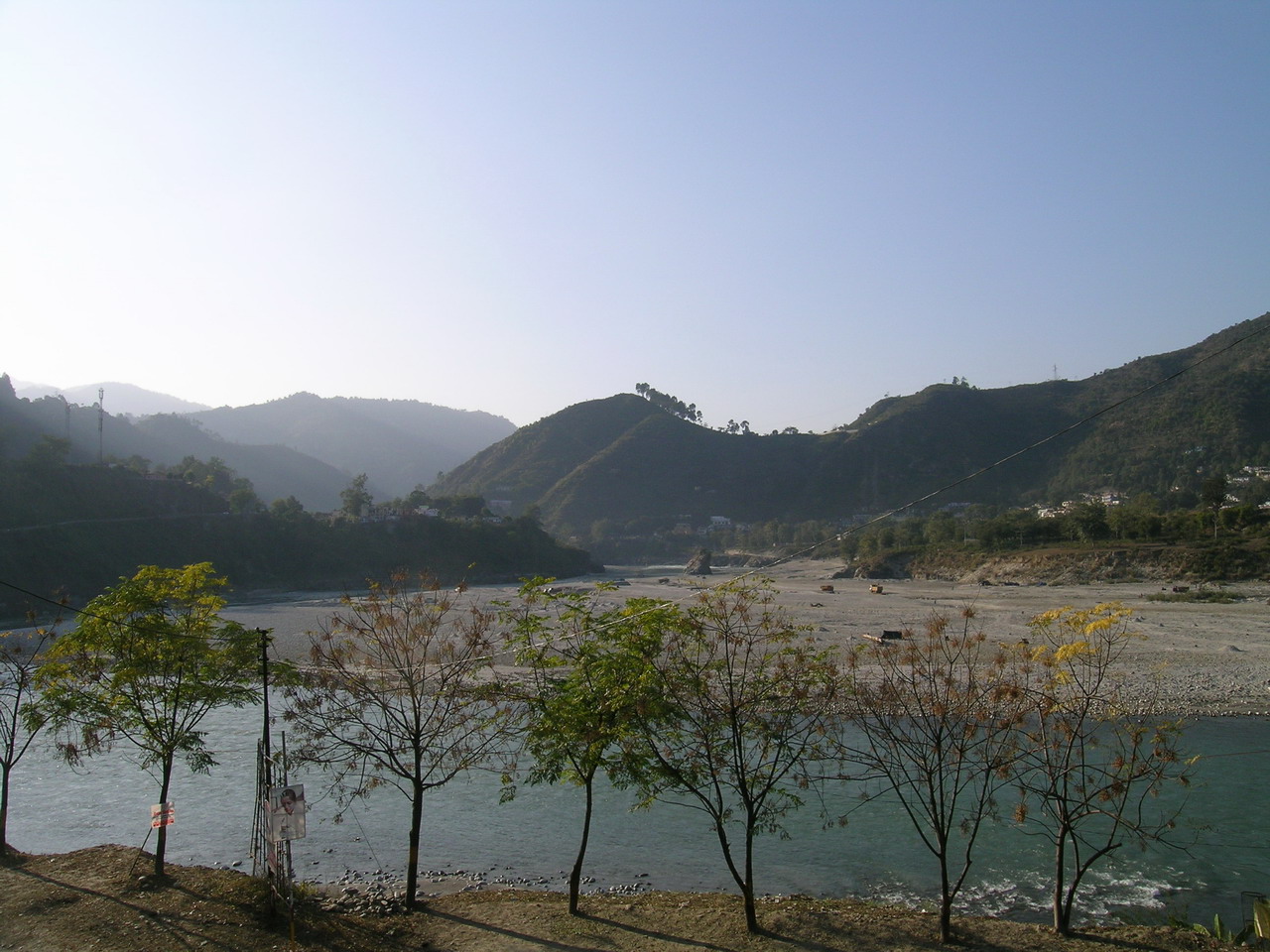
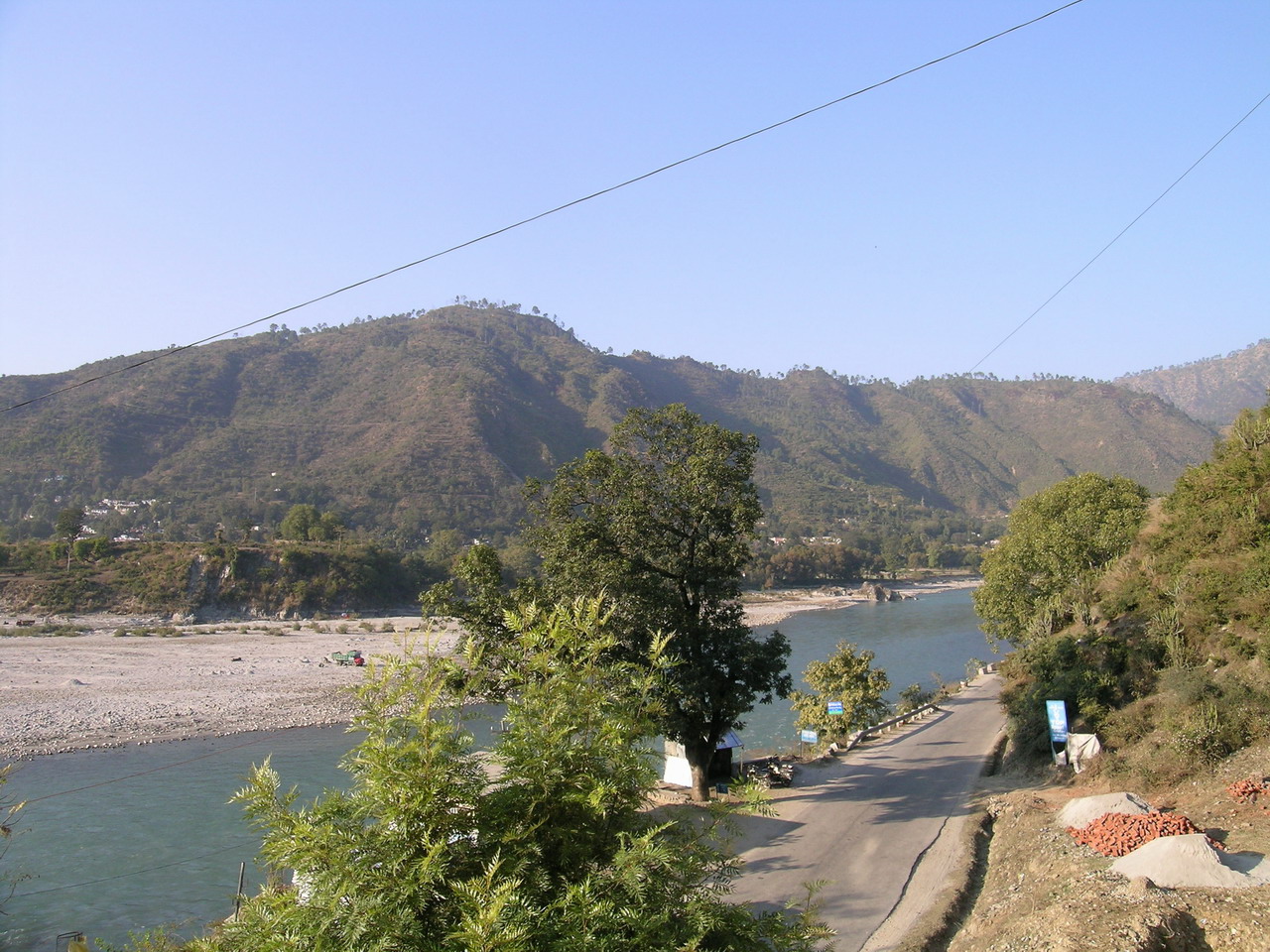
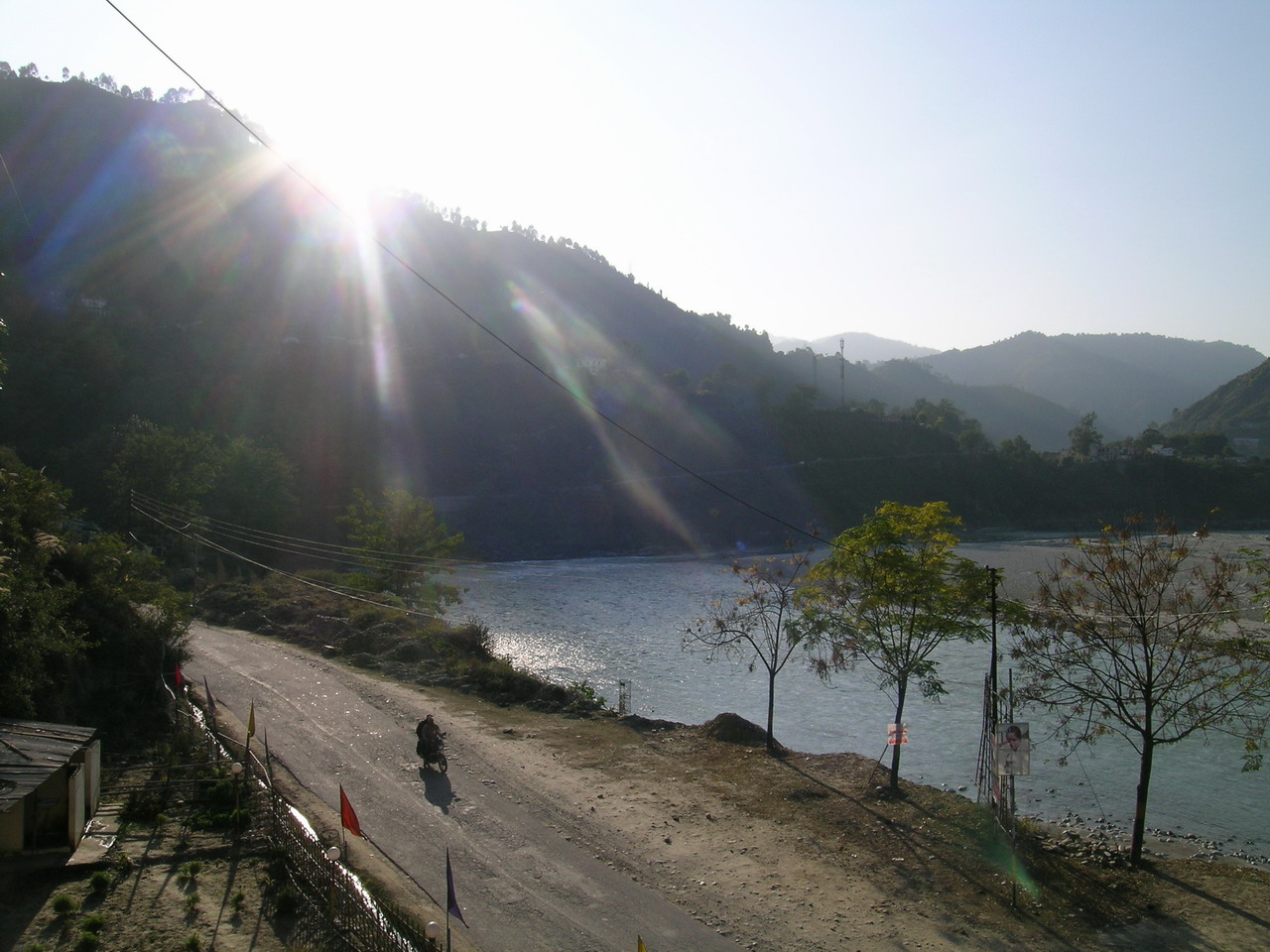
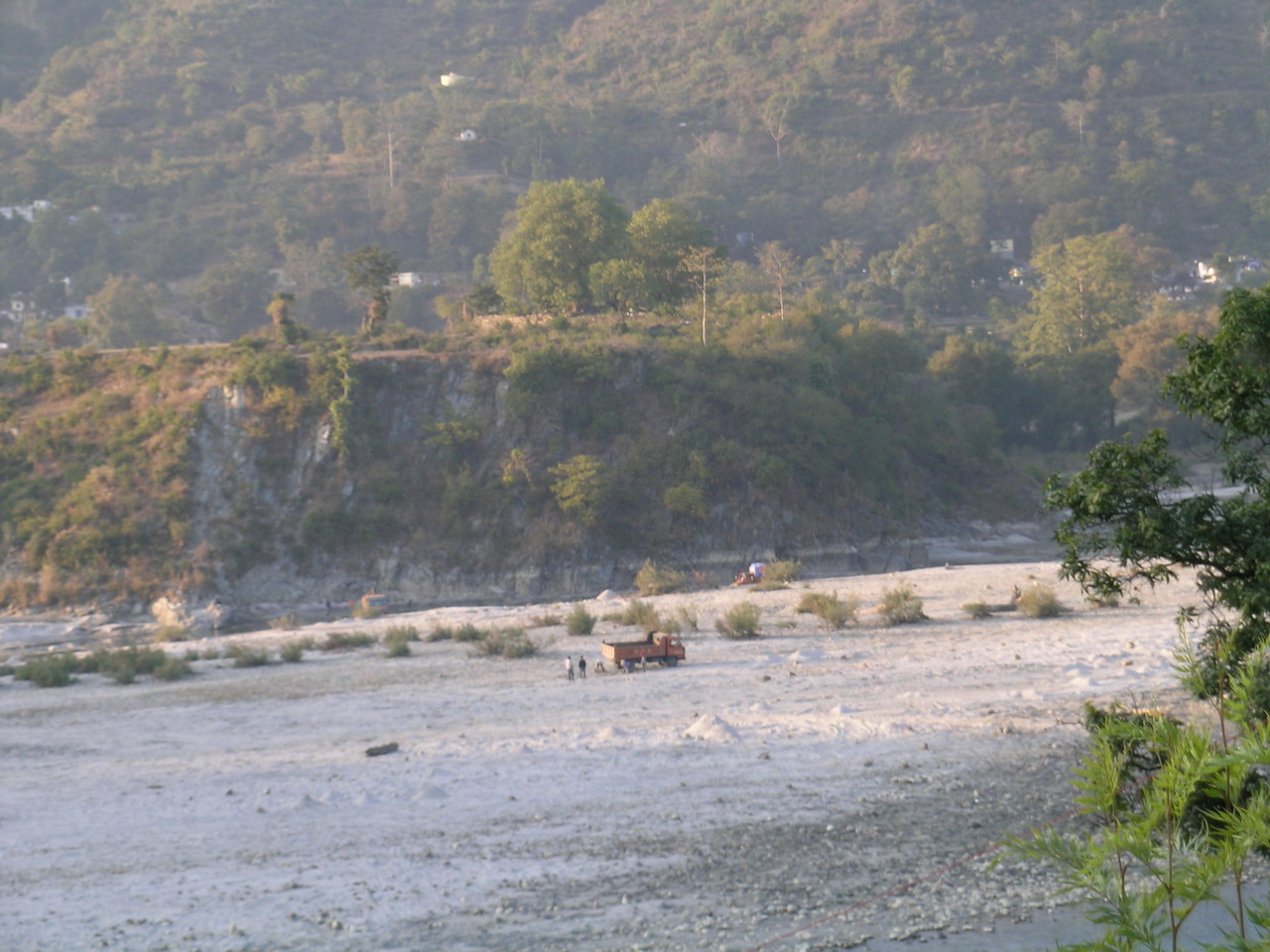
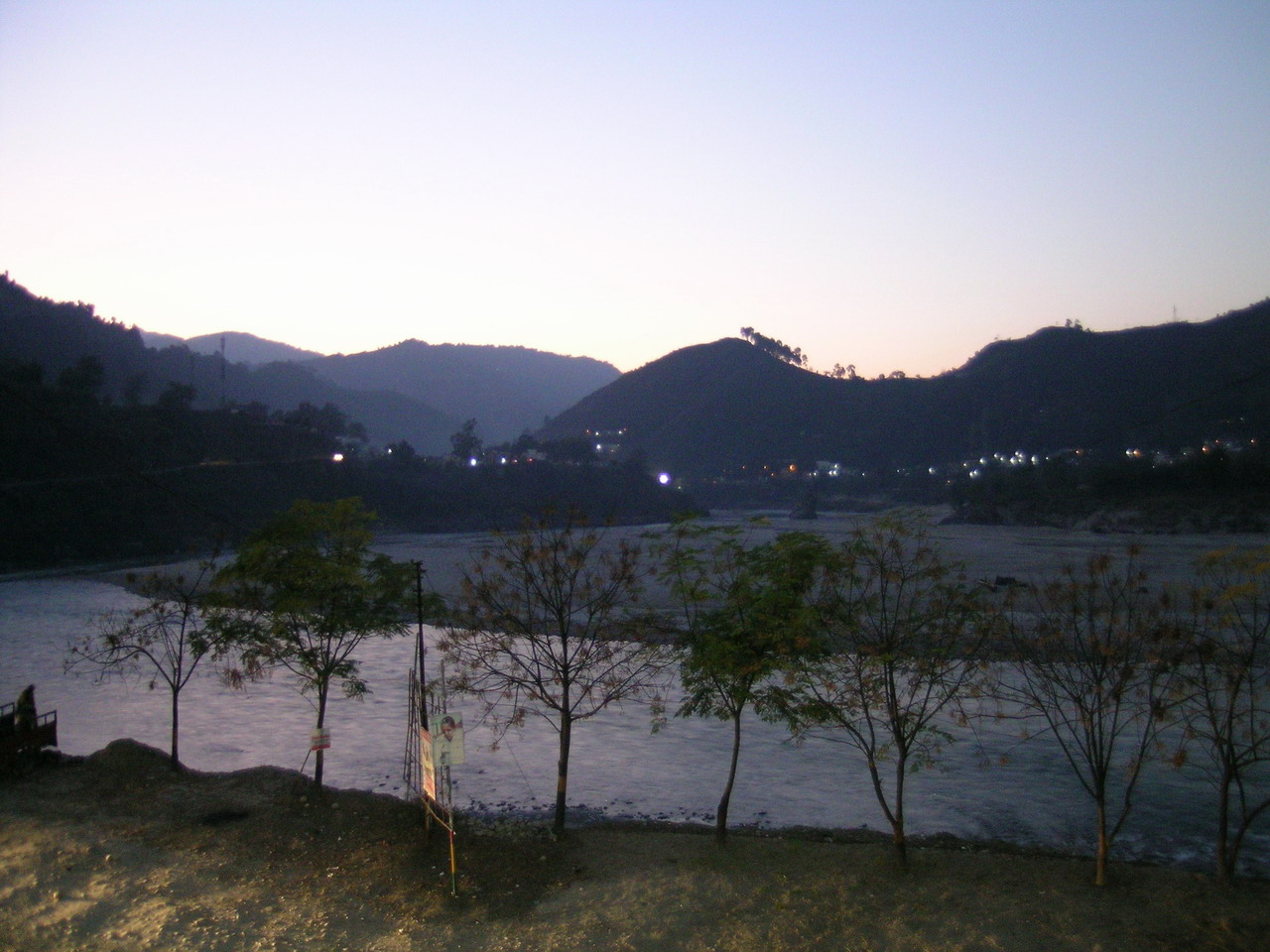
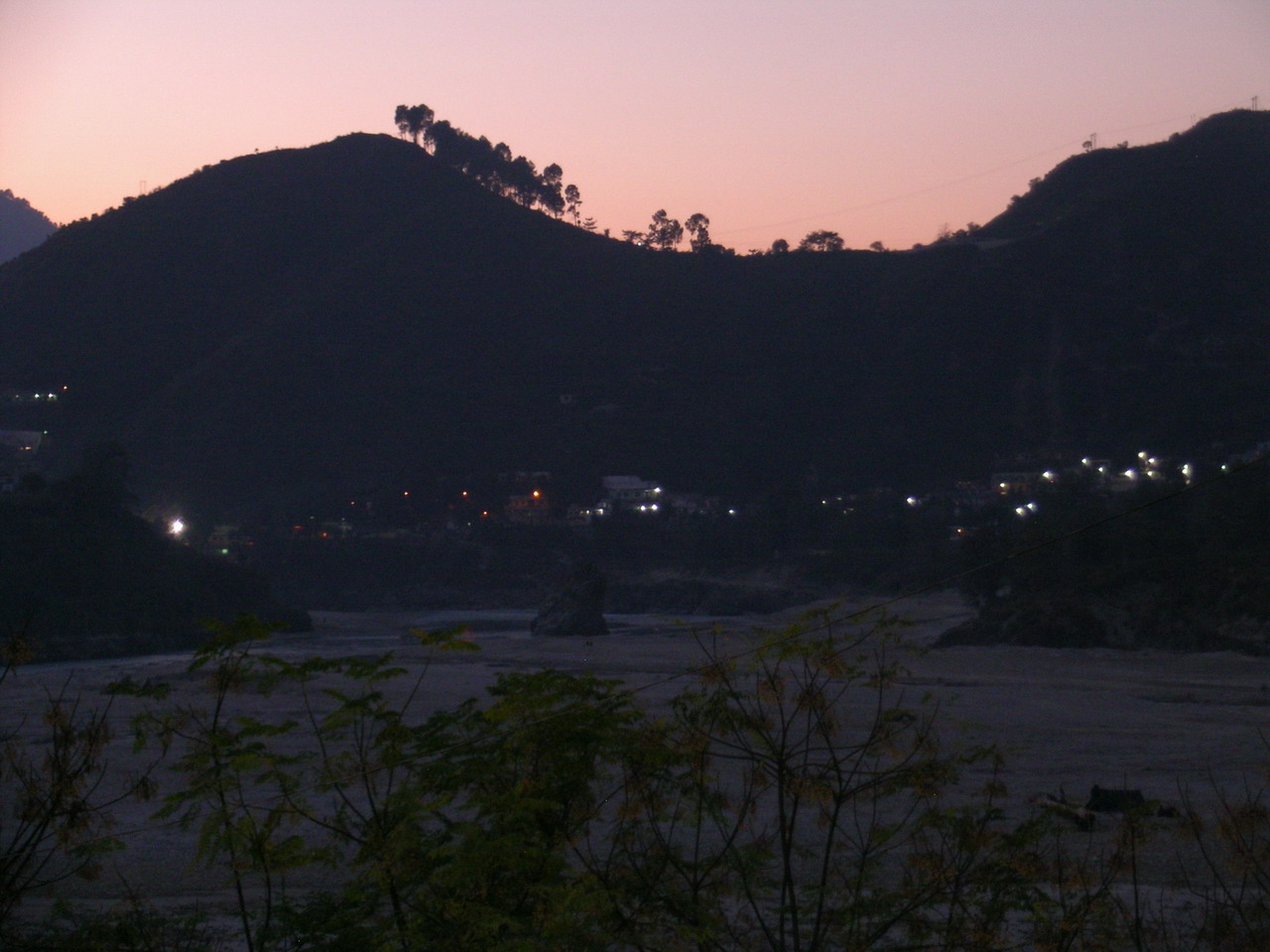
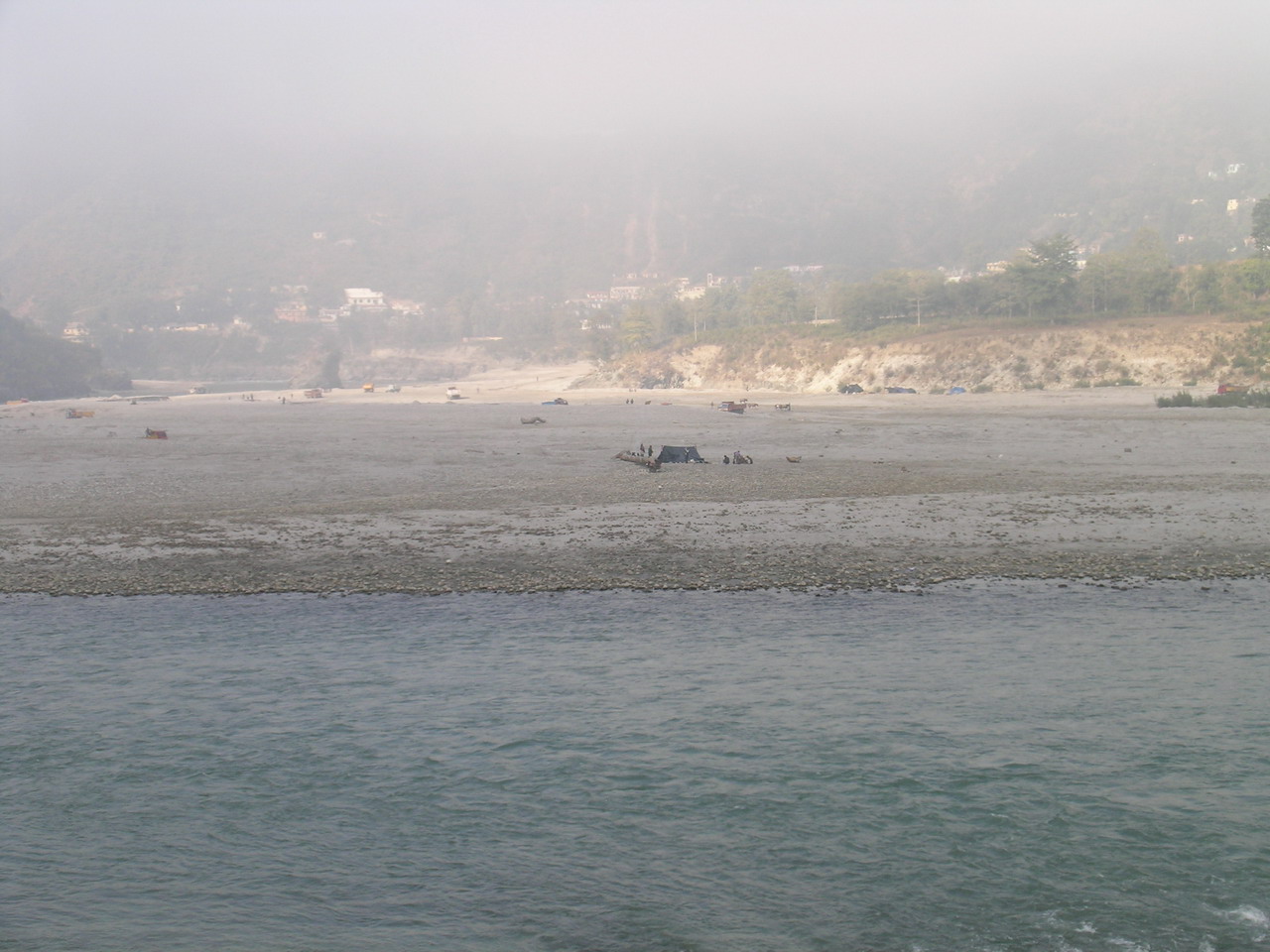
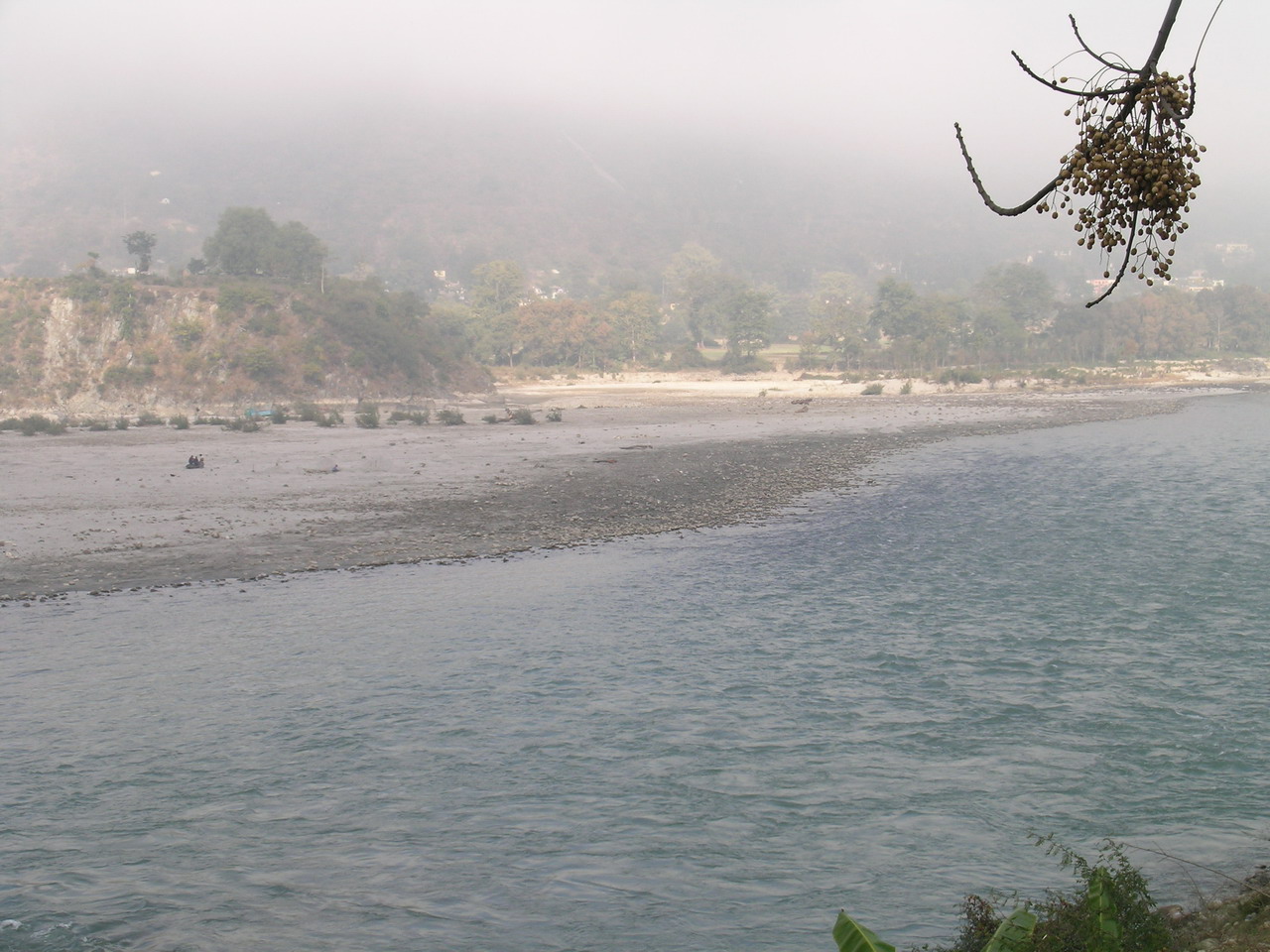
But Rishikesh is also known as ‘the gateway to the Himalaya,’ and once past it, the road and the landscape changed dramatically. Dirt tracks, fords, switchbacks winding along the valley carved out by the Ganges. My average speed collapsed. I keep climbing, keep following the river. The road gets steadily worse, the scenery steadily more beautiful. Nature absorbs me completely. The Ganges finally becomes properly clean, and you can just make out the snow-capped mountains, rising high toward Nepal (over 7,000 metres).
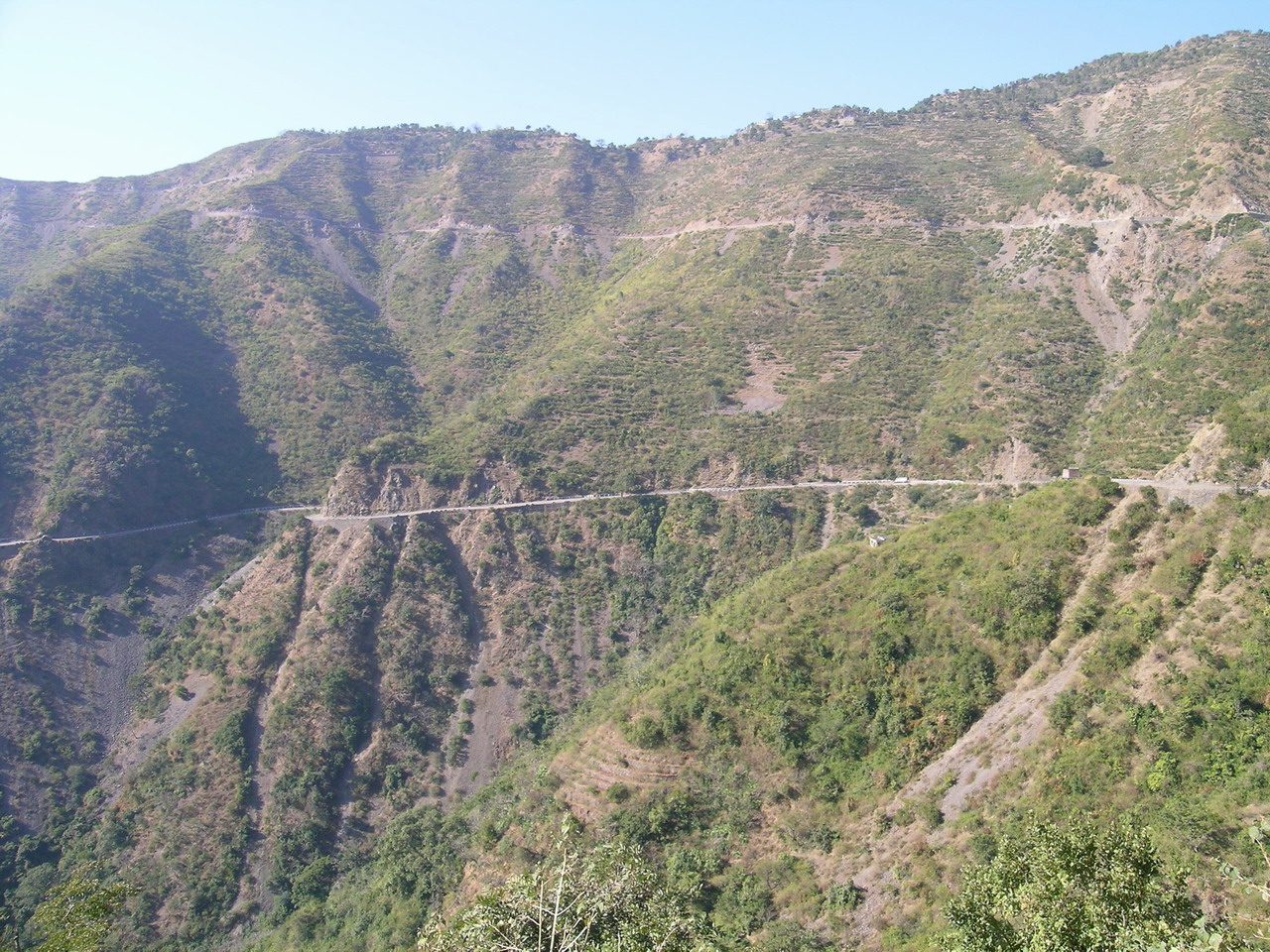
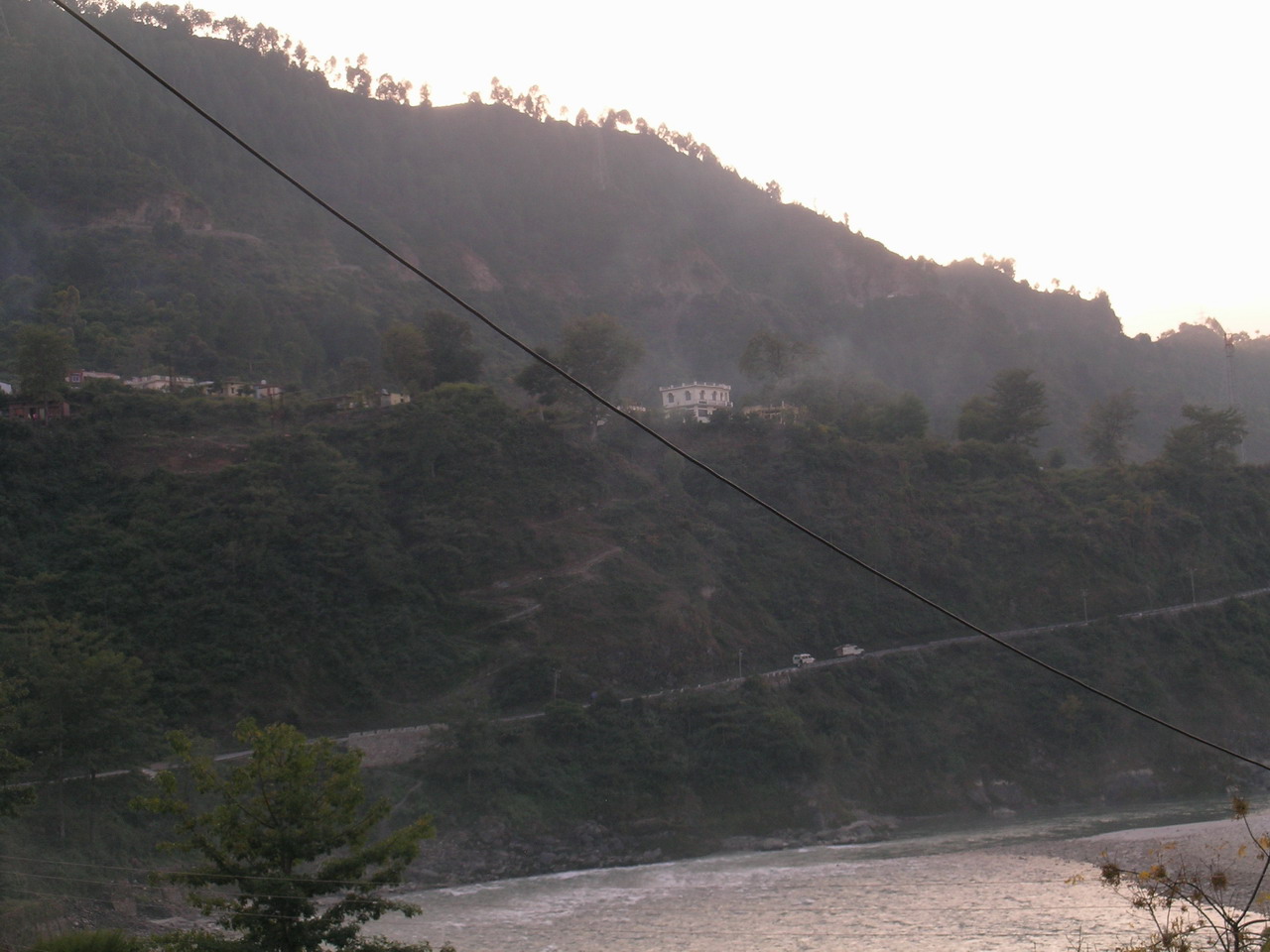
Faithful to my task, I keep following the river, almost as if hunting for its source. The road improves a little, and I find myself musing on that half-serious business of the search for the sources of the Nile, imagining doing the same thing with the Ganges — it makes me laugh. Then an idea. But how, in practice, do you actually find a source? What flows to my left is certainly the Ganges, but higher up, when I find two streams merging, which one do I follow? How can I know which is the tributary and which the main course? In some cases it will be obvious, but what if the two merging streams are of comparable size? How do you choose? Like the character of a grown man — defined, easily recognizable. But that character springs from a thousand experiences, situations that happened in the past, one on top of another, tributaries and main courses alike. Here too it’s impossible to find the source, the beginning, the genesis of what a person eventually became over time. I swerve just in time around a sizeable, almost menacing pothole, and find myself entranced watching the thin ribbon that traces itself along the far side of the valley, facing me — the only visible sign of man, the road I’ll still have to travel. And I conclude: ‘Sources don’t exist! Only the river exists…’
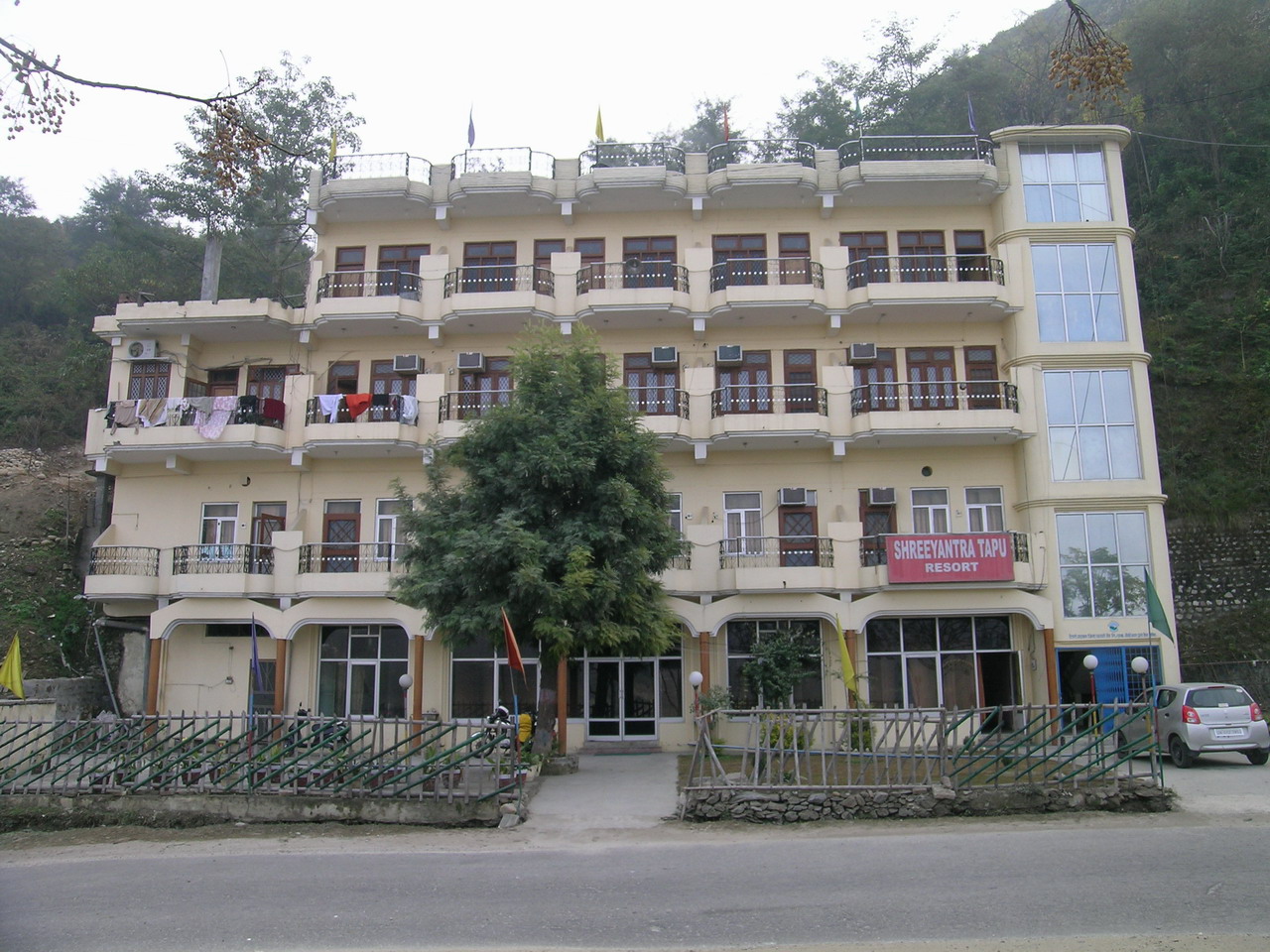
I stop at a hotel on the outskirts of Srinagar. A solitary, spicy meal. Then to sleep, with images of the river still flowing through my mind…
Photographs