Stage 9 · Bikaner – Jaipur
The pink city
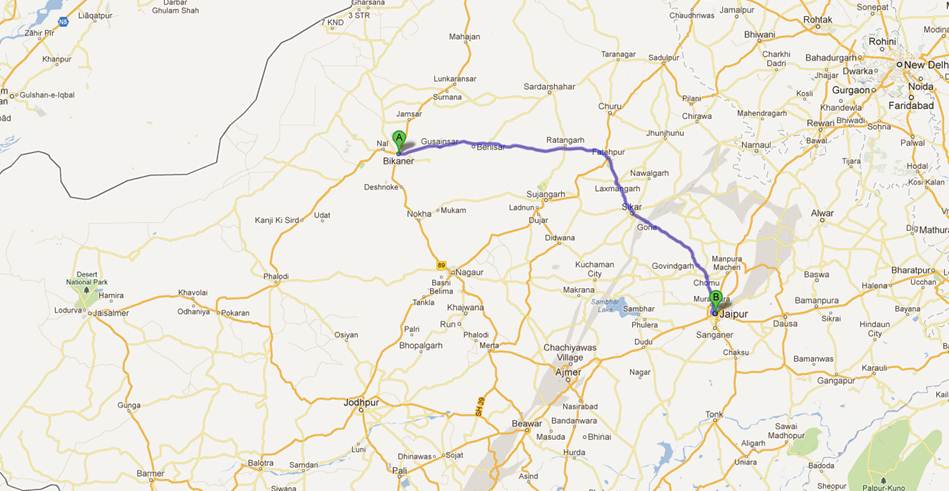
I wake early in the morning, weak but fever-free. I decide to leave. I move slowly, loading the bike bit by bit. I pay the hotel and start up the Bullet. At the petrol station I’m forced to switch it off. It won’t restart. Two attempts, then a pause. Two more attempts. Another pause. My head spins. Finally it starts. Using the excuse of letting it warm up, I wait five minutes. Then I set off.
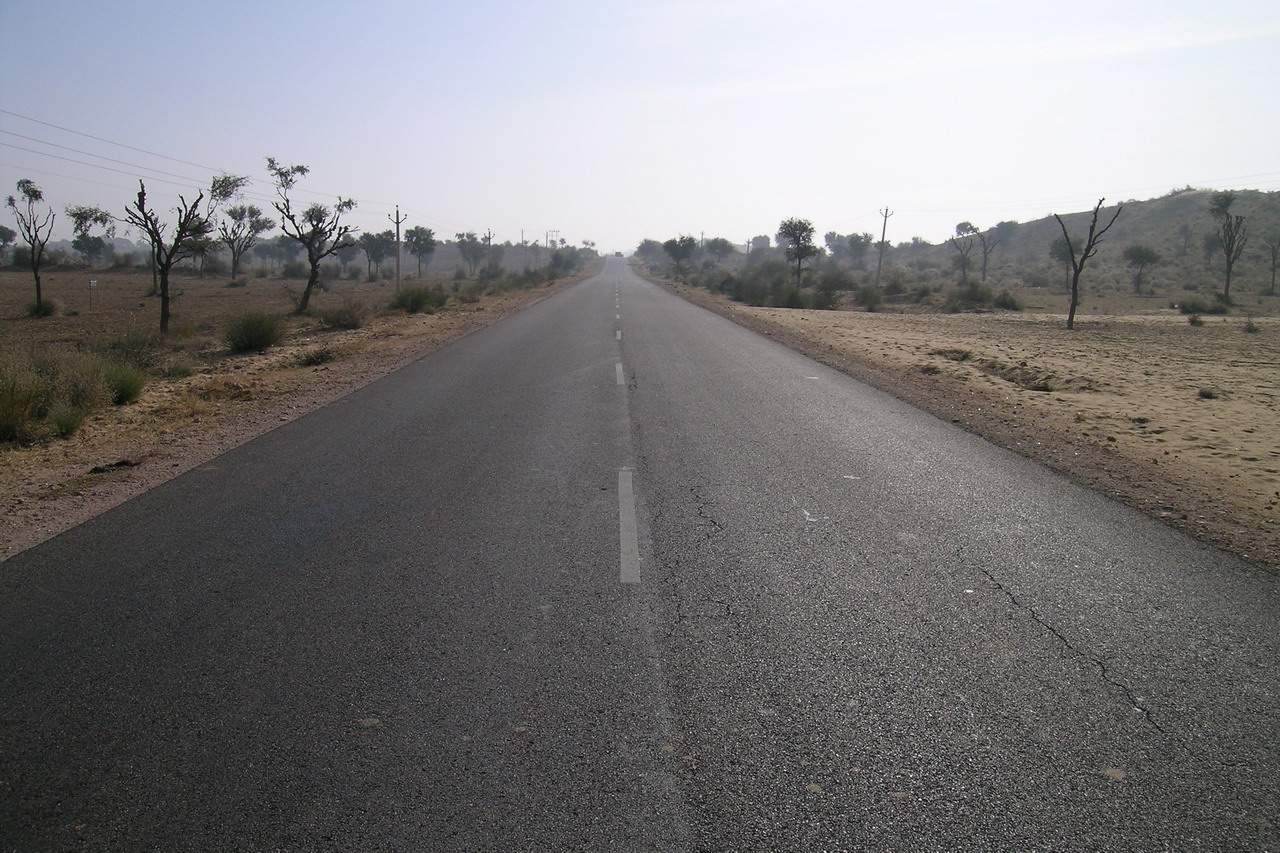
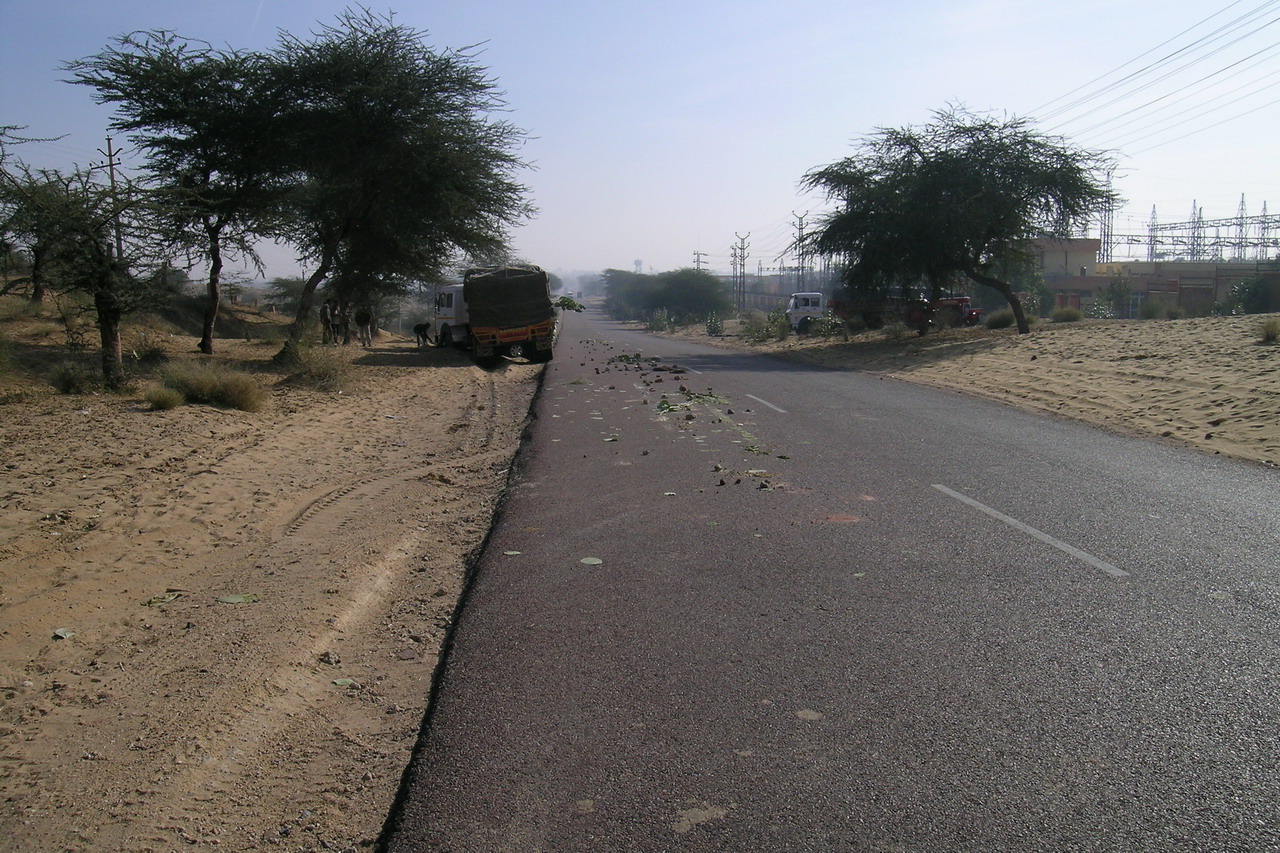
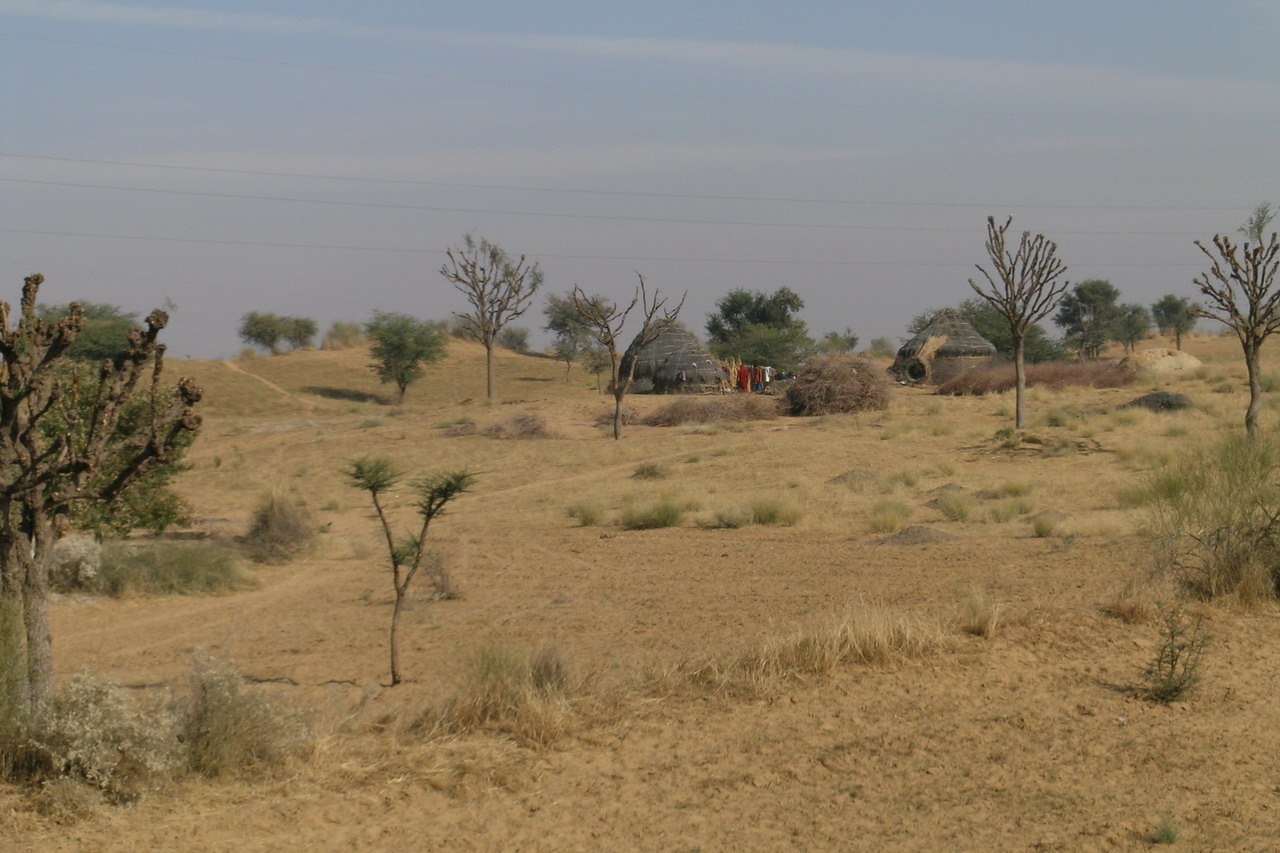
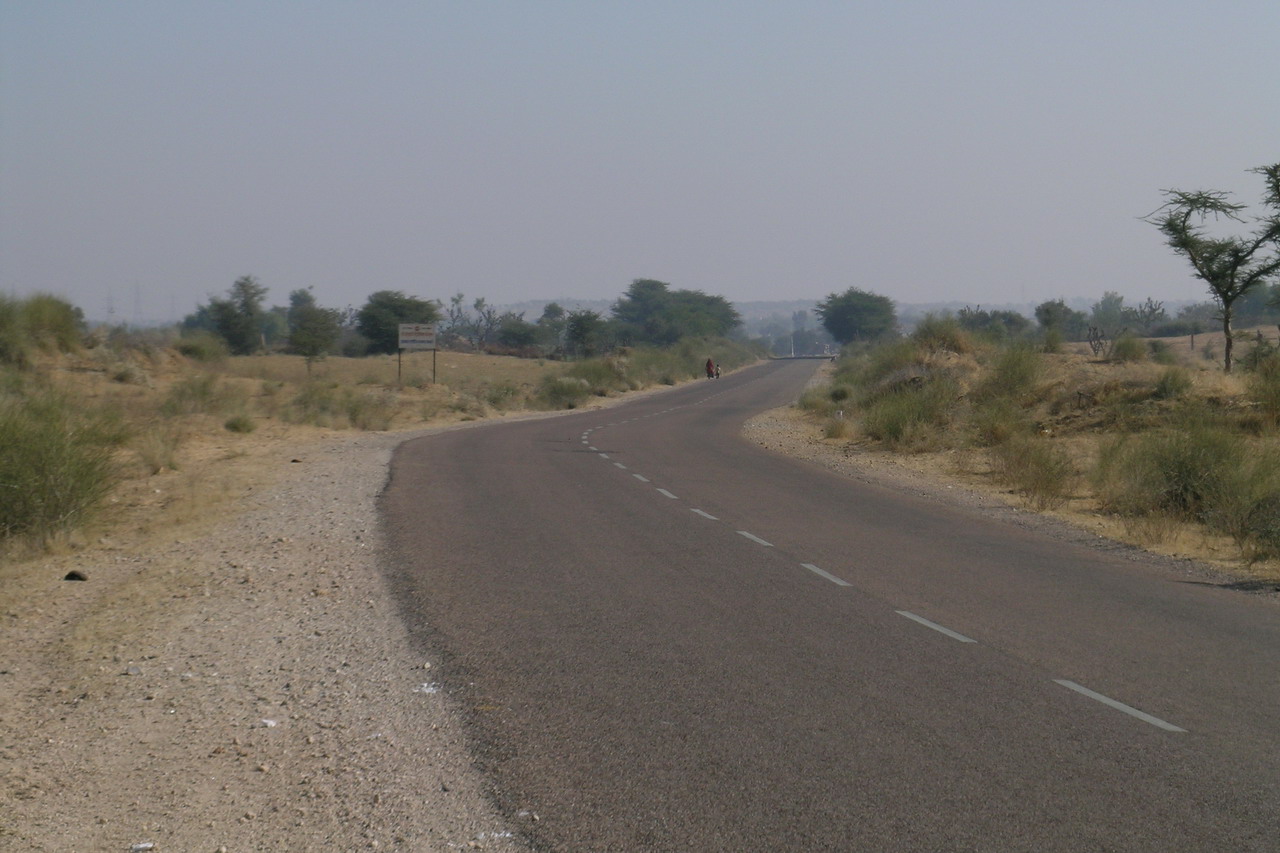
Luckily the road is decent and the traffic isn’t among the worst. Few stops; I eat biscuits greedily (I’d been fasting for 24 hours) as I approach Jaipur and its kites. At every stop I leave the engine running — the idea of tangling again with the kick-start doesn’t thrill me at all. I take a few photos. I keep moving, riding slowly. I’m on reserve. I reach the hotel I’d stayed at on the way out. I feel at home. I wish someone would invent a word for that sense of familiarity you feel, on a trip, for one tiny patch of ground, known in every detail, in an otherwise completely unfamiliar place. They recognize me, make a fuss over me. I unload the bike, throw myself onto the bed, and sleep through to the next morning without eating. I wake with sunlight streaming into the room, rested and starving. All better! Euphoric — though not enough for an Indian breakfast: tea and biscuits. I take the bike and go off to see what I’d missed the first time.
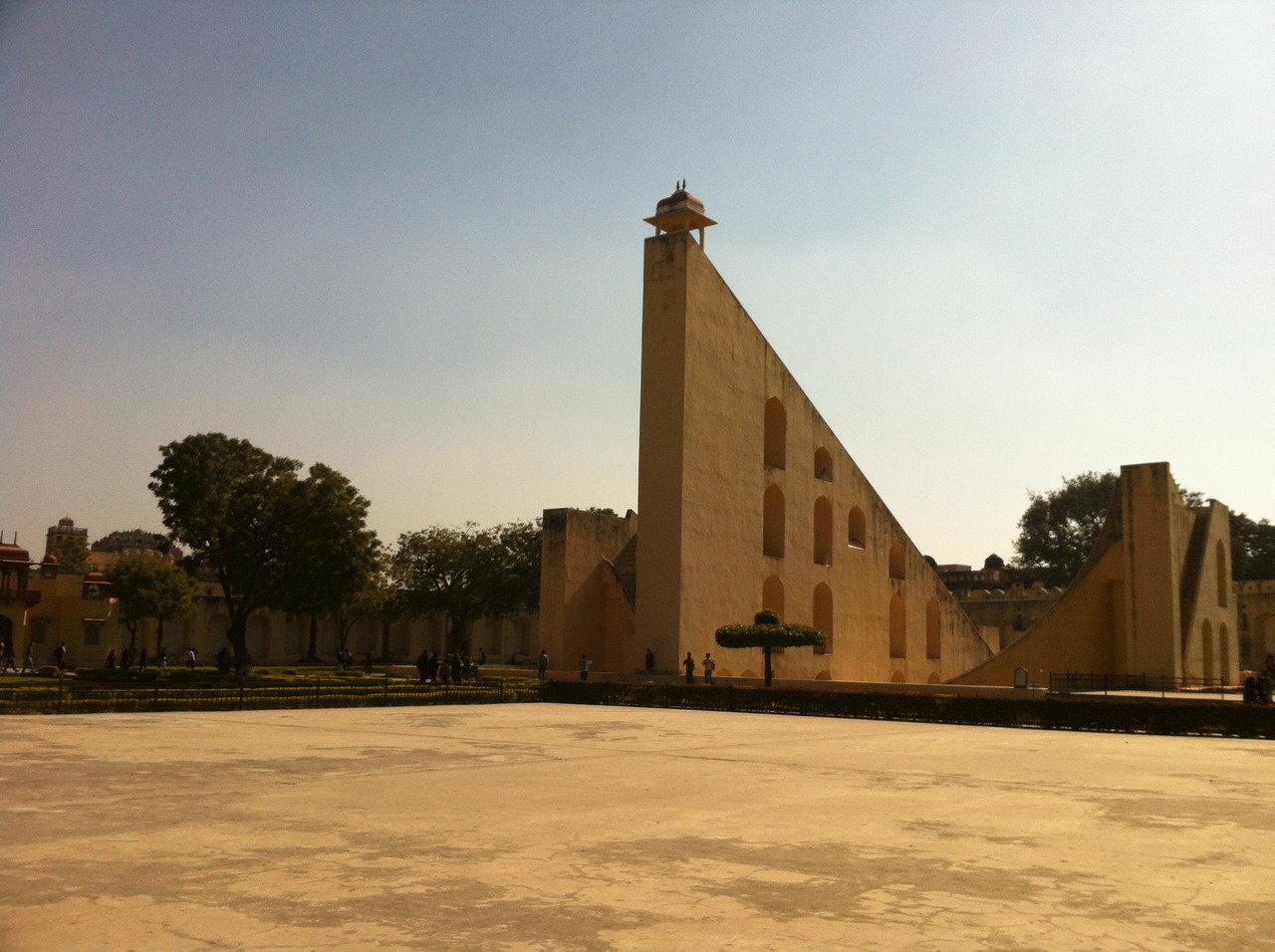
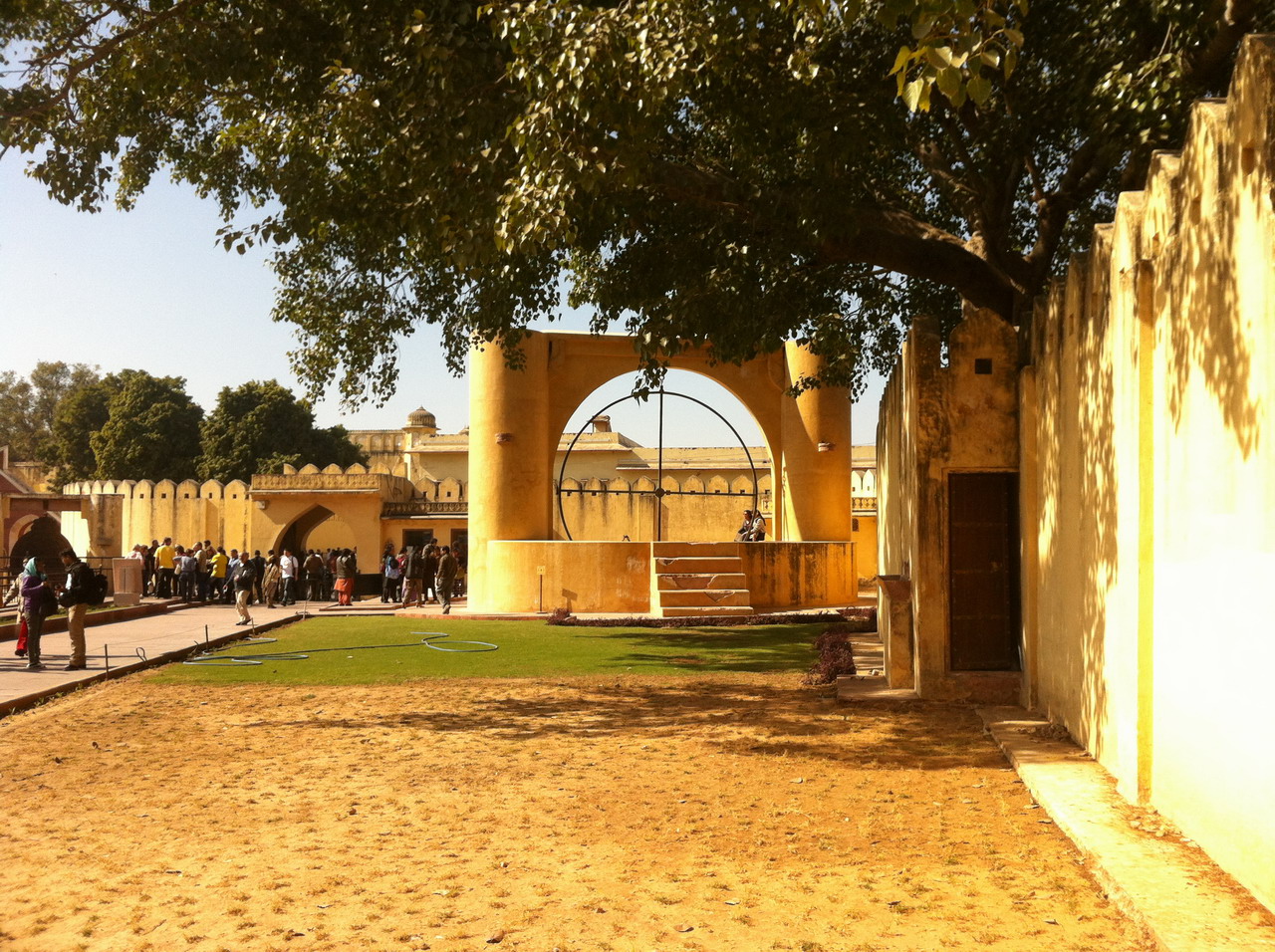
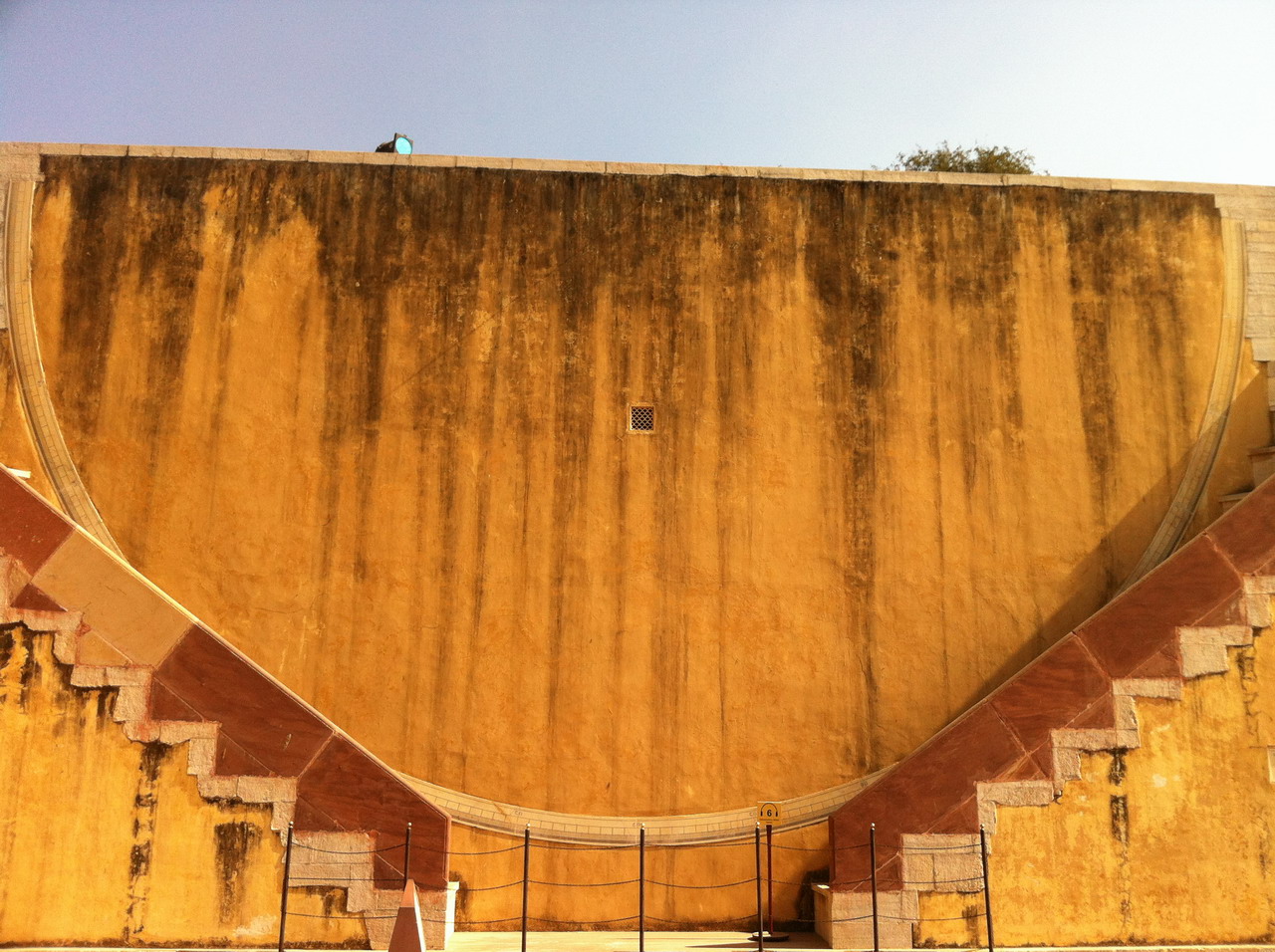
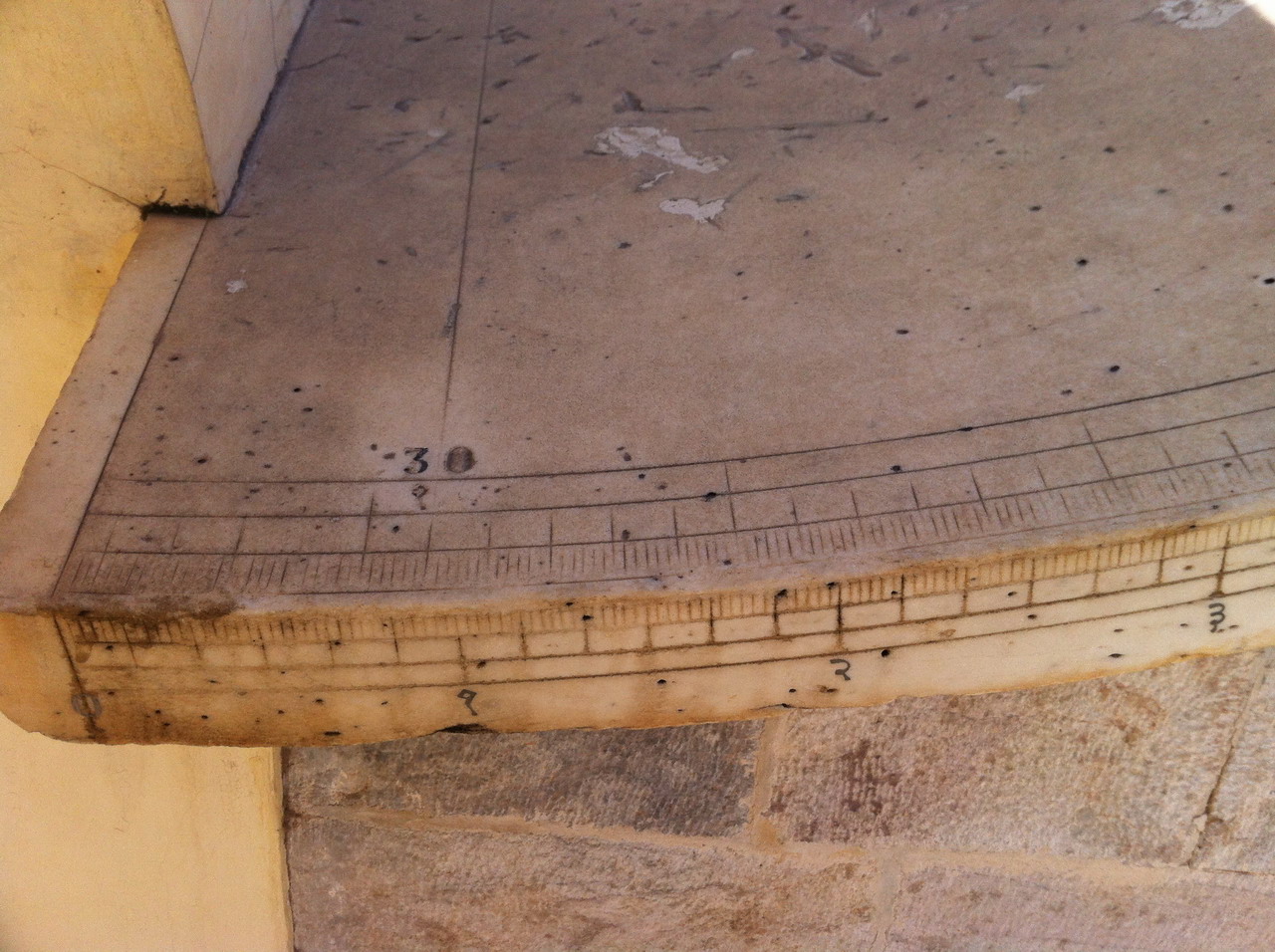
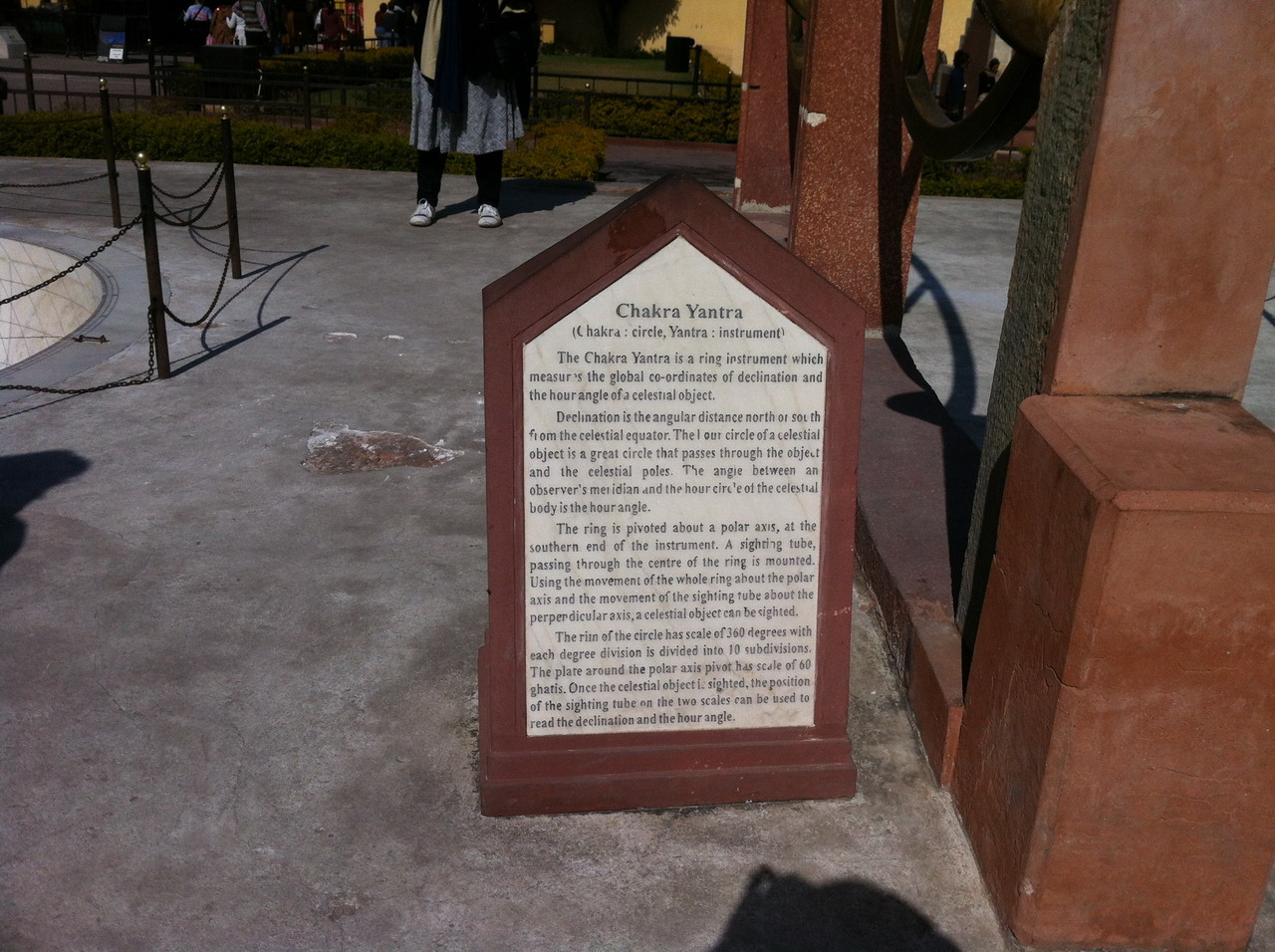
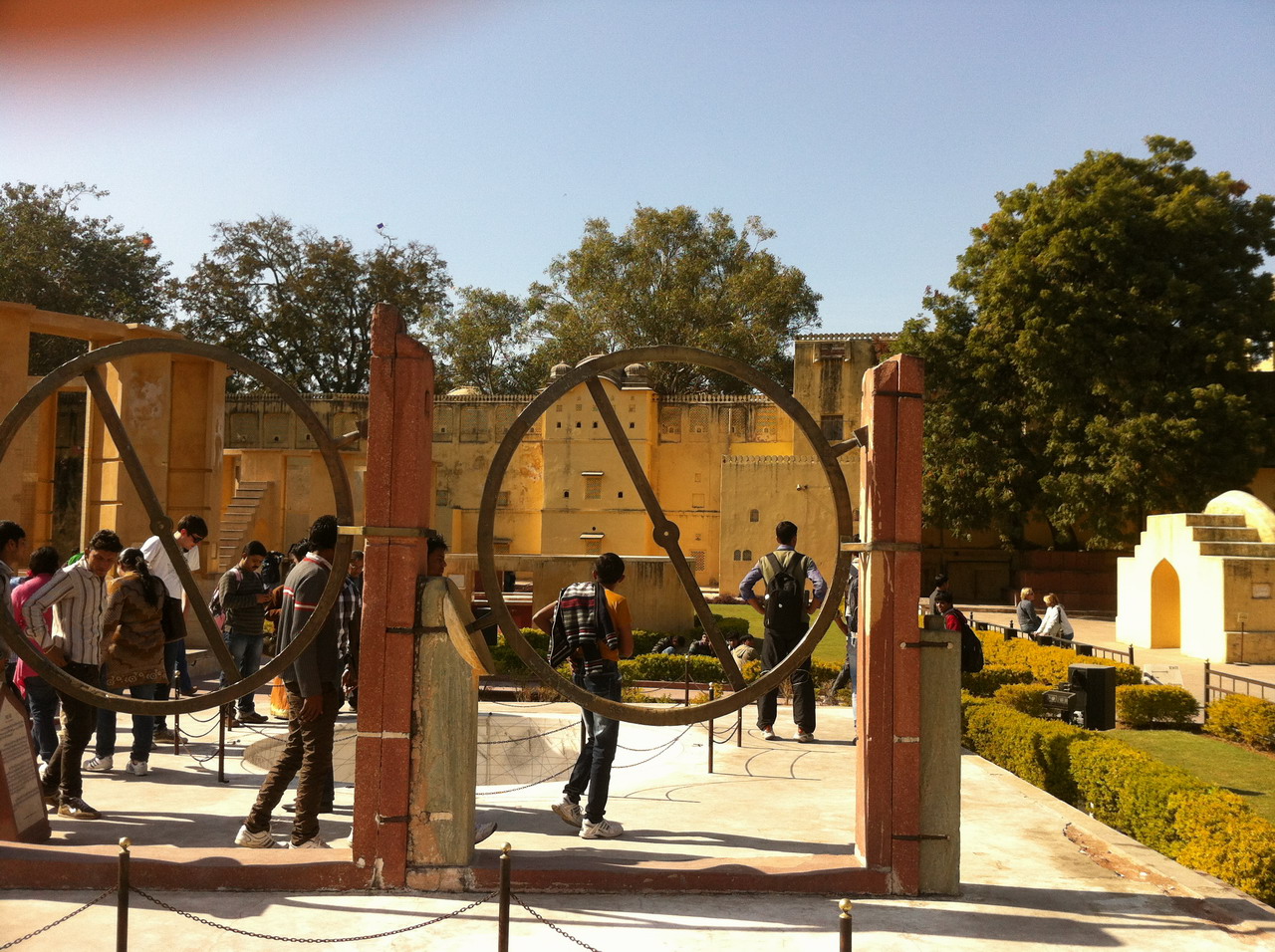
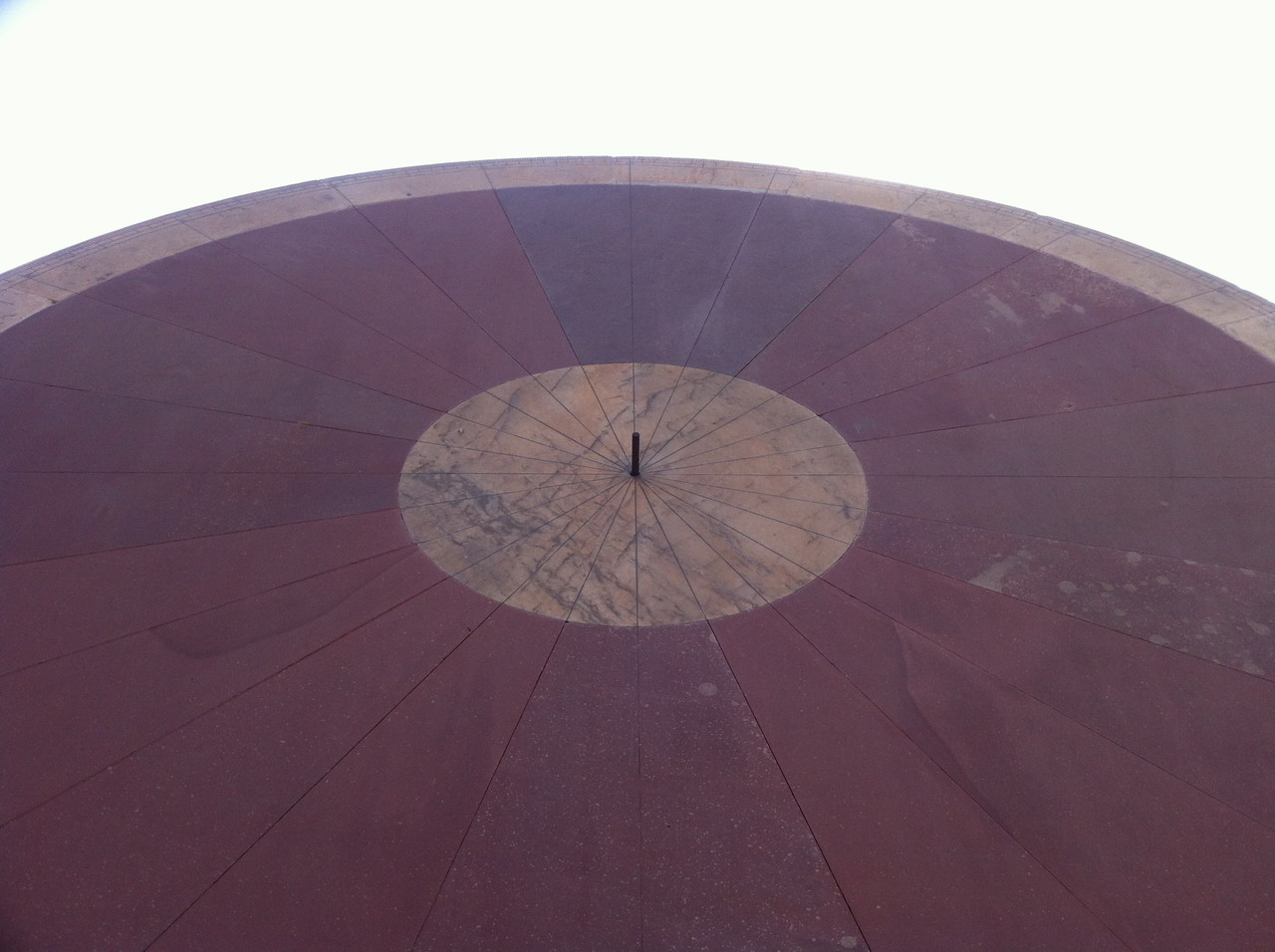
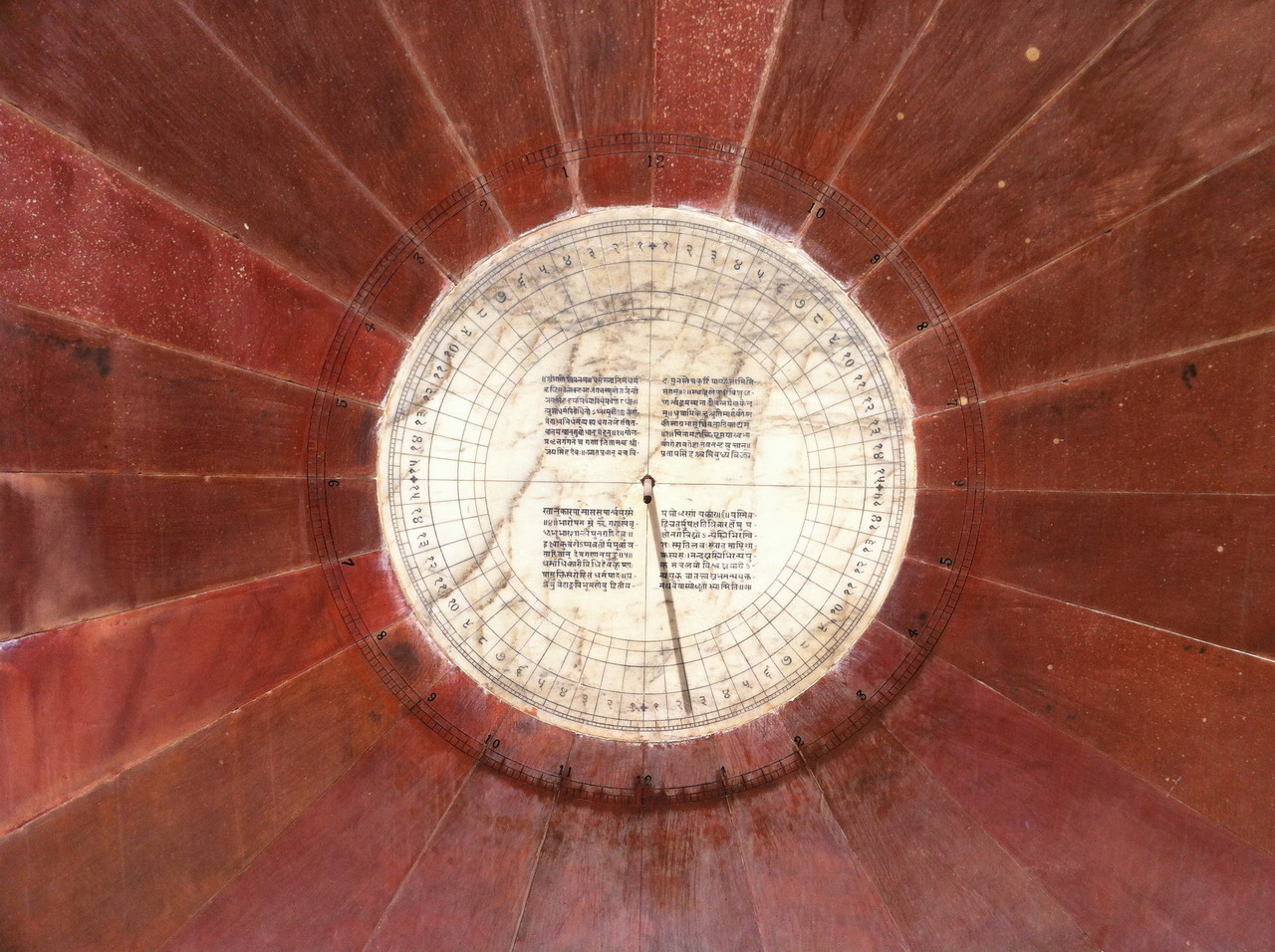
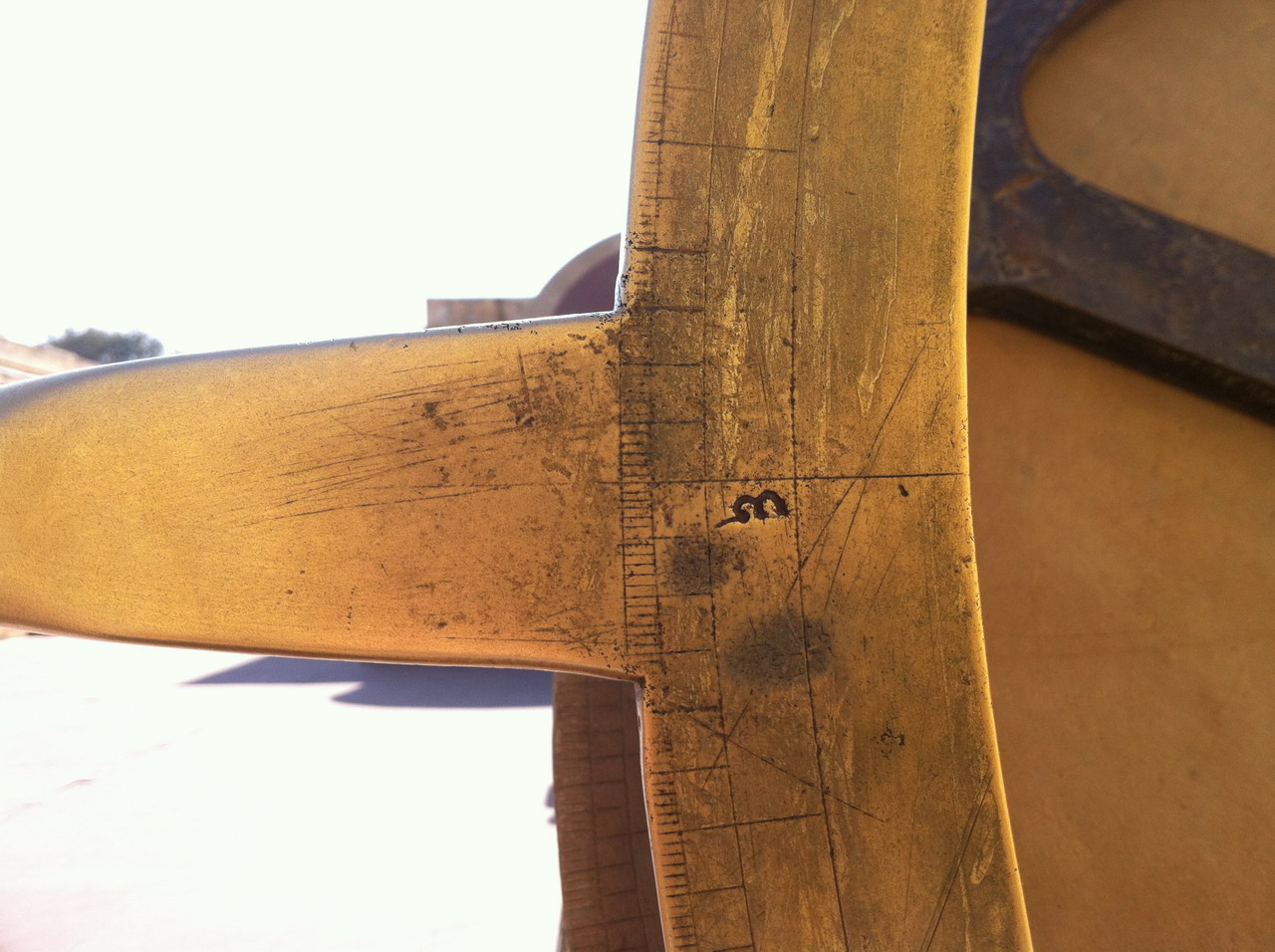
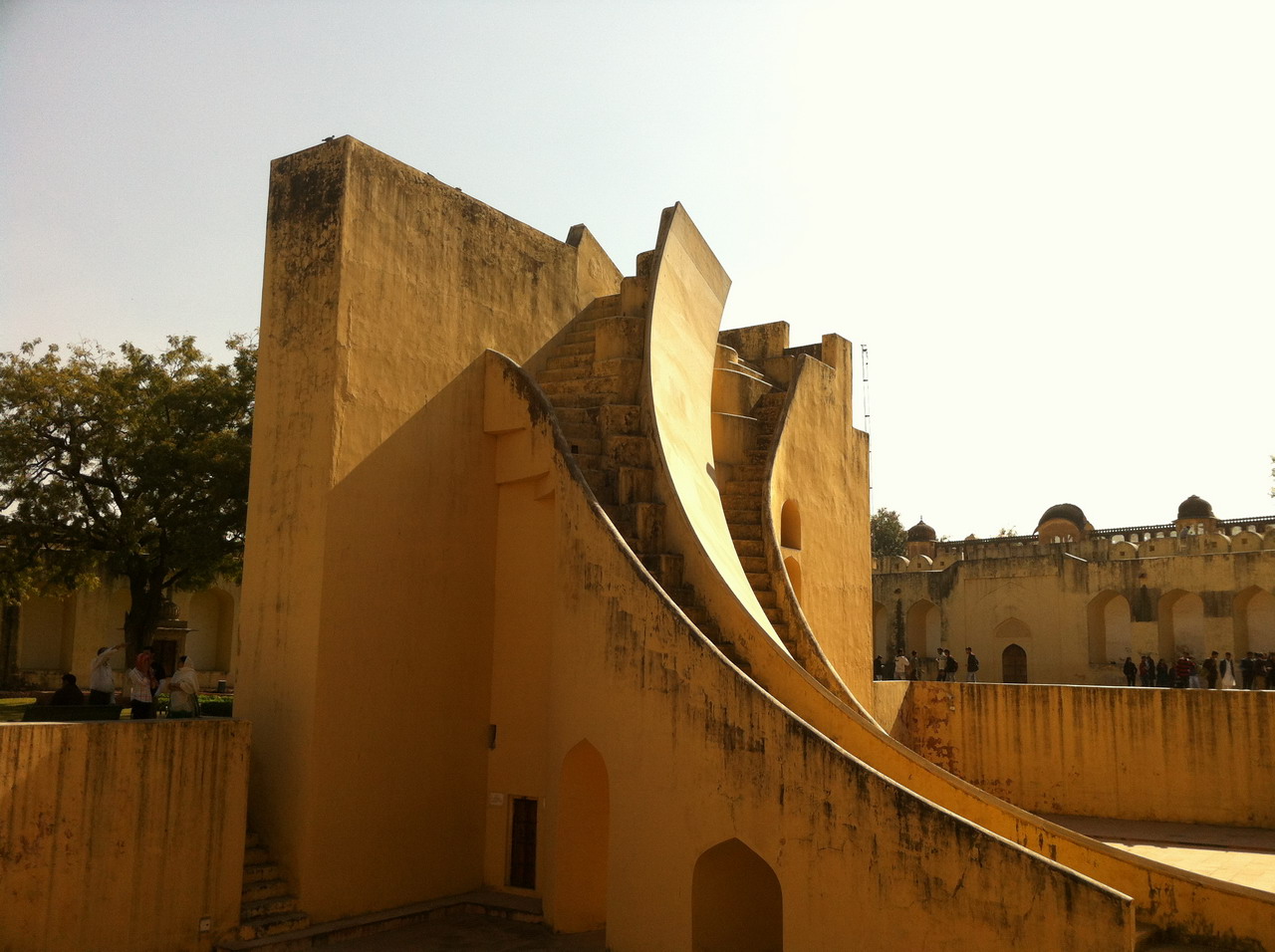
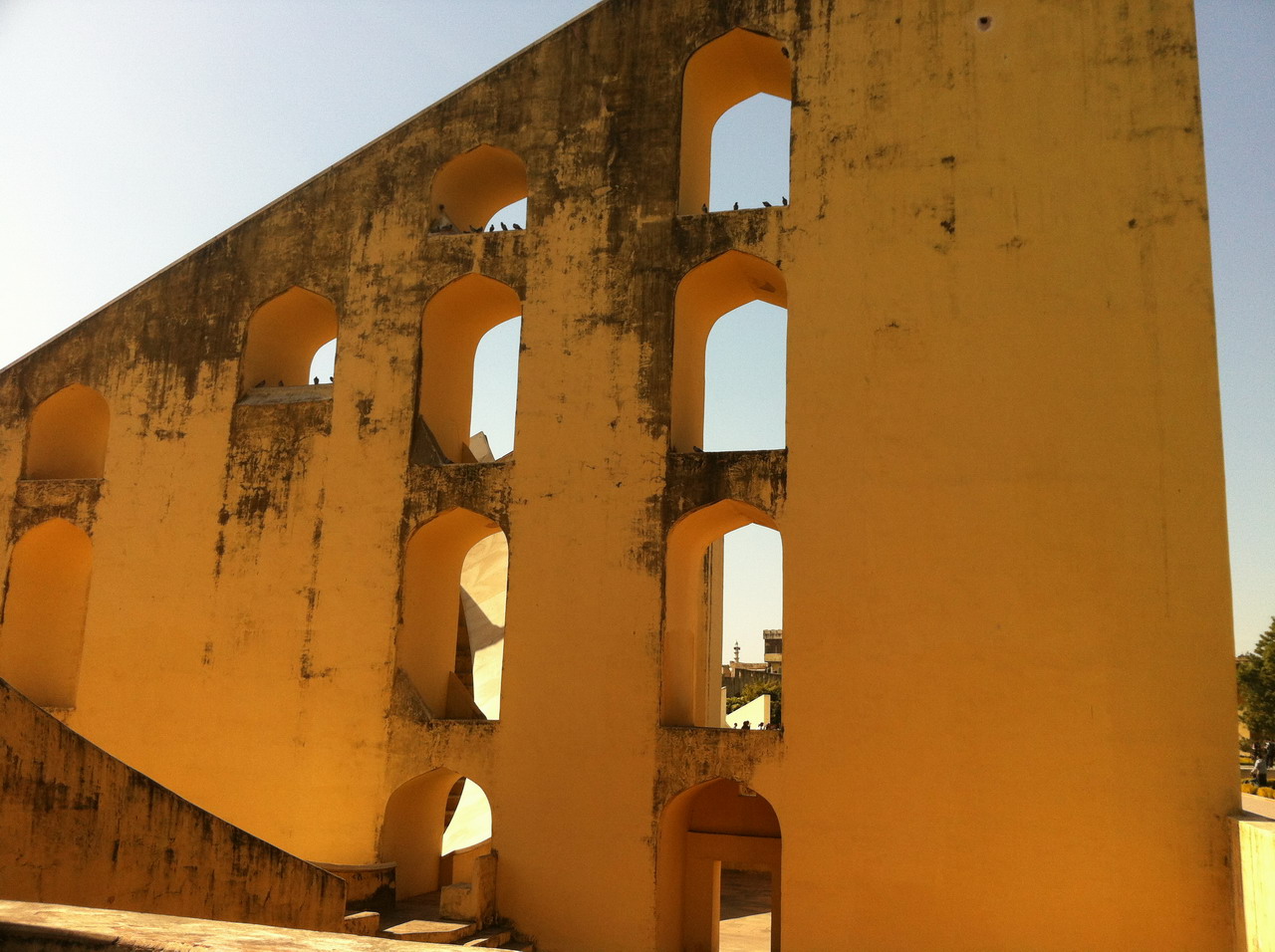
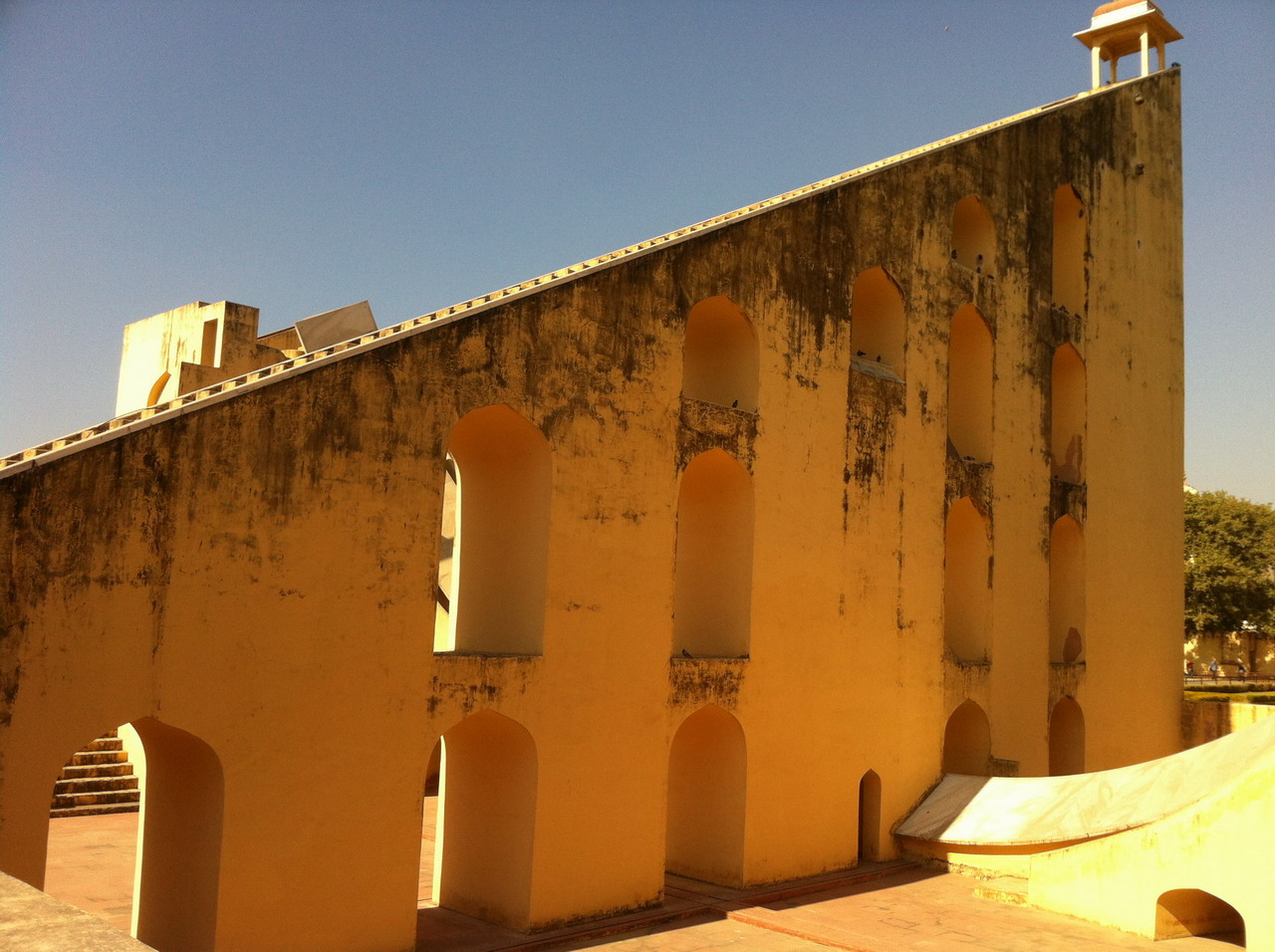
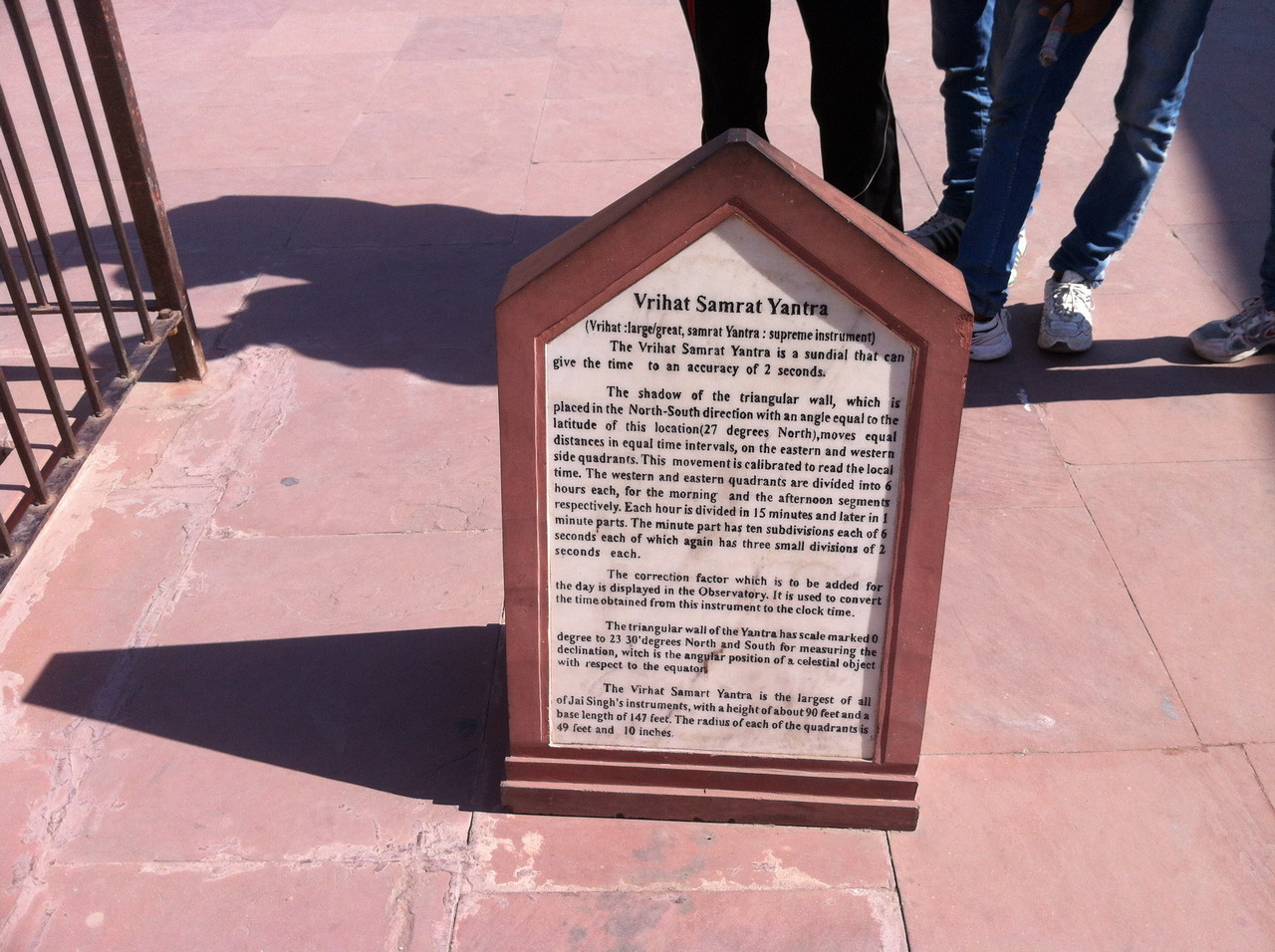
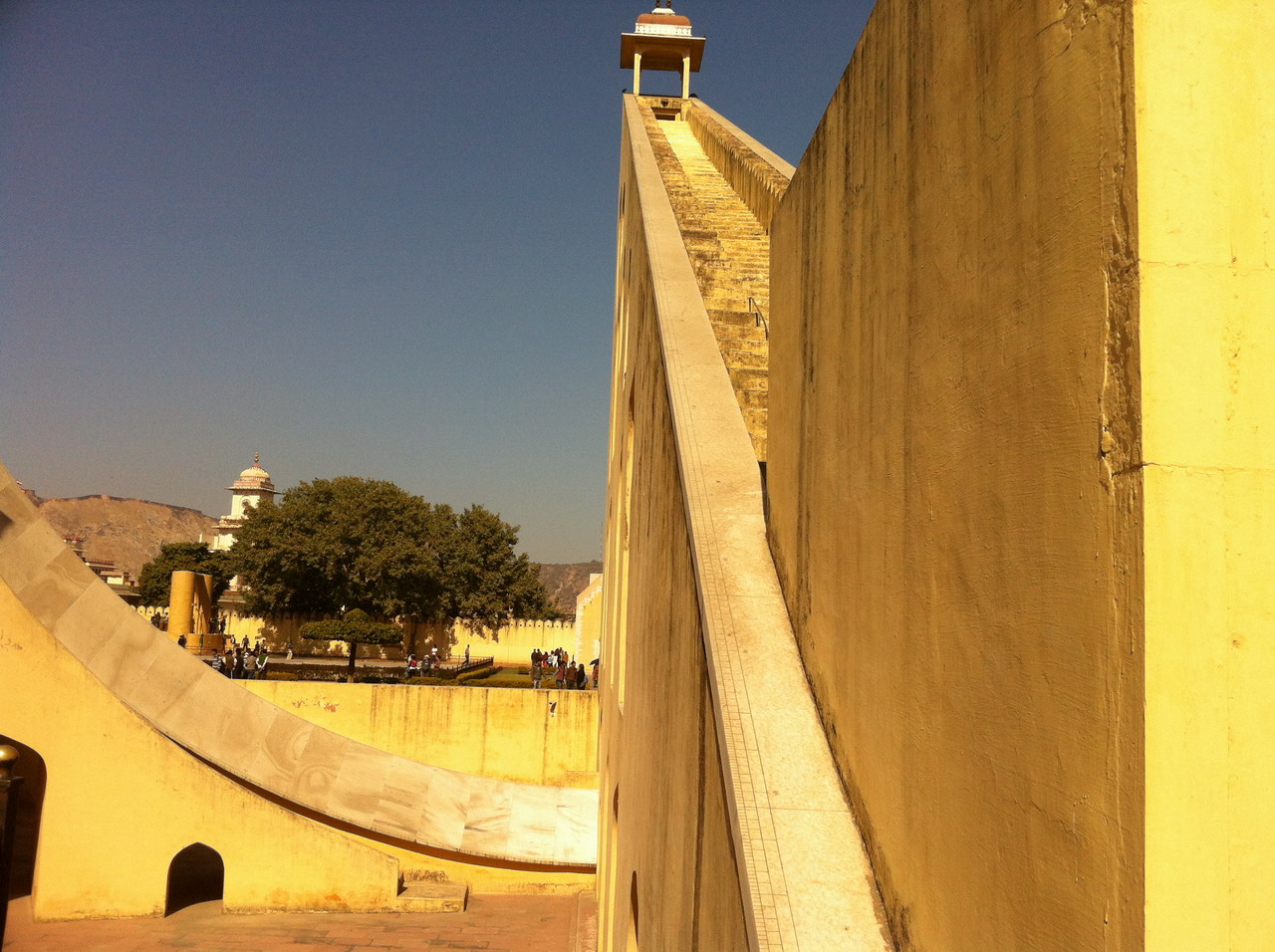
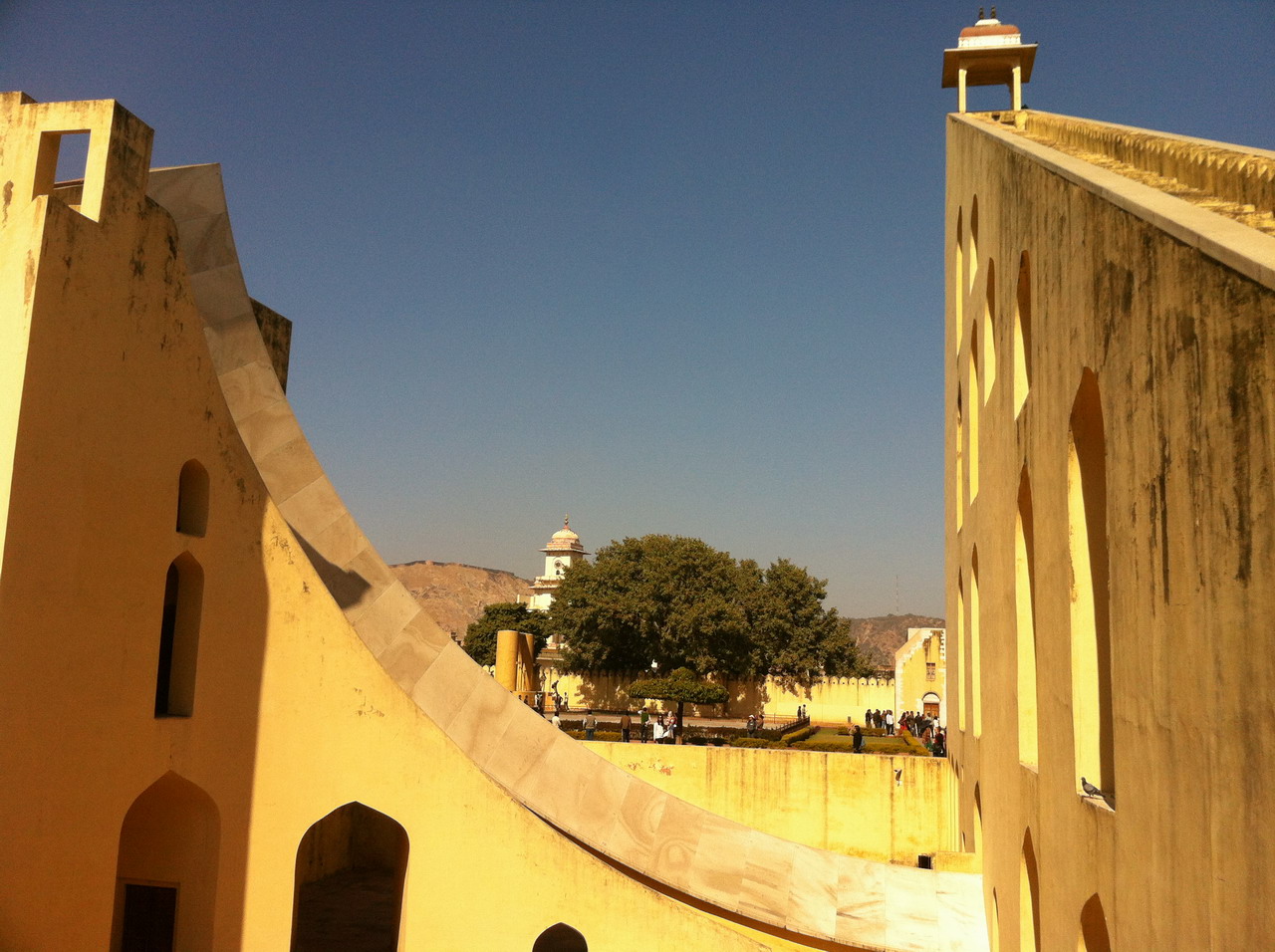
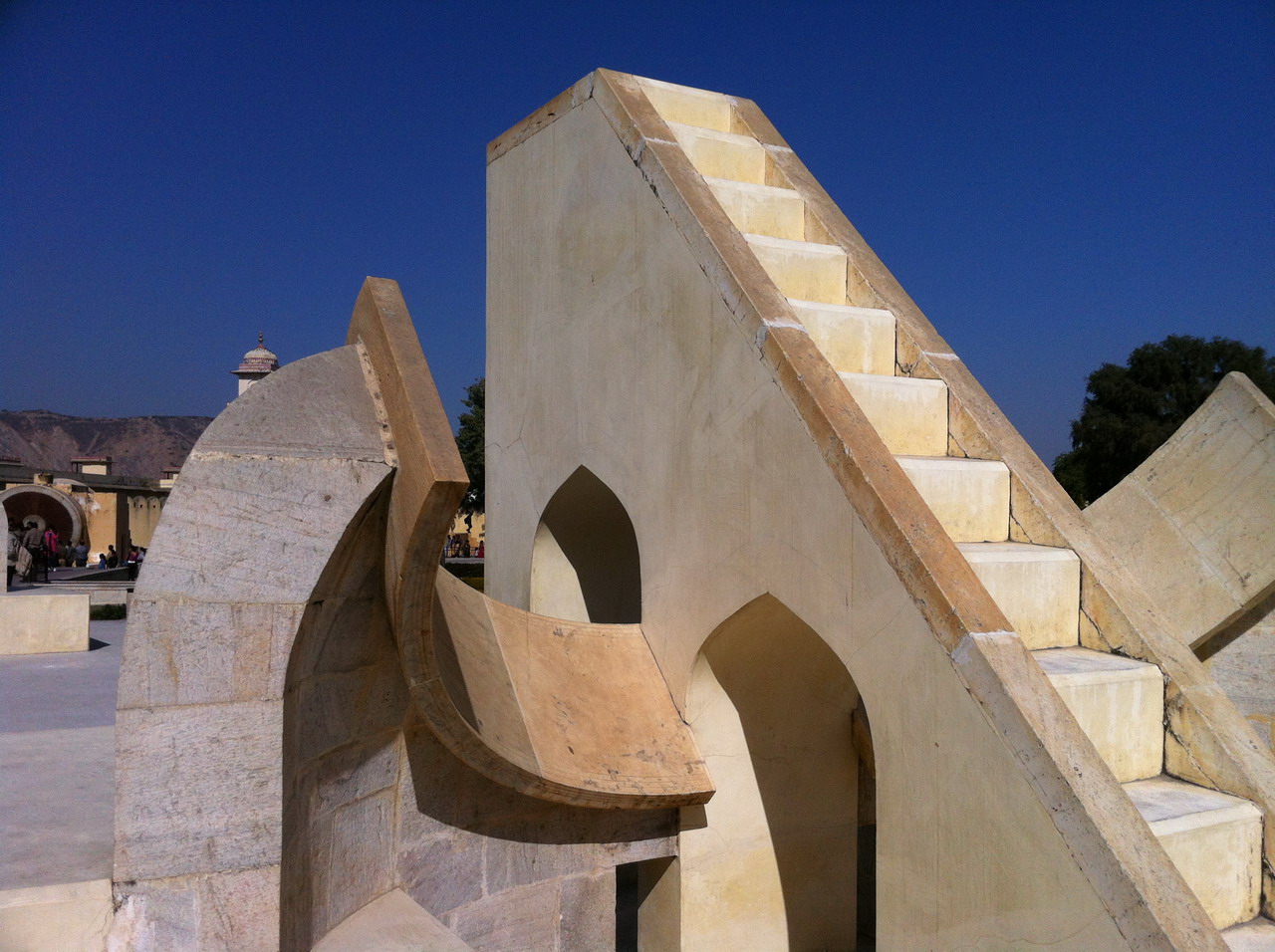
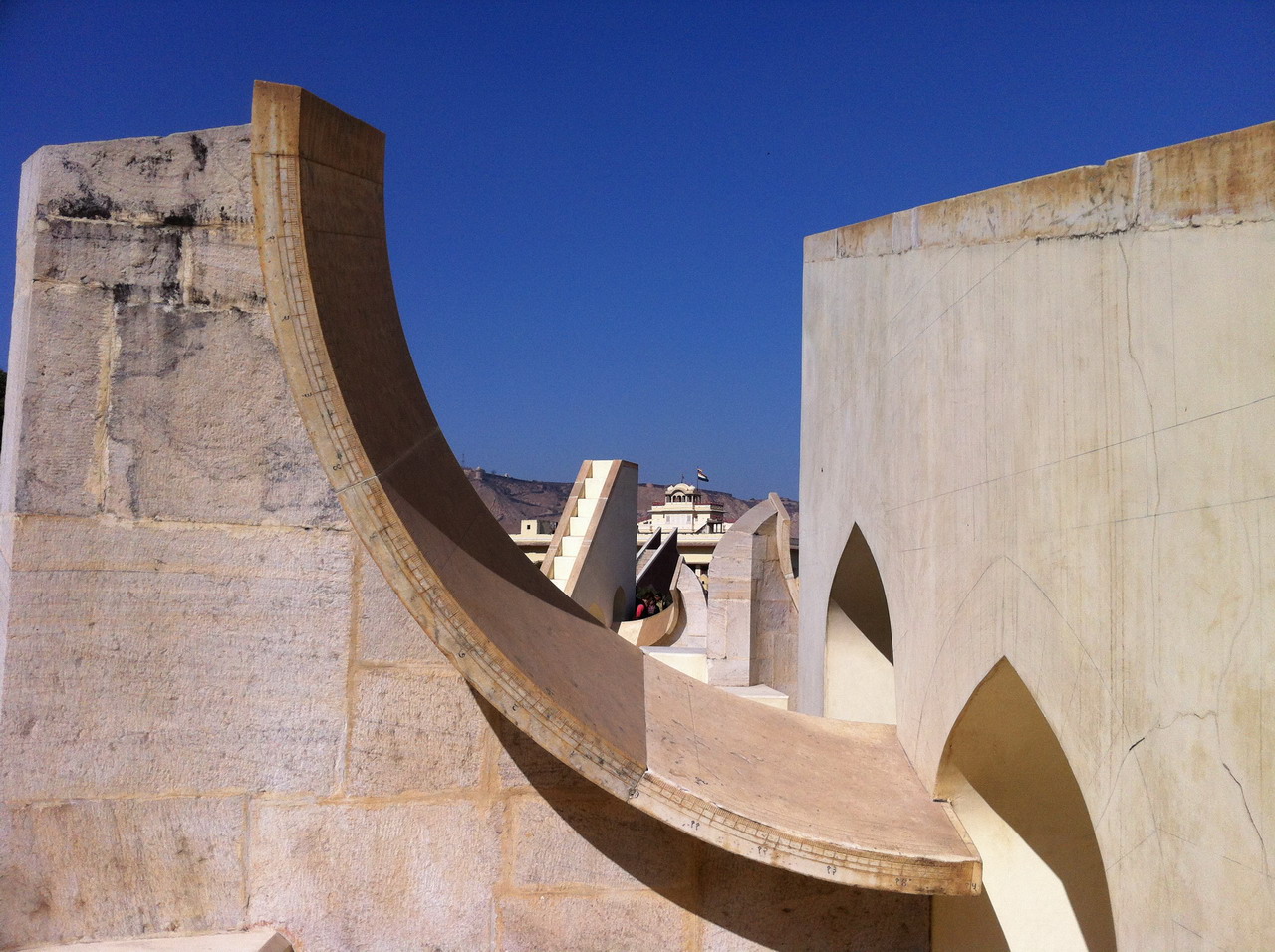
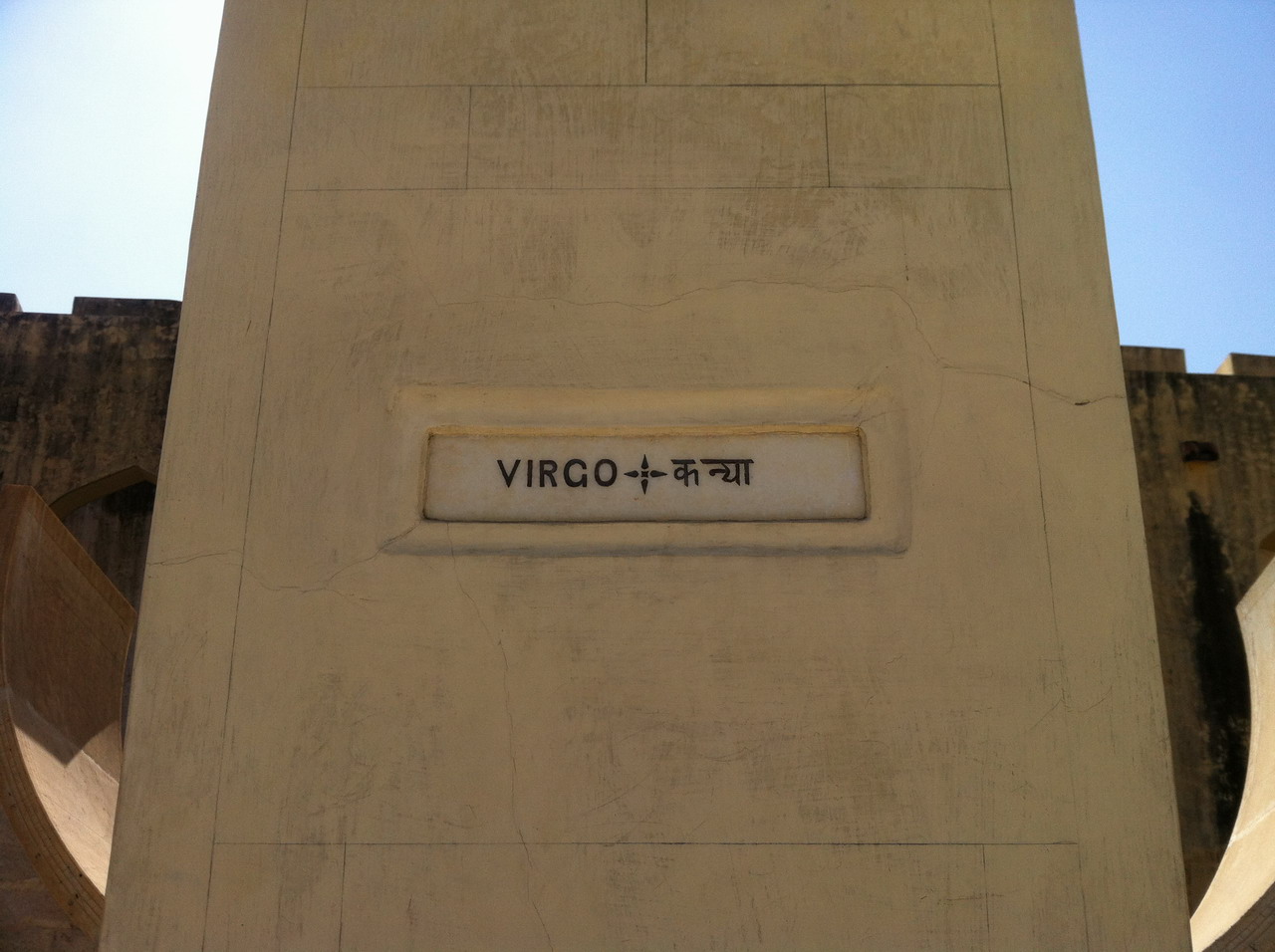
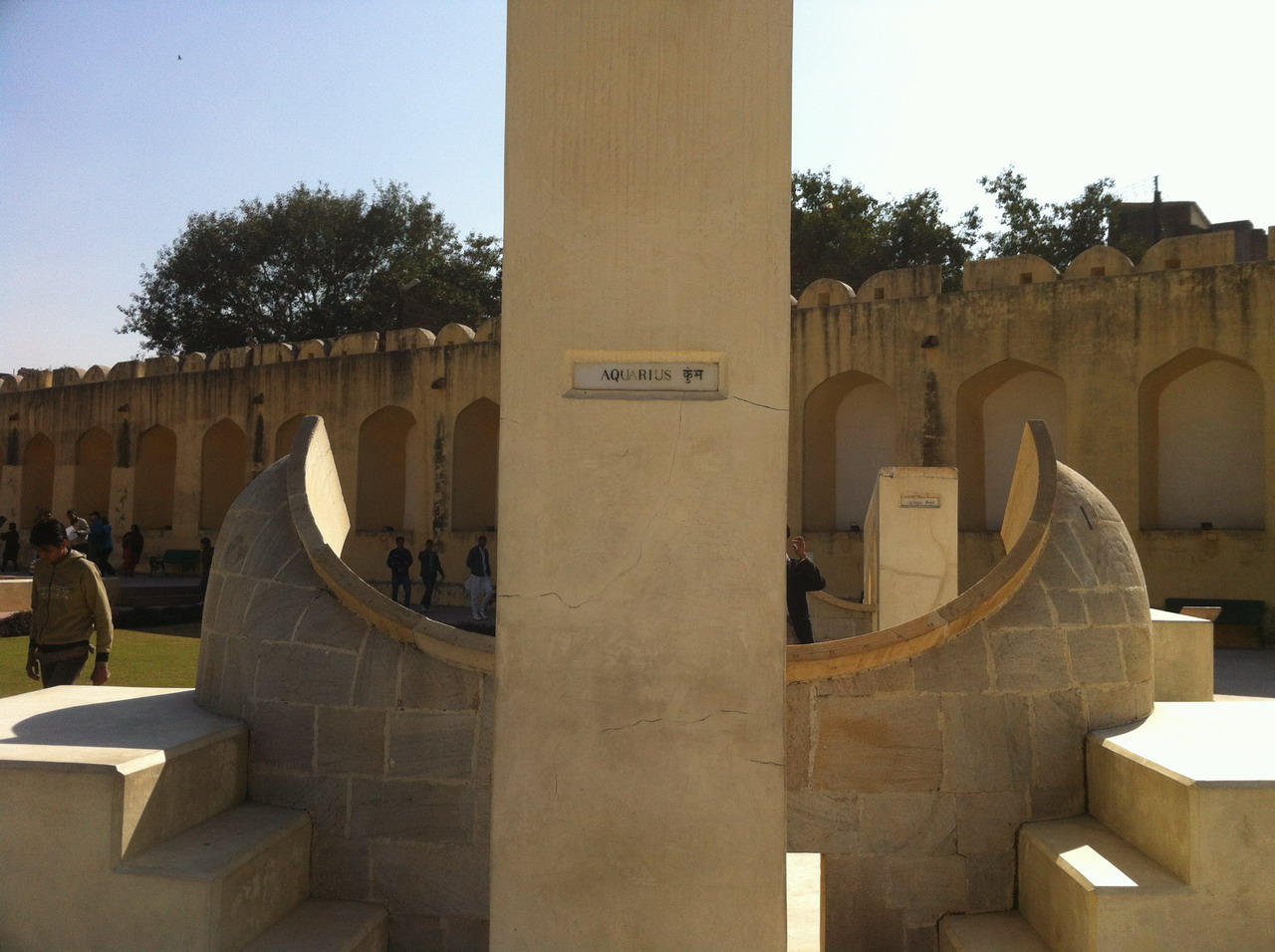
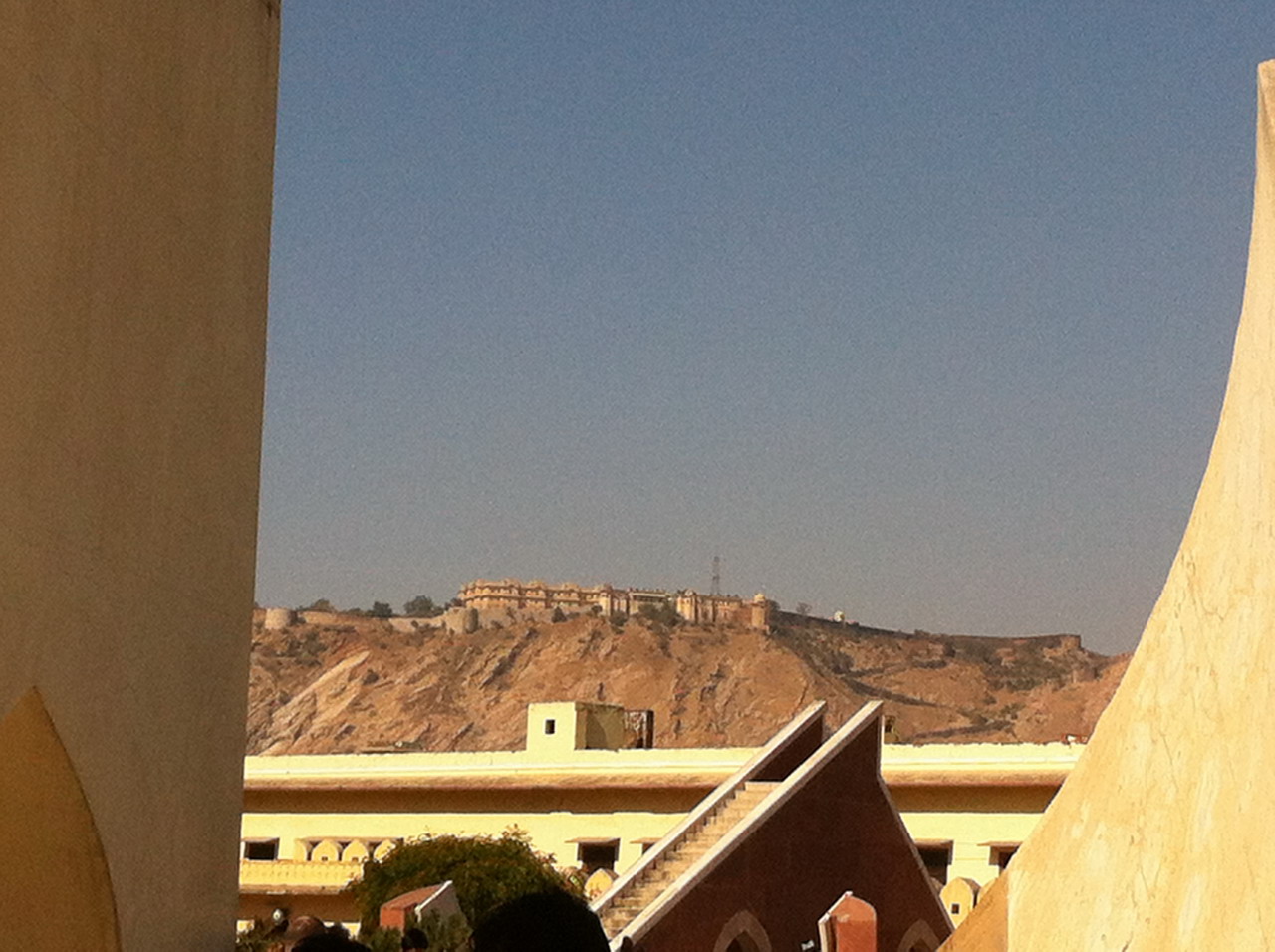
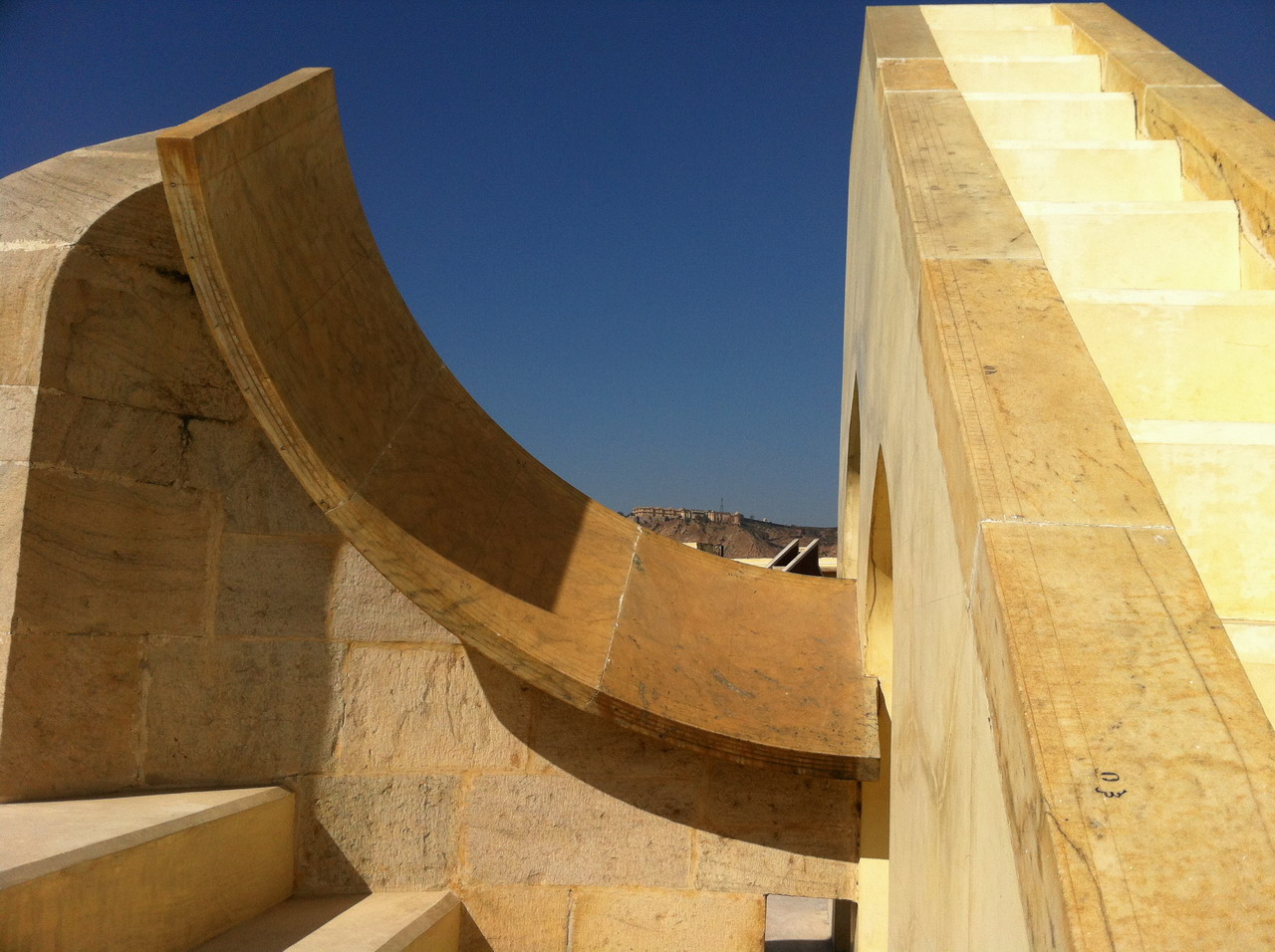
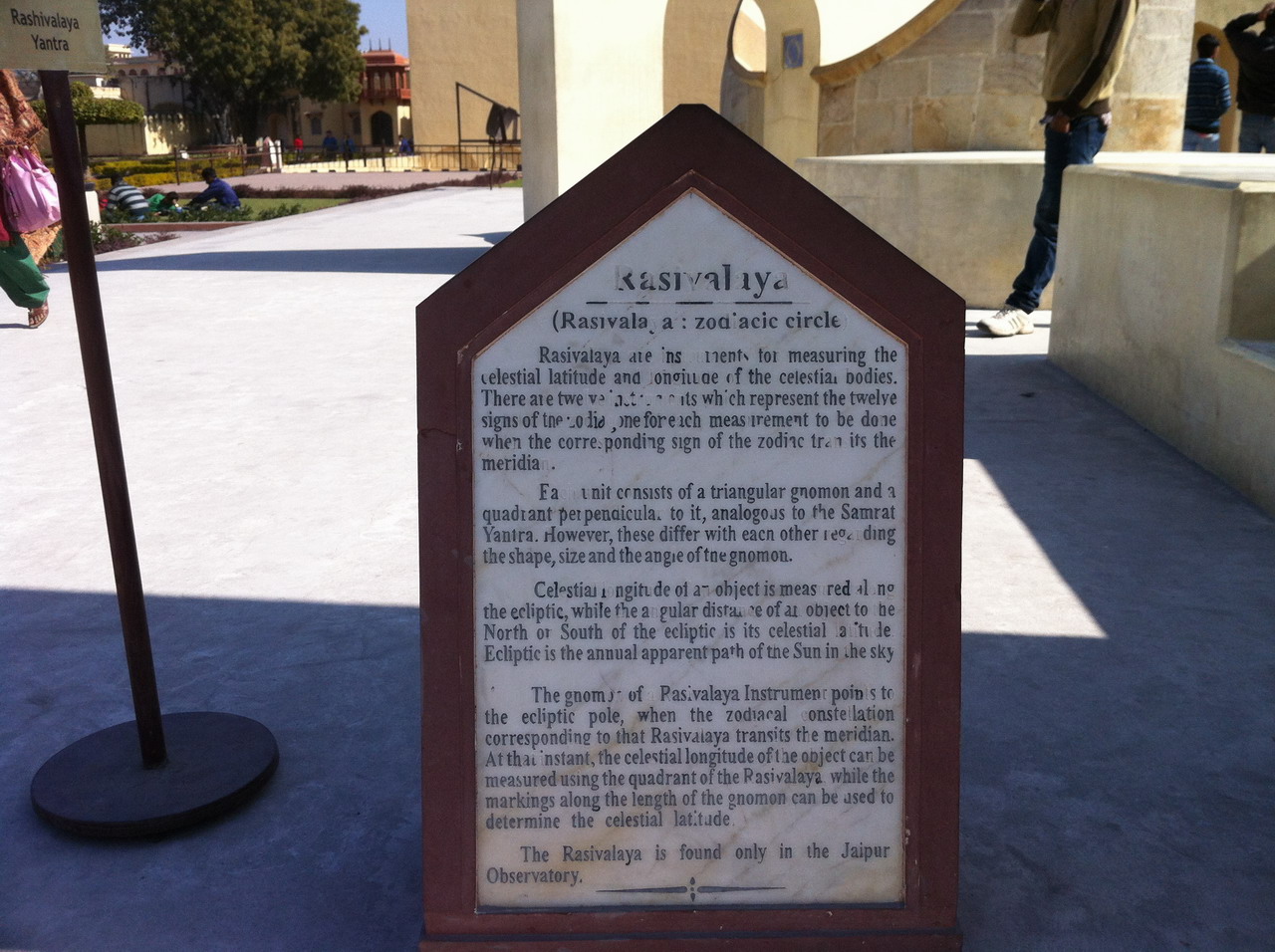
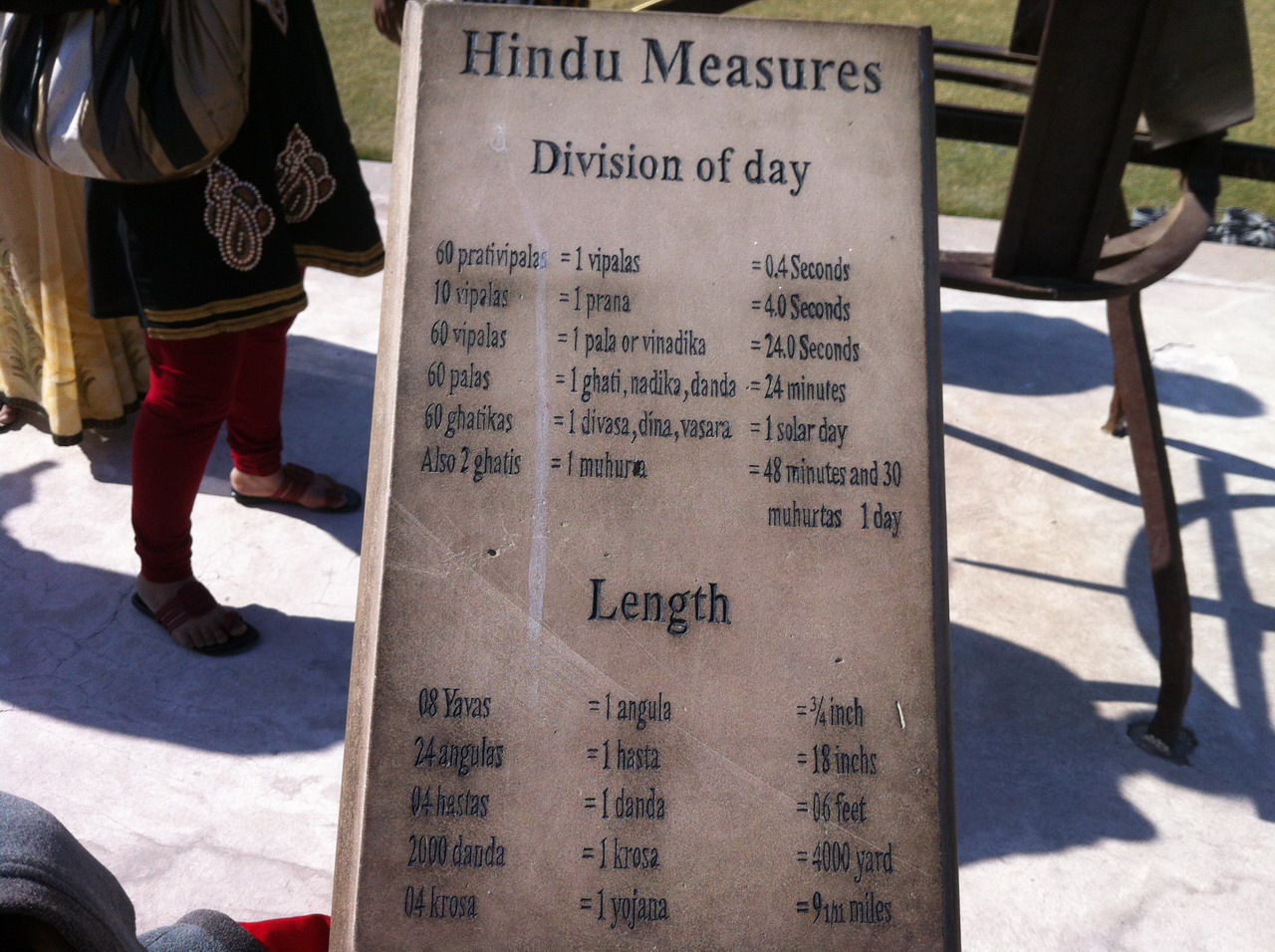
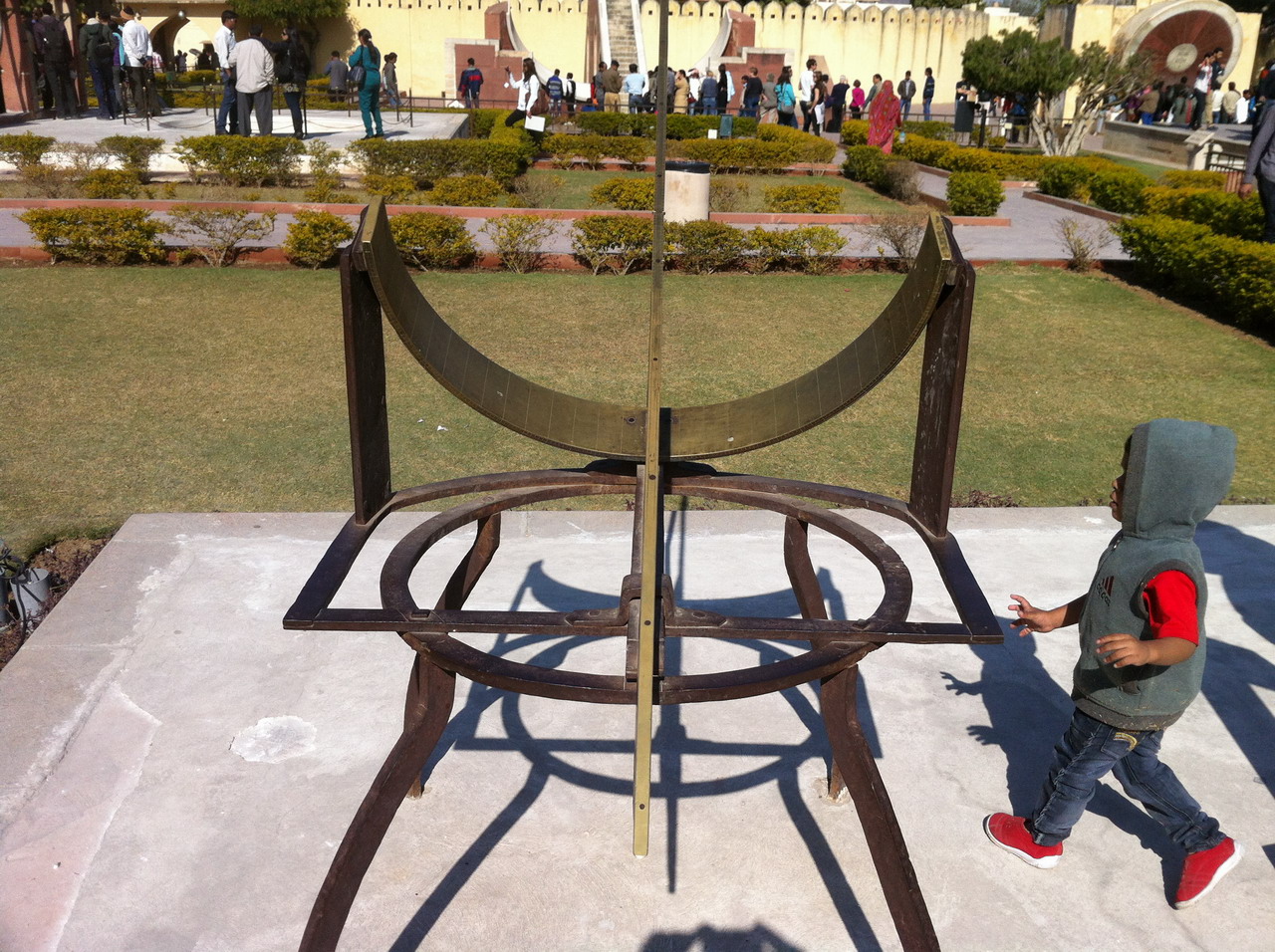
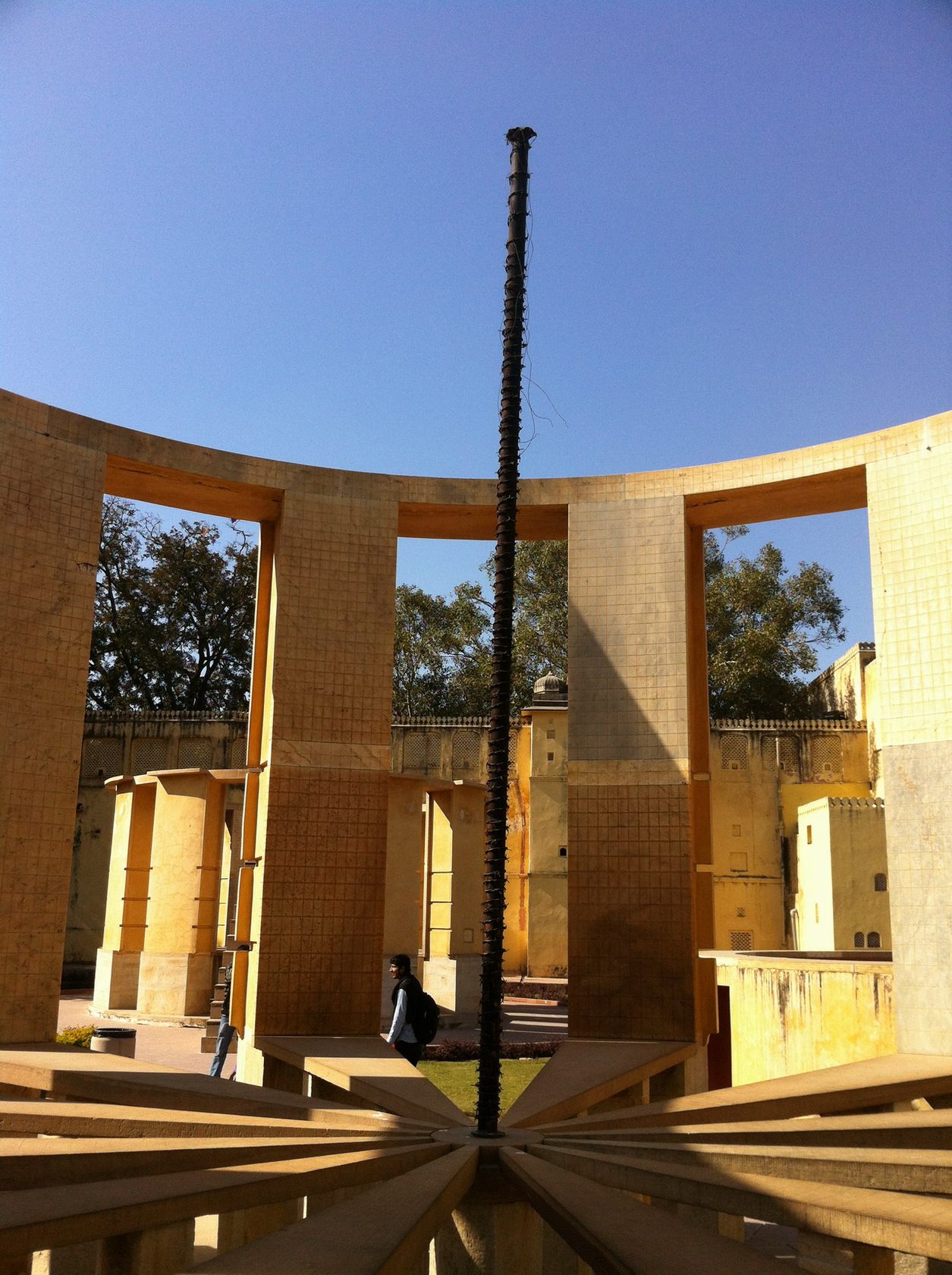
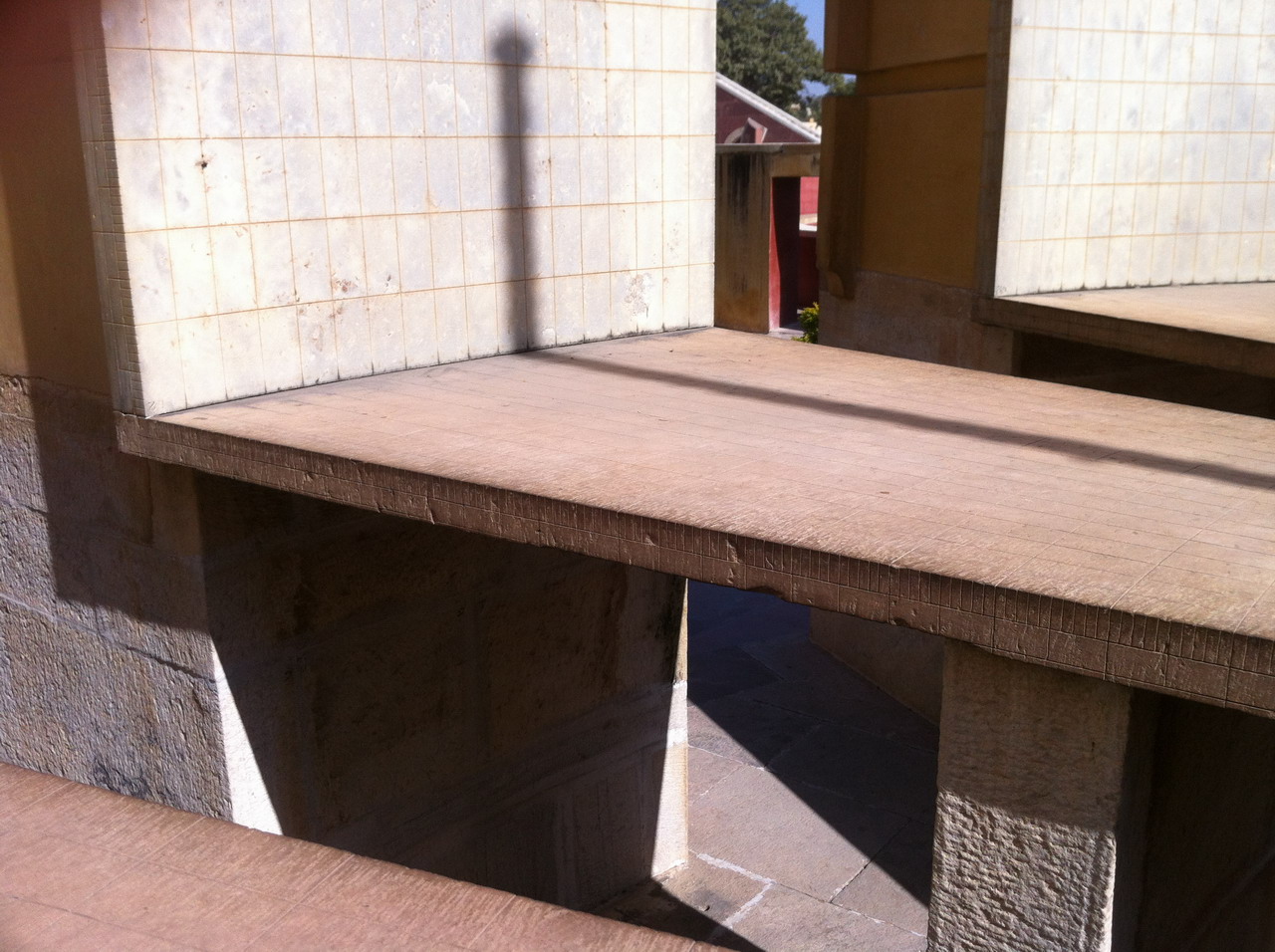
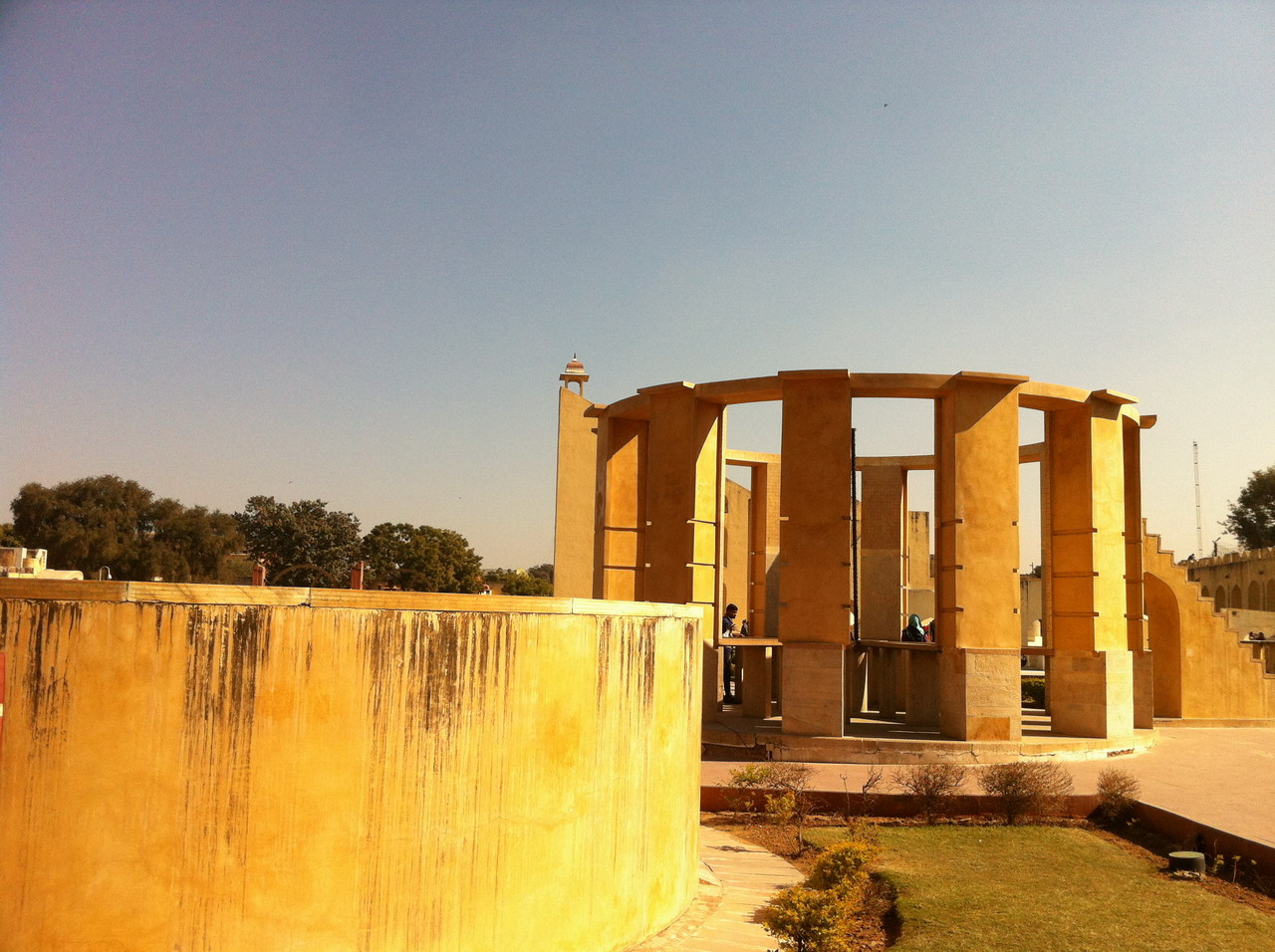
The Jantar Mantar, an eighteenth-century astronomical observatory! Stone instruments for tracking and measuring the position of stars and planets with the naked eye — and for measuring the shadow of the sun and moon. With degrees etched with incredible precision into marble still white. A structure for every constellation. I try to picture Jaipur’s founder walking, on a moonless night, through this immense observatory, sighting stars, taking measurements, in a darkness undisturbed by electric light.
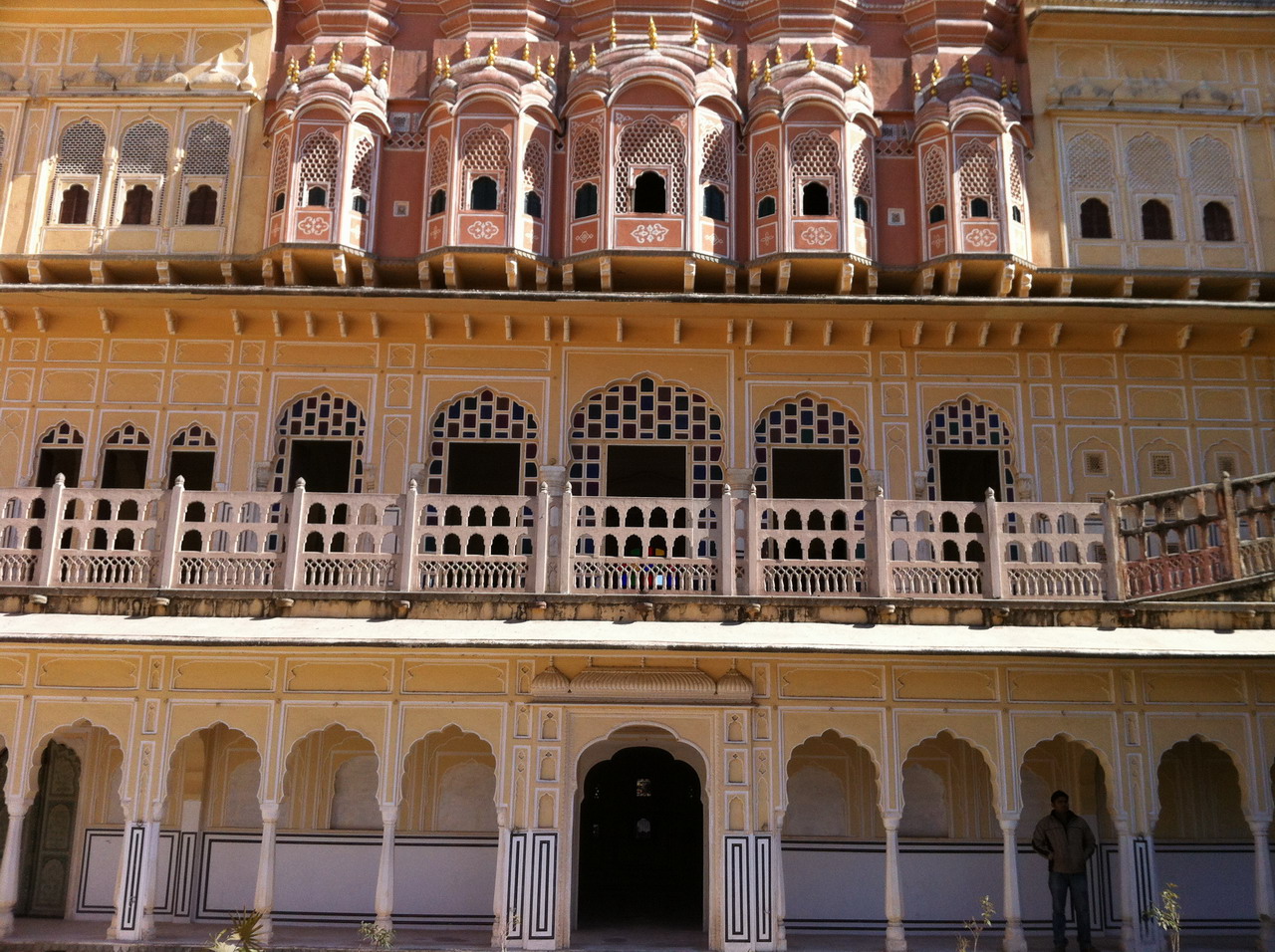
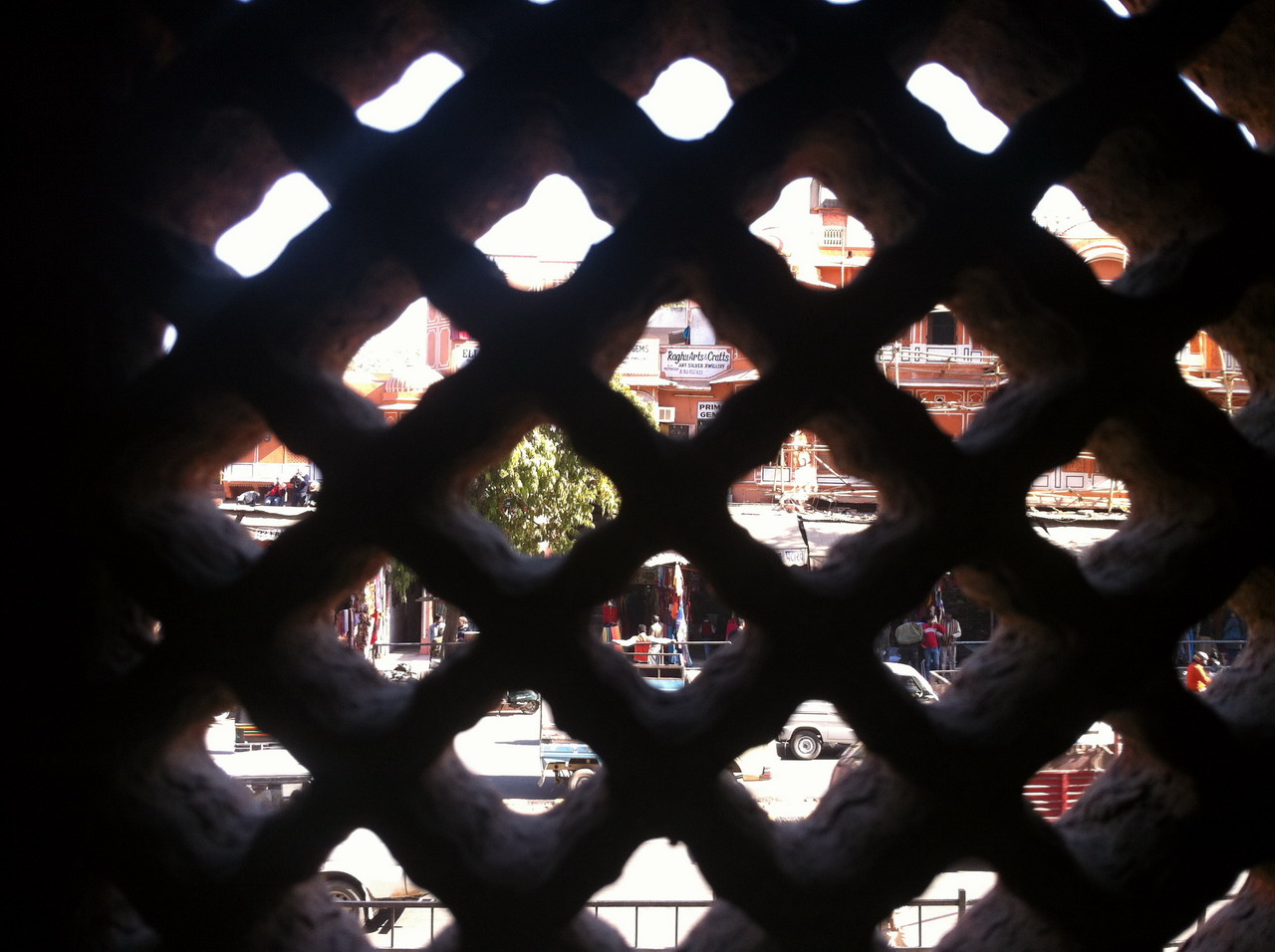
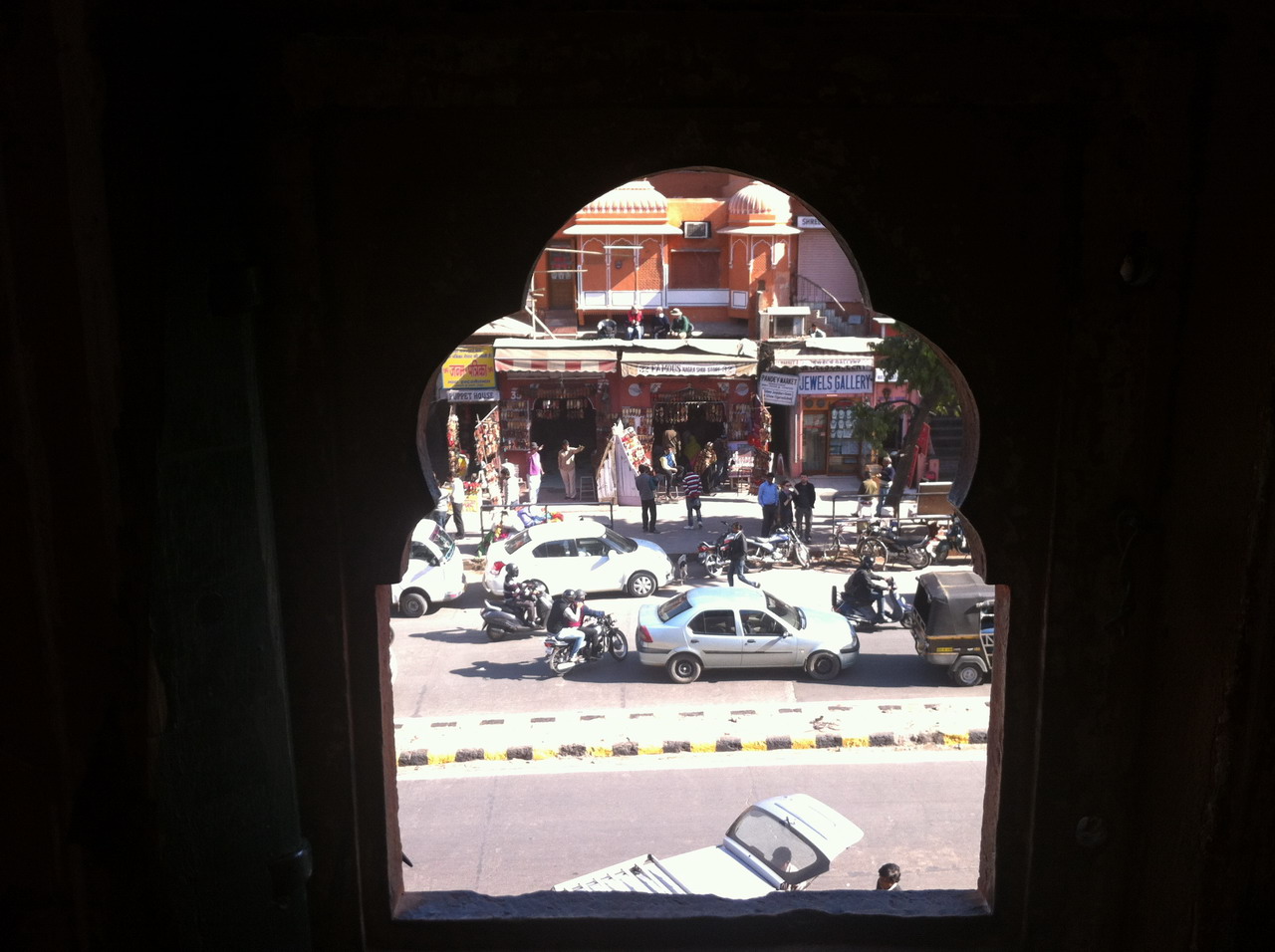
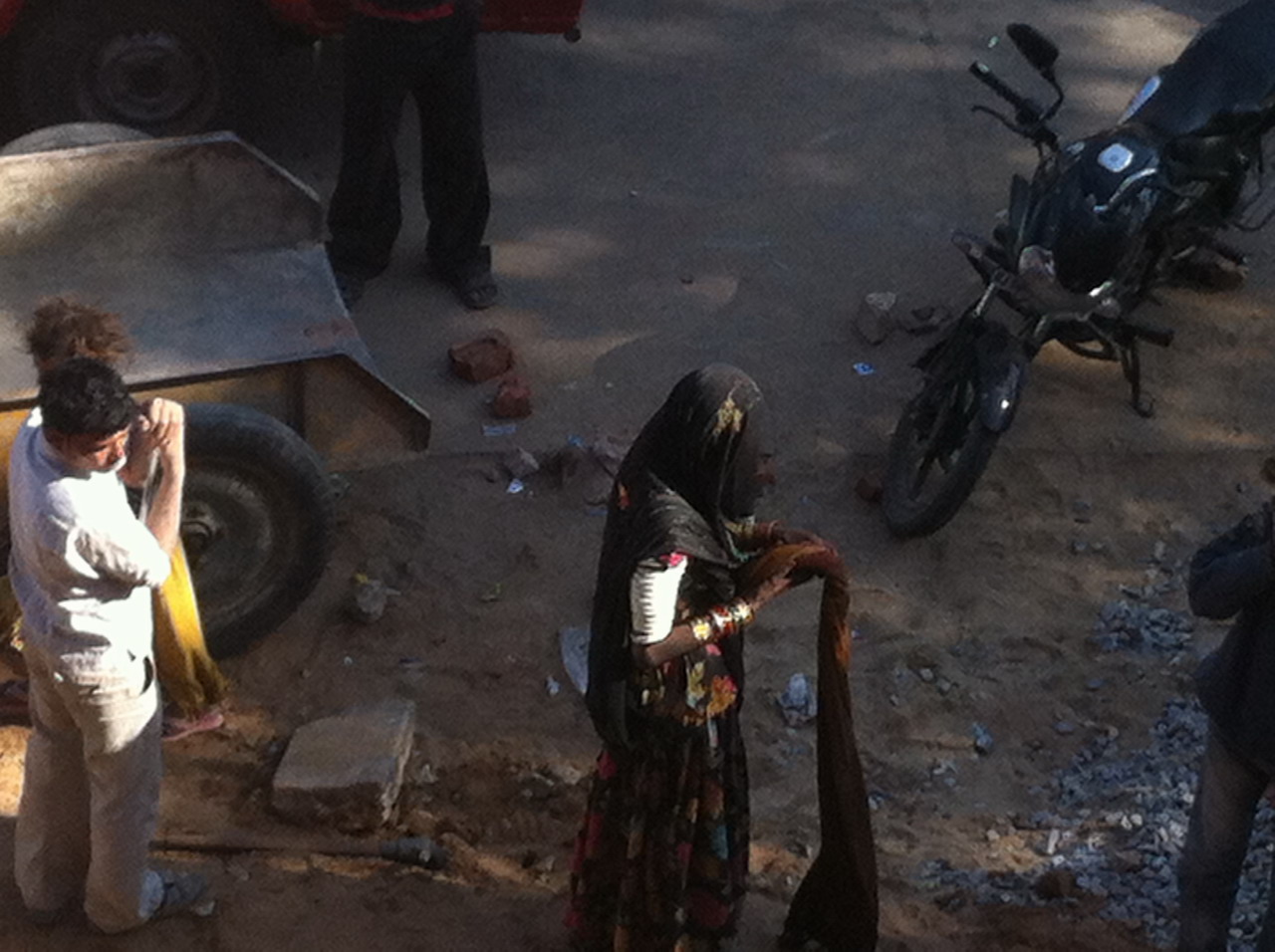
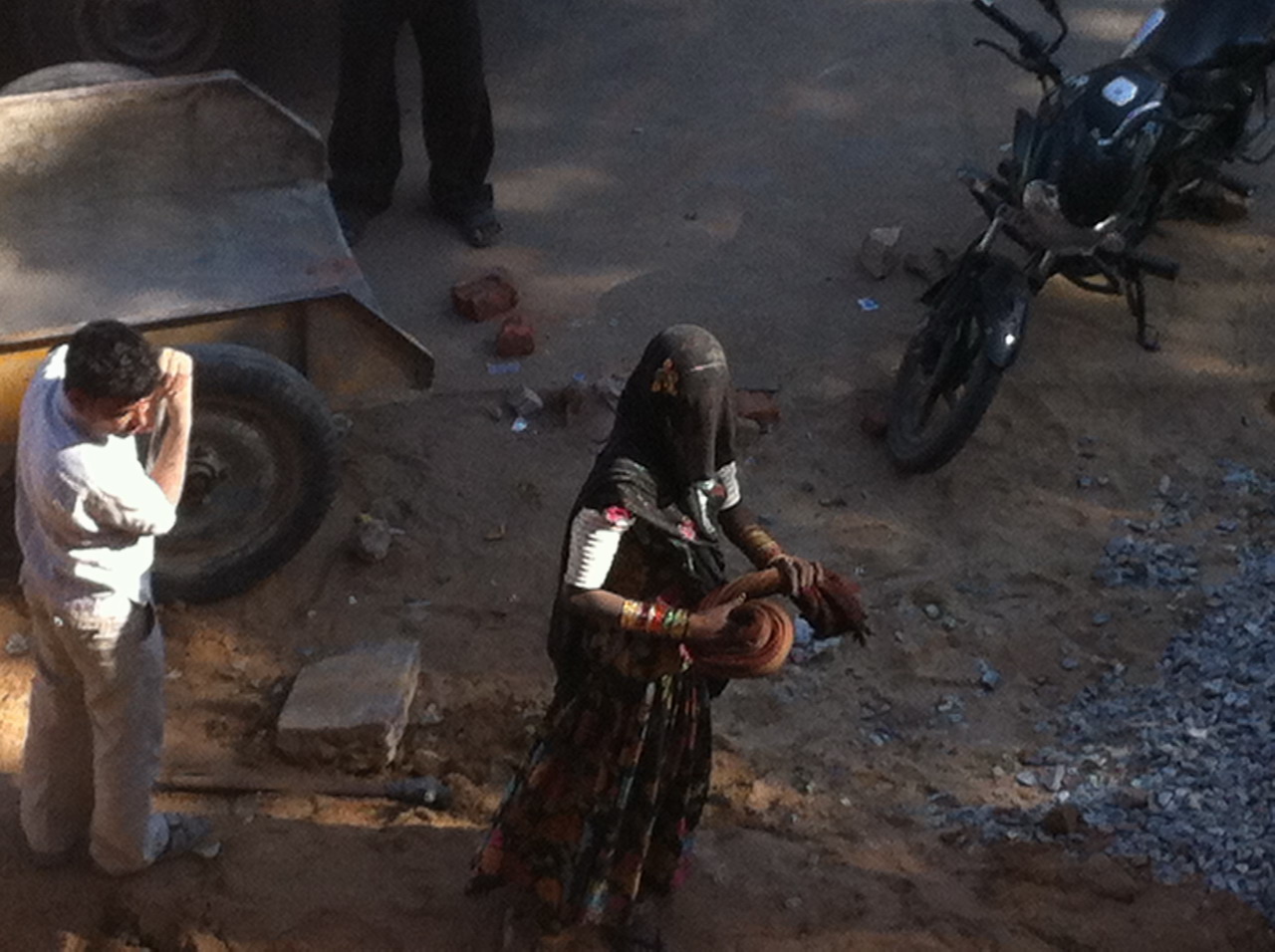
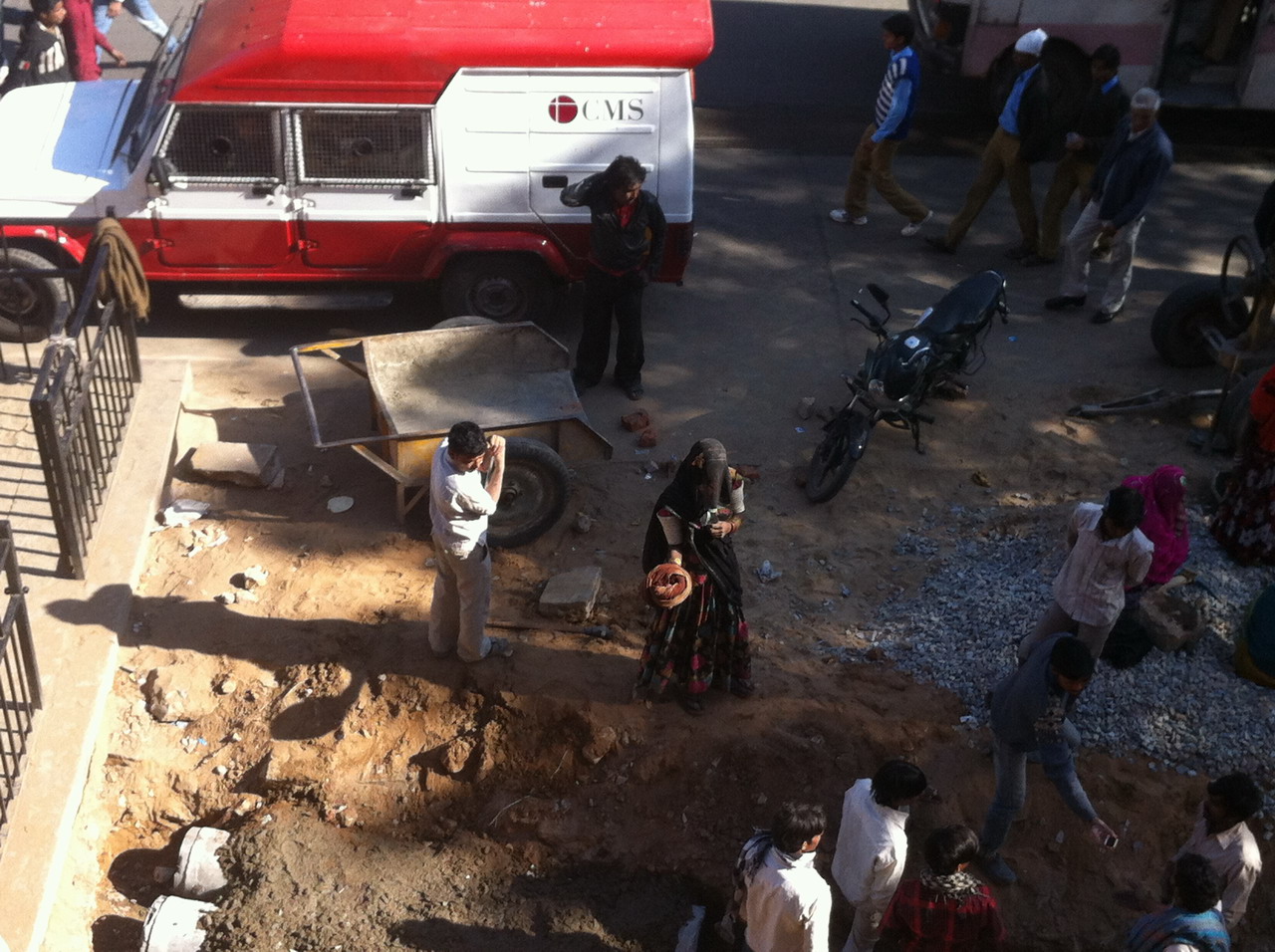
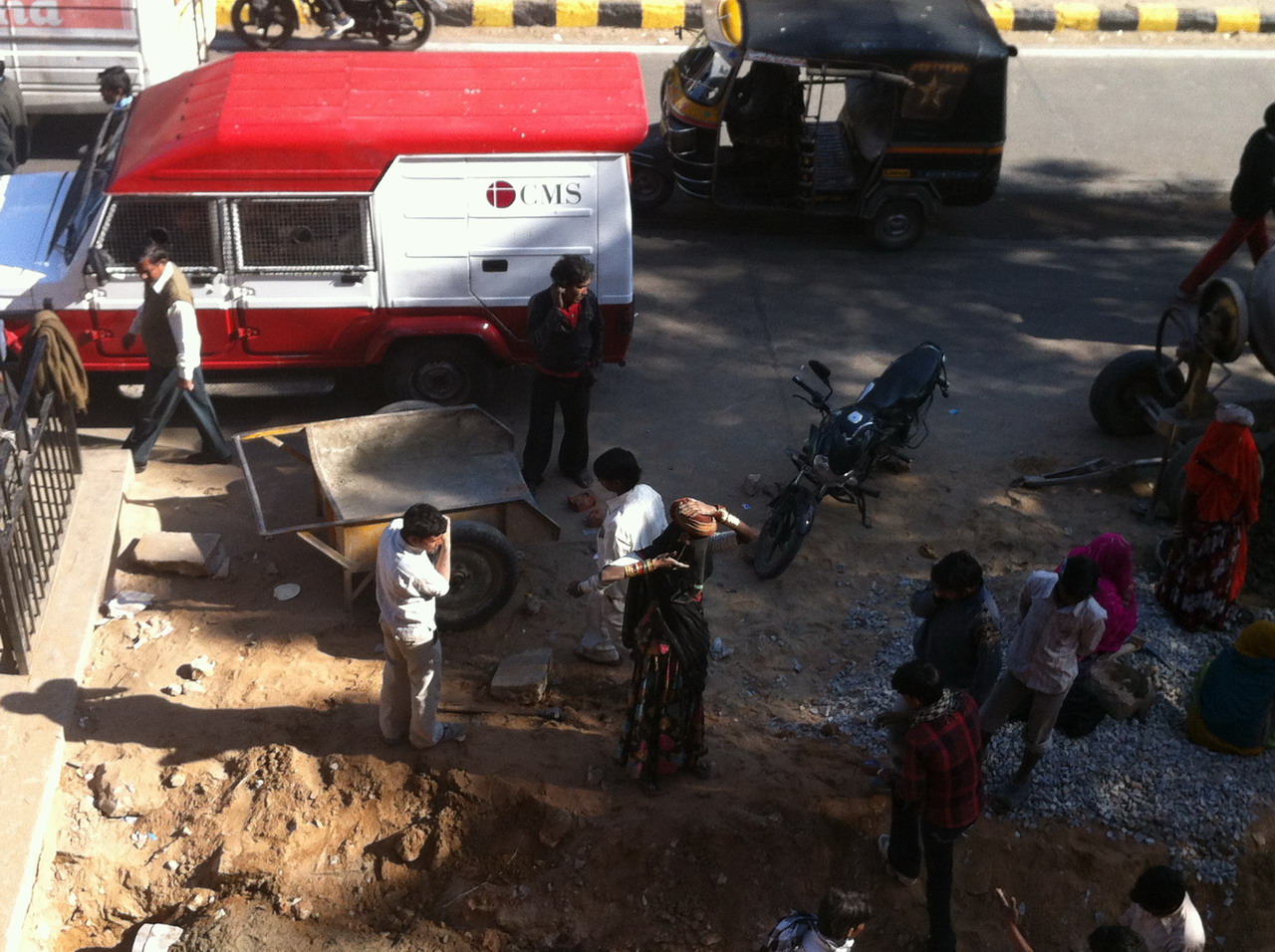
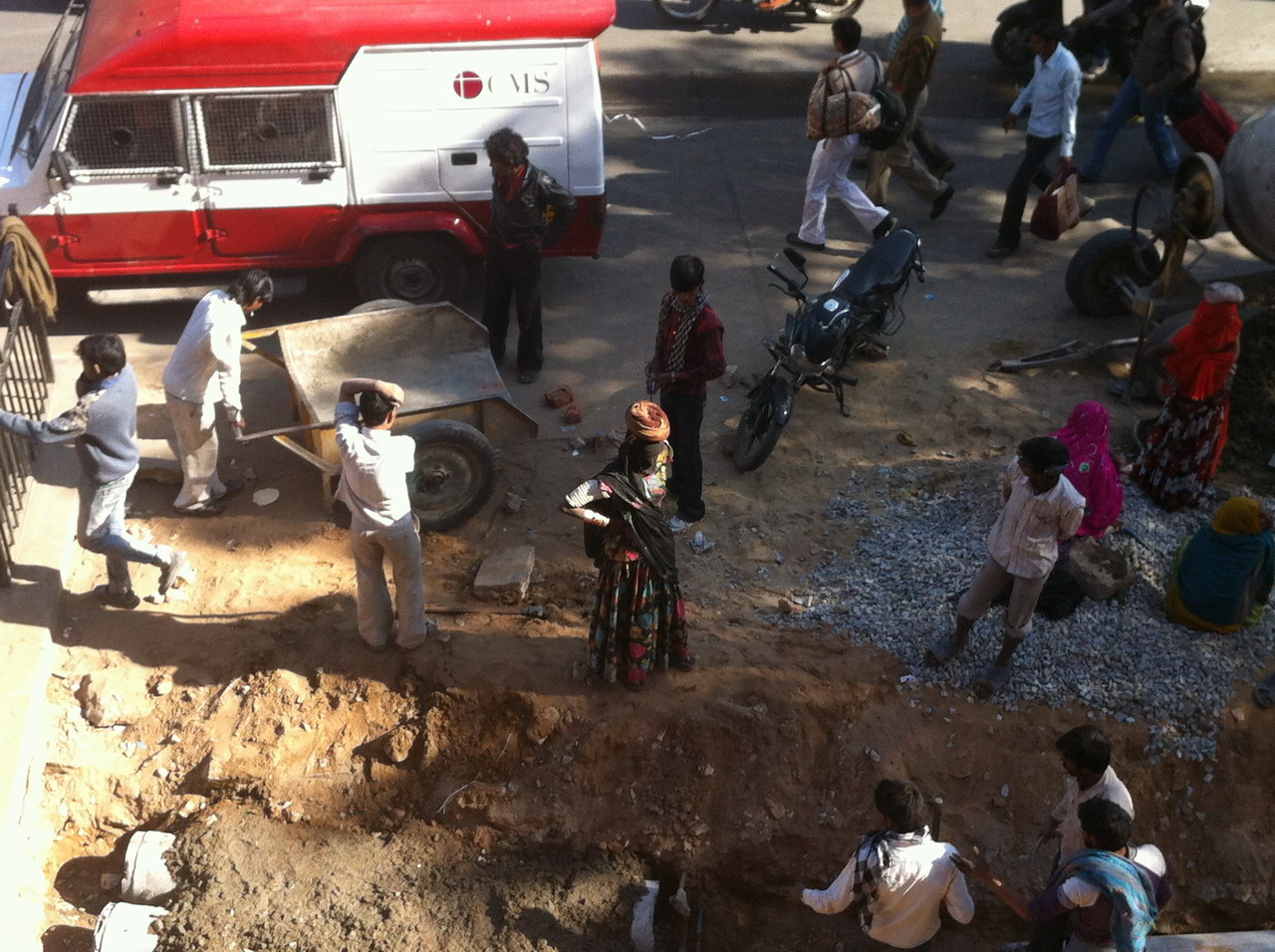
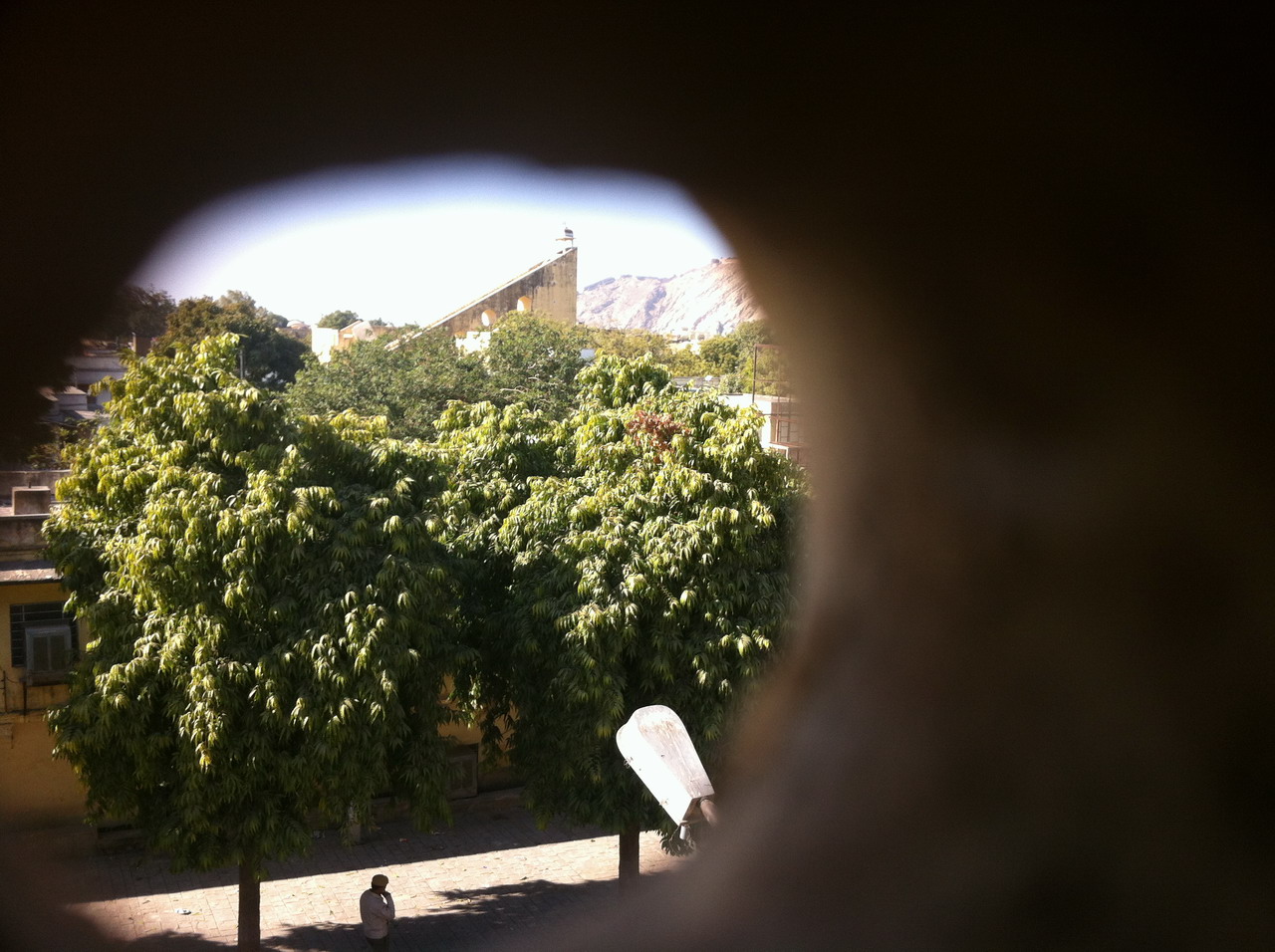
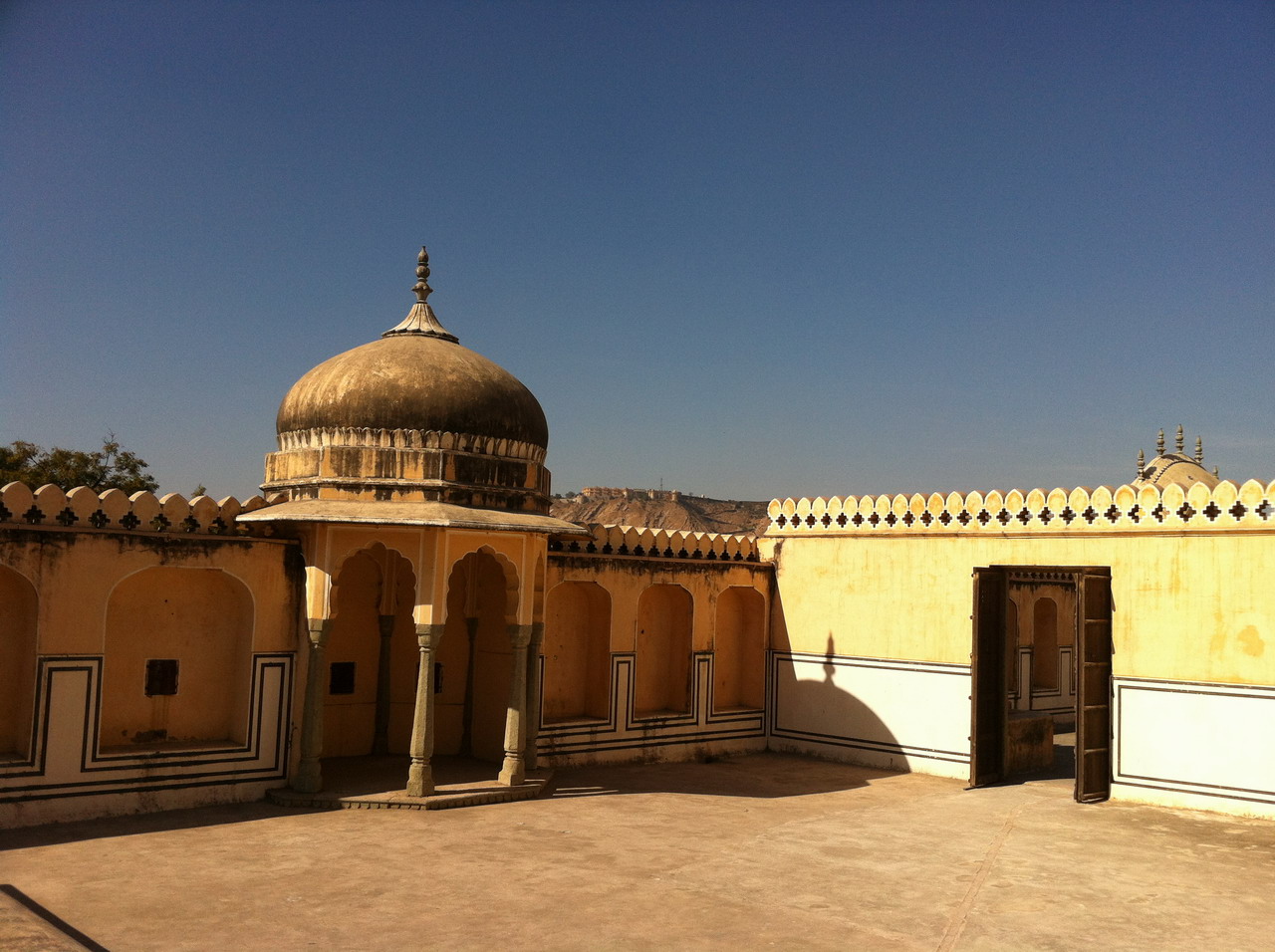
And then the house of women, the palace of the winds, the Hawa Mahal. A great pink sandstone façade, a gilded prison from which the women of the harem could spy, unseen, through a thousand holes and little windows, on the life of the city. From one of these small windows I take photos of a woman, splendidly dressed, working at a building site, carrying stones on her head in a wide metal bowl. As she settles the cloth on her head I notice her arms are covered in bangles. Then she notices the men working there are struggling, grabs a shovel, climbs down into the pit, and starts digging with real energy. The bangles glint in the sun. A queen, digging. Once again I wander, wordless, with no one to speak to, through a world I’ve only just begun to glimpse.
I head toward the bazaar, which by now feels familiar. I fight off the melancholy by buying colourful kites. Back in Italy I gave them out to every kid I know, aged five to fourteen — and one still hangs in my room. Melancholy? Tomorrow I leave. To go back. To everything I left behind my wheels.
Photographs