Stage 7 · Jodhpur – Jaisalmer
A fortified citadel
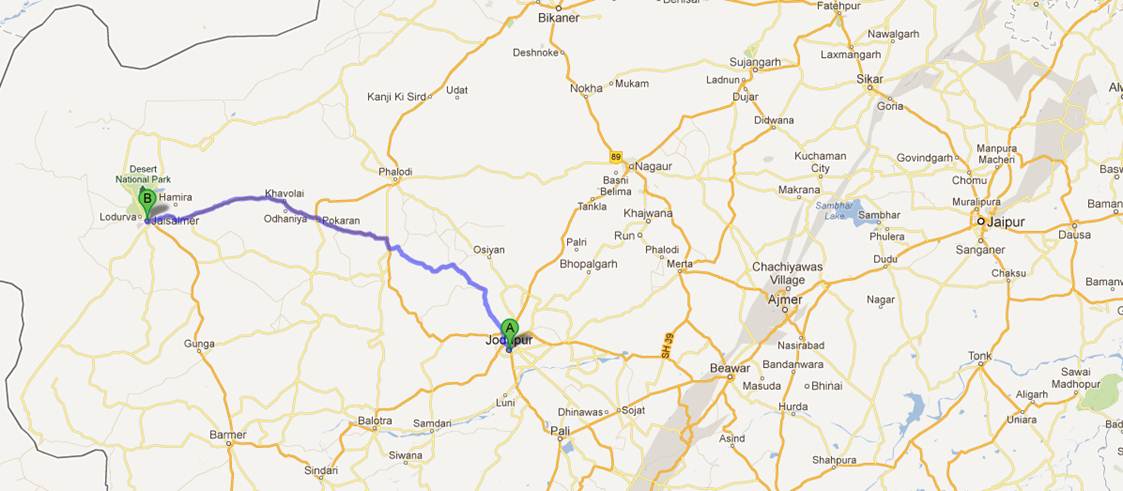
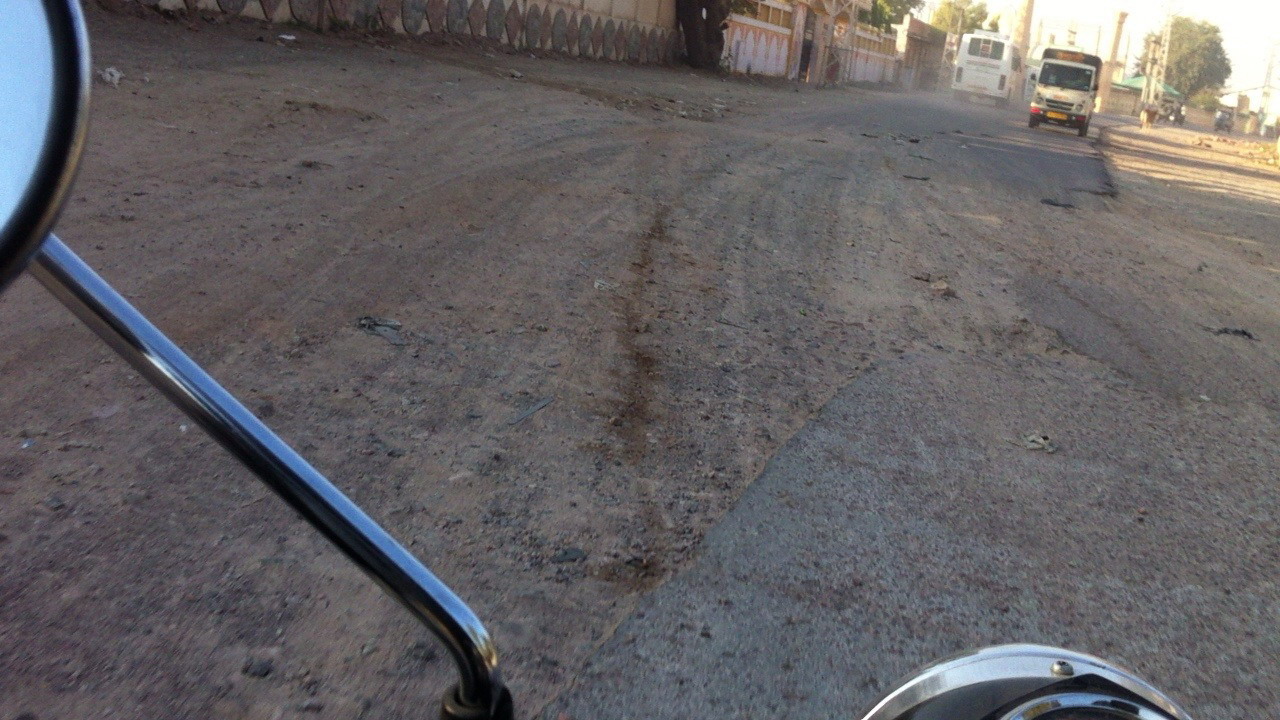
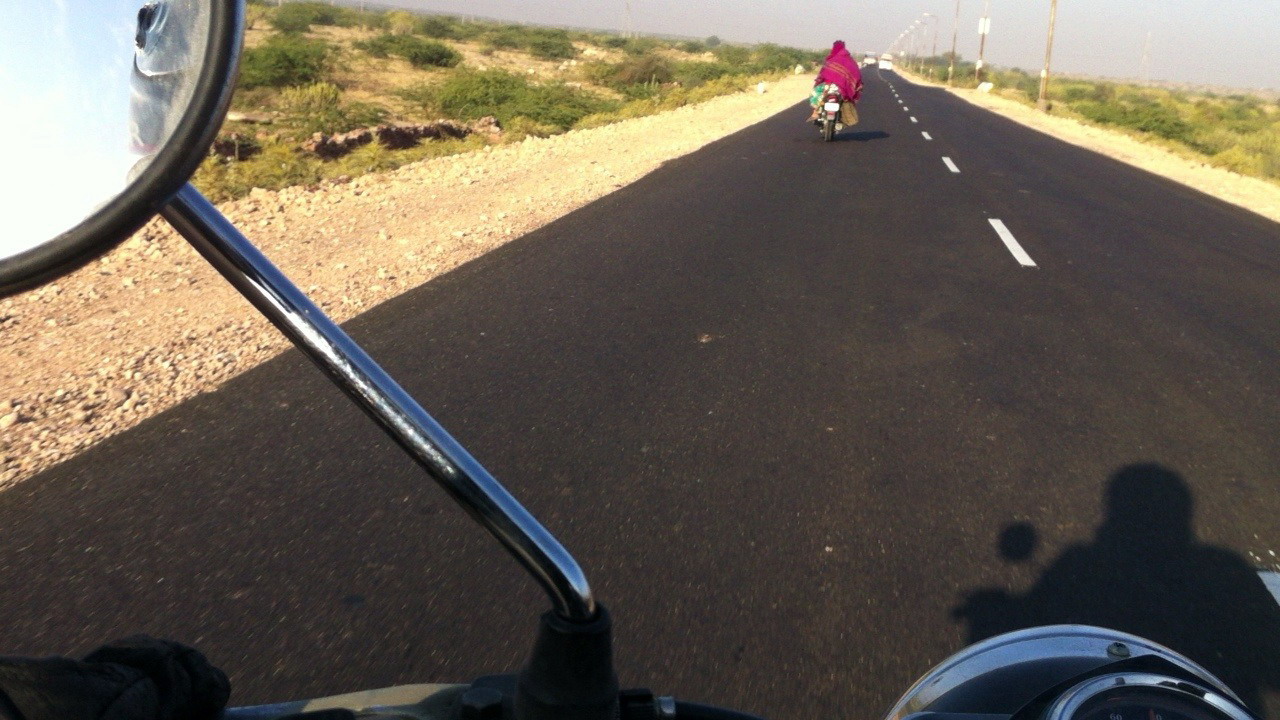
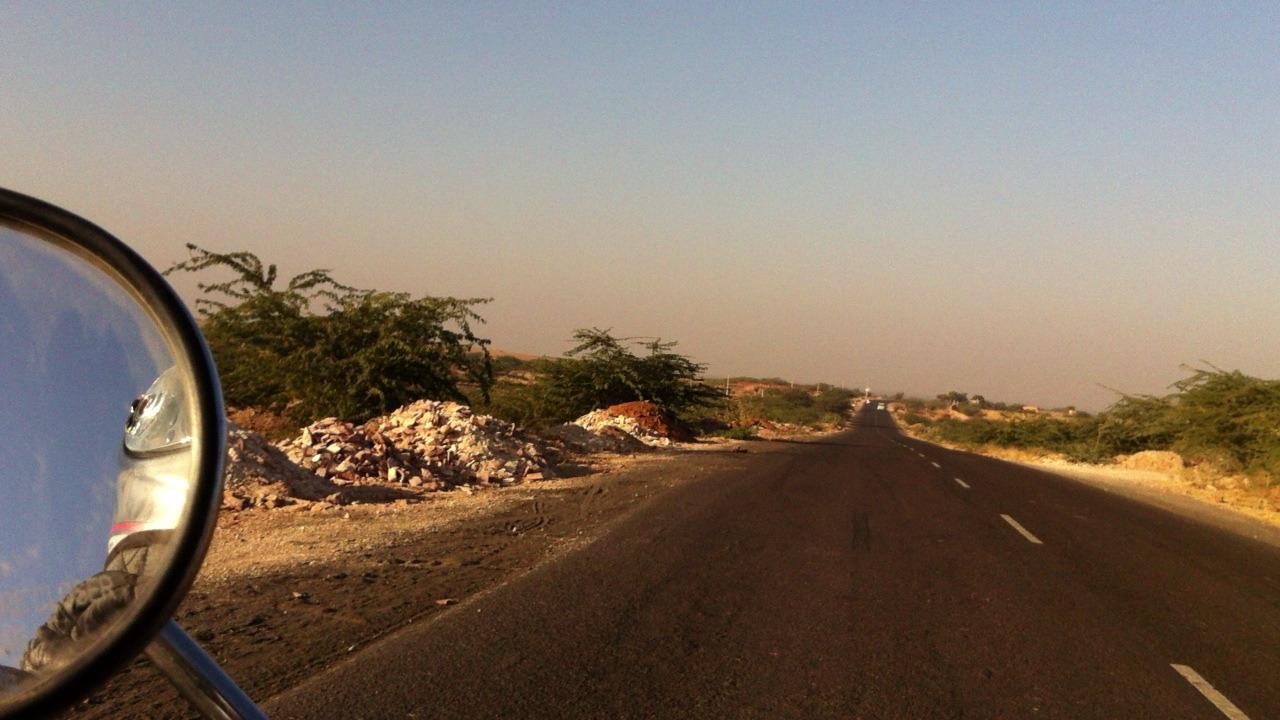
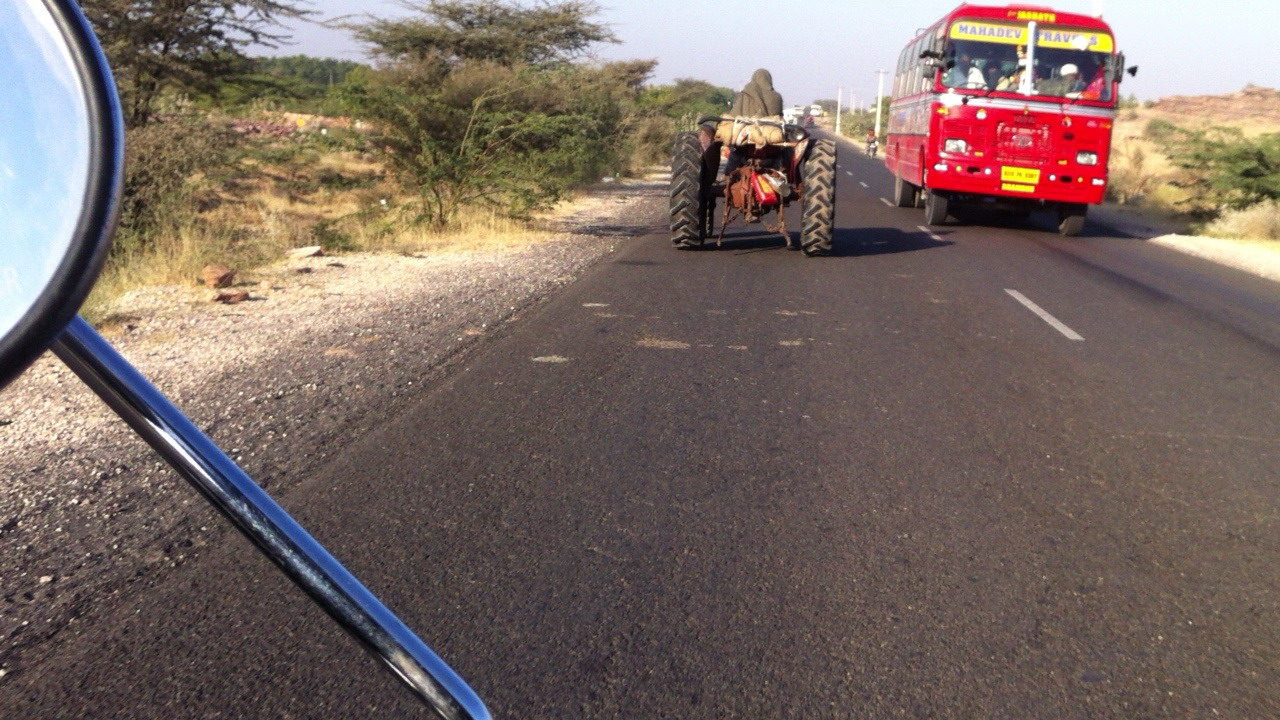
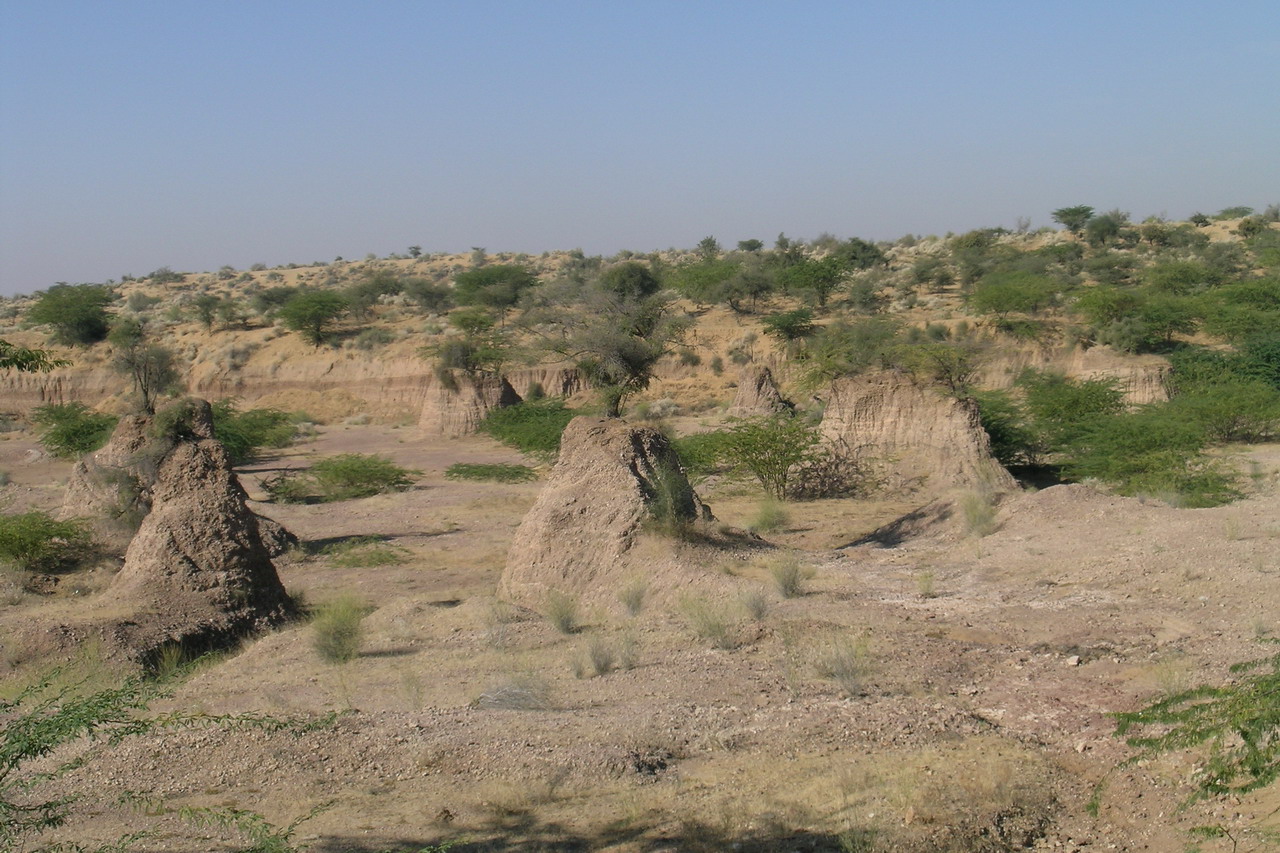
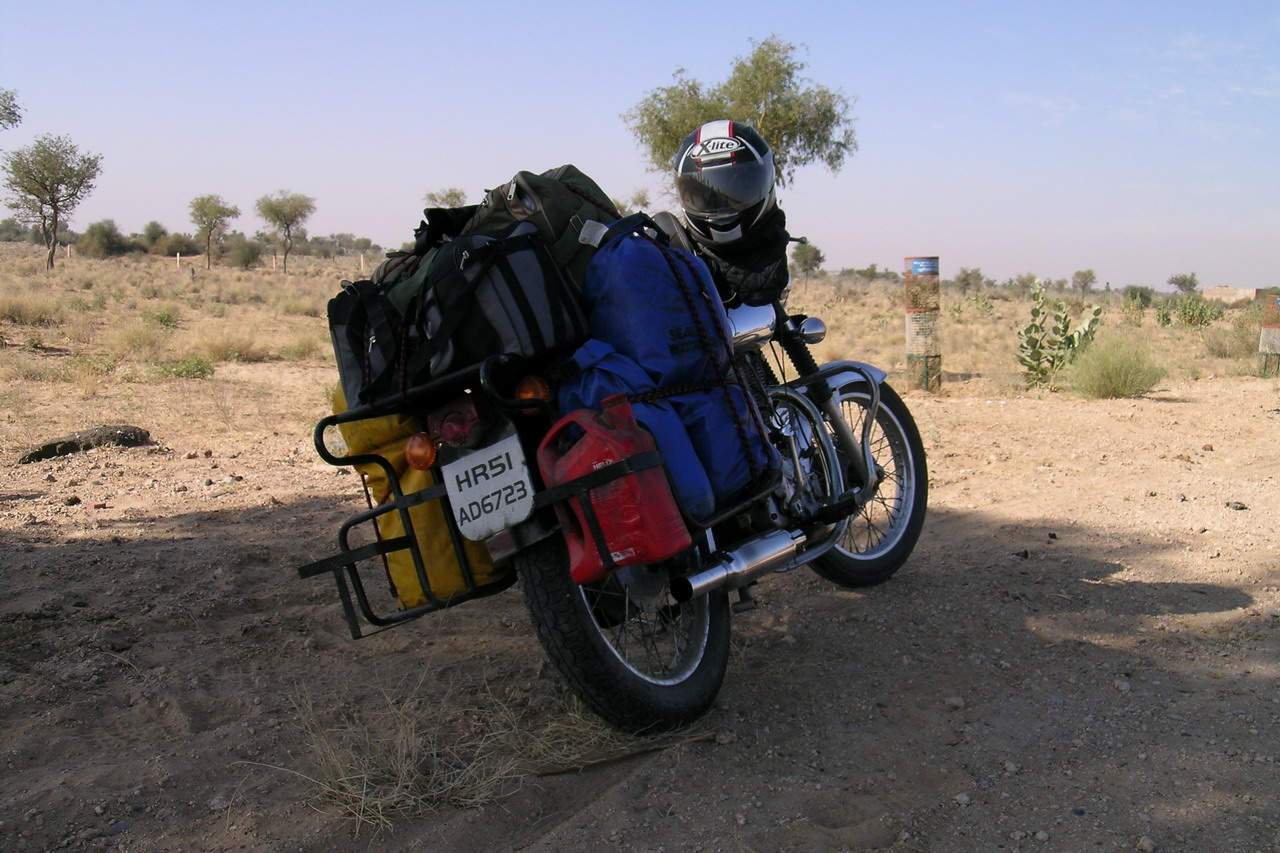
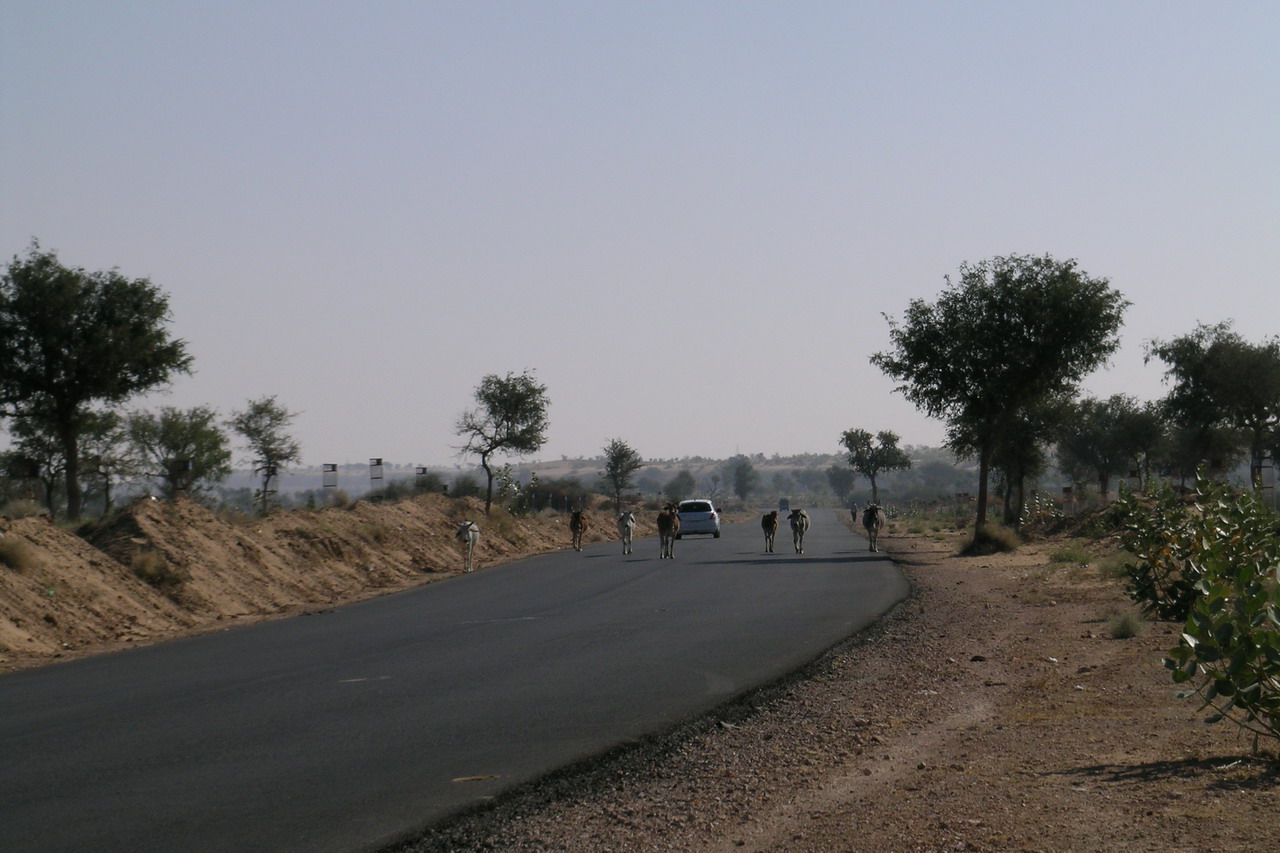
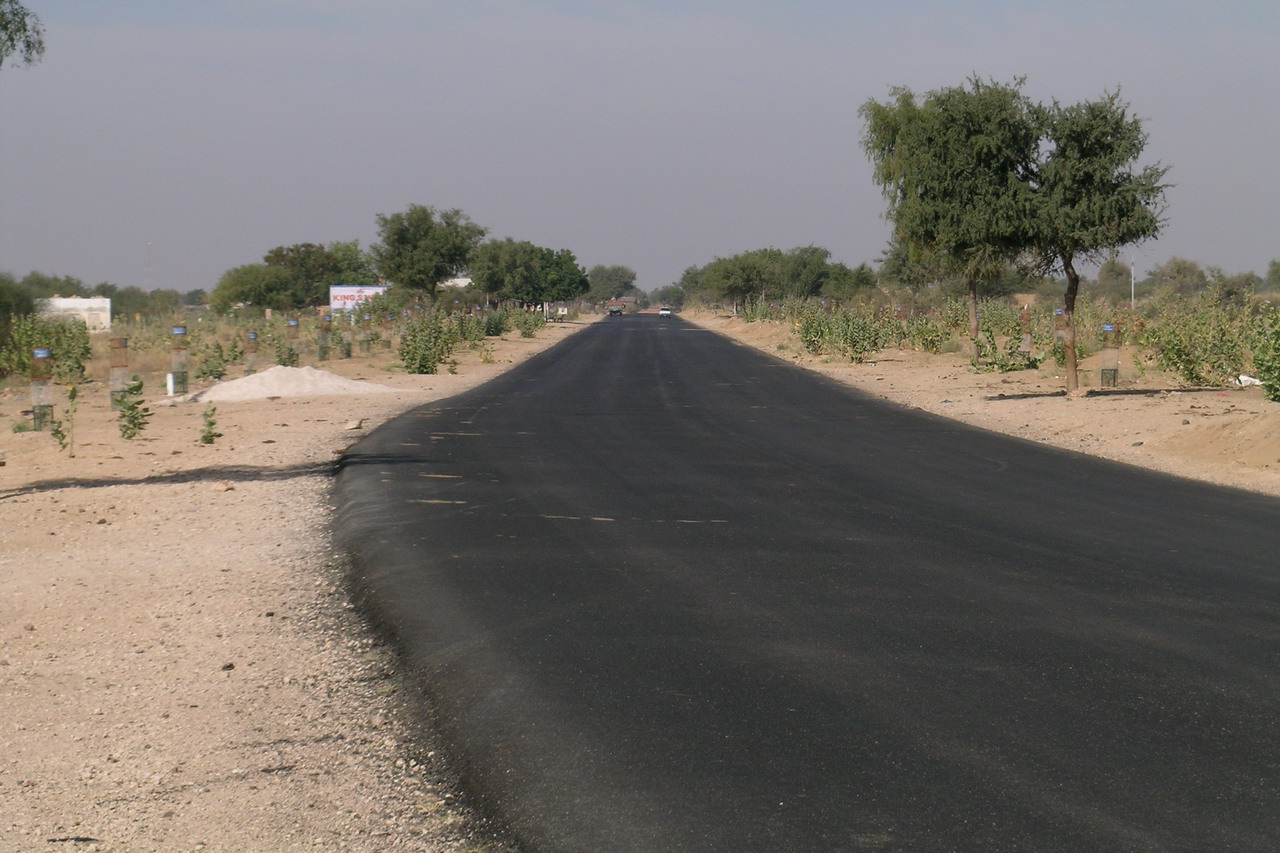
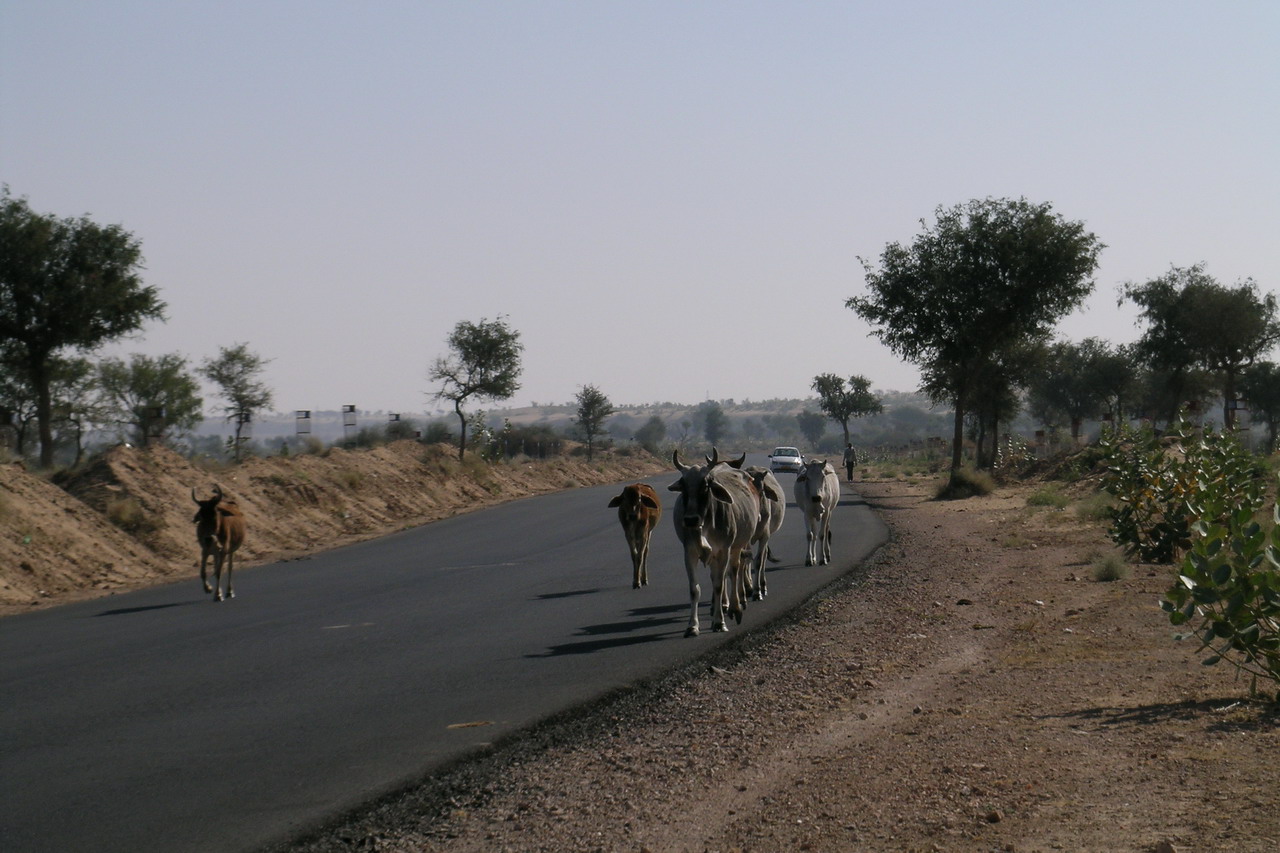
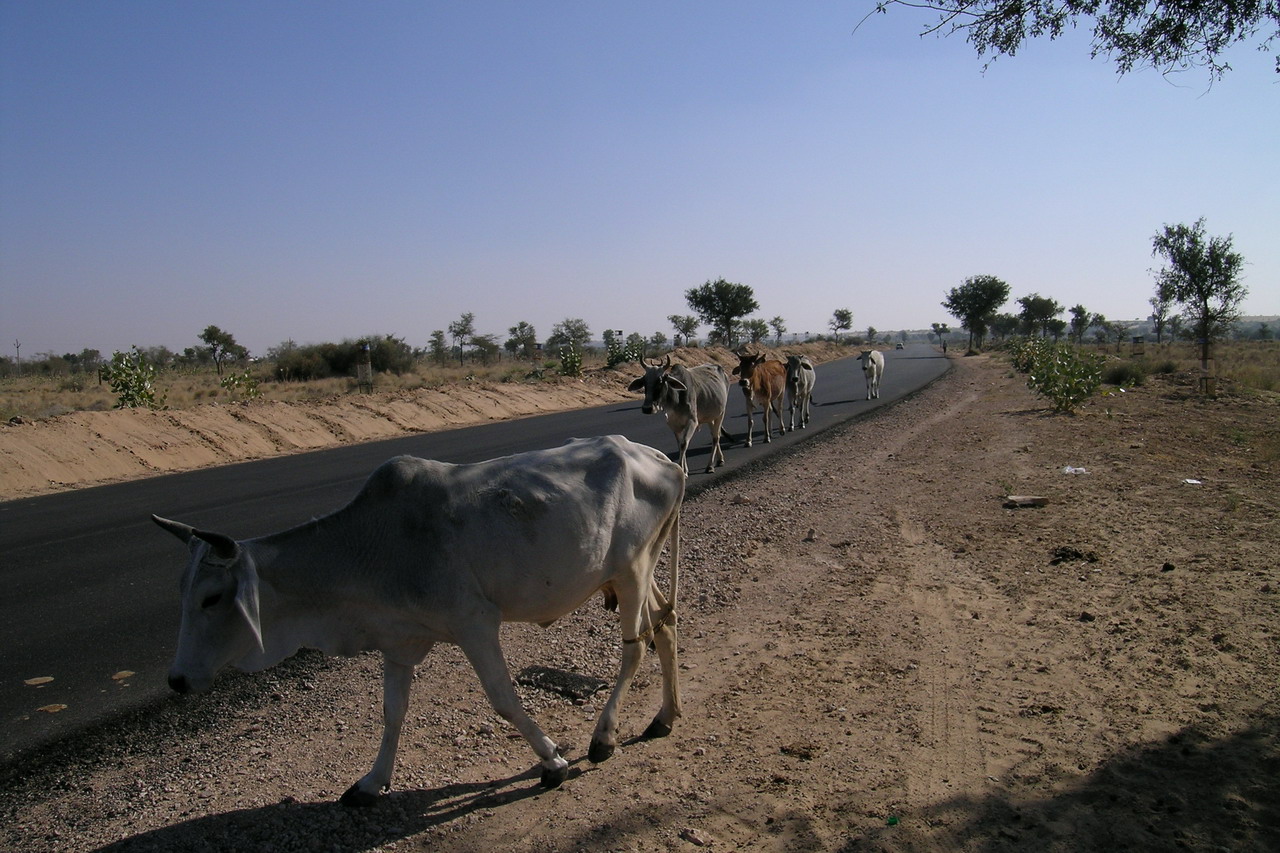
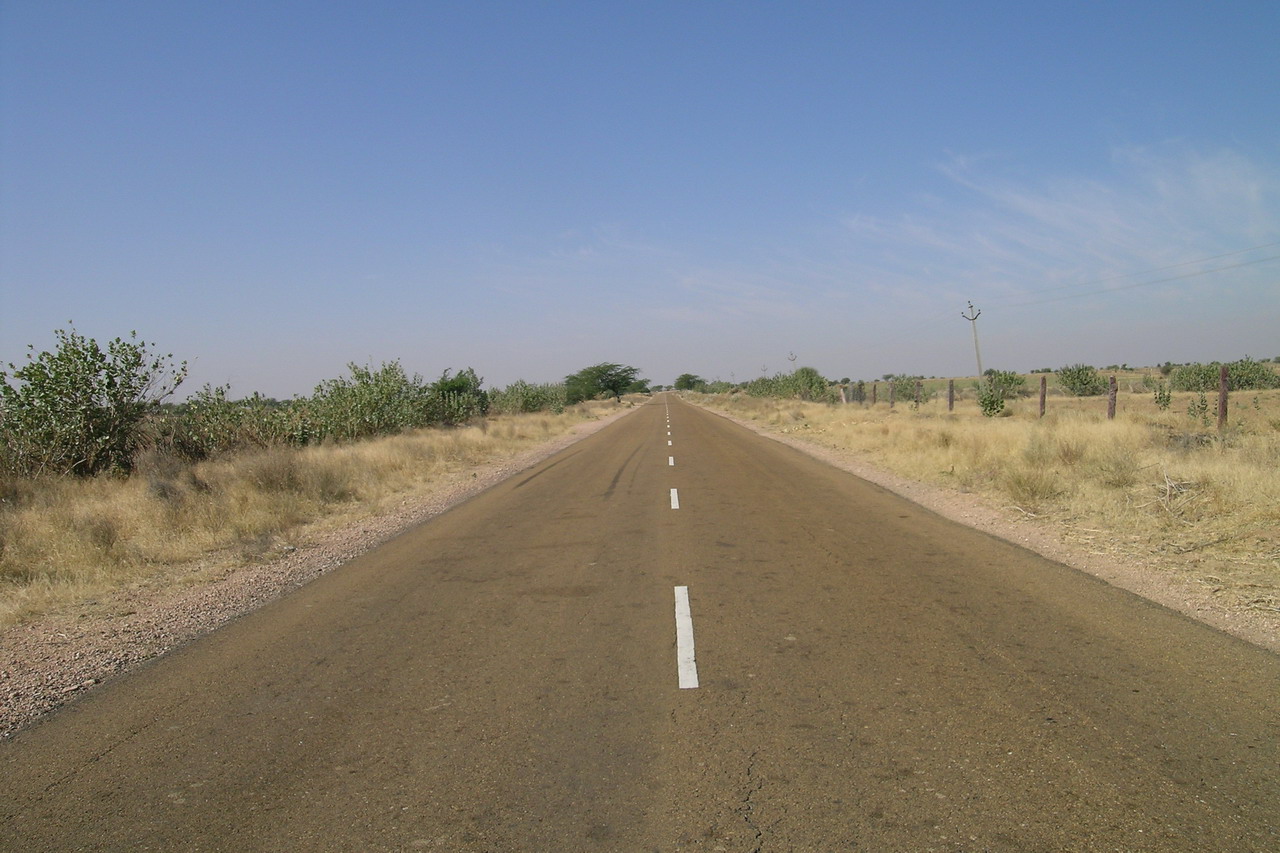
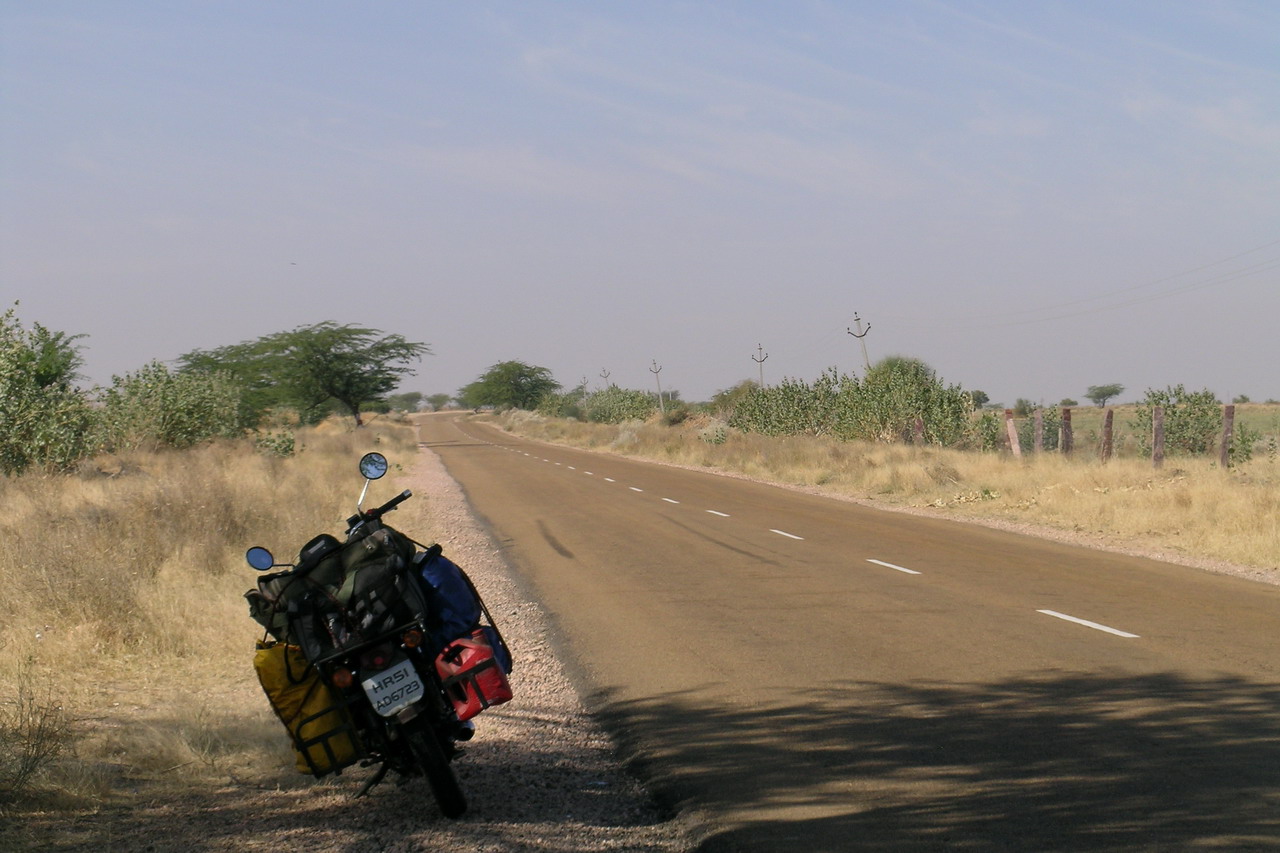
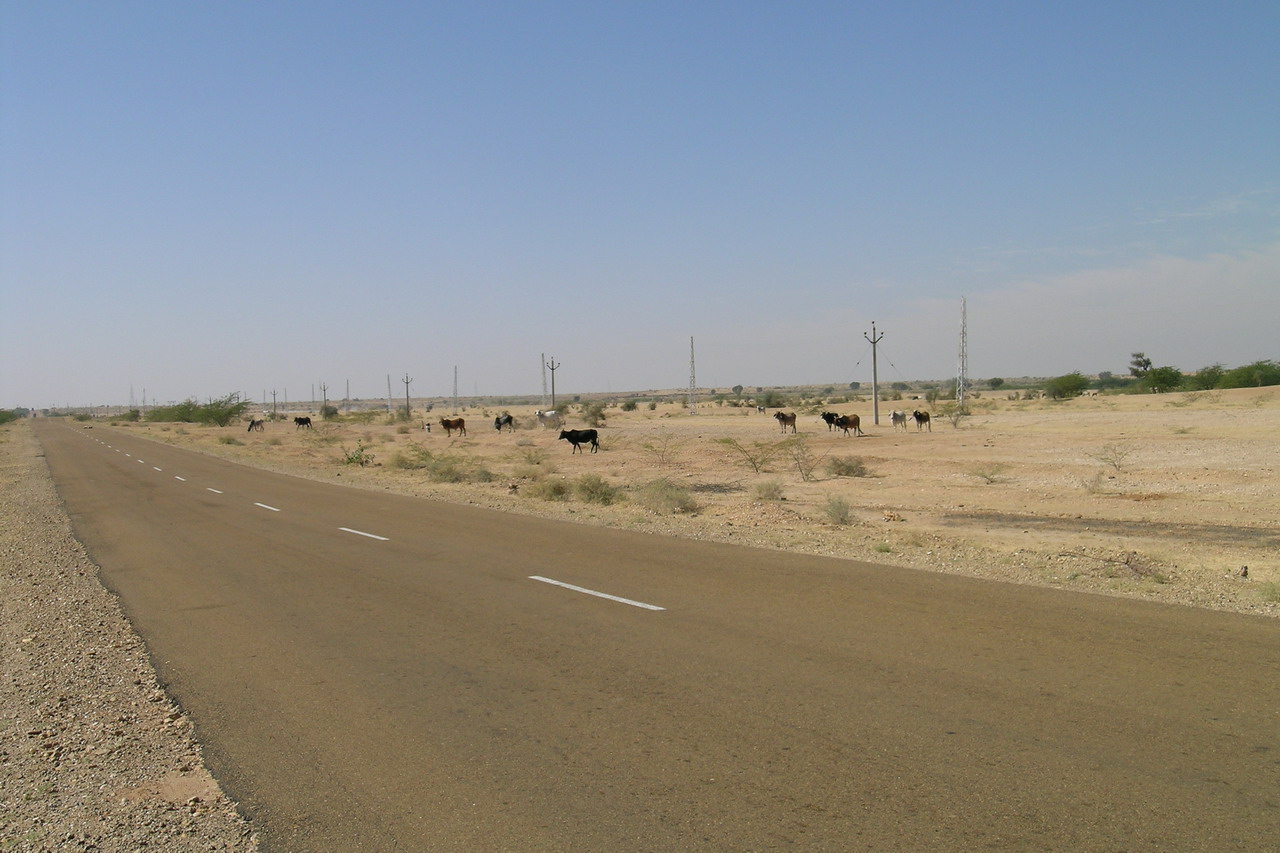
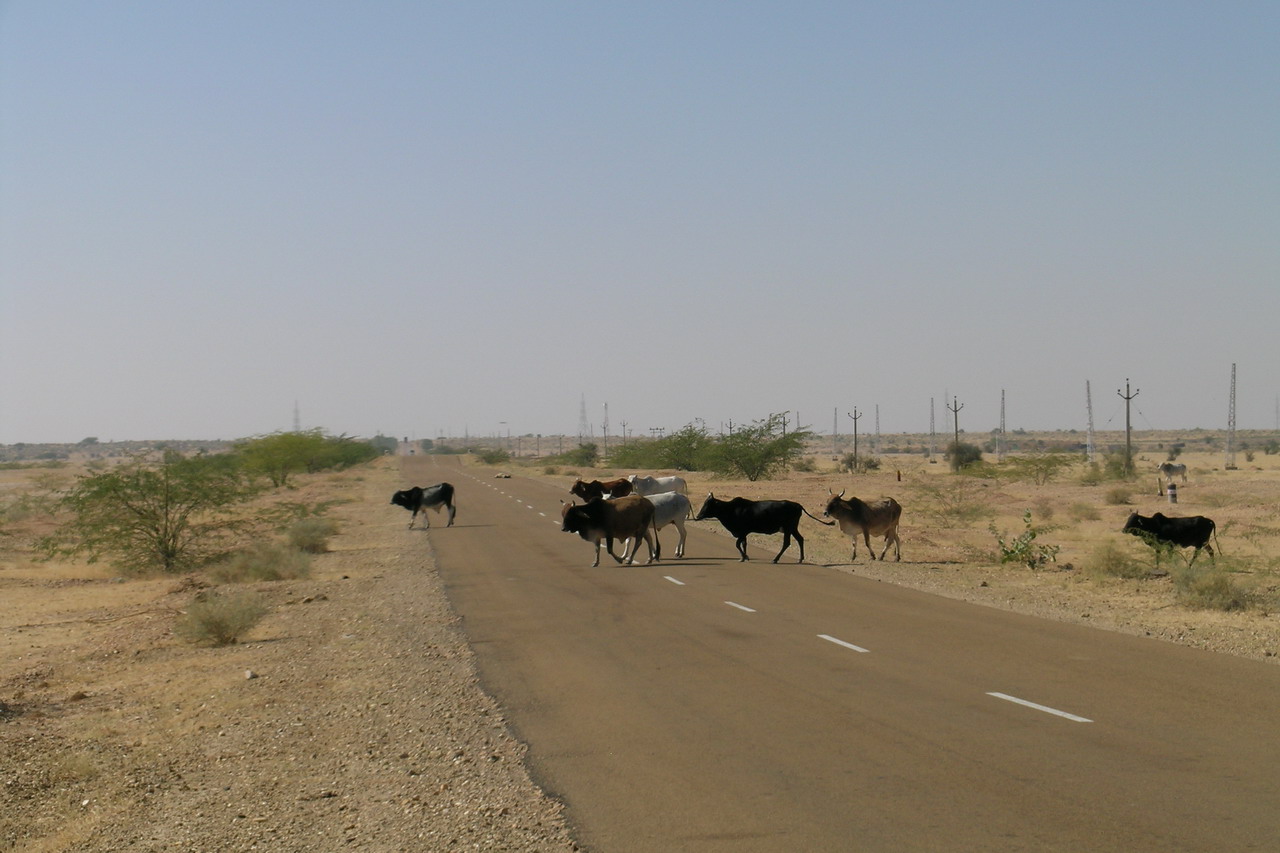
I wake in a hotel full of people sleeping on the sofas. They give me odd looks, as if to say: ‘Look how fidgety this one is, first thing in the morning — doesn’t he know it’s New Year’s Day?’ But they do it good-naturedly. Travelling alone on a Bullet loaded with colourful bags makes everyone warm to me. I load the luggage onto the bike — by now a well-rehearsed routine — and set off. The road gets slightly worse, but I keep riding ‘fast.’ Everything grows steadily flatter. And yellower. I meet some camels.
I stop to take some photos — predictable, perhaps, but I’d never seen camels roaming wild before. Suddenly, while I’m drinking some water, an Indian man pops out from behind some bushes. Tall, thin, almost skeletal. Dressed in rags, a kind of white costume. Long legs, barefoot. A few yellowed teeth. Salgari’s novels, which coloured my adolescence, and his terrible thugs, spring unbidden to mind… But where does he come from? There’s nothing around here — we’re in the desert. A few withered trees, scant food for these poor one-humped camels. And besides, what does he want? The man approaches, stops a few metres from me, and presses his palms together, smiling — he wants to make clear his peaceful intentions. I return the greeting the same way. Then I bring a closed fist to my chest, over my heart. This surprises him, and his smile widens, showing every gap in his teeth. But the surprise doesn’t last. He has a clear objective in mind, priorities he can’t abandon — not even for a tourist who seems to know how to greet properly. He looks at me, points at me, the camels, the camera, and holds out his right hand, rubbing thumb, index, and middle finger together. The gesture is so unexpected, so incongruous, so out of context (I’d never seen anyone in India ask for money that way) that I burst out laughing. Who knows where he learned it. My laughter unsettles him, but doesn’t deflect him from his goal. He repeats the gesture several times. I try talking to him, still laughing. He doesn’t know a word of English. His entire know-how in international communication comes down to that rubbing of fingers. By gestures, he makes his point: he has a sort of claim on the camels, and anyone photographing them owes him money. I question his claim, though I’m not sure he understands. What follows is a genuinely comic conversation. I decide to give him something anyway — the scene is too surreal, and I’m in an excellent mood. As he sees me reach for my wallet, his eloquence explodes into English: ‘One hundred,’ he blurts out in one breath. A hundred rupees? As if it were some kind of sale. The going tip for a porter is ten or twenty rupees — but at least he carries my bags. ‘One hundred?’ I reply, feigning indignant surprise. Maybe he’s used to dealing only with Americans. We look each other in the eye. He smiles, embarrassed at the absurdity of his own request. I say, ‘Ten!’ and hand him ten rupees. Broad smiles on both sides. The transaction is closed to mutual satisfaction. Hands pressed together, we say goodbye. Still laughing, I start the bike and ride off. The episode has put me in a great mood.
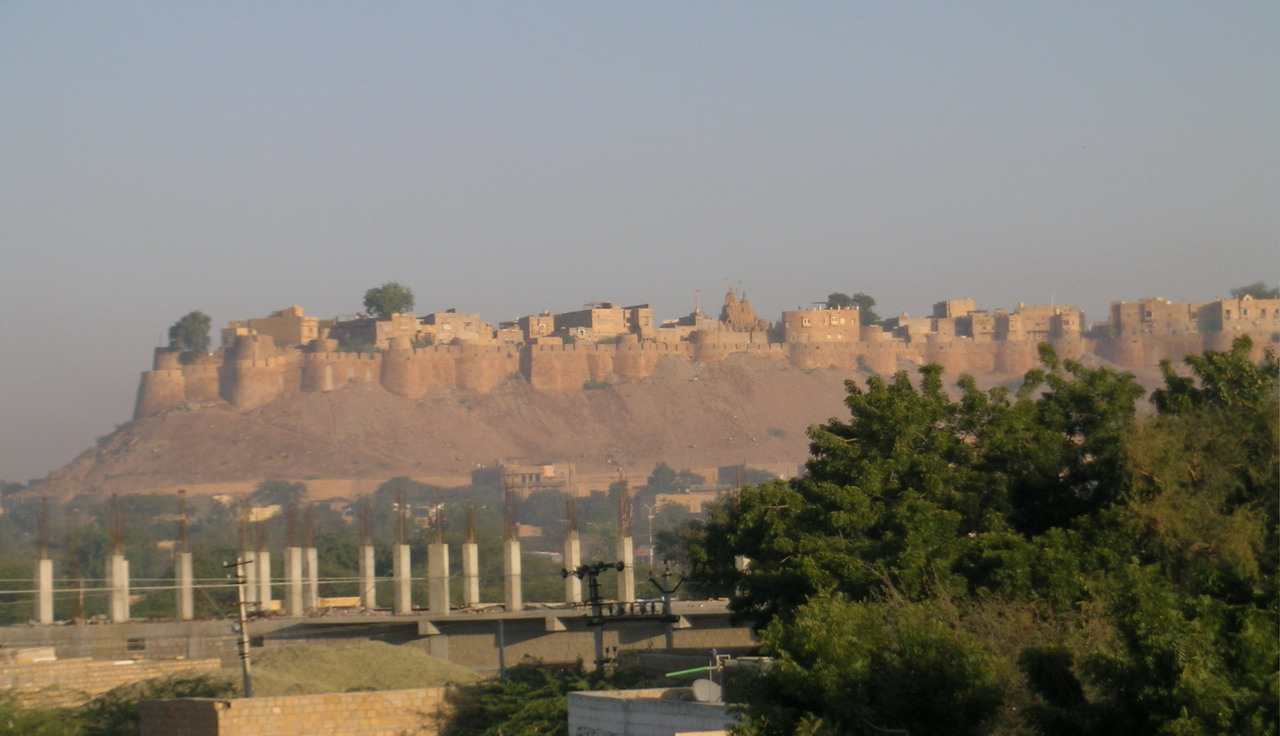
At last I see something — a dark outline on the horizon. But the GPS takes me away from the fort; I’d chosen a ‘comfortable’ hotel to rest and write in, a little out of the way. Another sandy track, and I’ve arrived. I have to wedge a stone under the side stand, or the bike would tip over in the sand. A gesture that’s become familiar by now — sometimes, when I park my bike back in Rome, I still think of it…
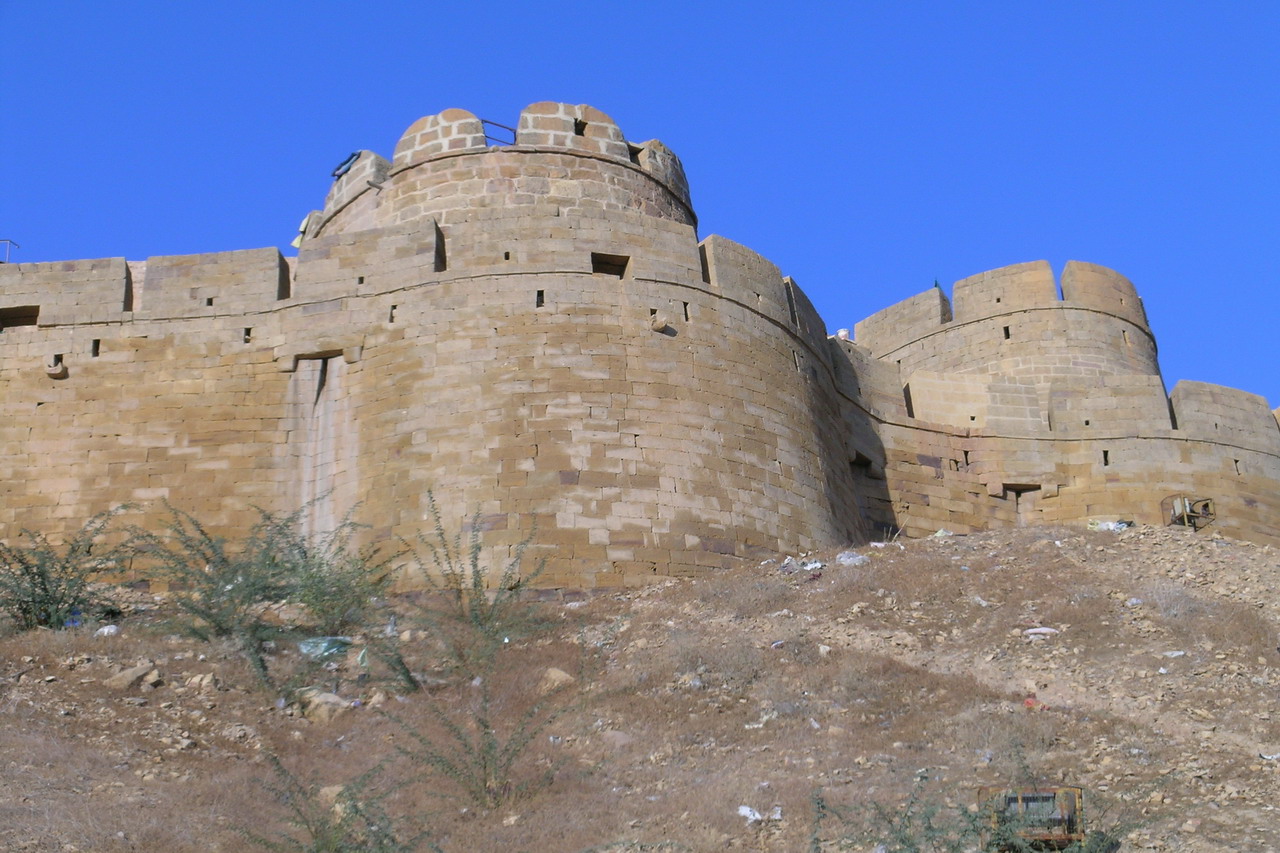
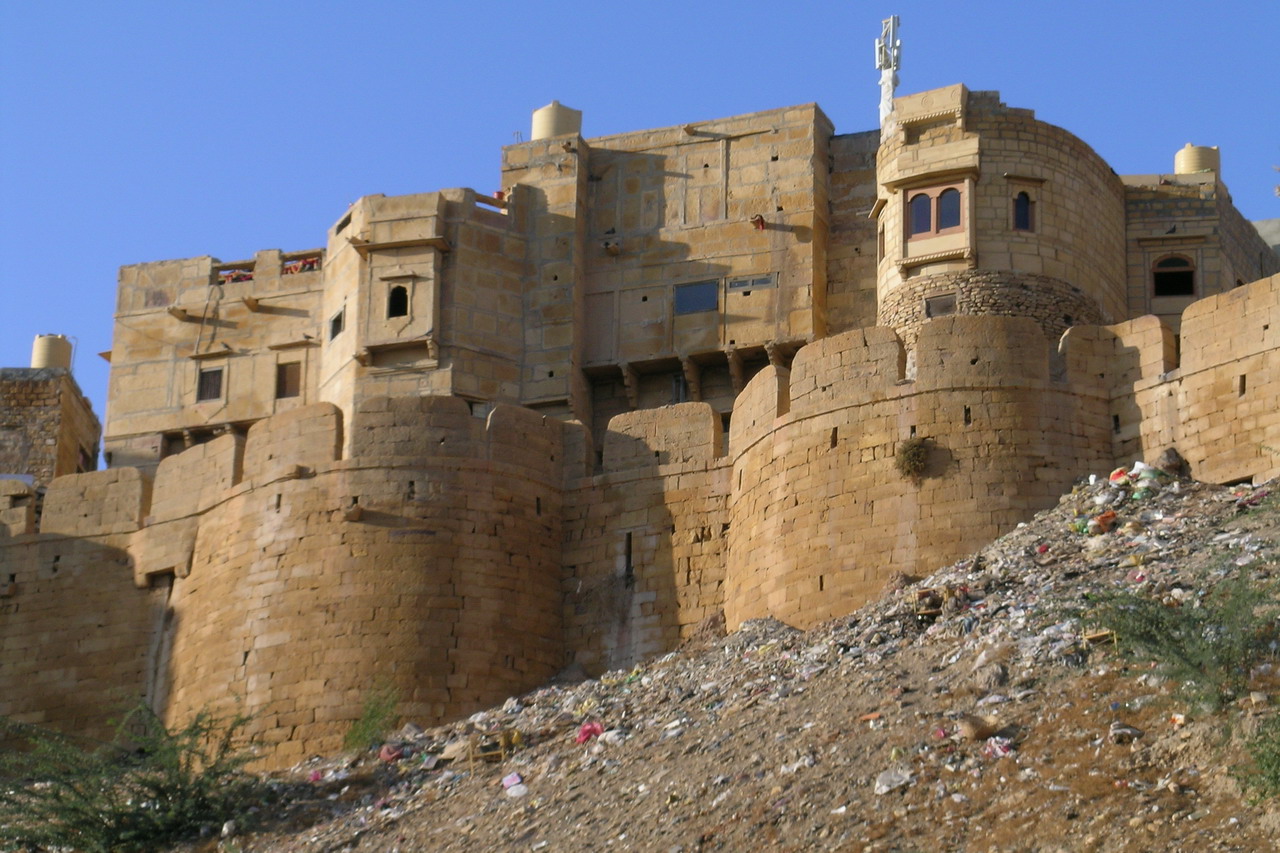
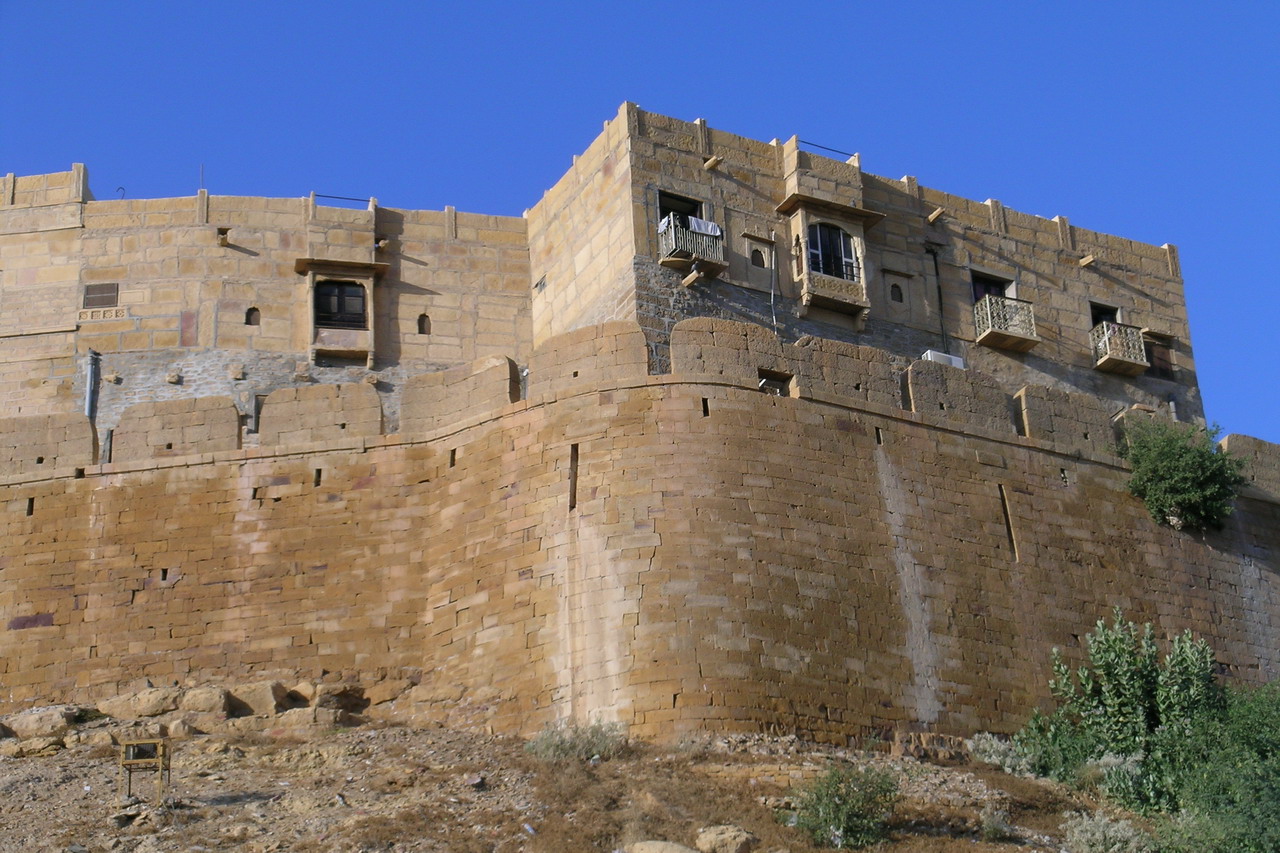
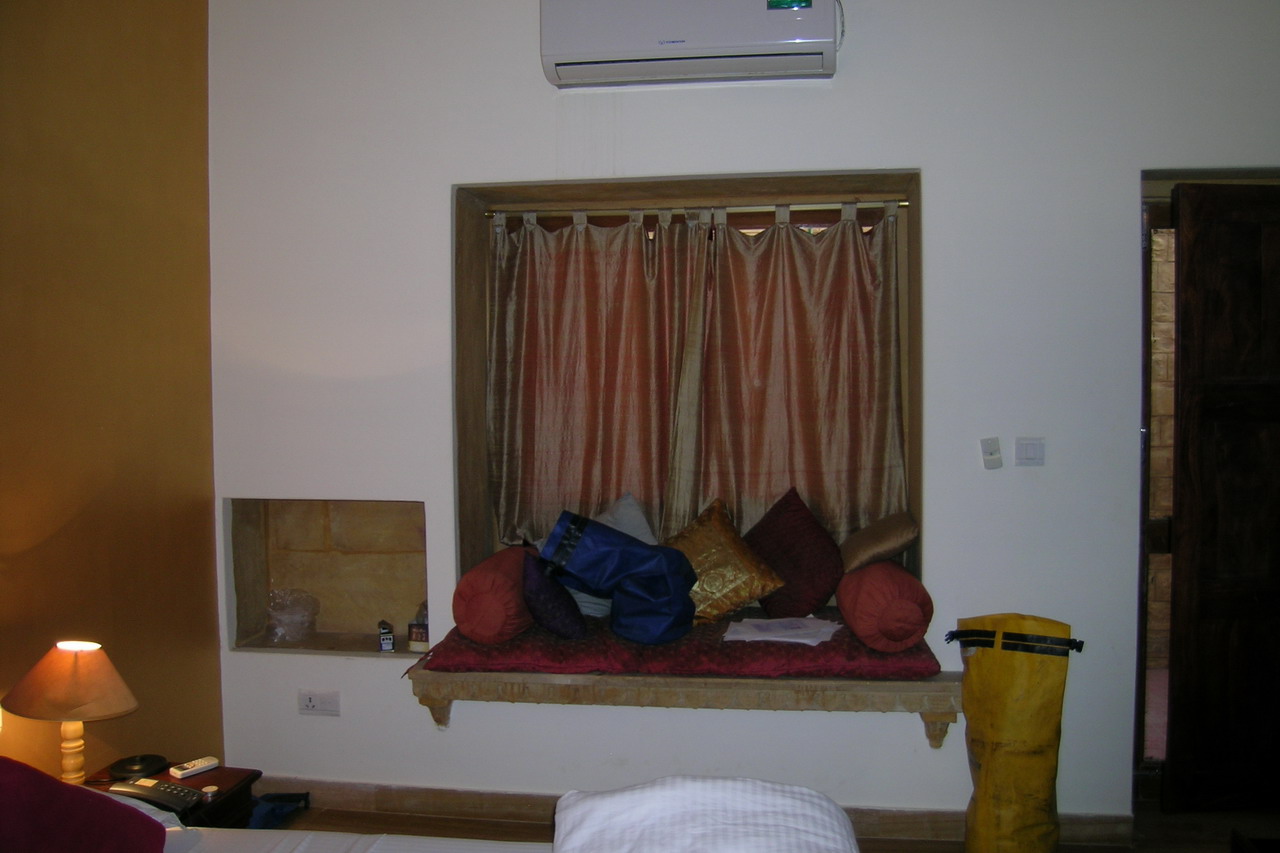
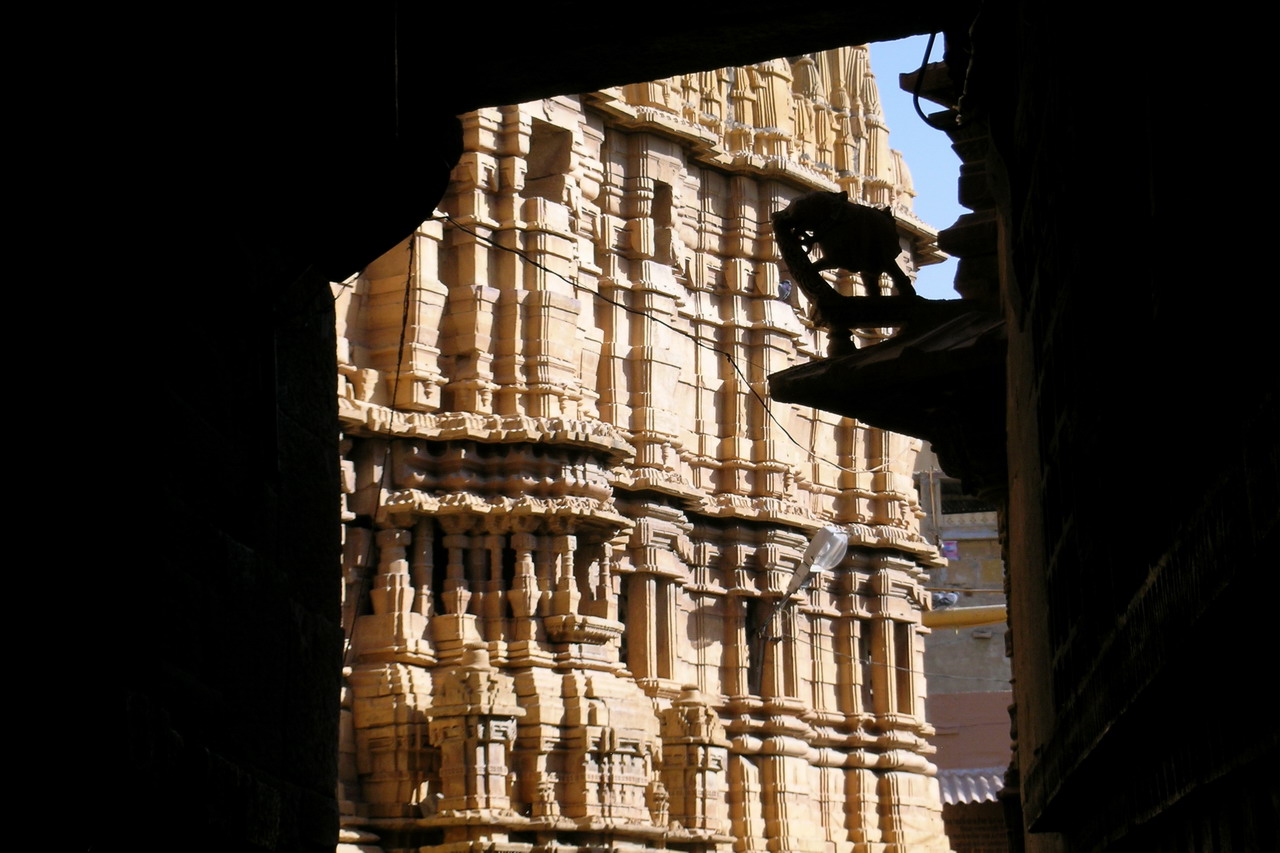
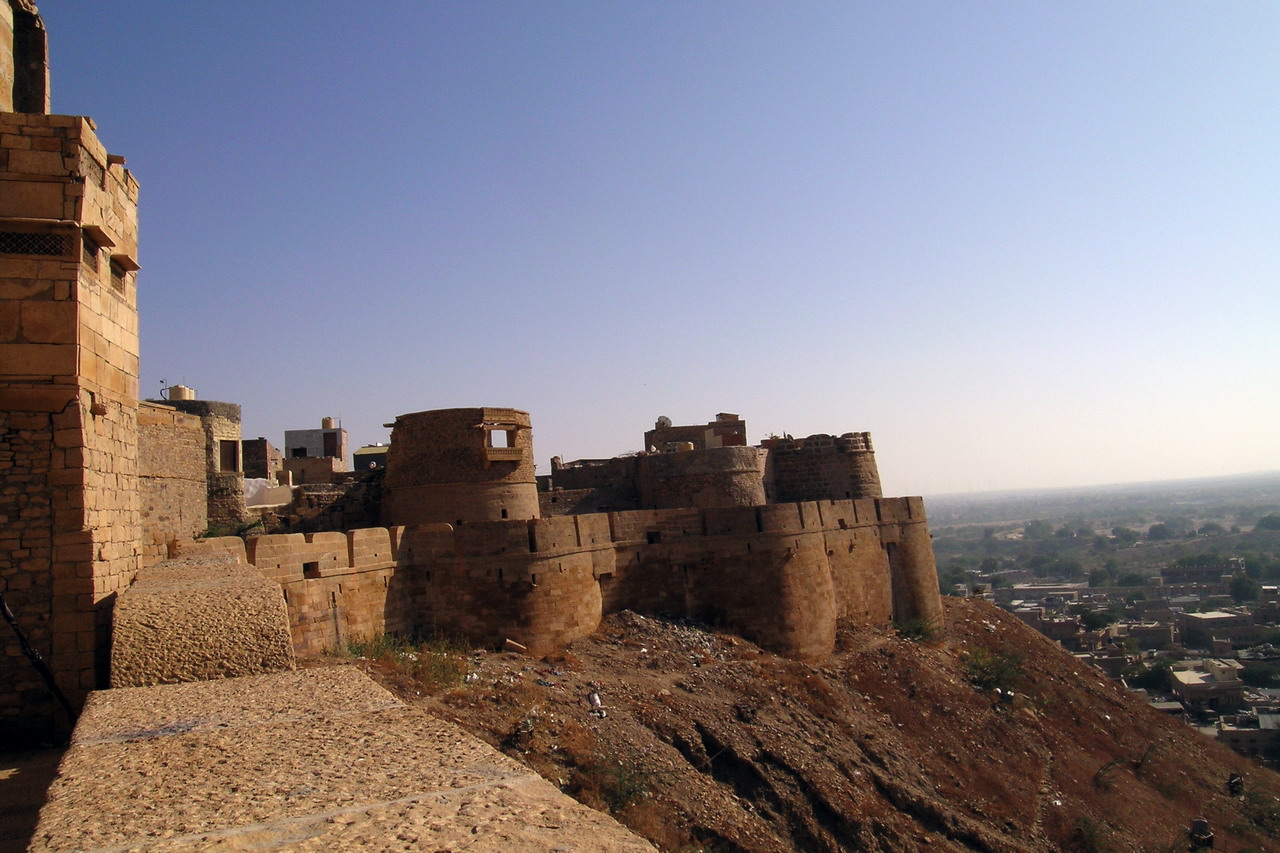
I’m tired; I go into my room, take a shower (hot water on tap!), and lie down on the bed. I rest a couple of hours, but the thought of the fort wakes me up again. I still have what I saw in Jodhpur on my mind. I go out, take a short exploratory walk along the fort’s outer walls, take some photos. I venture toward the main gate and discover you can actually ride a motorbike inside. I hold back my impatience. It’s getting dark; the sun sets early. I decide to put off visiting the fort until the next day, go back to the hotel, have an early dinner, and pass out on the bed.
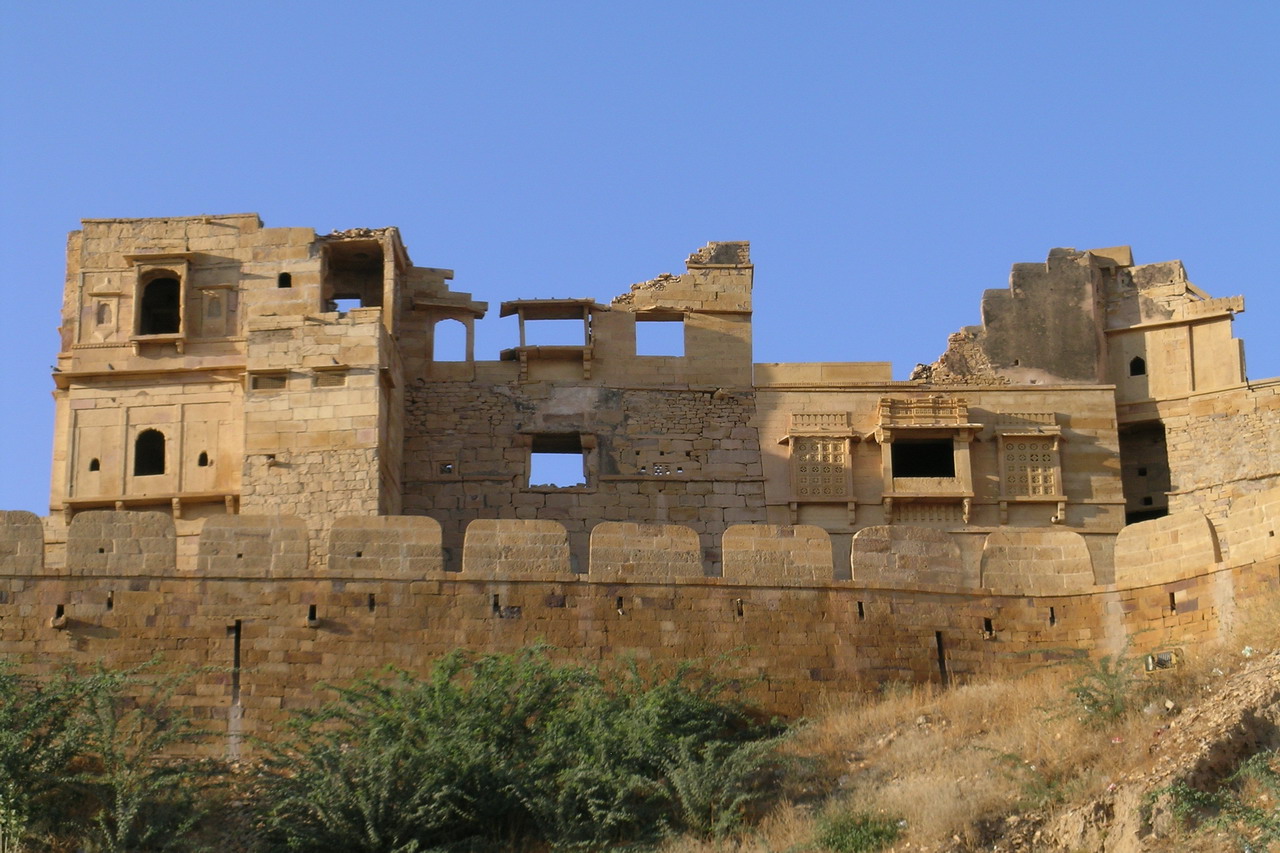
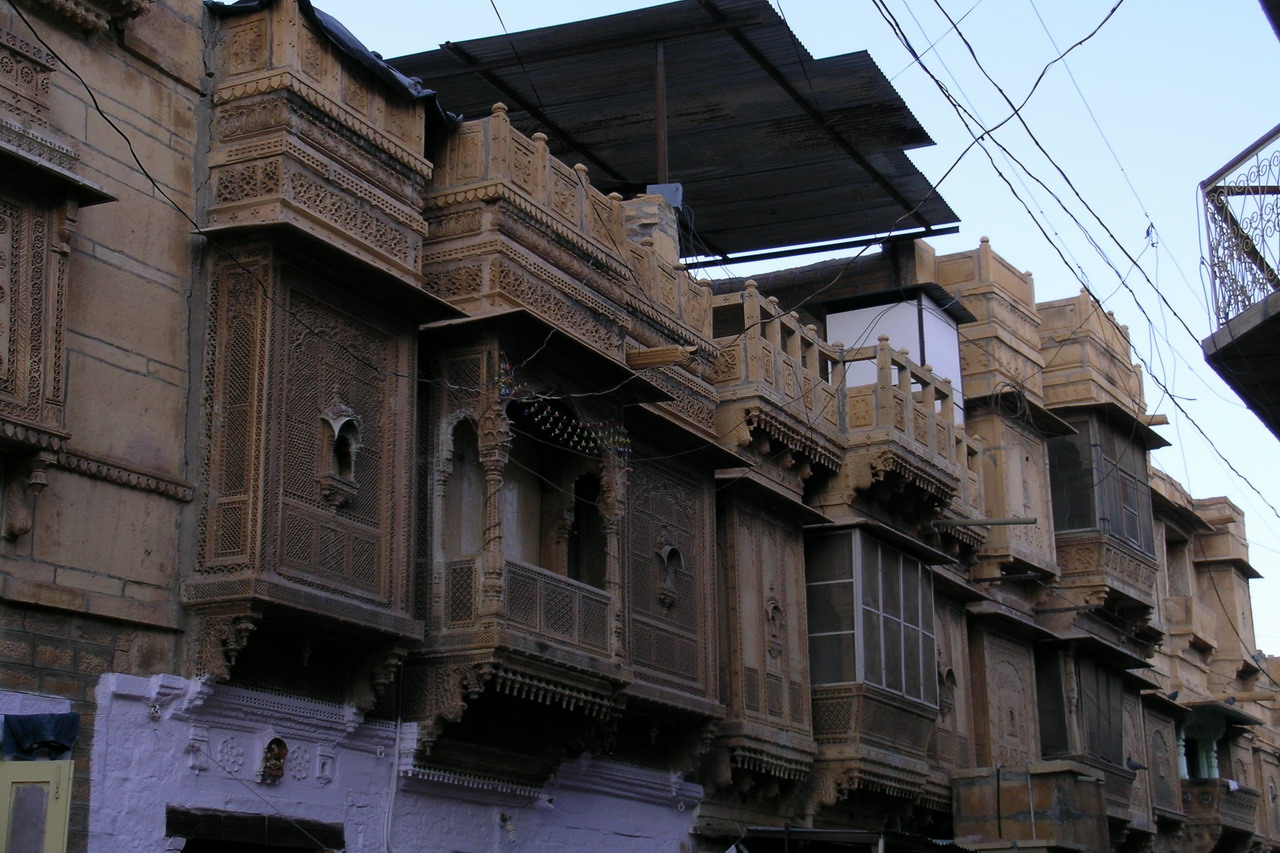
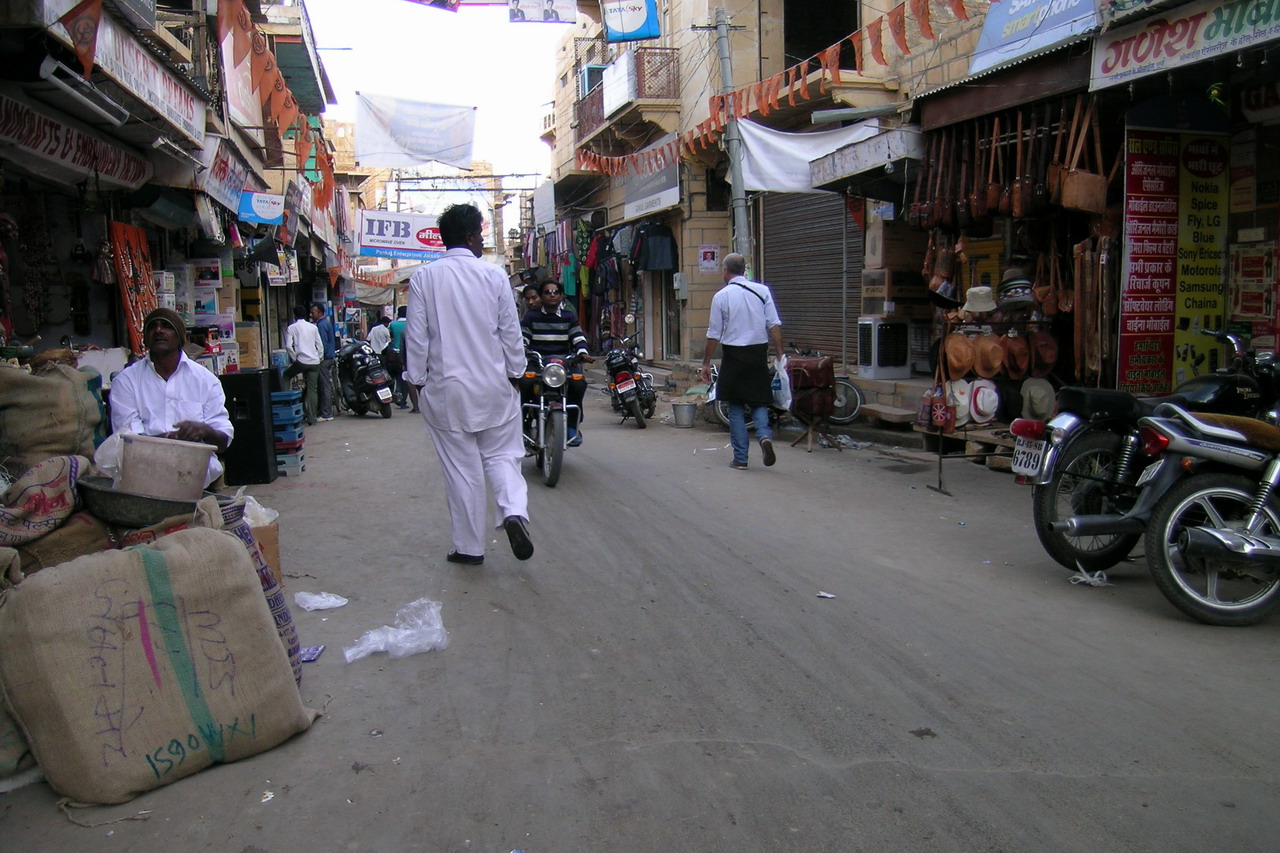
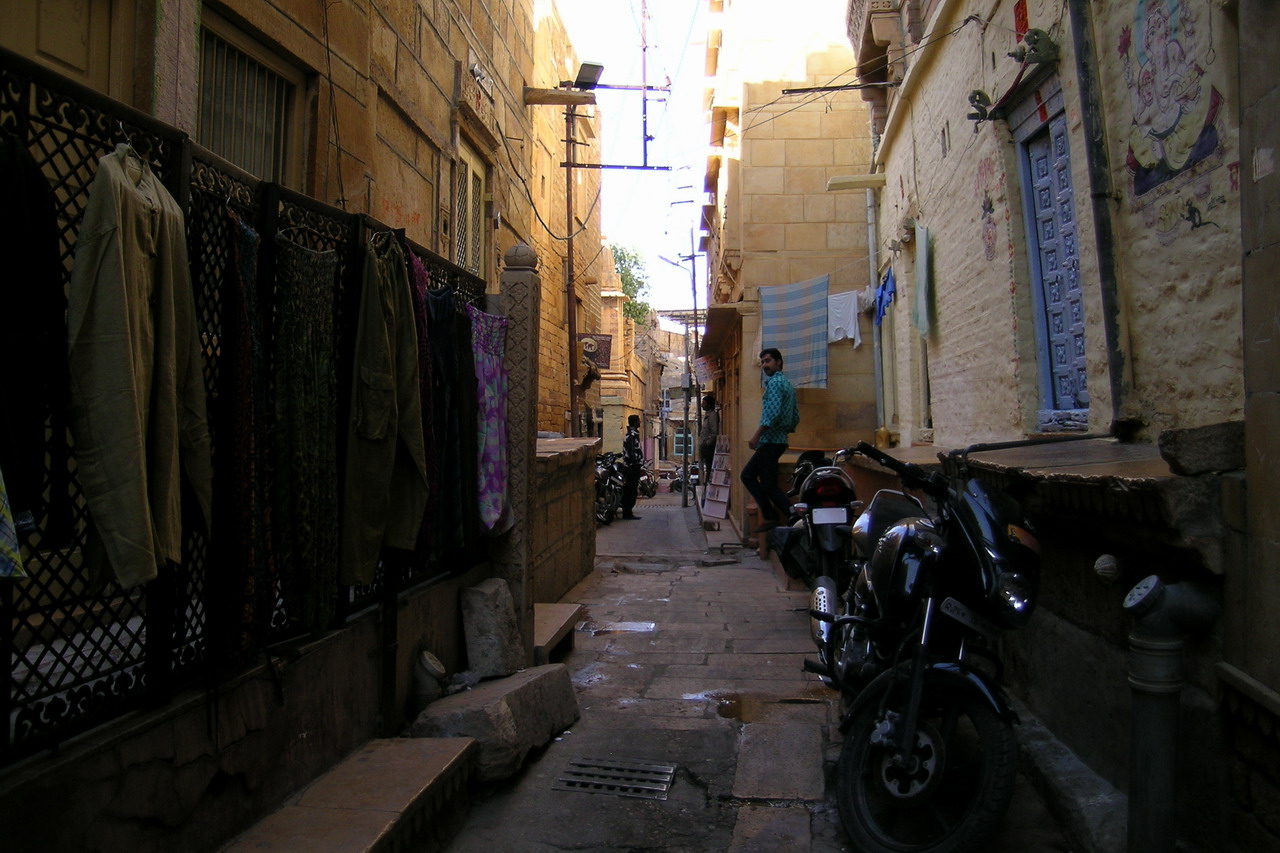
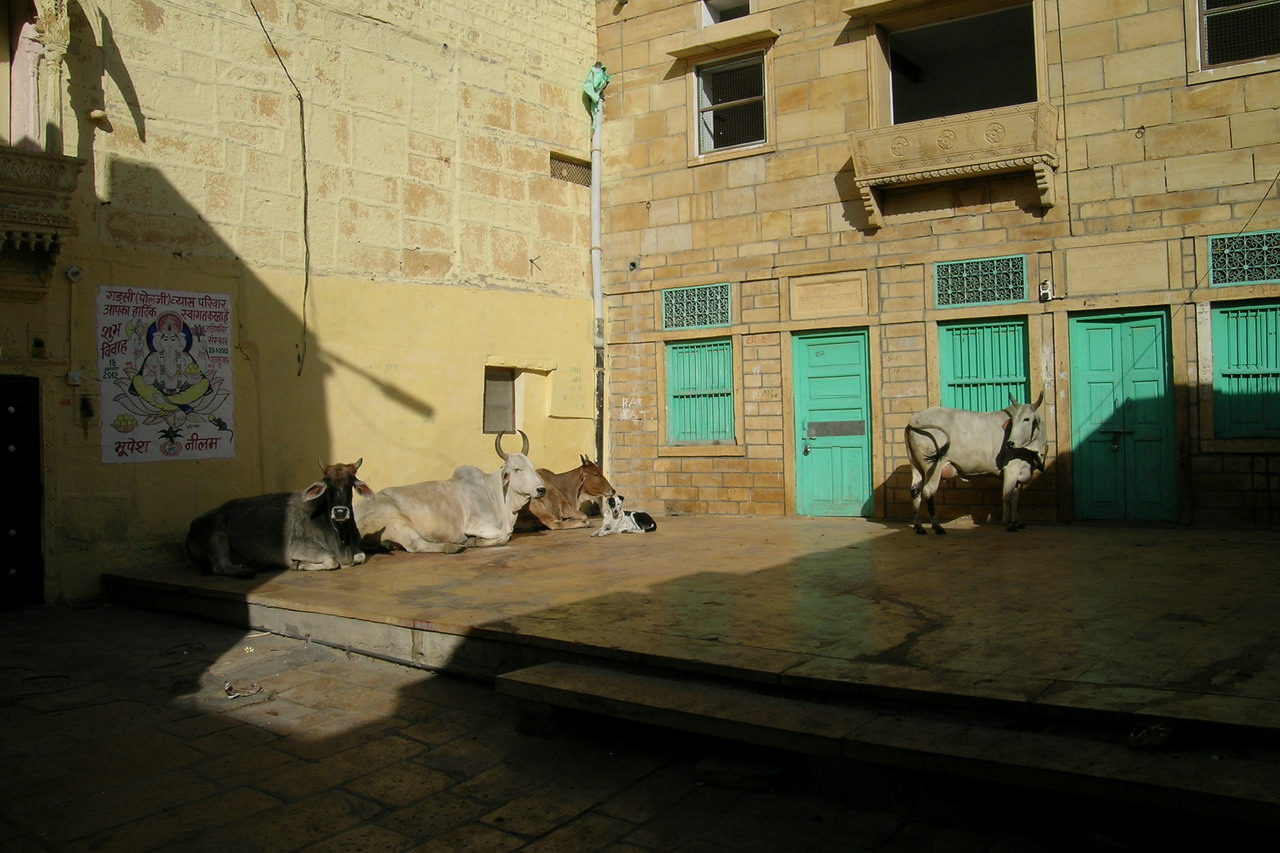
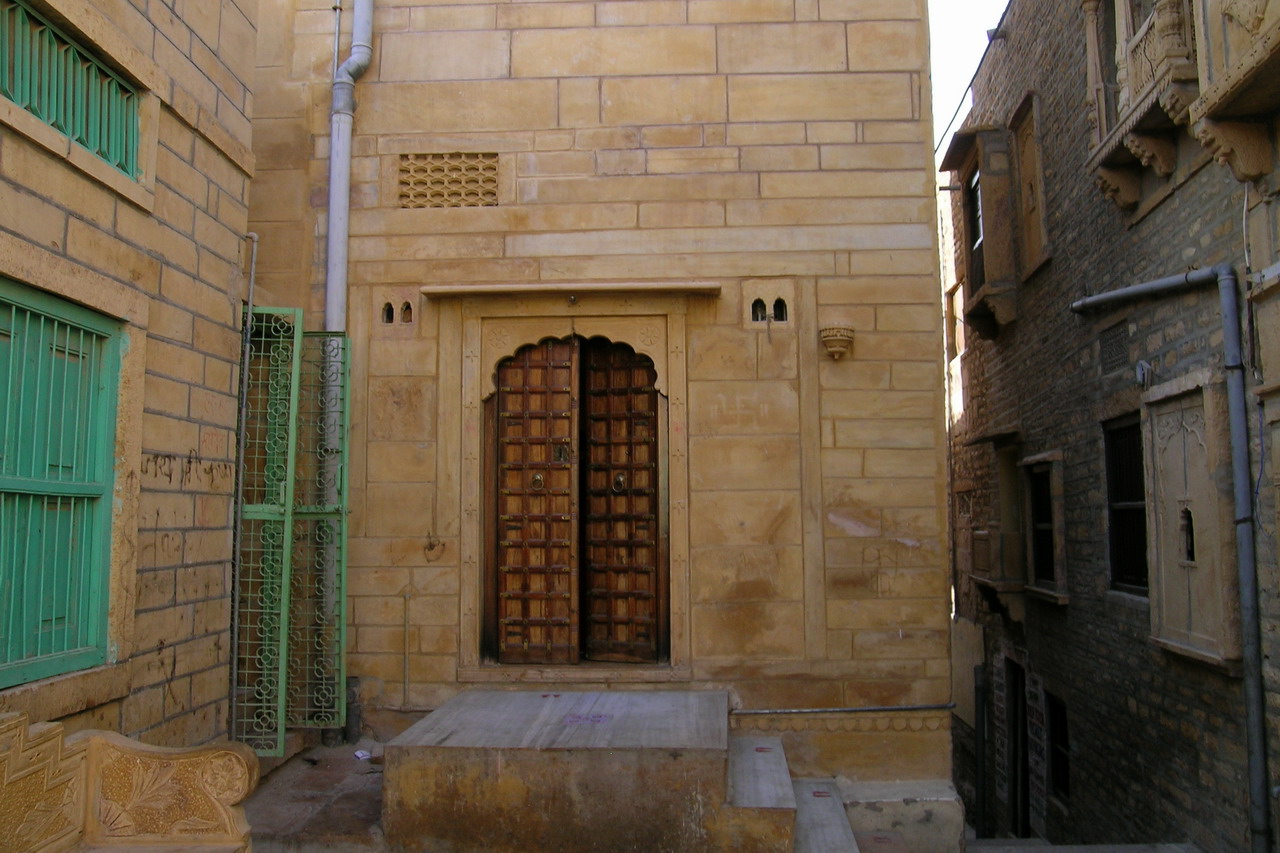
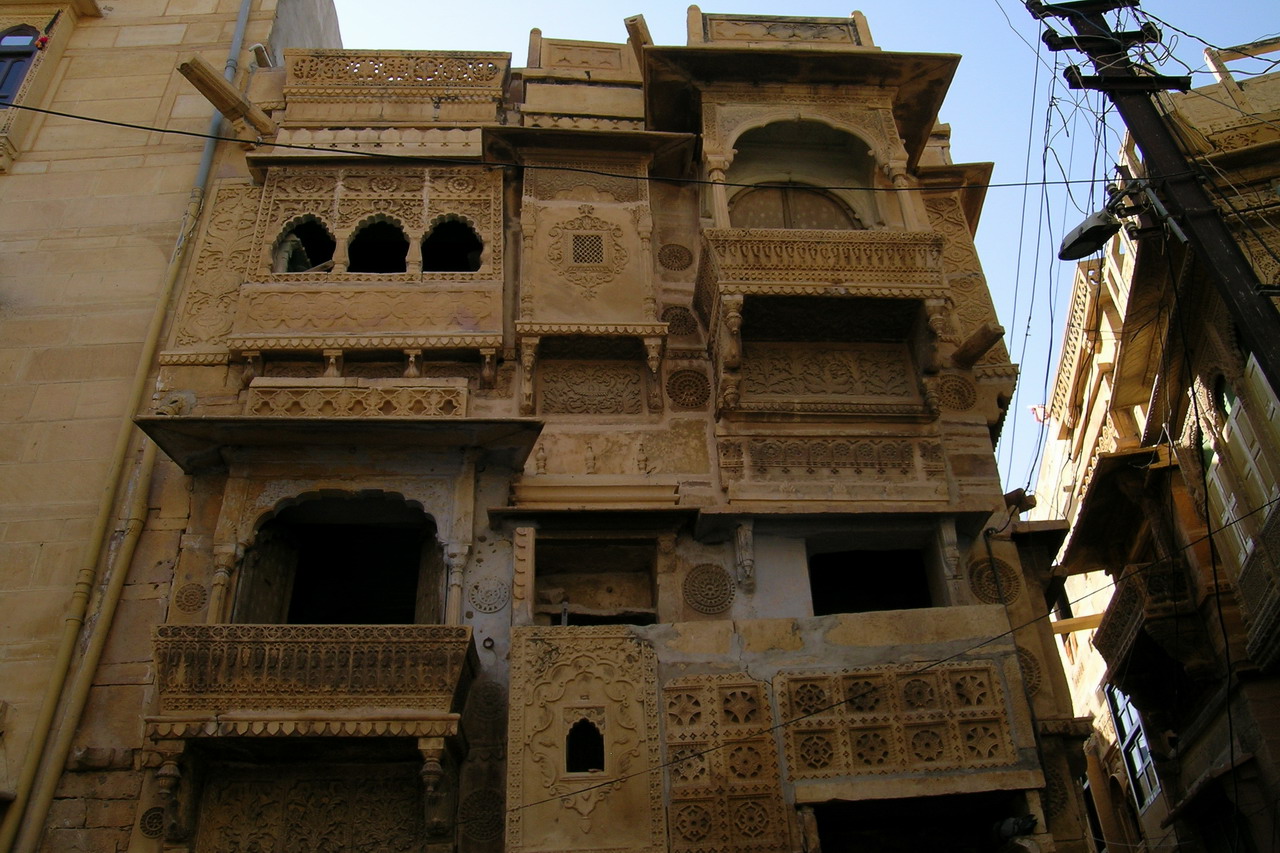
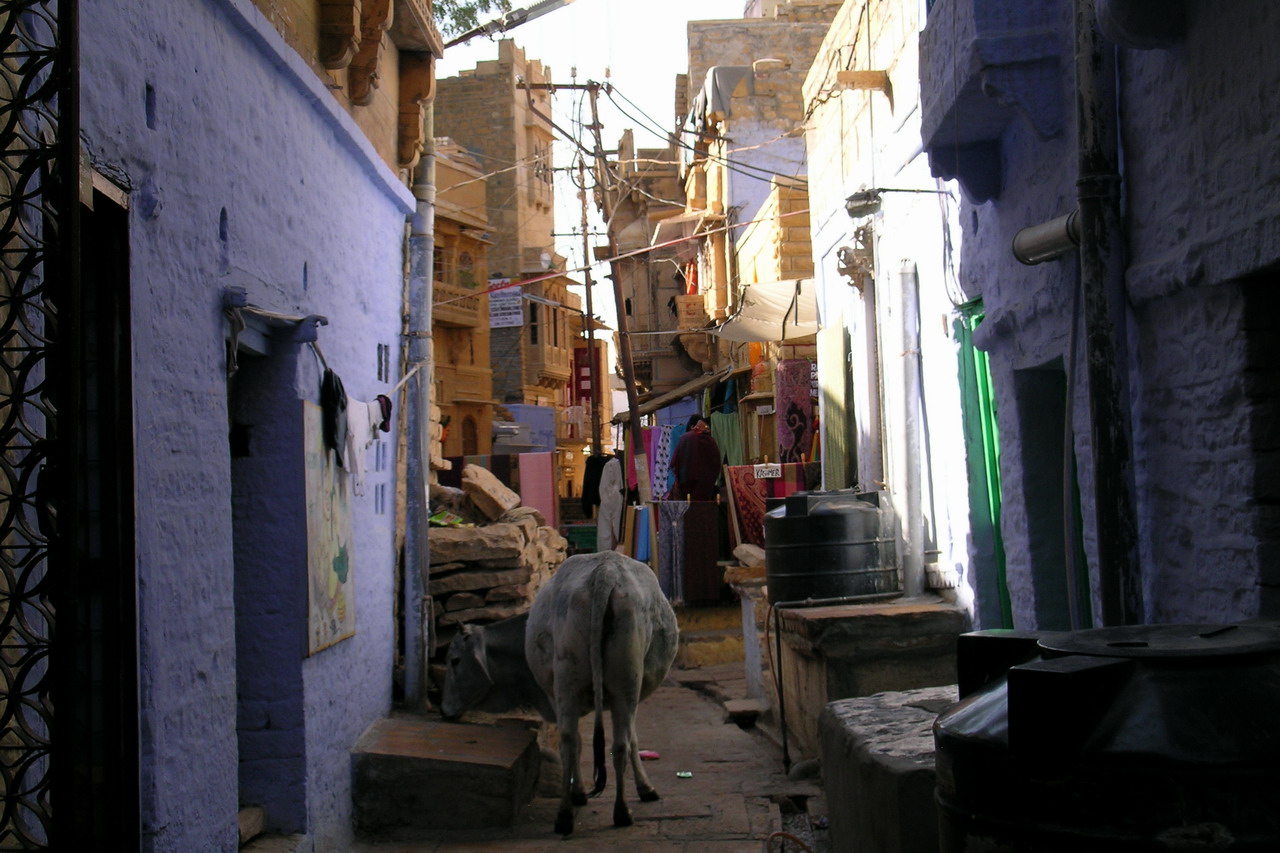
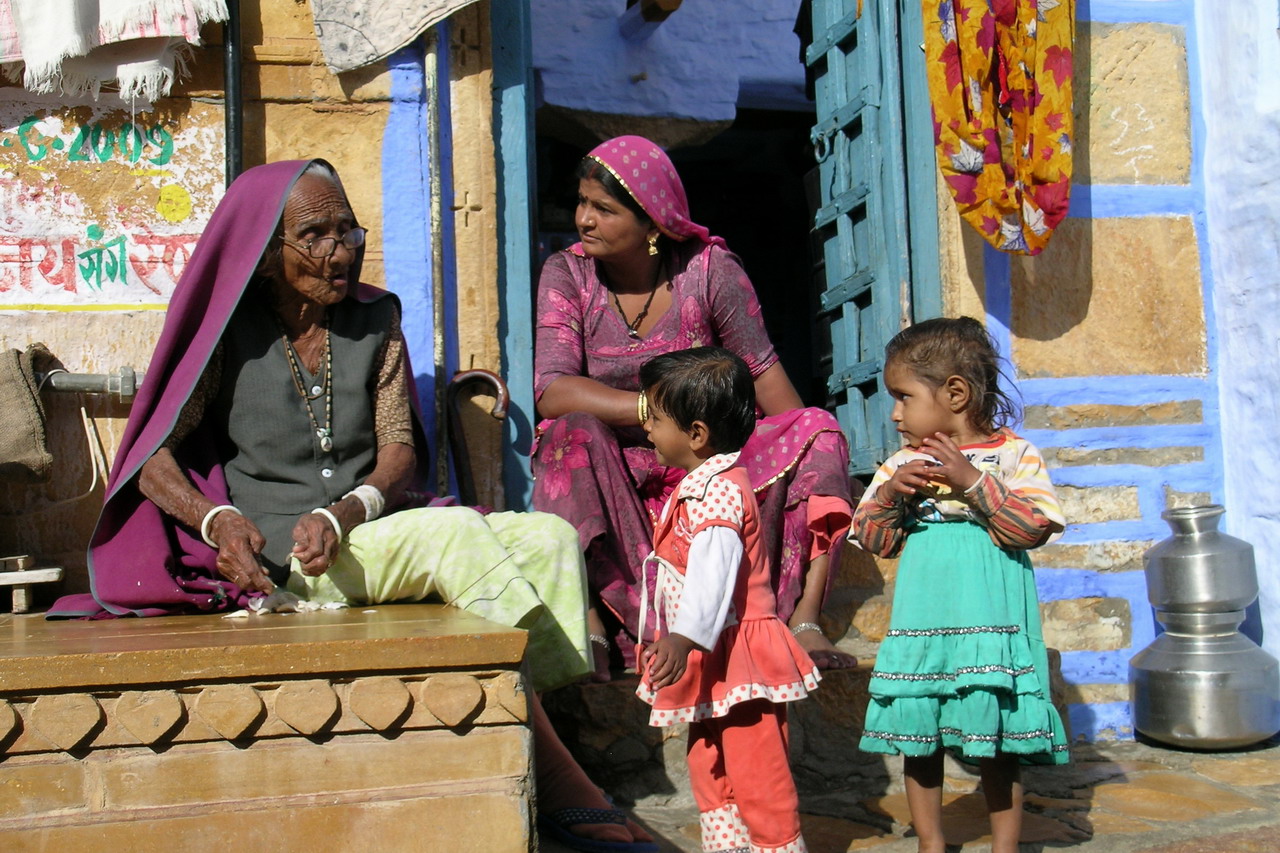
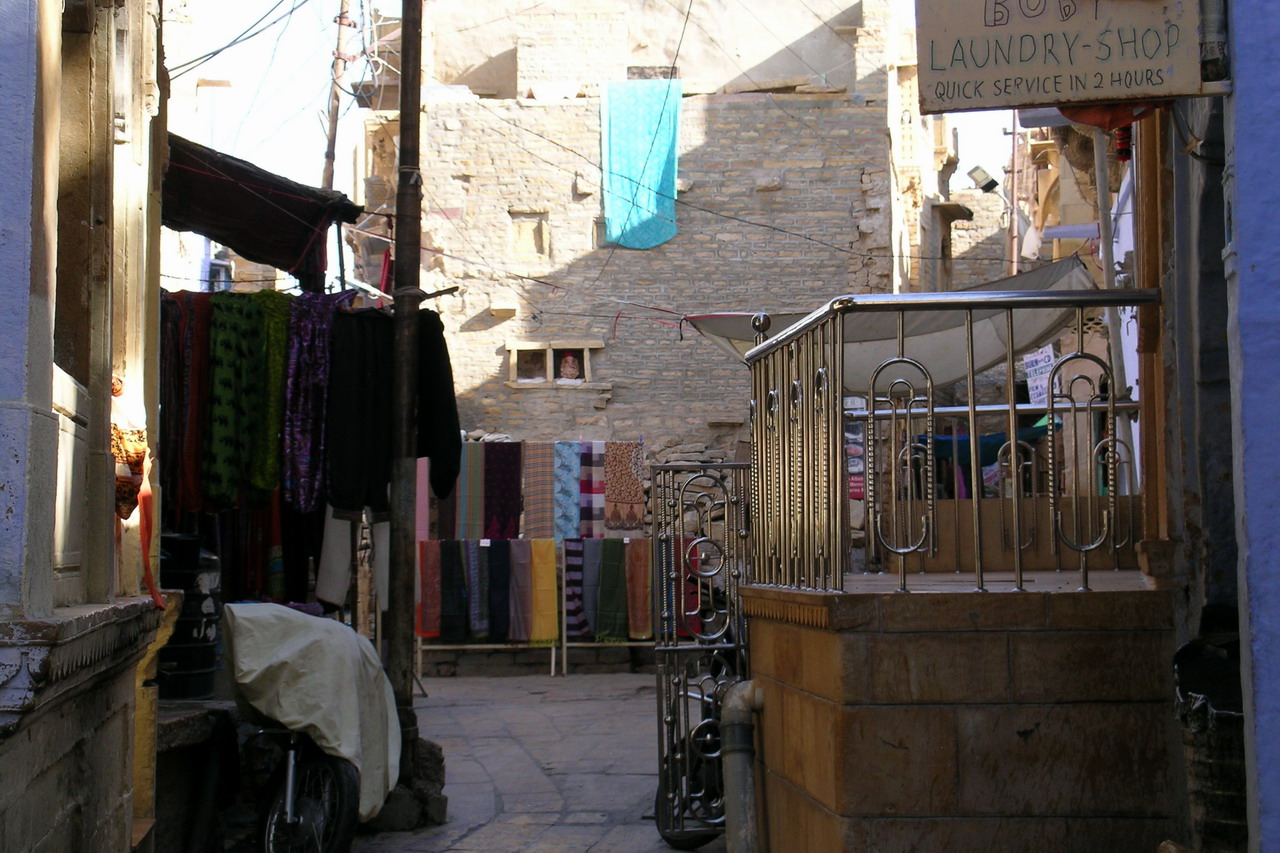
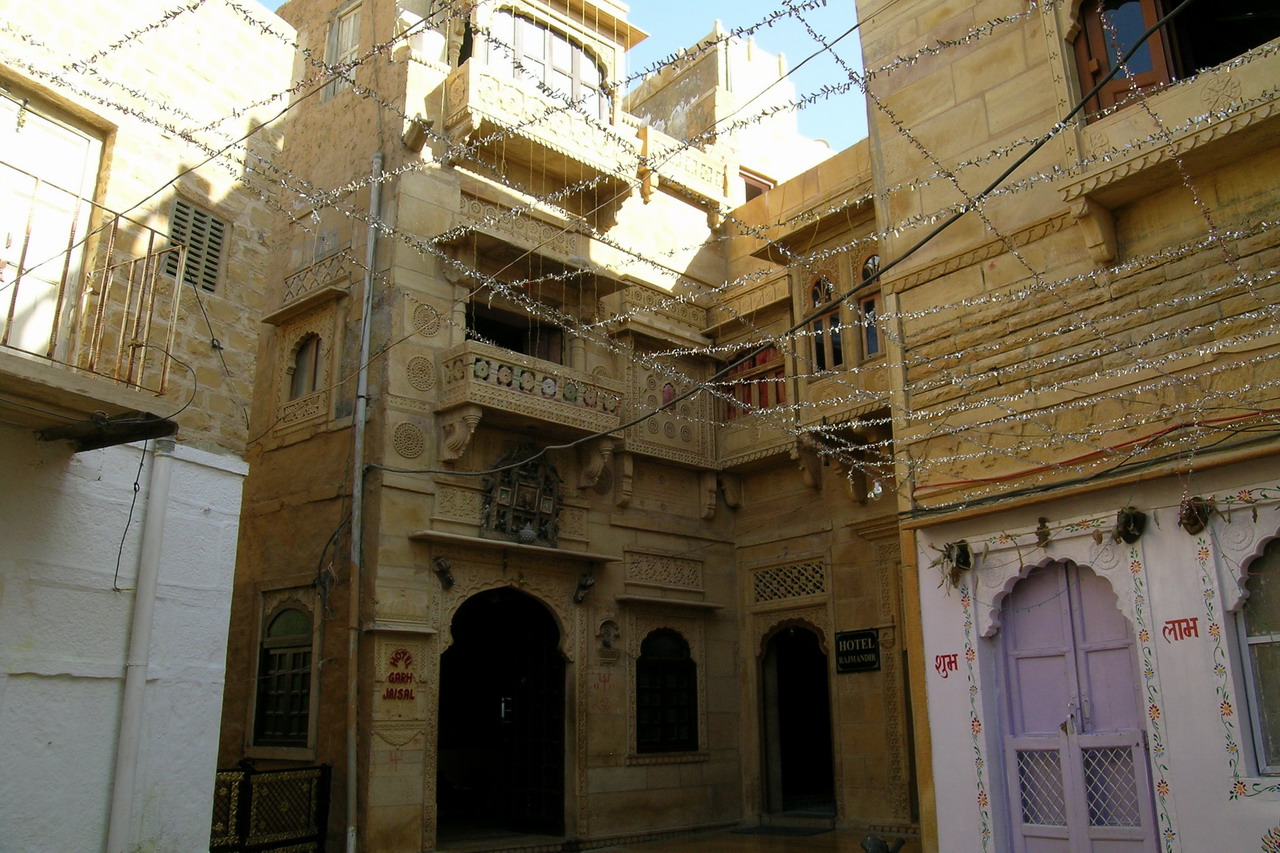
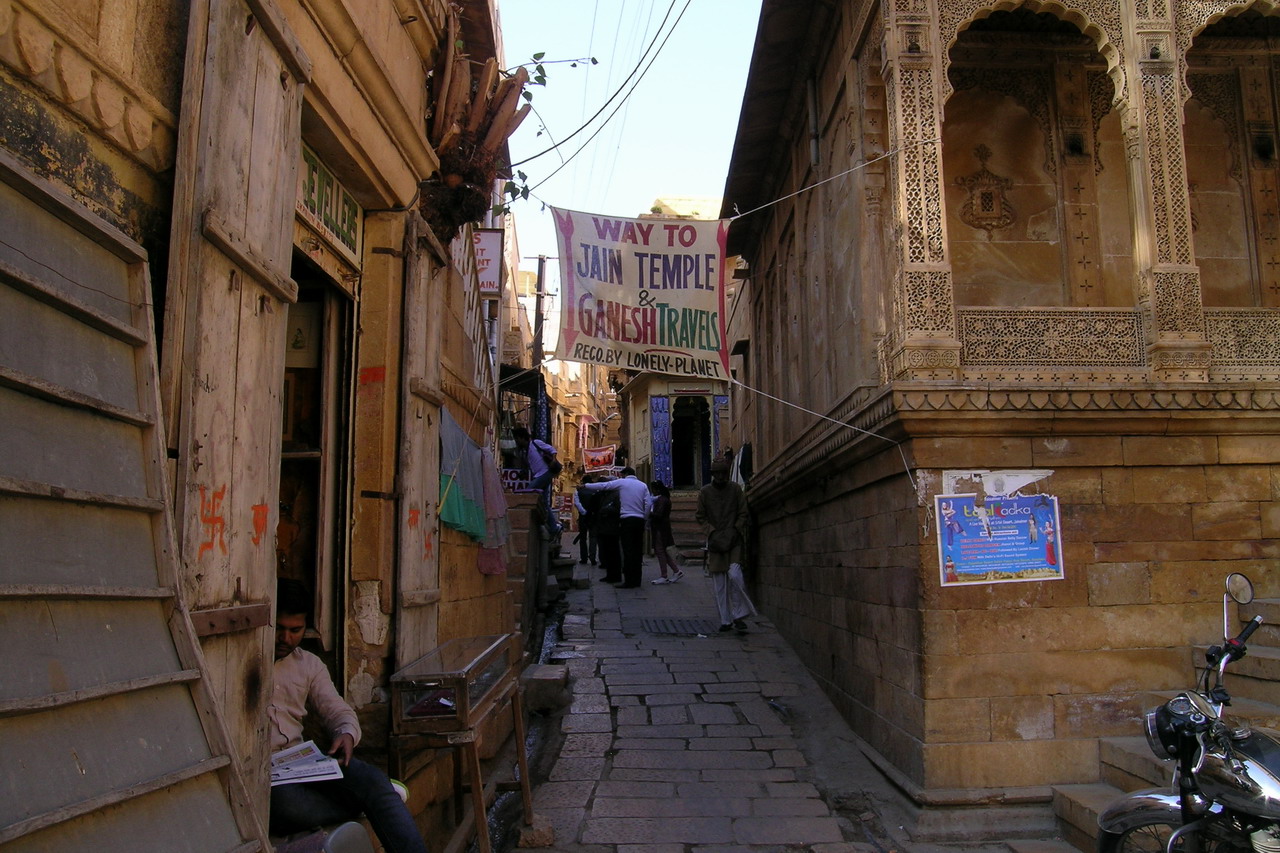
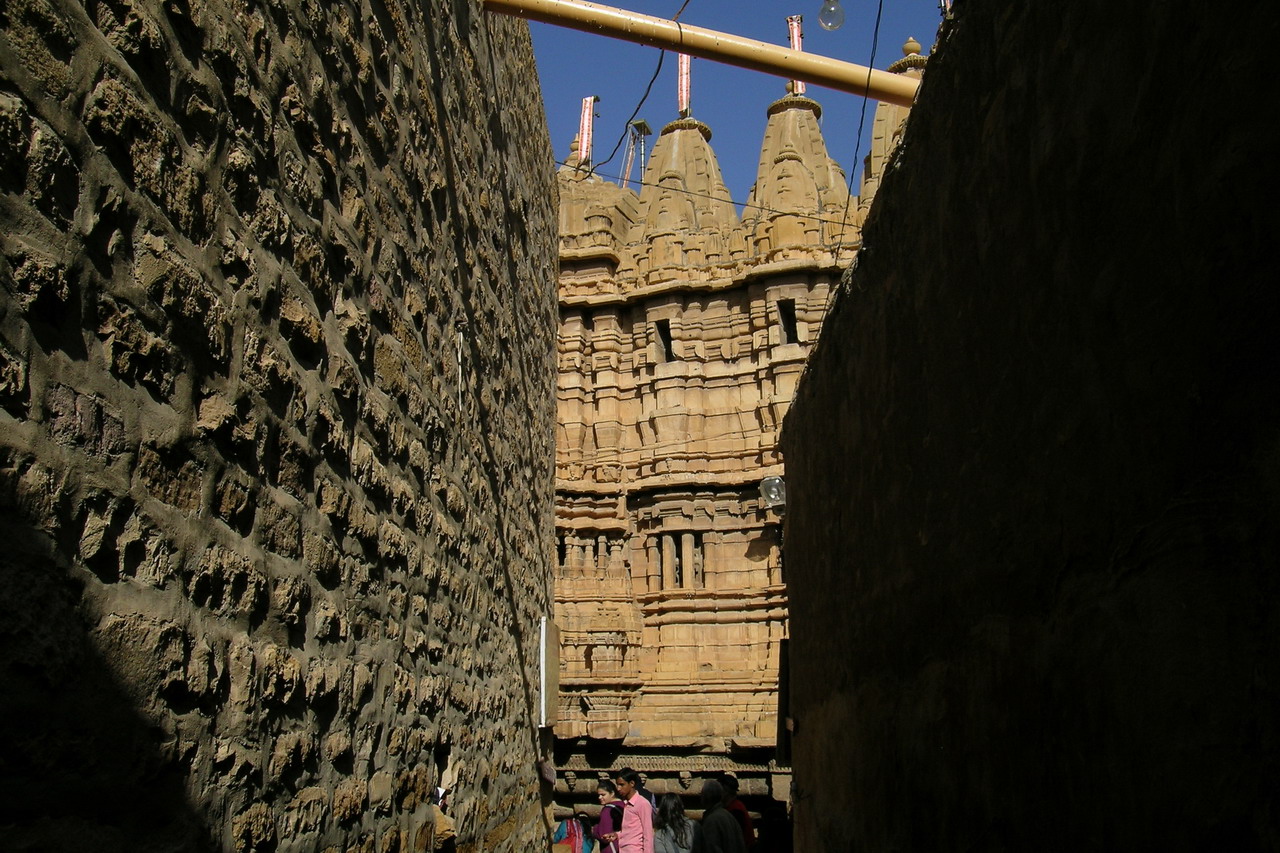
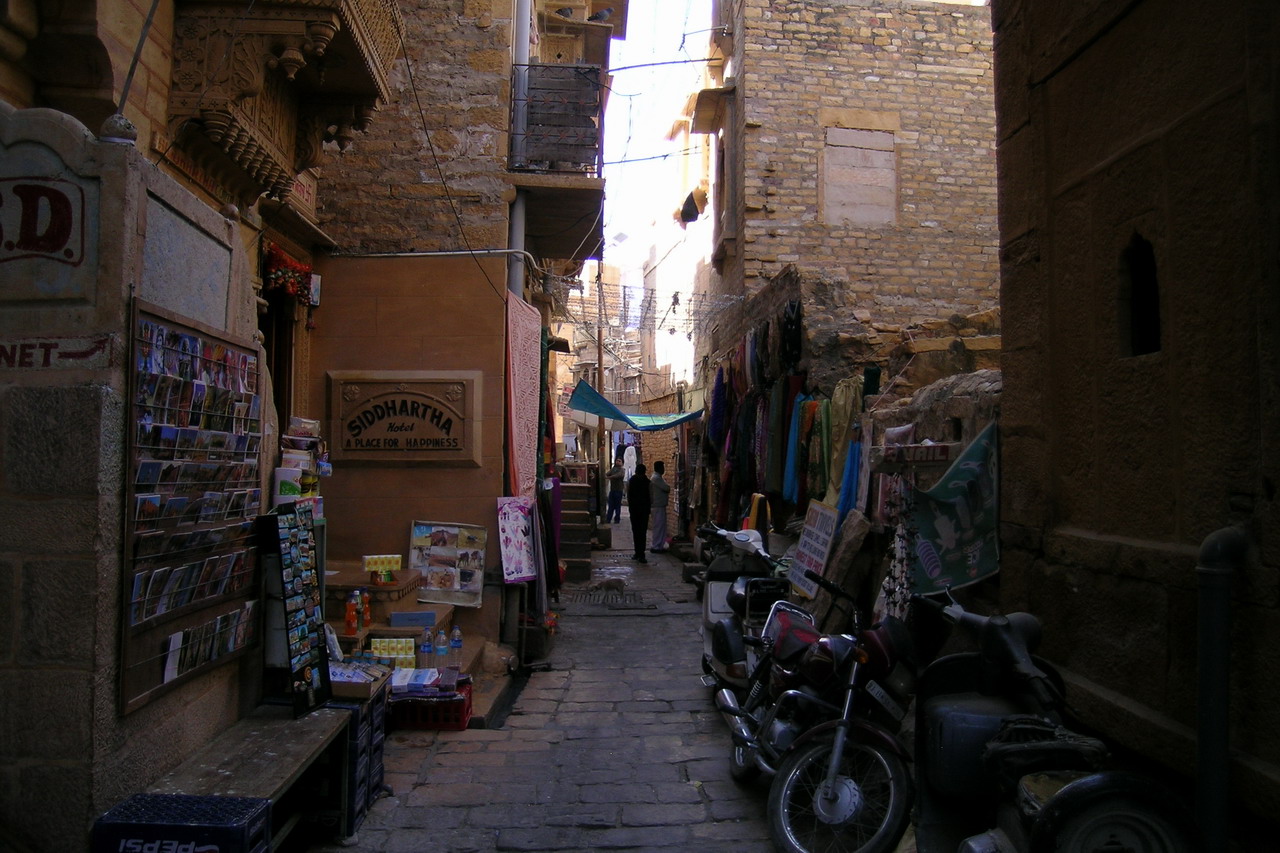
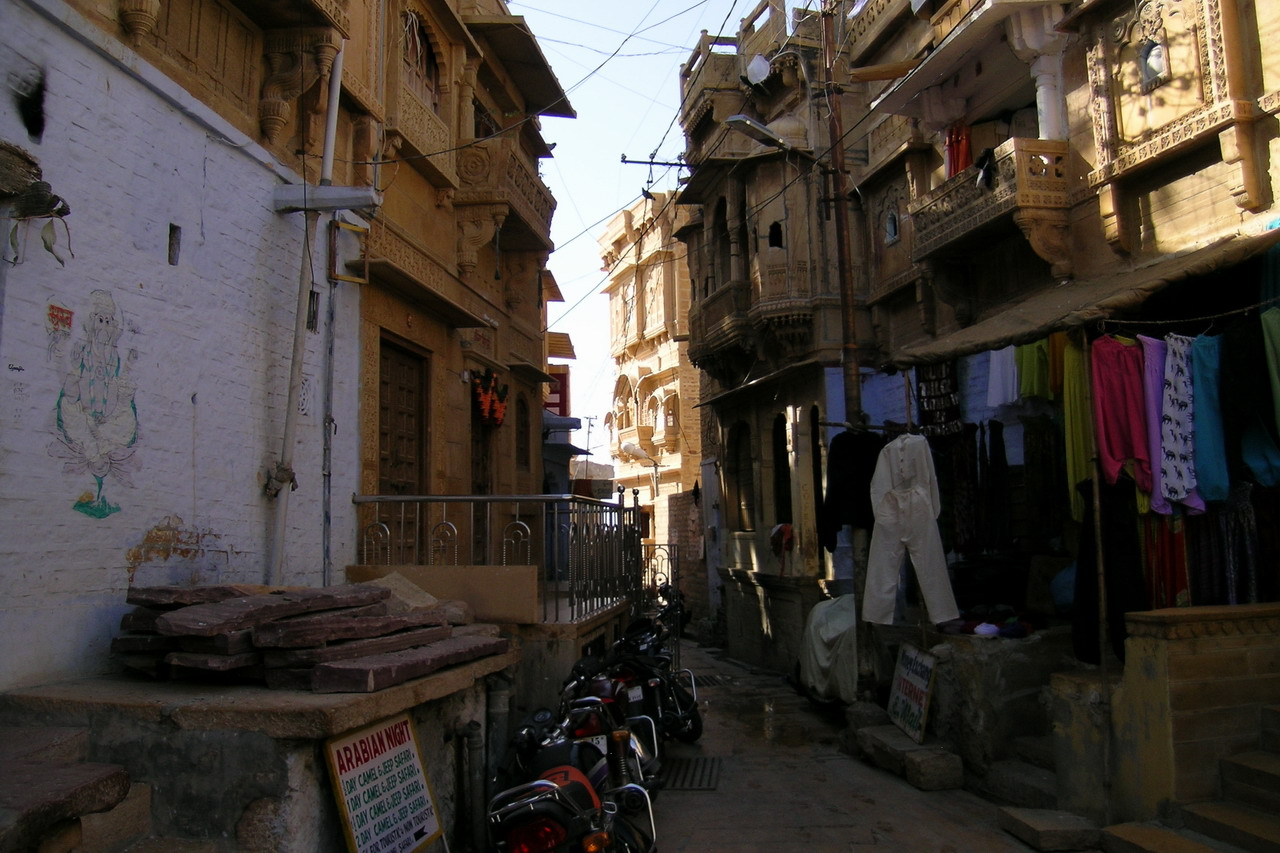
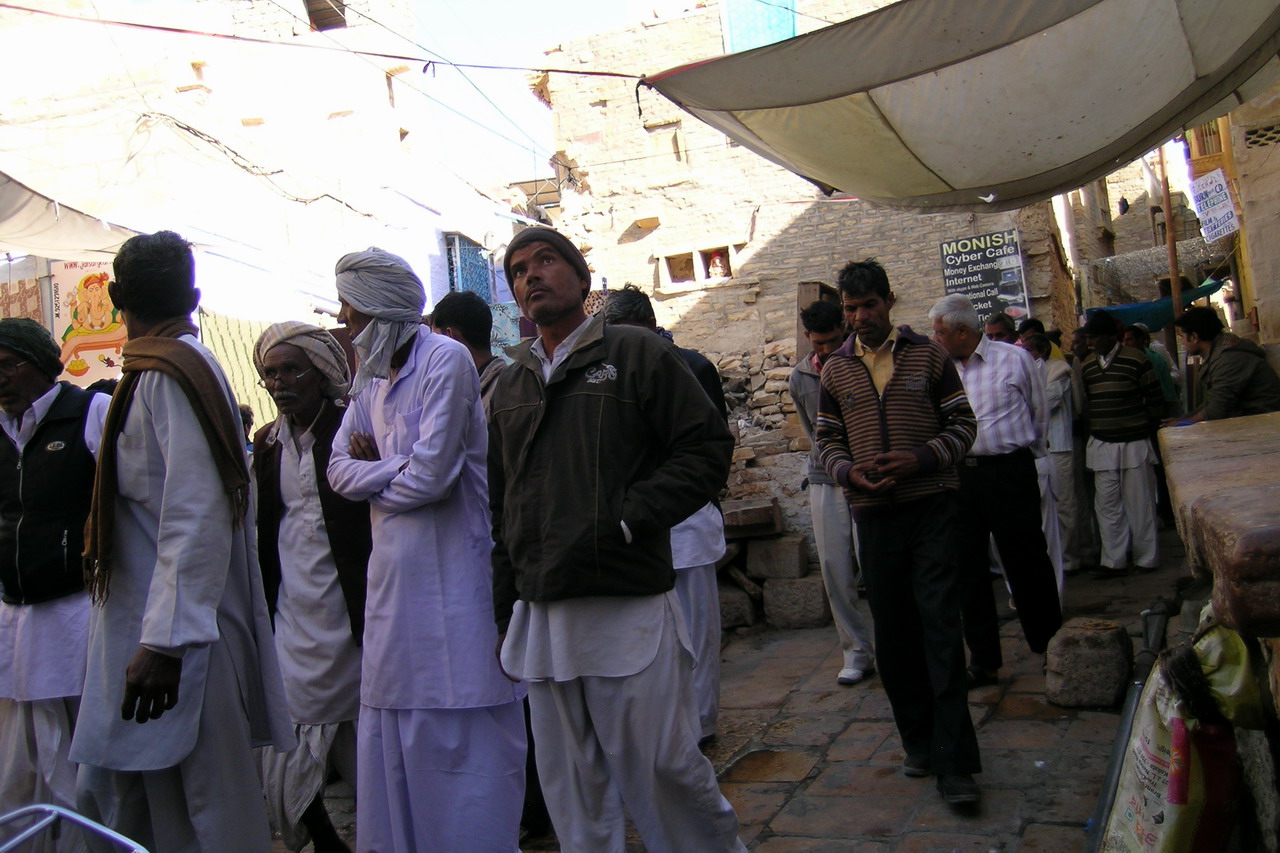
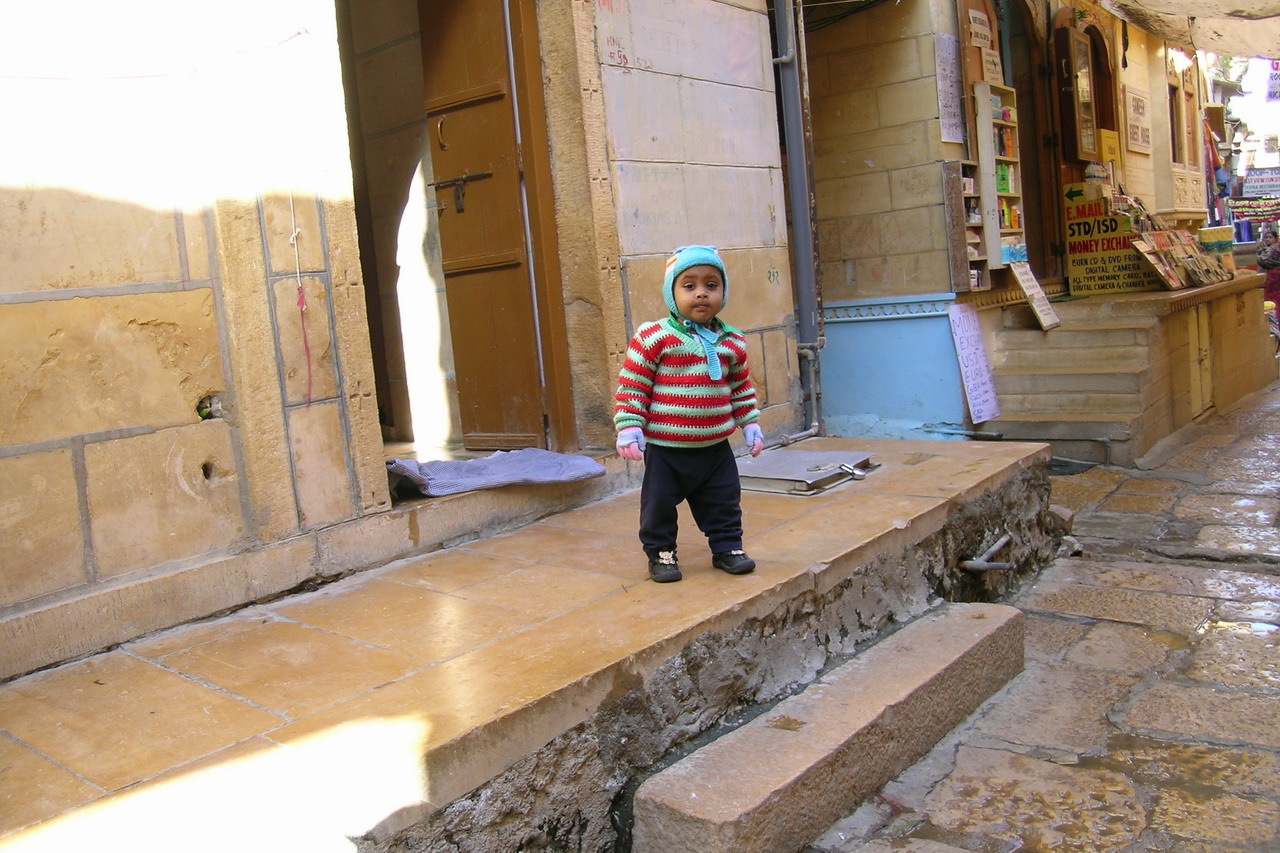
In the morning I get up, take the bike, and ride into the fort. And discover it’s inhabited! An old city enclosed within walls. I park in a small square and decide to explore on foot. Once again I spend hours looking around, out of breath. Below, in the unfortified part, a row of low, yellow houses — it feels like being in Morocco. I wander among the houses, the people, the animals living there. Many call out, try to start a conversation, to sell something; others, utterly indifferent to the people wandering past their homes, simply carry on with everyday life. Smiles, greetings. But I’m embarrassed. I feel like — and am — an intruder.
Then I go back down to the hotel; I want to plan the last stages carefully — time is running short, and I feel very far from Delhi. I start thinking about the flight that will take me back to Italy. I change the subject in my head.
Photographs