Stage 8 · Jaisalmer – Bikaner
On the edge of the Thar desert
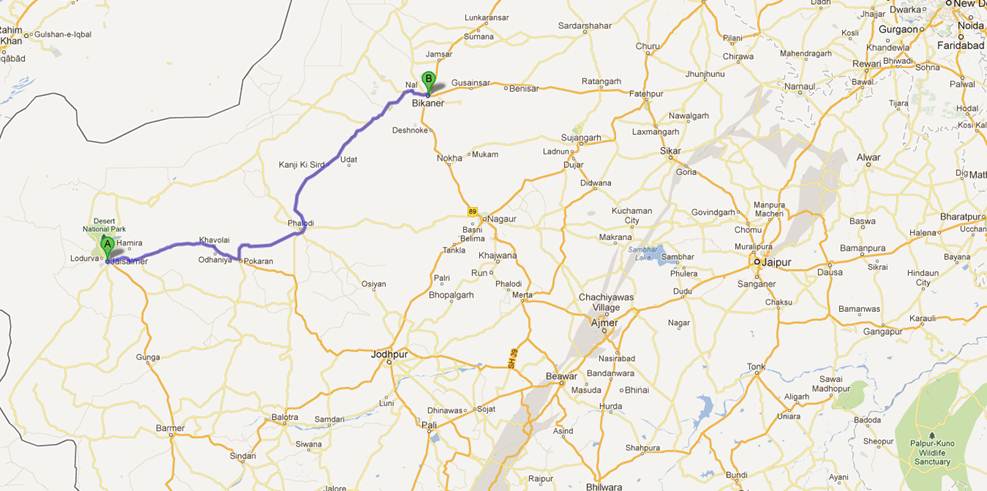
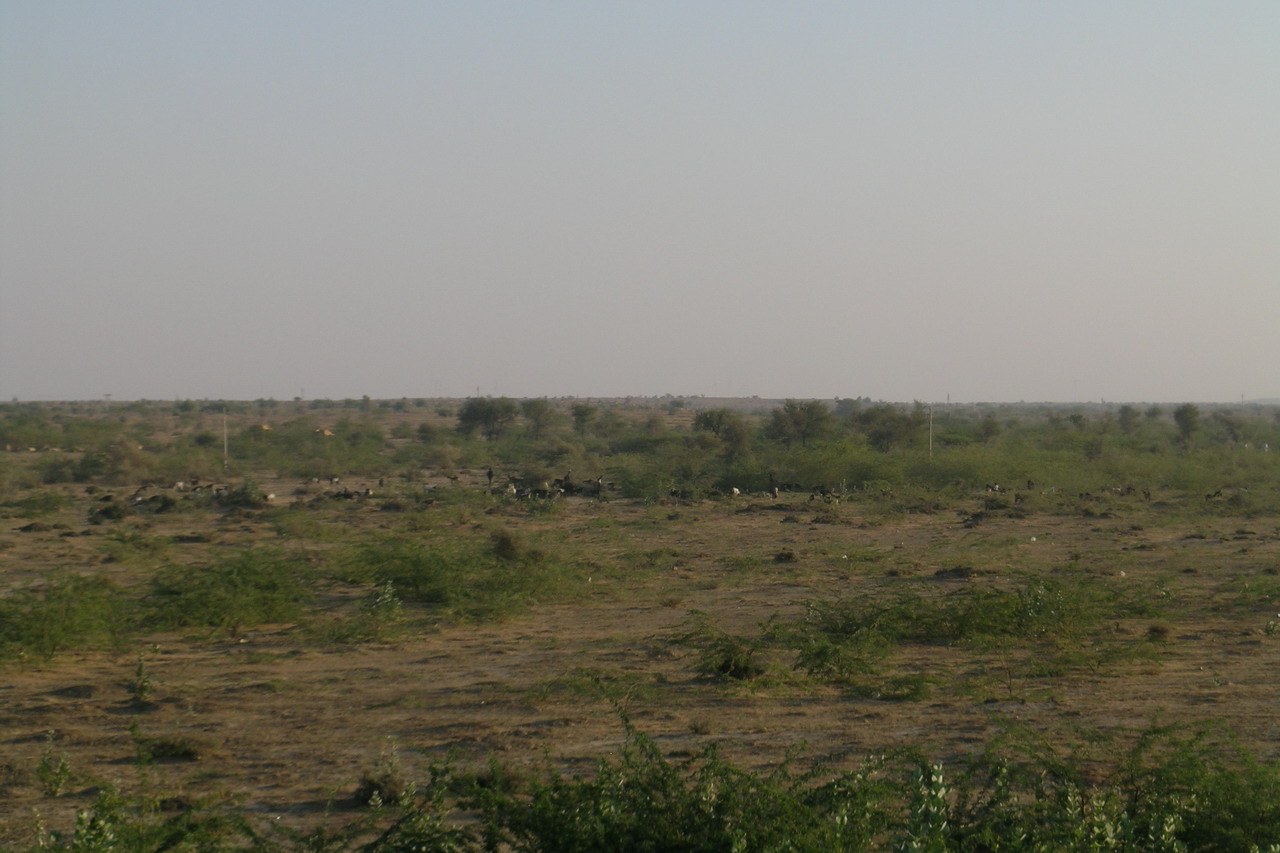
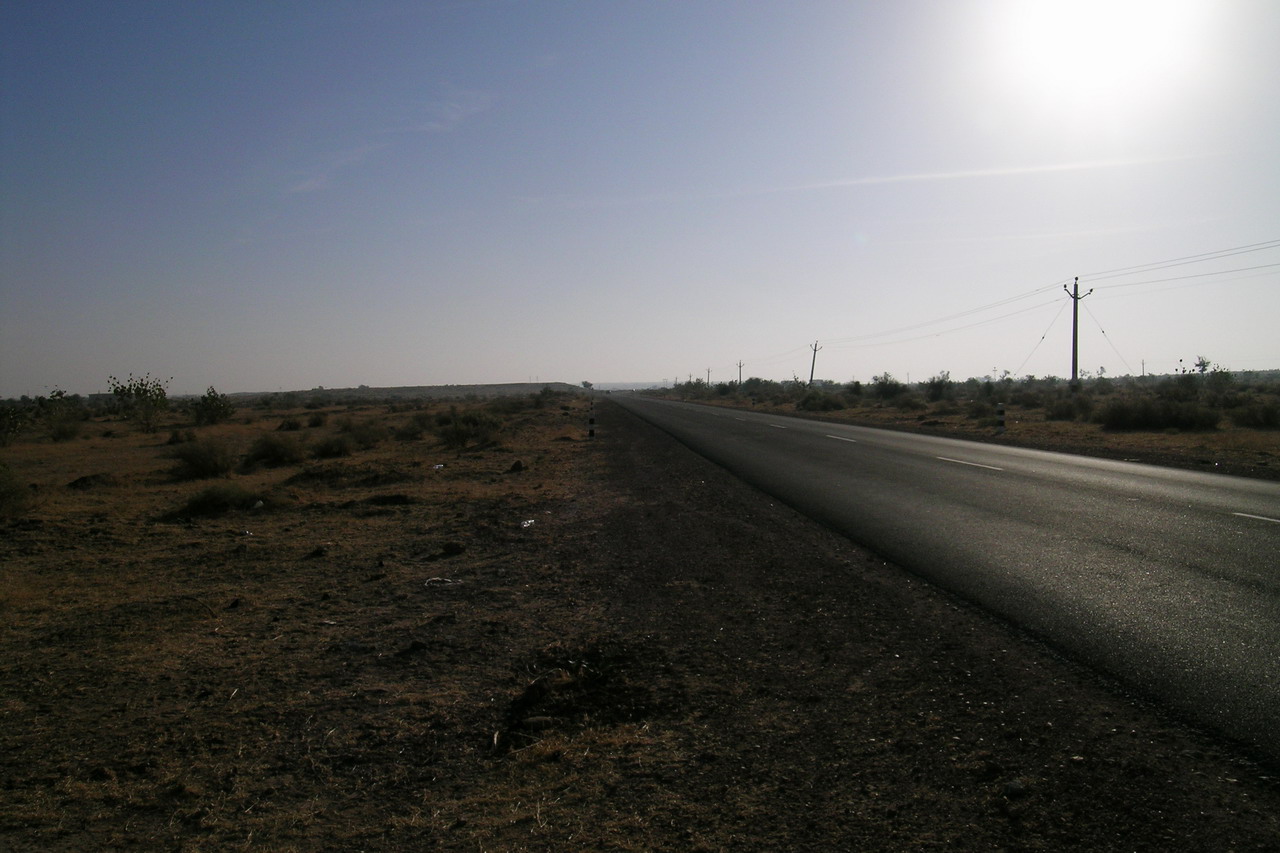
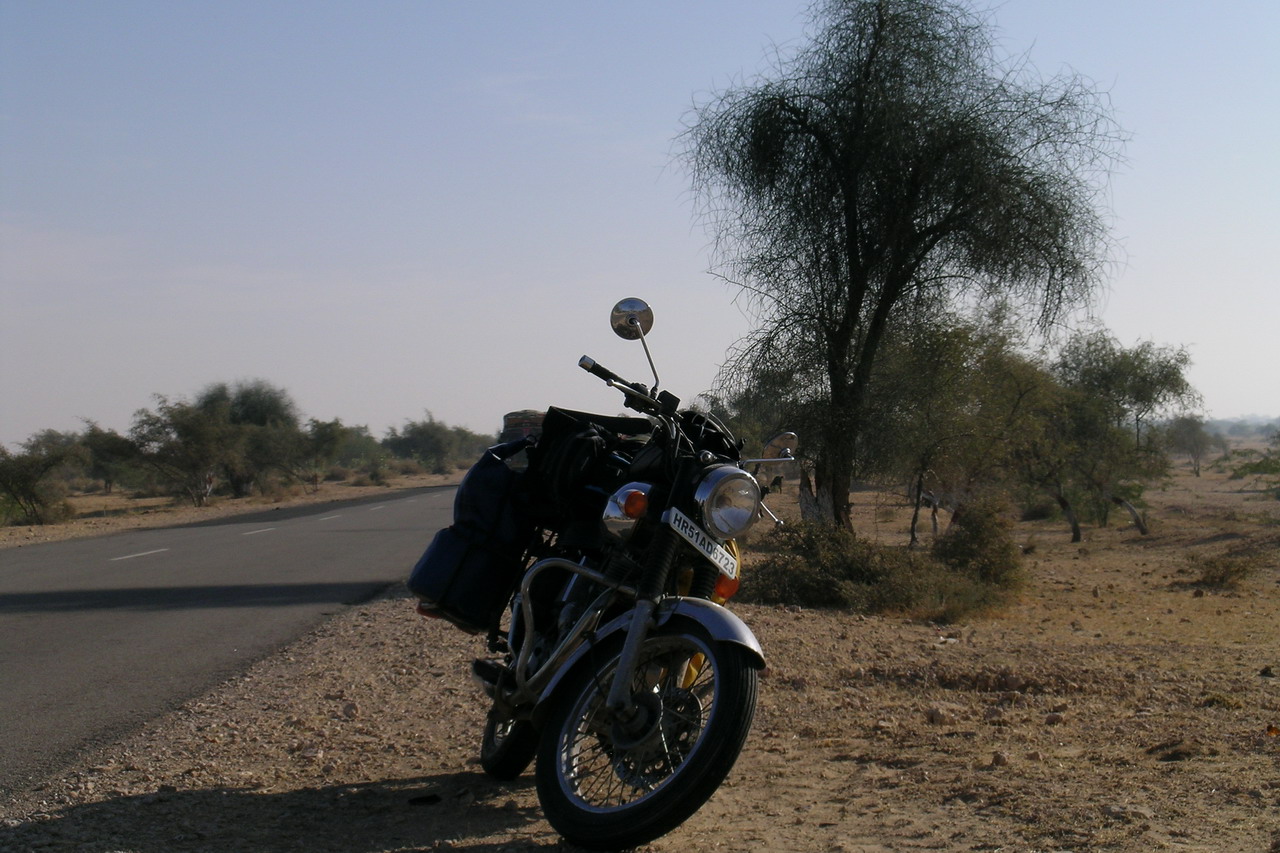
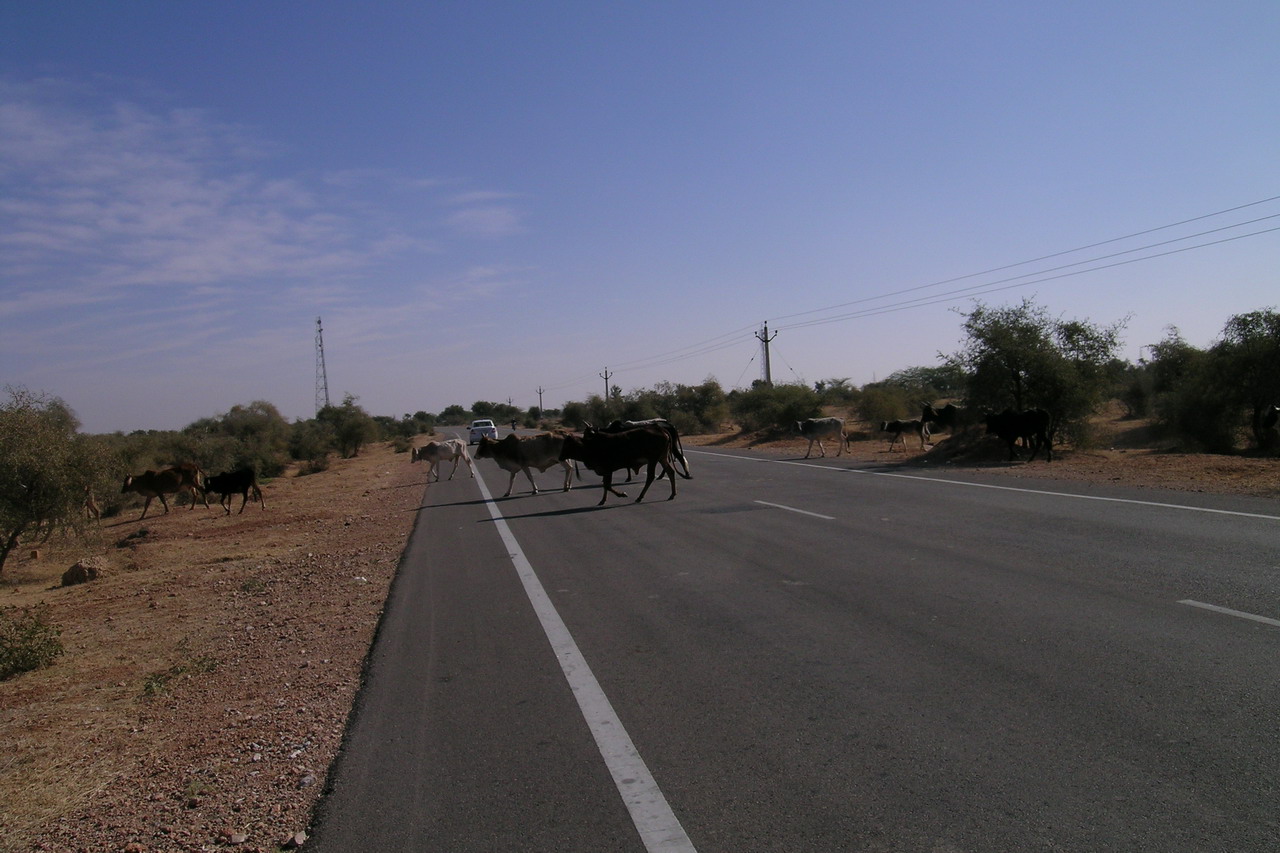
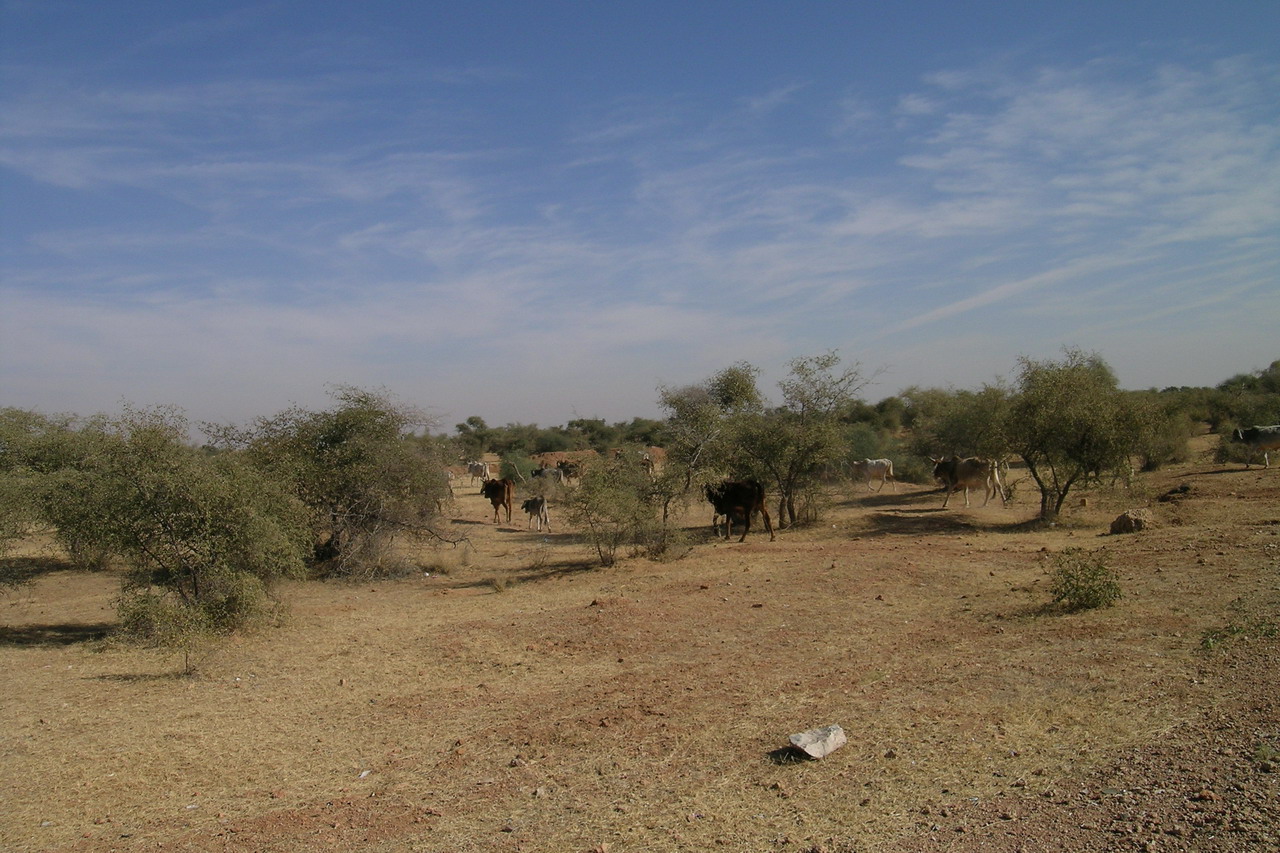
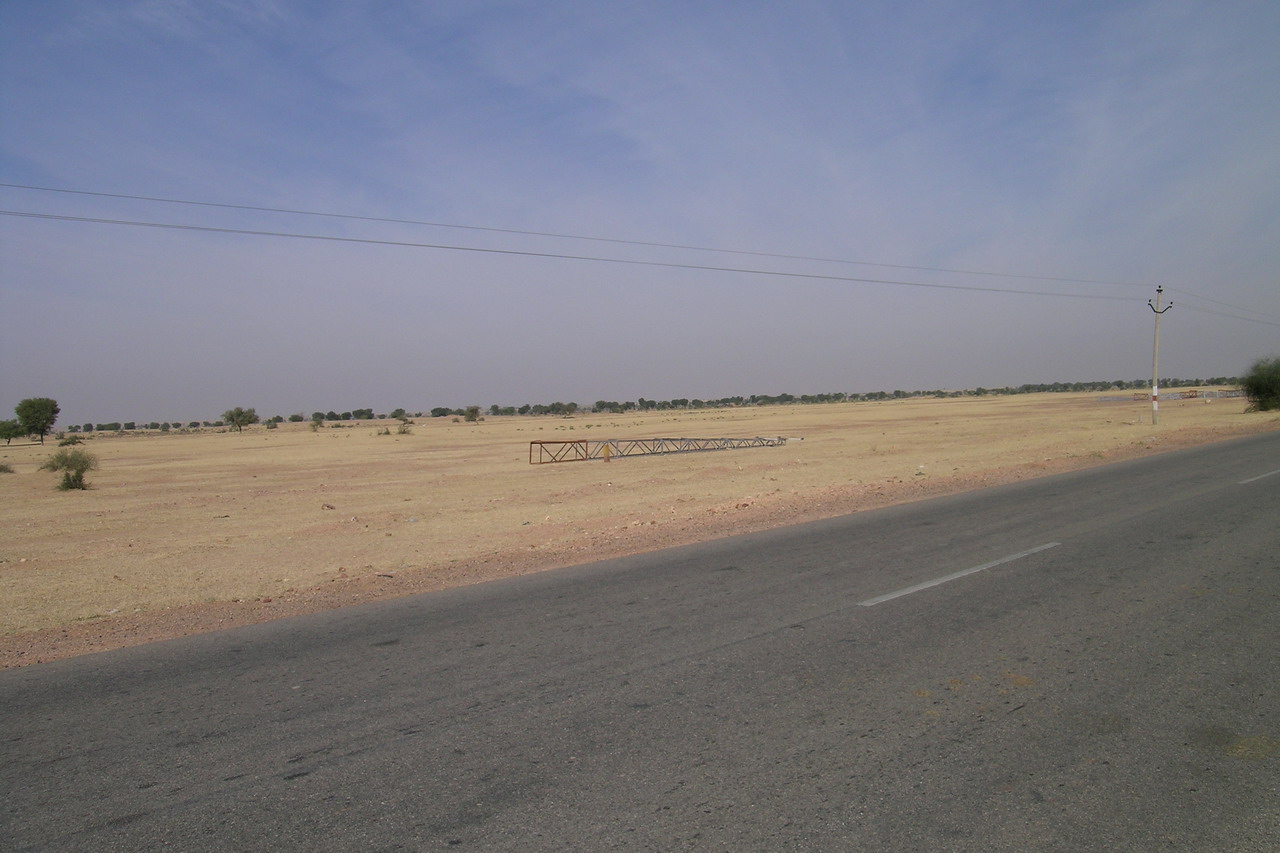
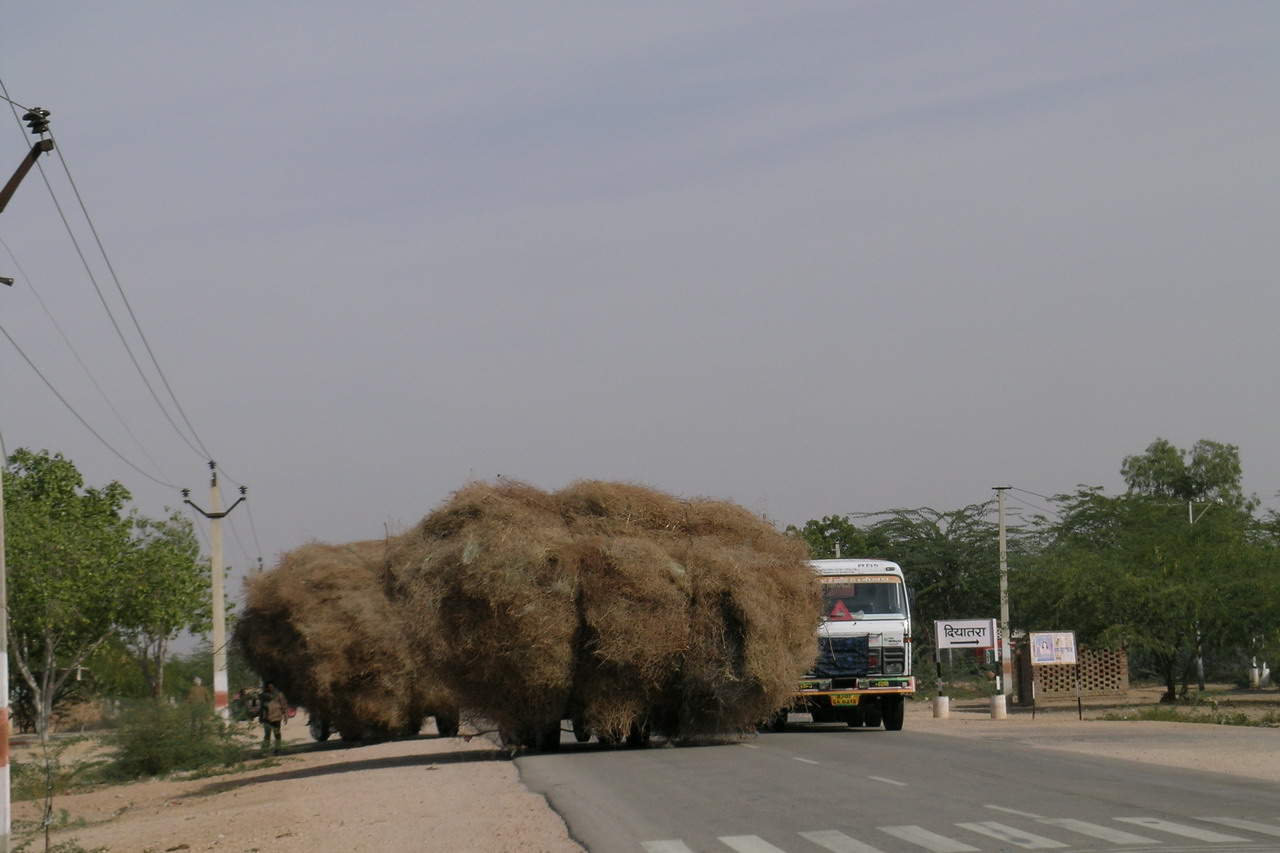
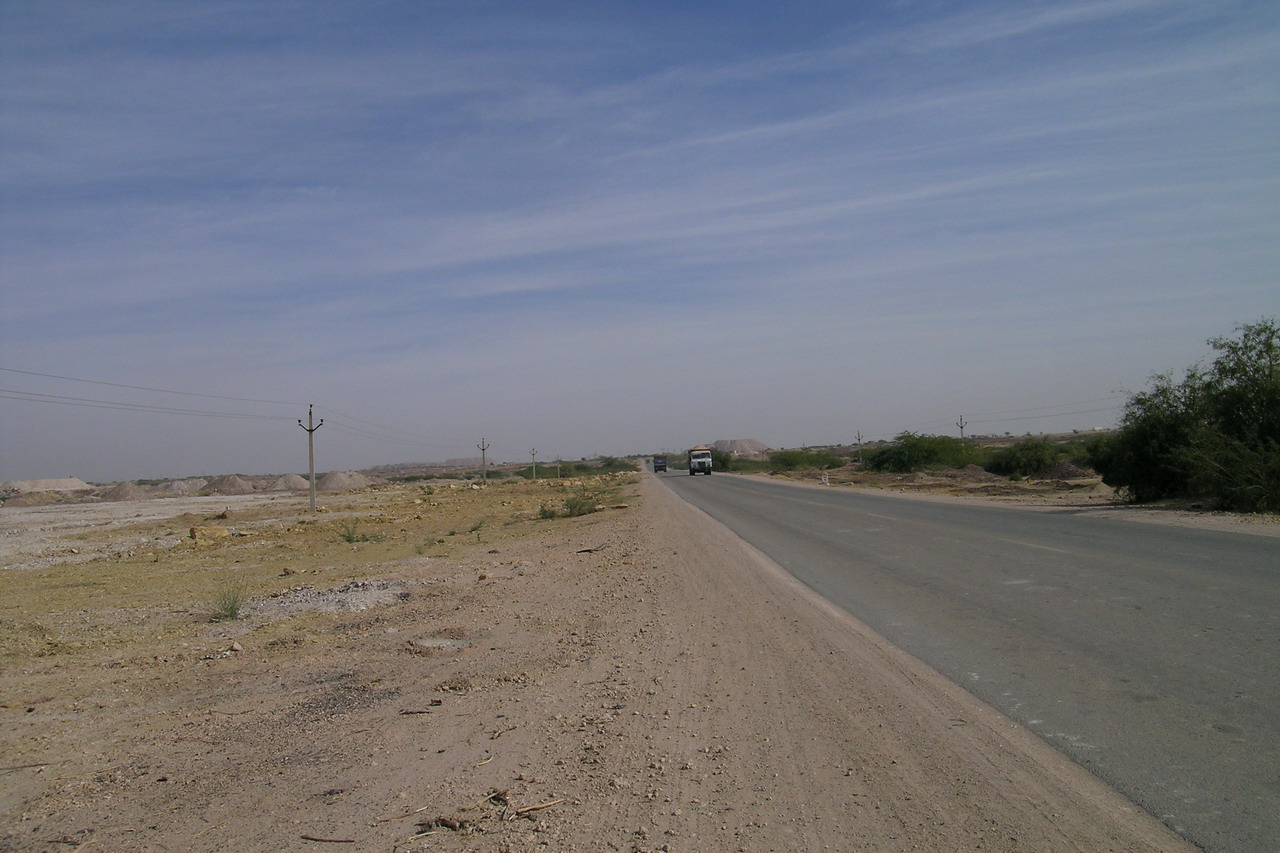
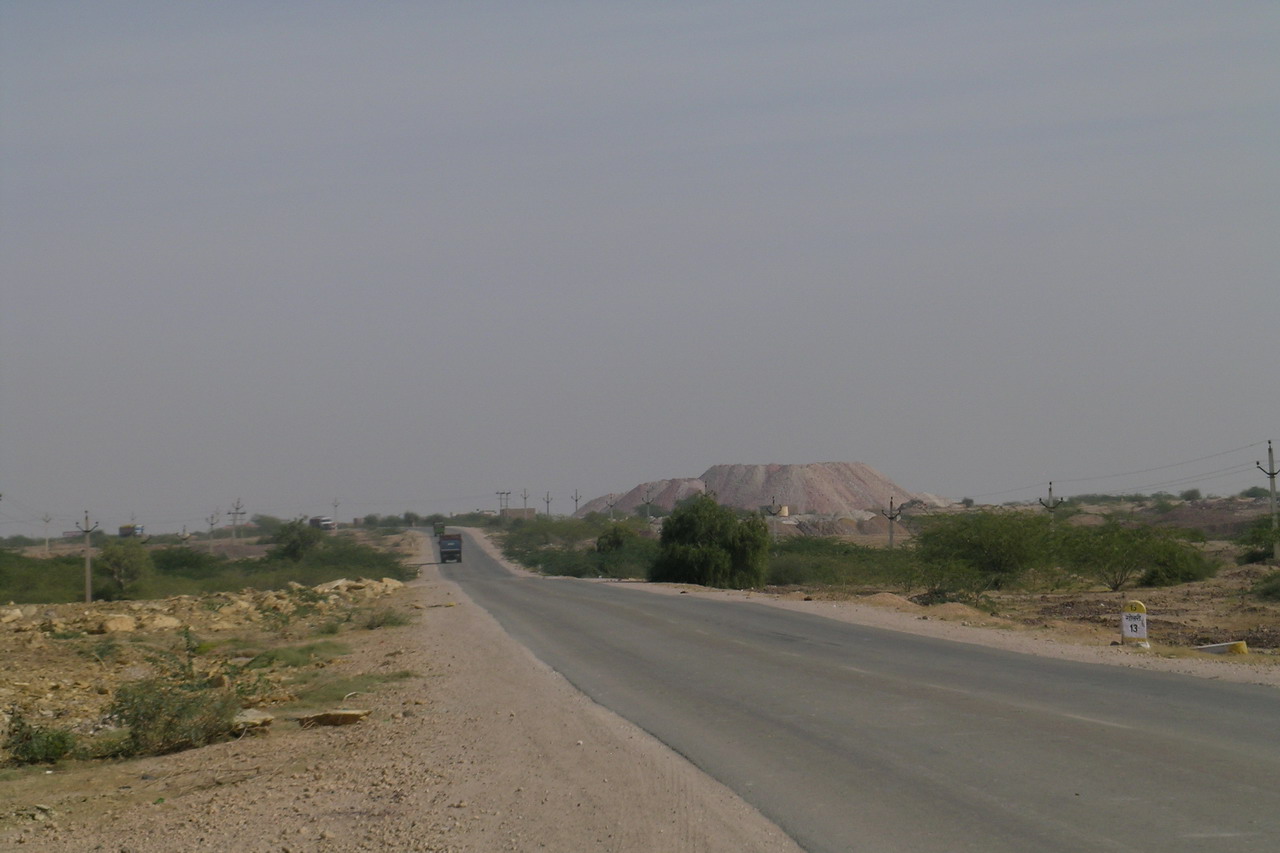
Today, the last stage in the desert — three hundred and thirty kilometres to reach Bikaner, on the edge of the desert. Cows everywhere. They own the road, and rightfully so. They cross at their leisure, as if to say: that’s your problem, I’m coming through. They know they’re untouchable — slaughtering them is banned in almost every Indian state — but they don’t seem to know they can still be hit by accident. Or maybe they too believe in the possibility of reincarnation. Then the tarmac changes colour. Shades of pink appear, and stay with me for the whole stage. The road remains good, and my average speed holds up well (65 km/h!).
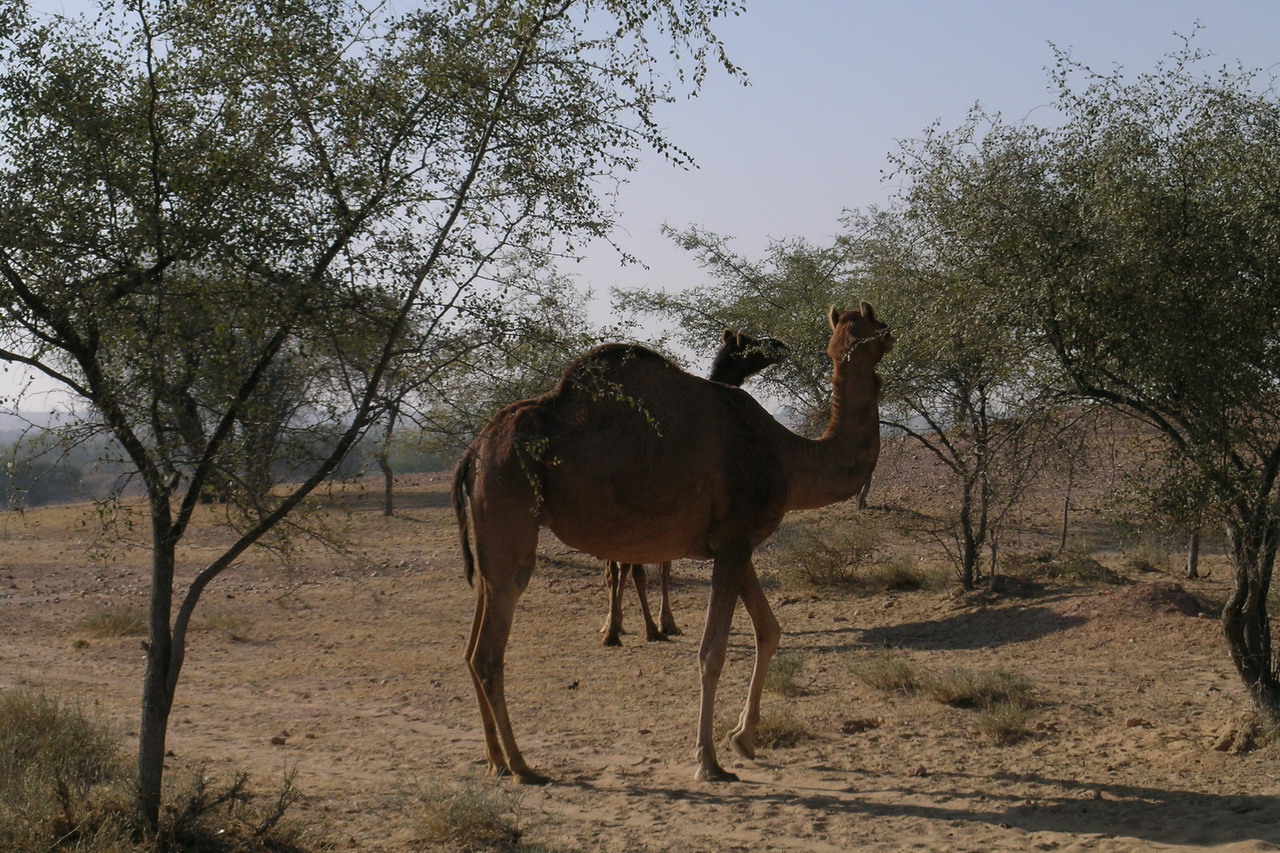
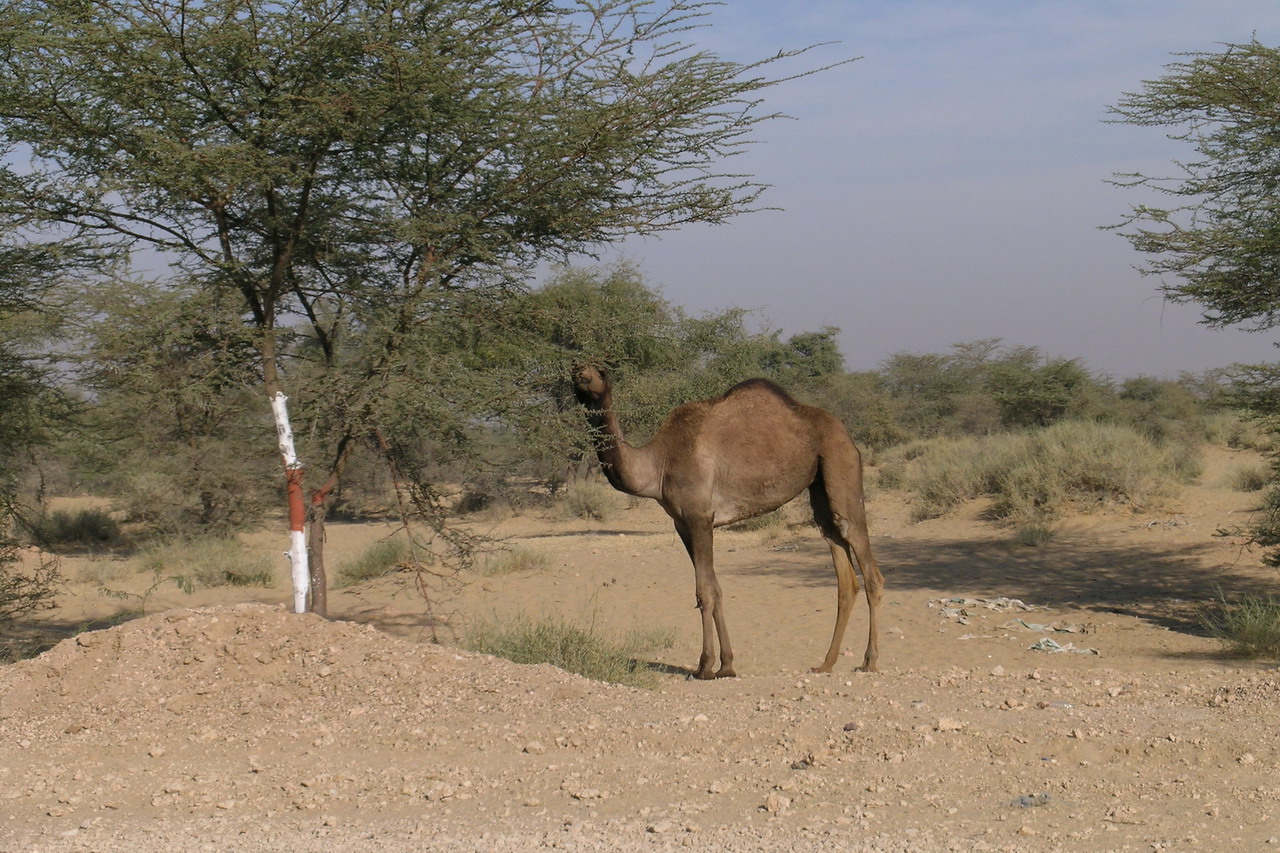
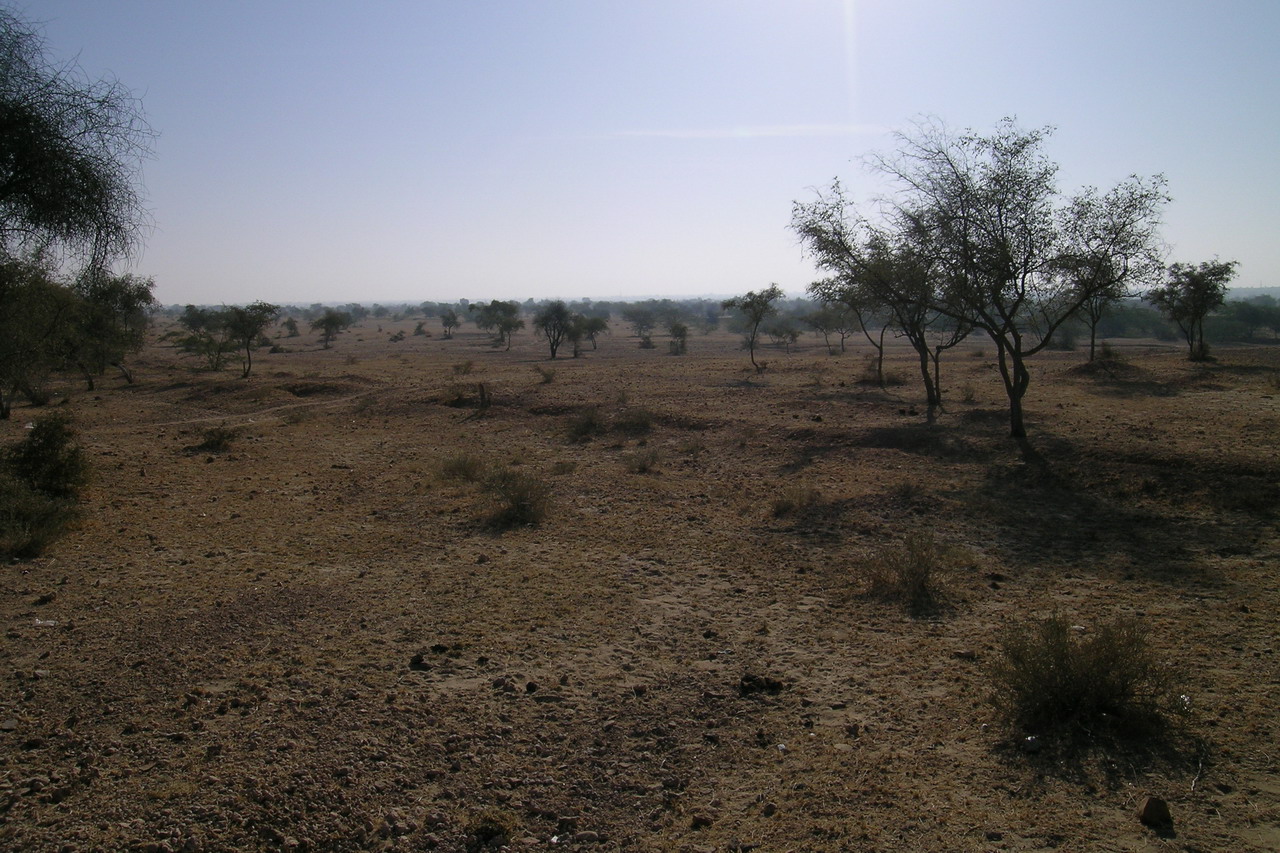
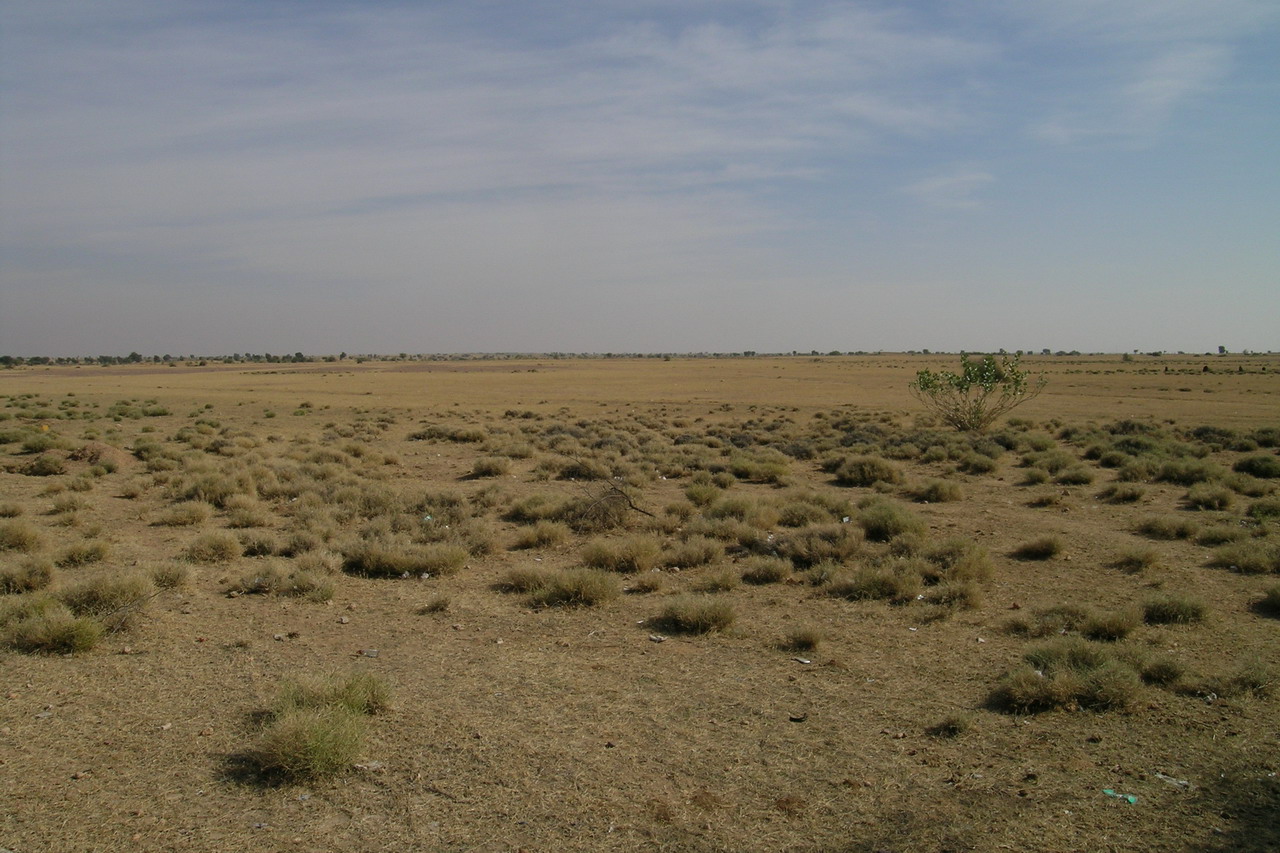
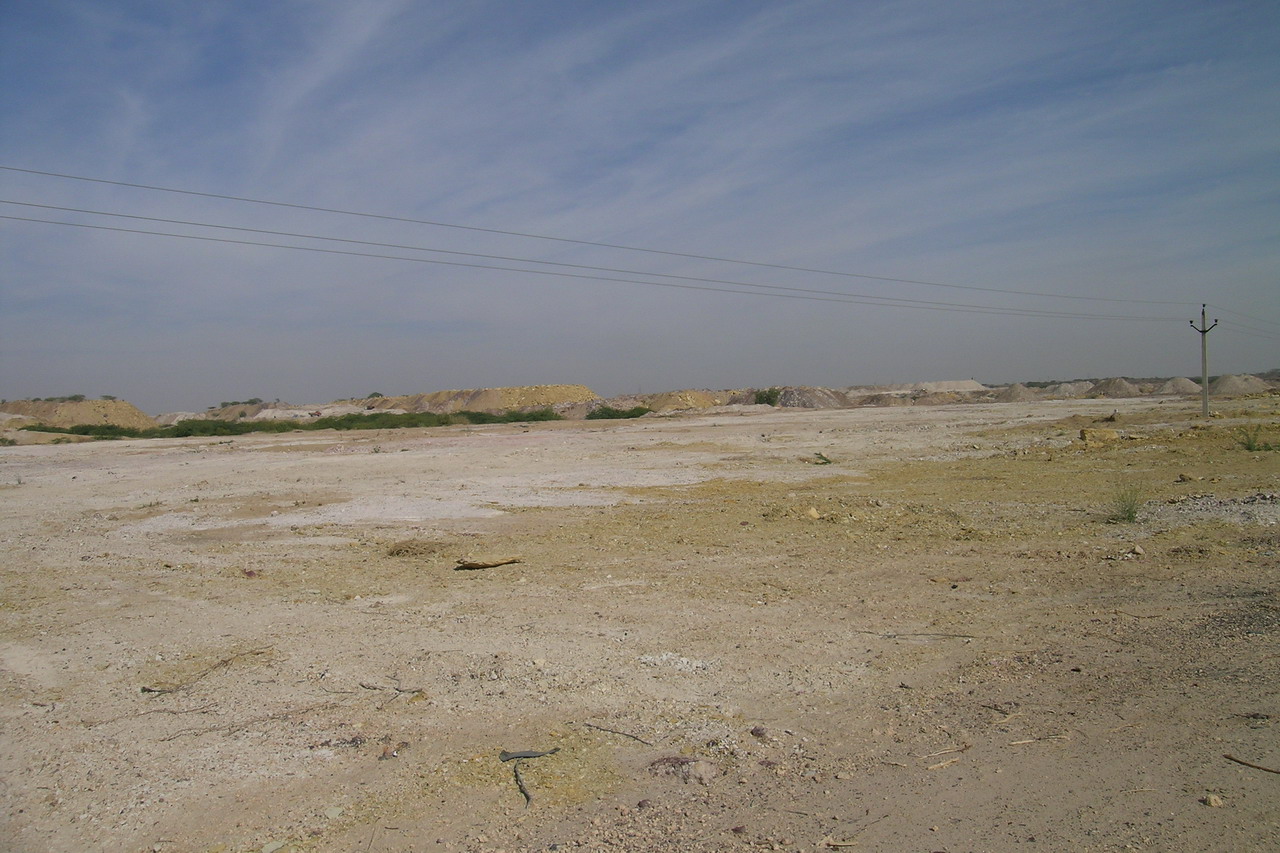
Bikaner sits on the edge of the great Thar desert, in northern Rajasthan, and was once a frontier stop for the caravans travelling the ancient ‘Silk Road,’ linking Central Asia and northern India. Right in the middle of the desert. I’d love to push out among the dunes, a sight I’ve never seen — even a simple one-off day trip by camel, sleeping in the desert. I don’t yet know that a trivial but stubborn intestinal problem will stop me from realizing this ambition. My next motorcycle trip I’ll plan straight into the desert: I’ll see those dunes, dammit!
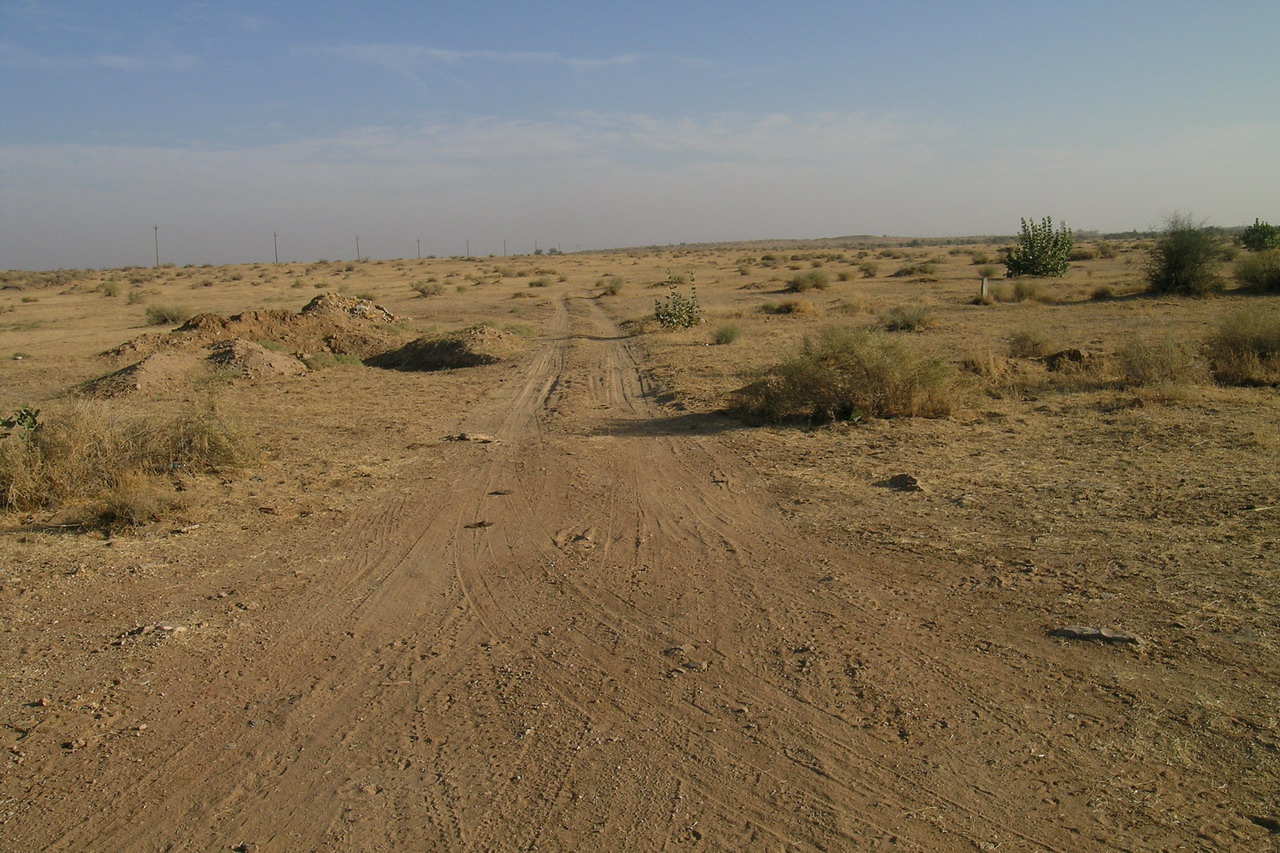
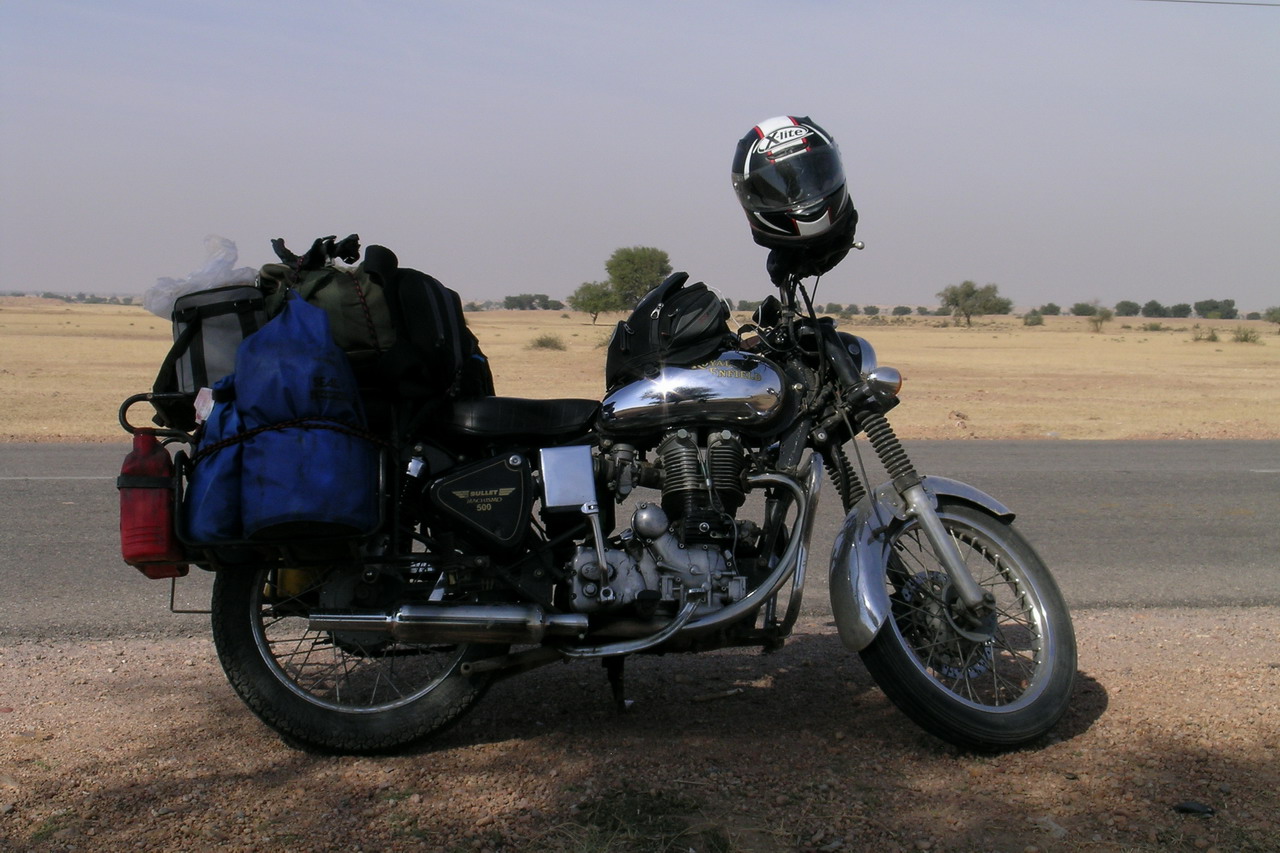
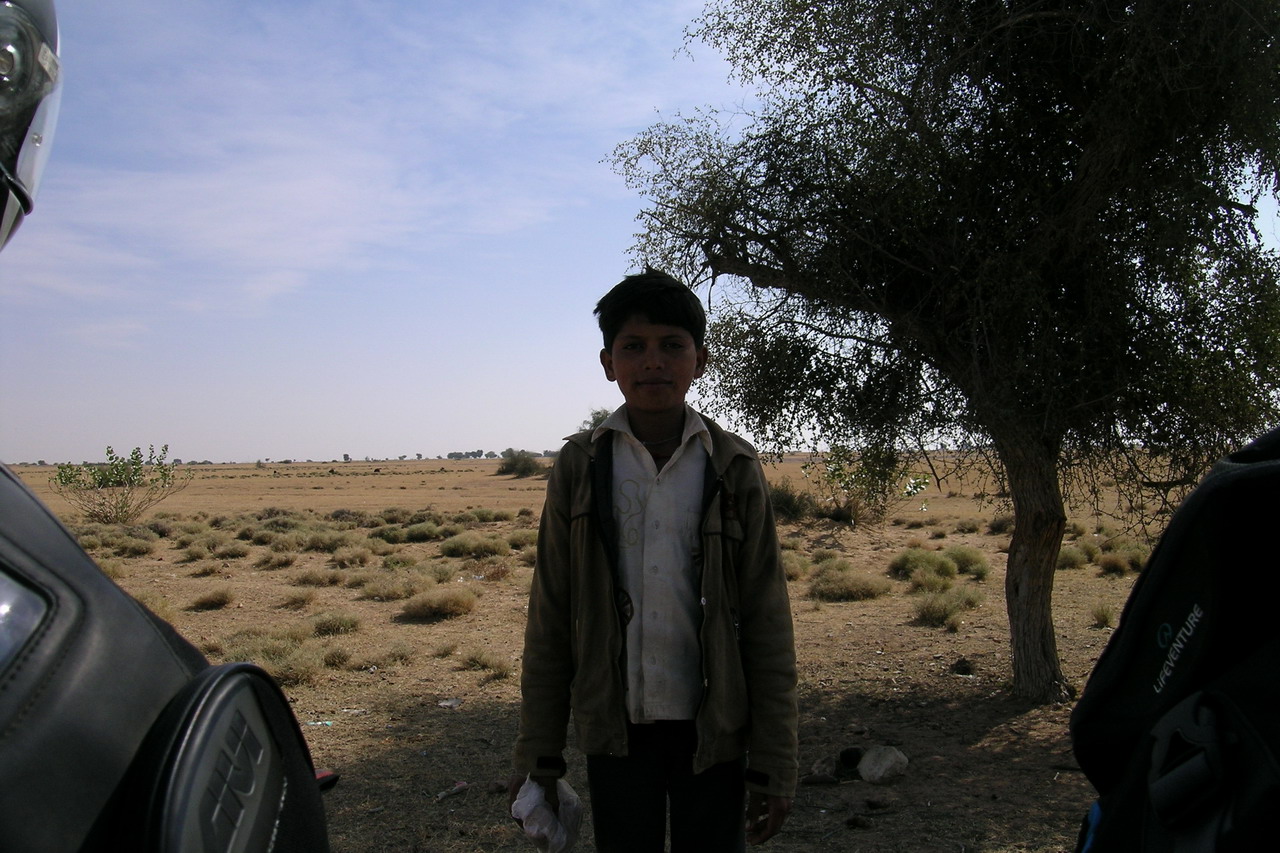
I ride without ever stopping through this crowded desert. Yes, crowded. The few stops, a handful of minutes each, taught me that. I stop (for physiological reasons — thirst, hunger, a numb backside) somewhere in the middle of nothing. Without fail, before long, someone appears. Walking. Where do they come from? But above all, where are they going? There’s nothing visible for dozens of kilometres… Or else children. The bike, but especially my spacesuit of riding gear, inevitably draws them in. They appear from nowhere, plant themselves in front of me, and stare. They can’t put their request into words — they don’t even know themselves what they actually want. Maybe just to voice their astonishment. The one I meet on this stage is stunned, staring fixedly at my jacket, pointing at it again and again, eyes wide. I let him touch the elbow armour. His eyes go even wider. I share with him the biscuits that make up my lunch; he tries to refuse, then eats them with relish. We drink some water (he notices I drink without touching the bottle to my lips, and does the same), and I leave him the bag with the leftover biscuits. I ask where his home is. He points to a place that doesn’t exist. He sees the camera, wants his picture taken. Then I say goodbye and ride off, sadder than before. Then the pink road distracts me again. Bikaner too has a fort, but it’s low, invisible from a distance. Suddenly I realize I’m tired. The trip is starting to catch up with me; I’ve been riding for two weeks.
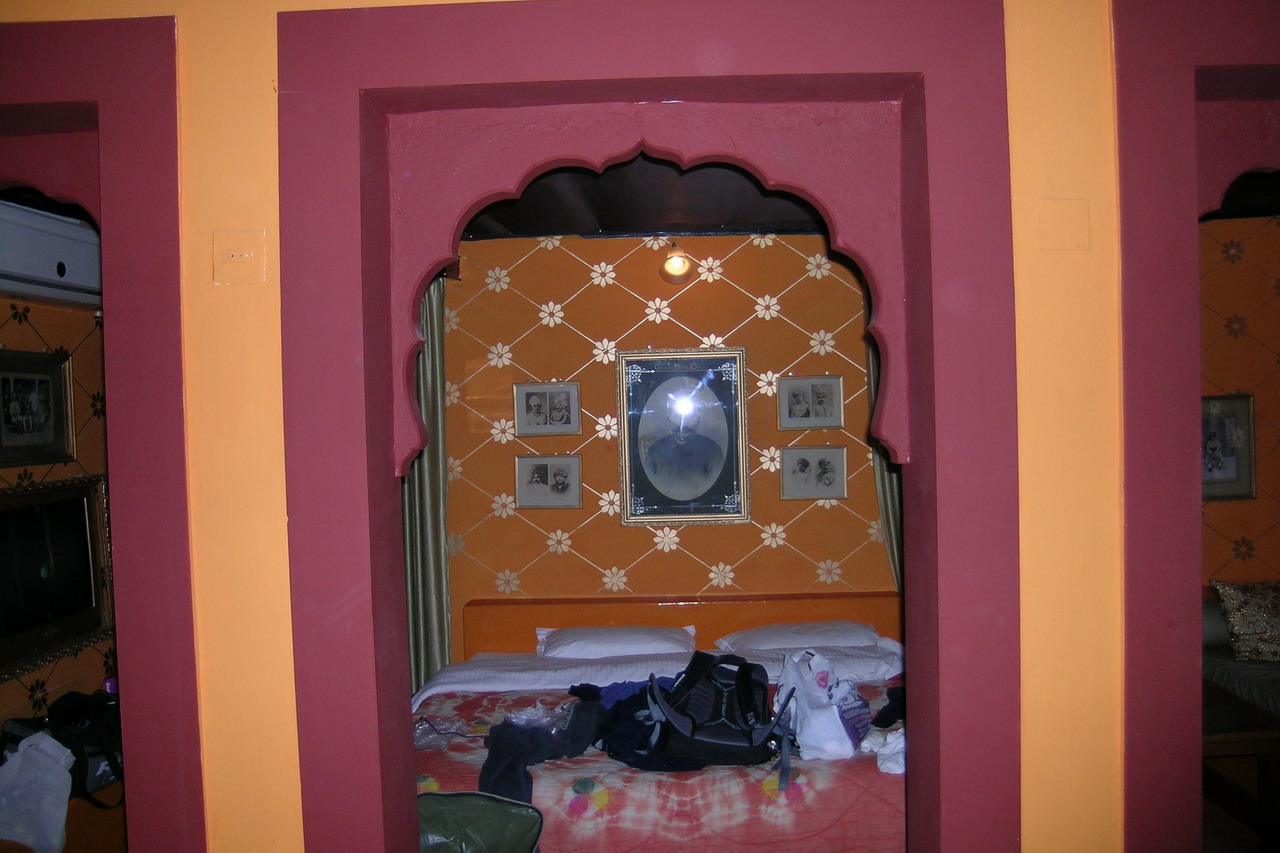
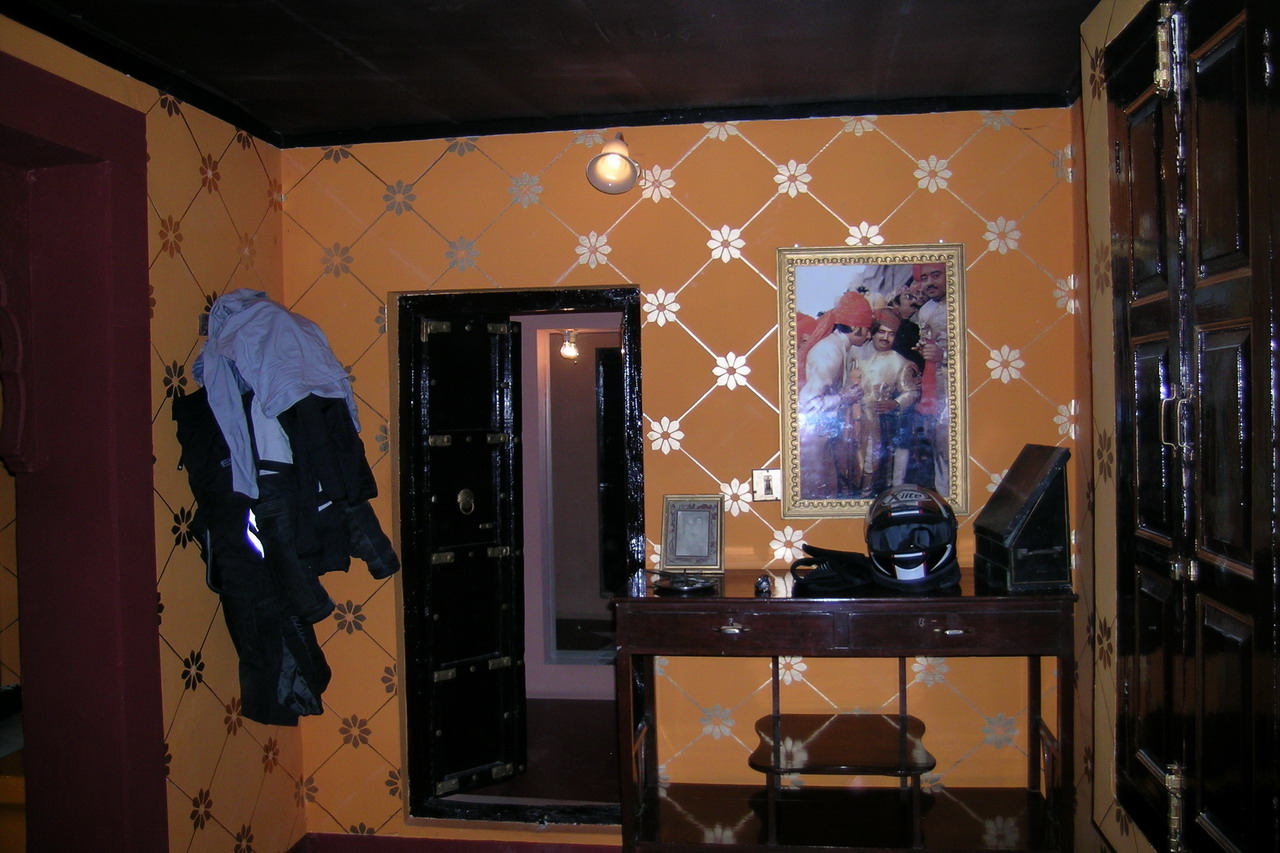
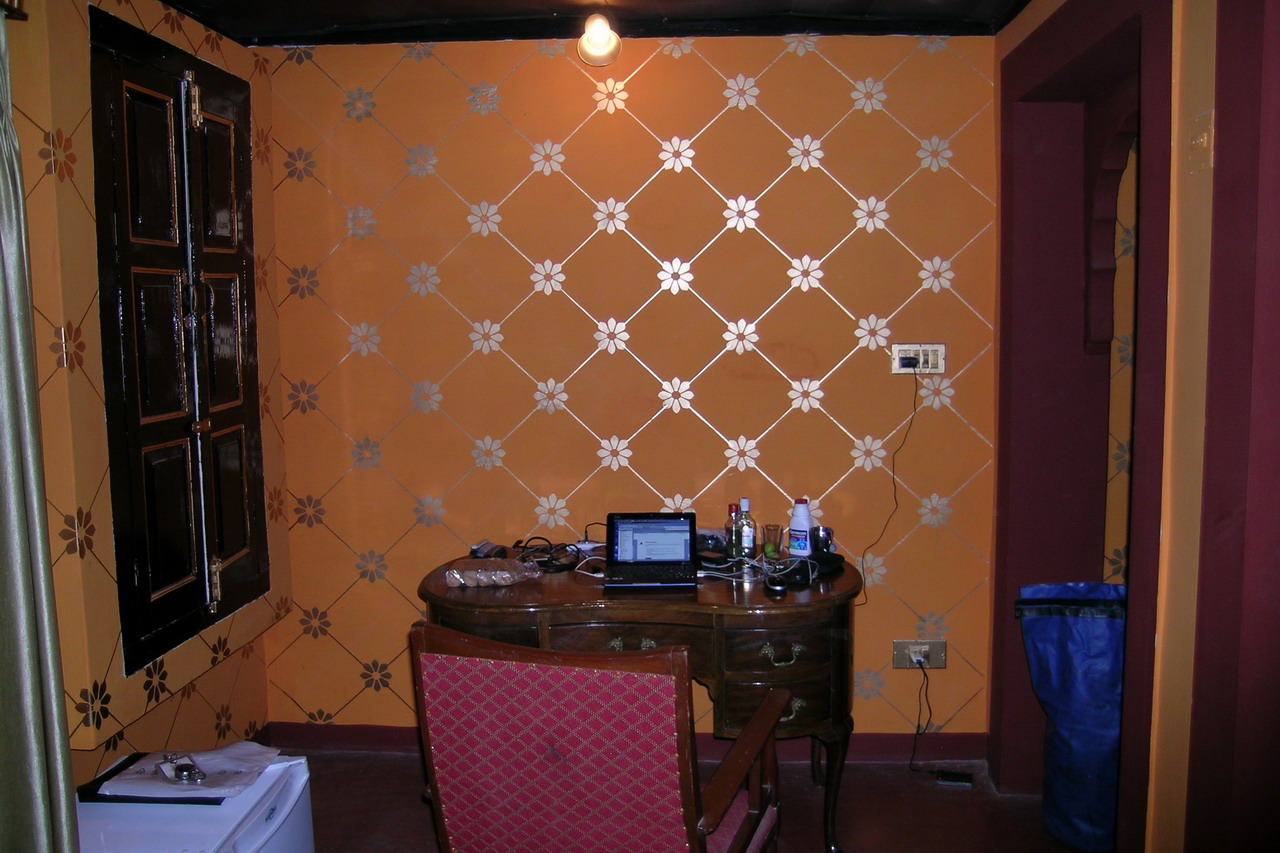
In Bikaner, to rest, I’d chosen an odd hotel — a suite for almost 40 euros a night! The owner had furnished it with family heirlooms: paintings, photographs, inlaid furniture. Strange gentlemen with turbans and moustaches watch me from old black-and-white photographs. I set my laptop down on an antique lacquered writing desk. Within minutes I’ve cluttered the refined space with my riding suit, boots, colourful bags, helmet, kettle, limes, and mosquito net. I’d like to go out, but I don’t feel great; I stay in the hotel writing, listening to music, and resting. I’ll go exploring tomorrow.
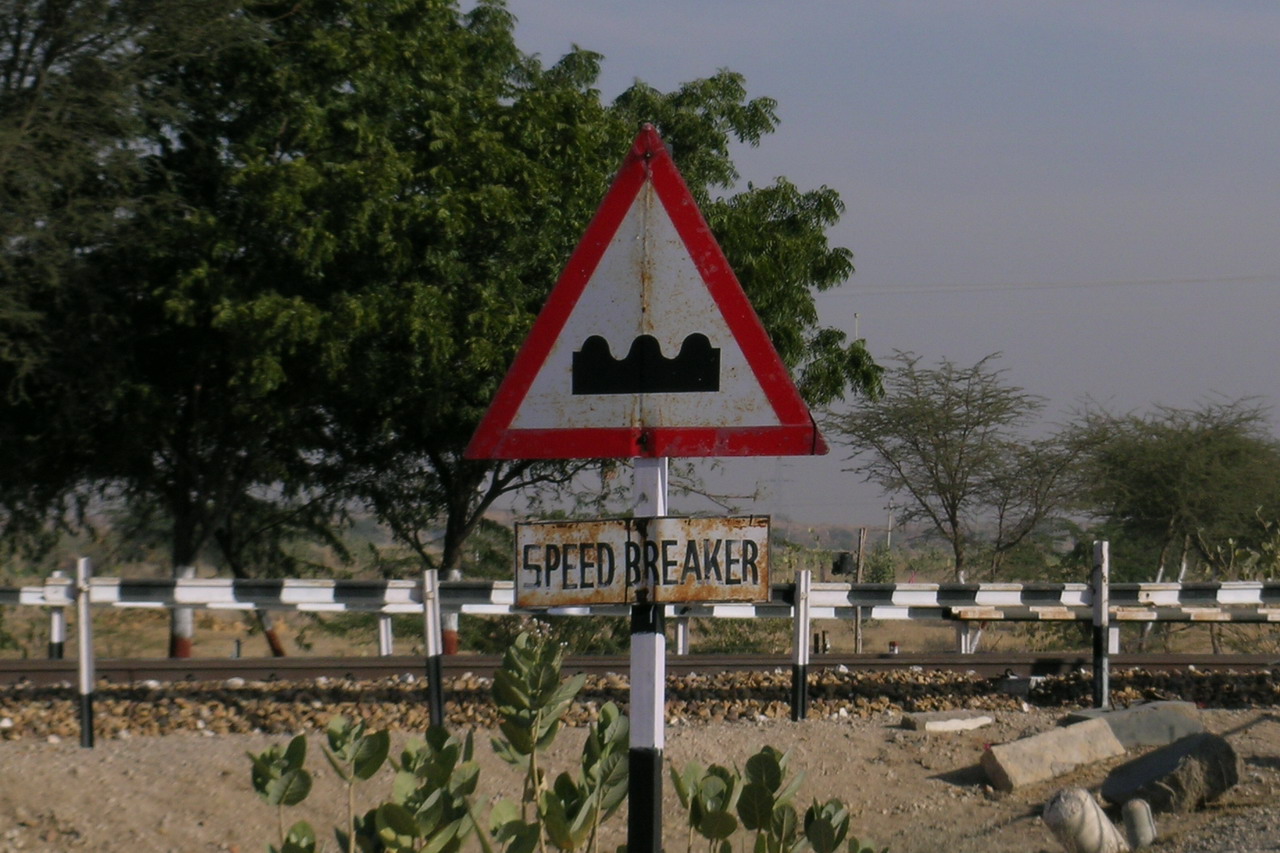
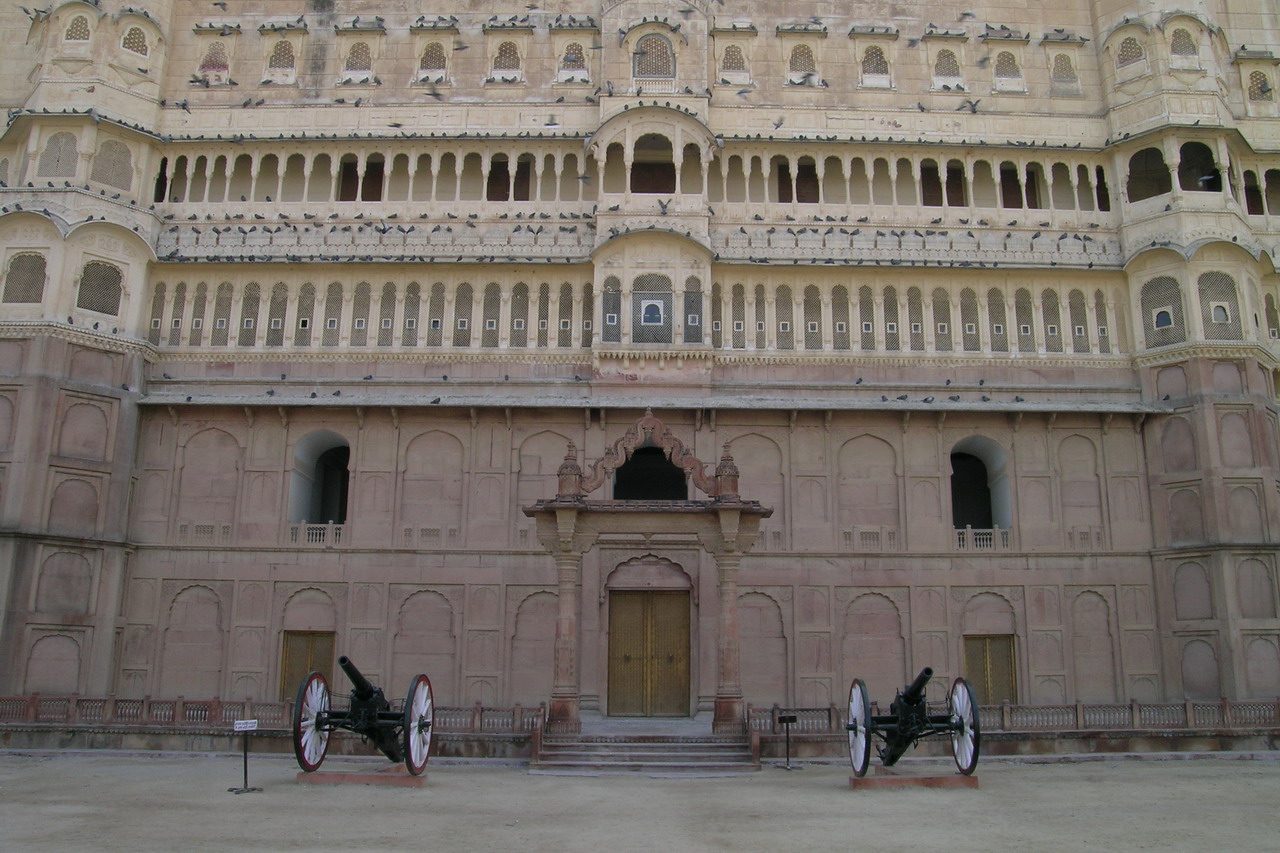
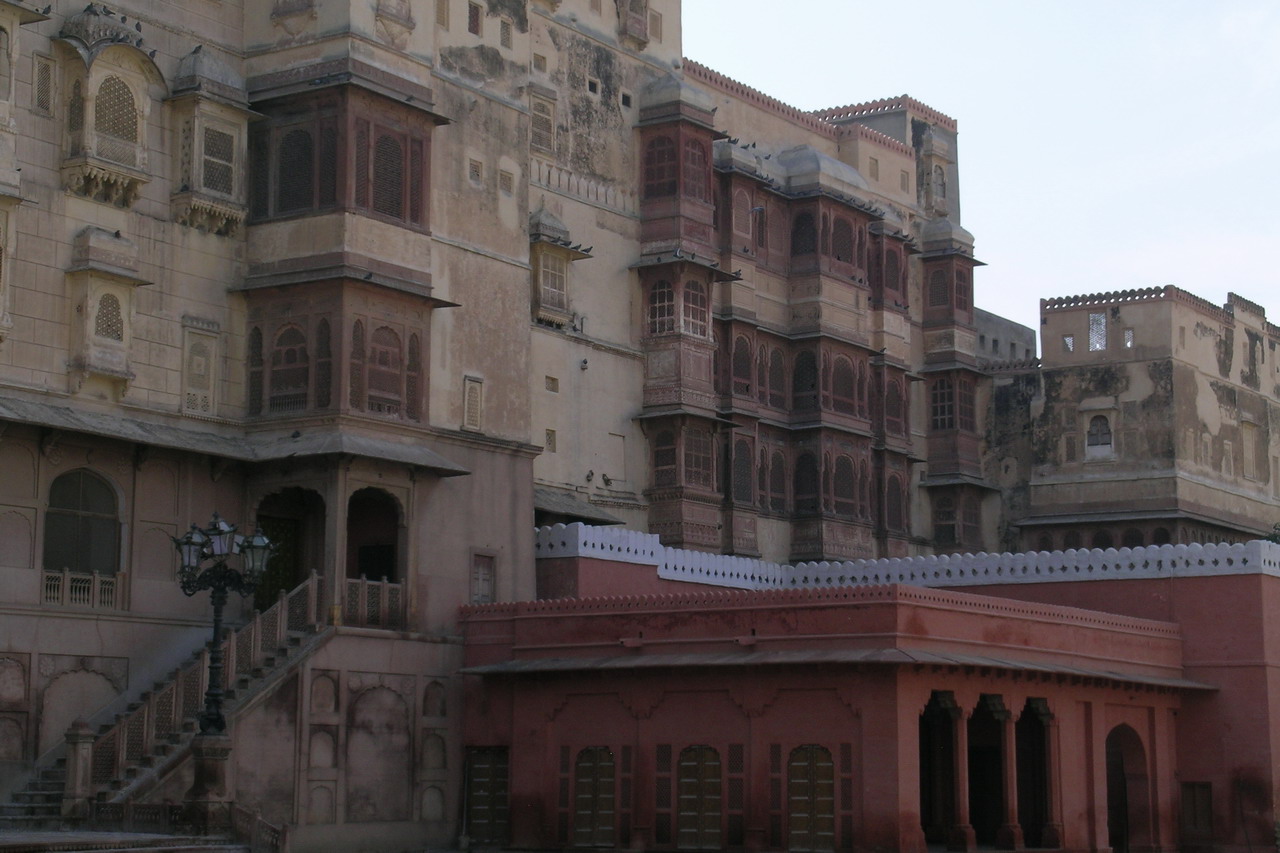
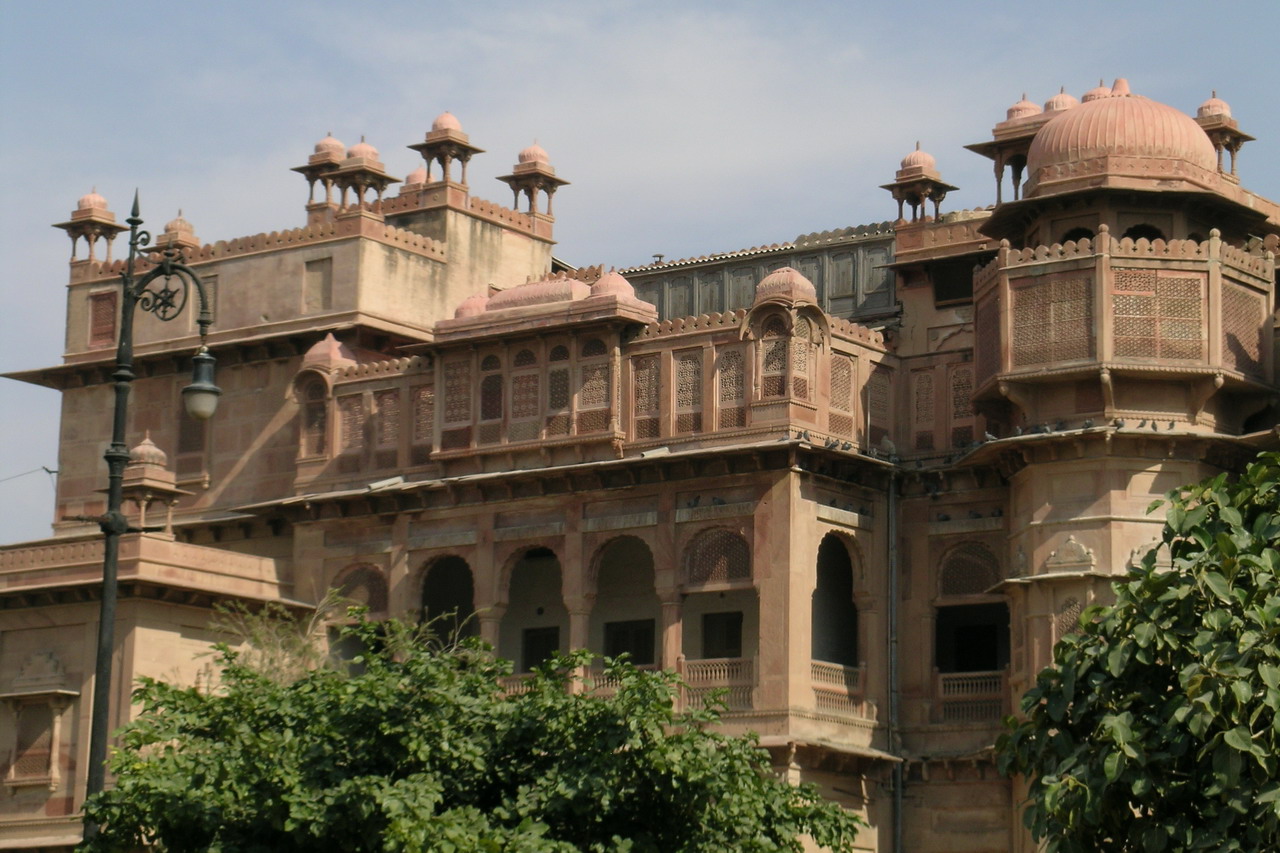
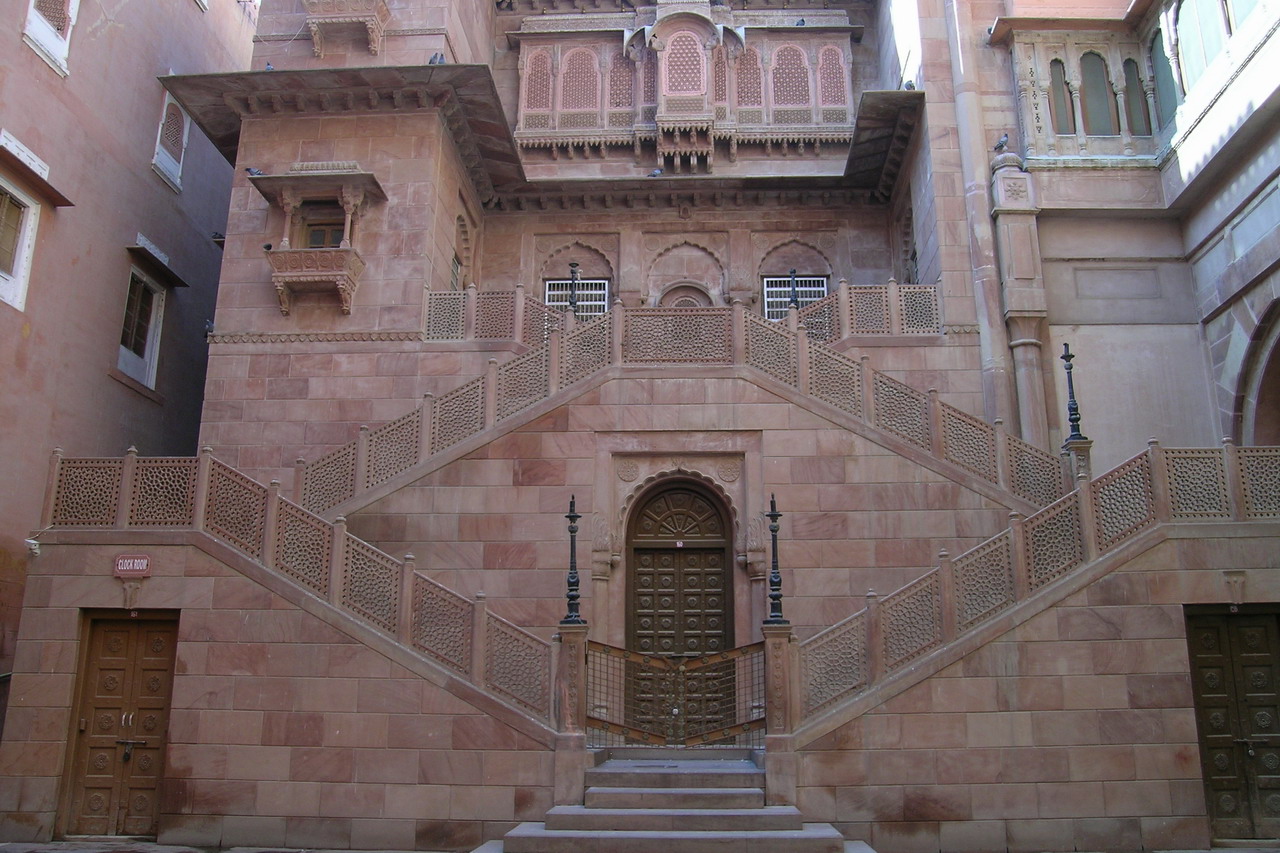
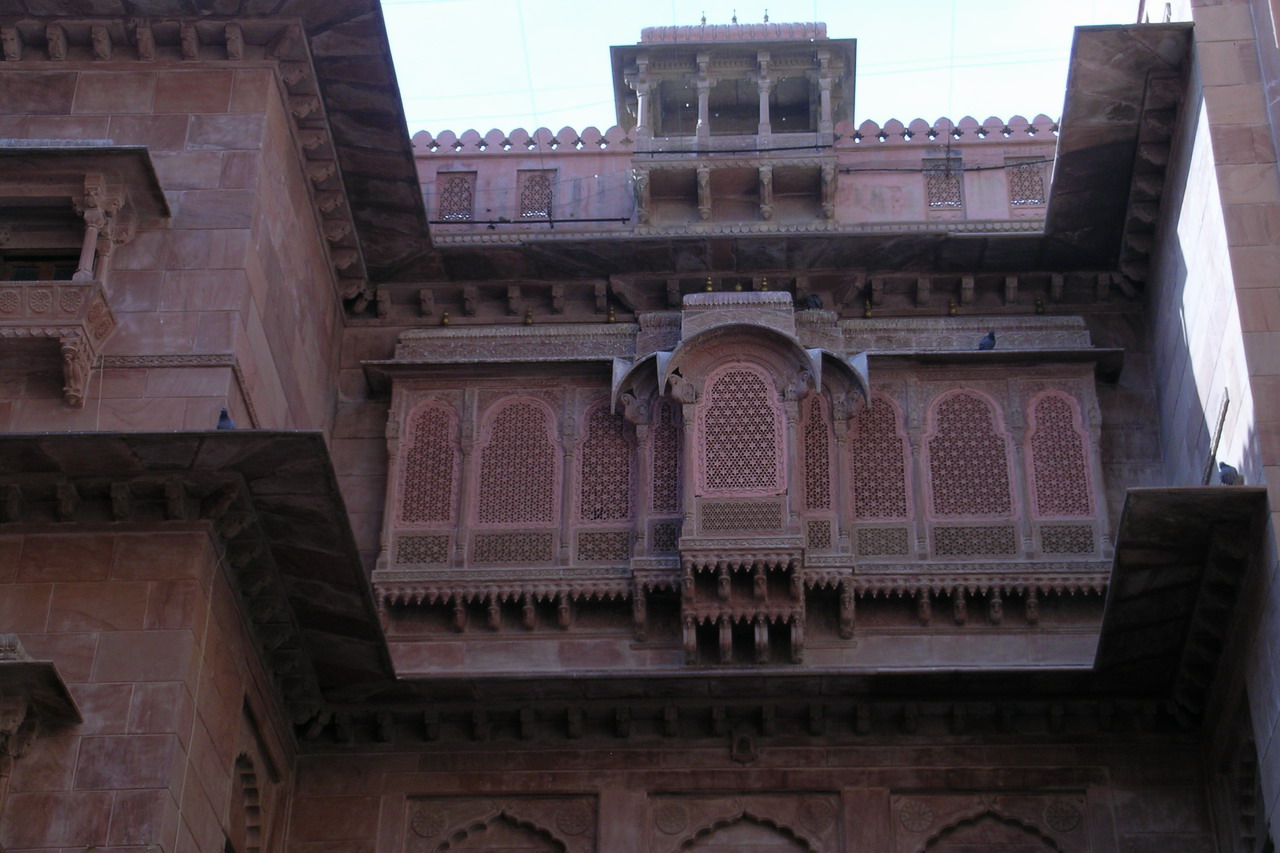
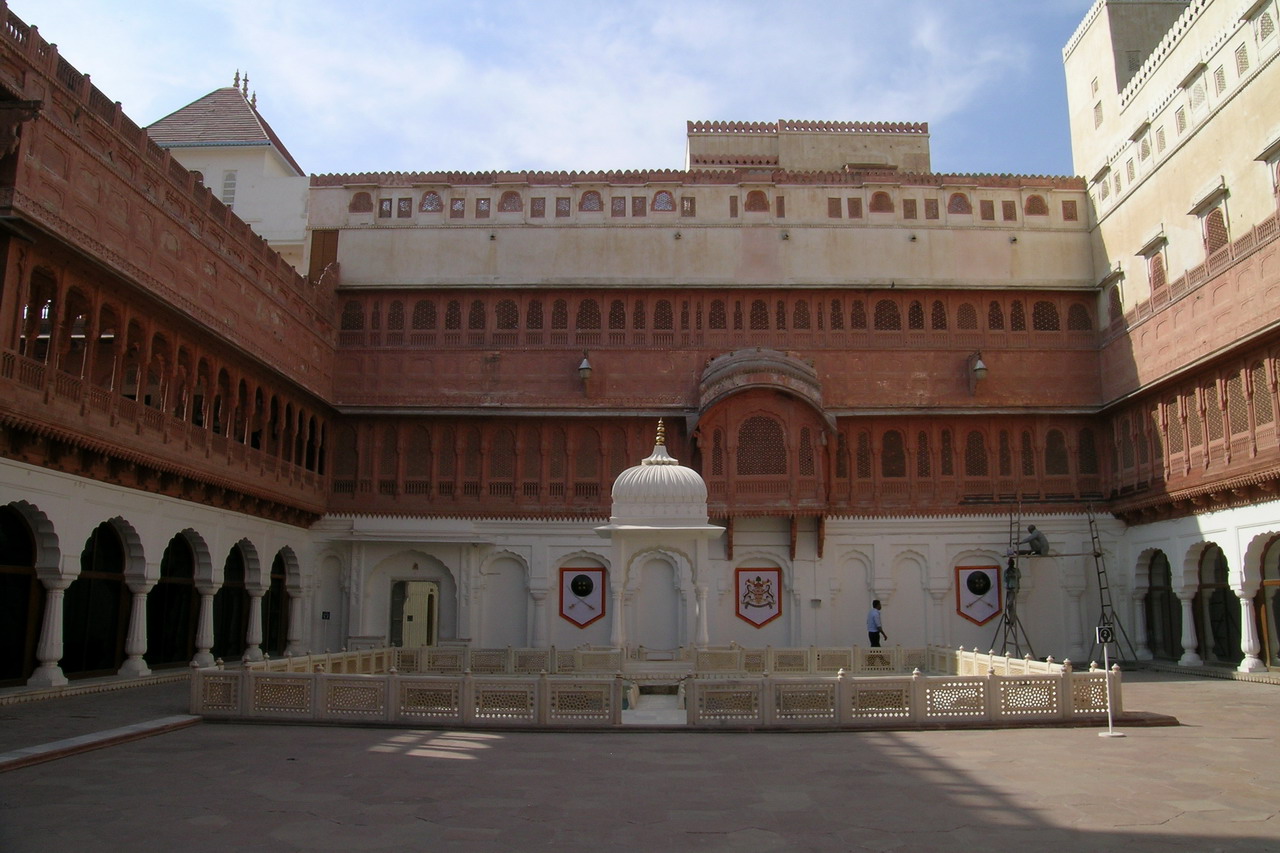
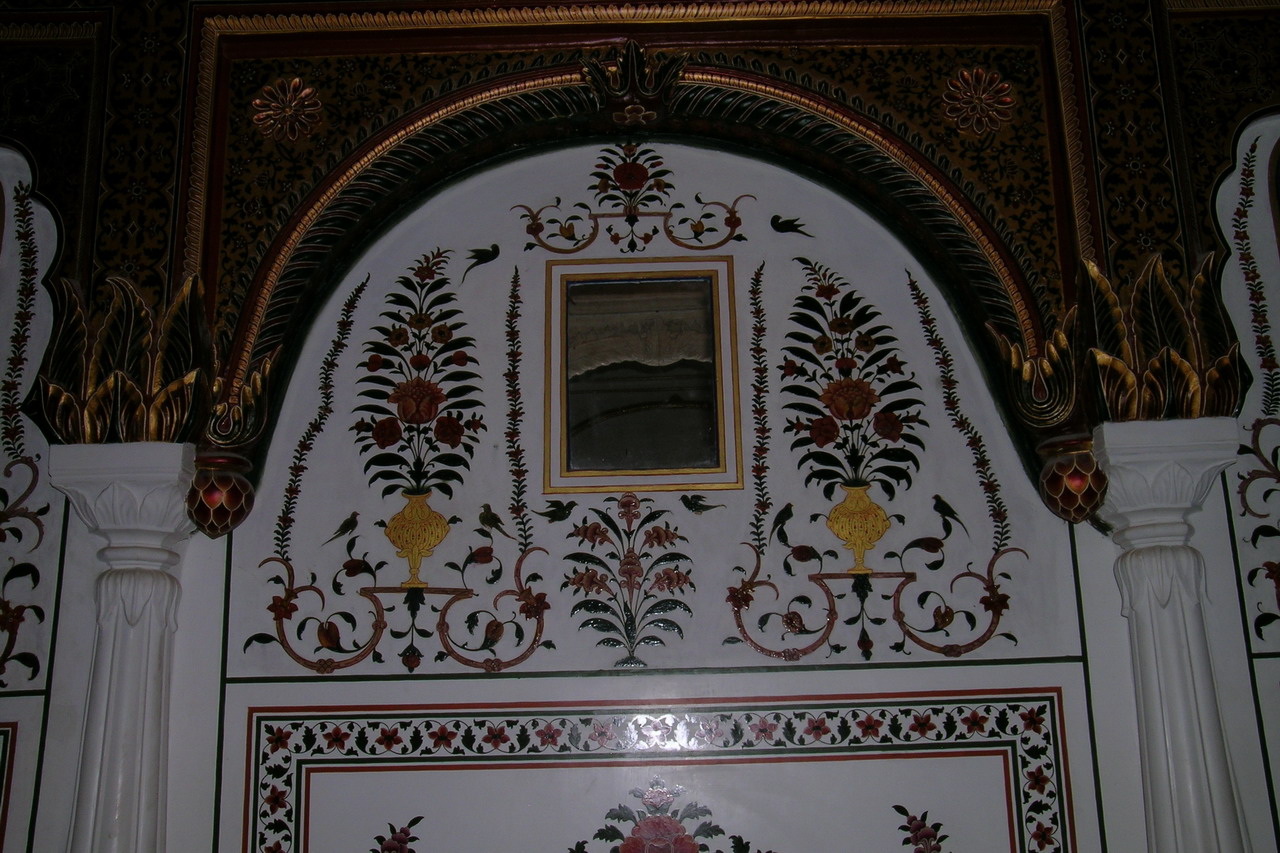
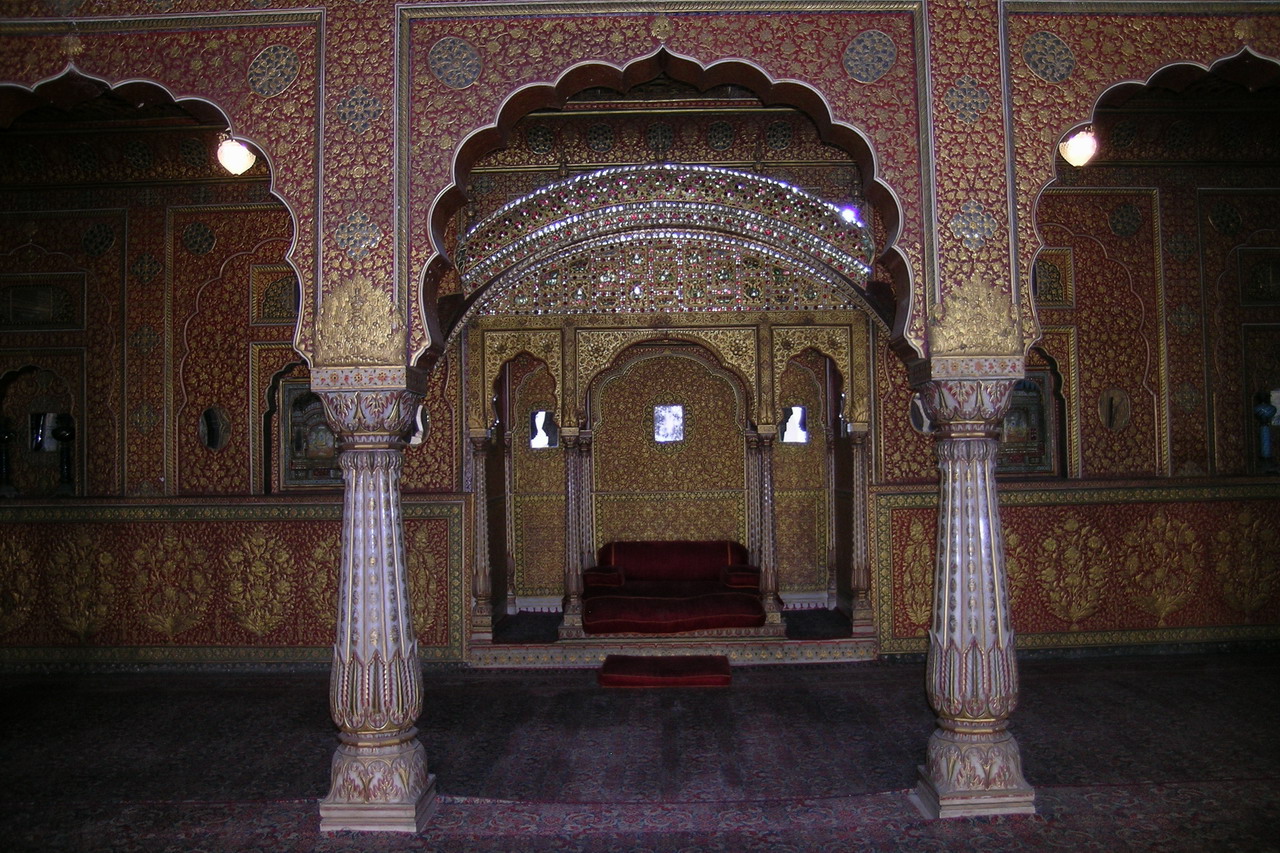
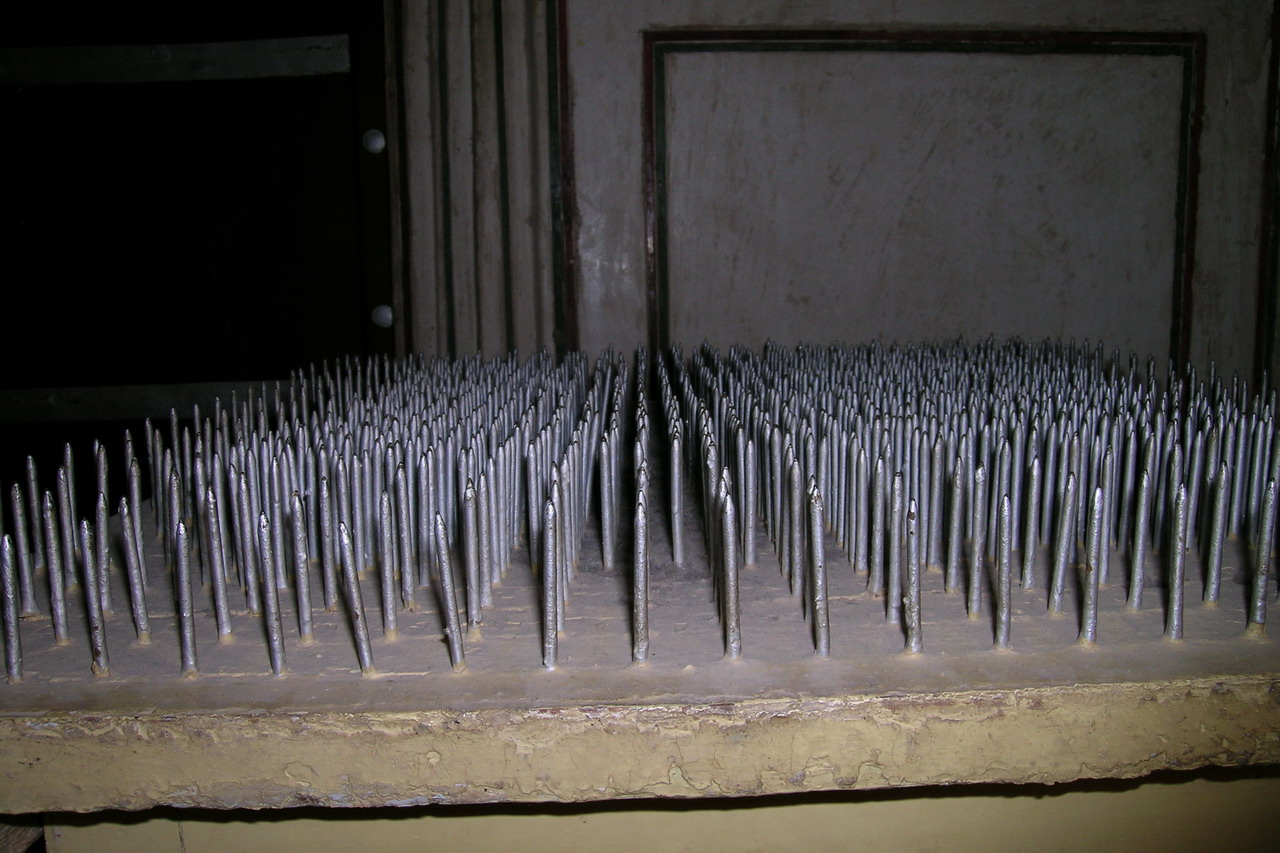
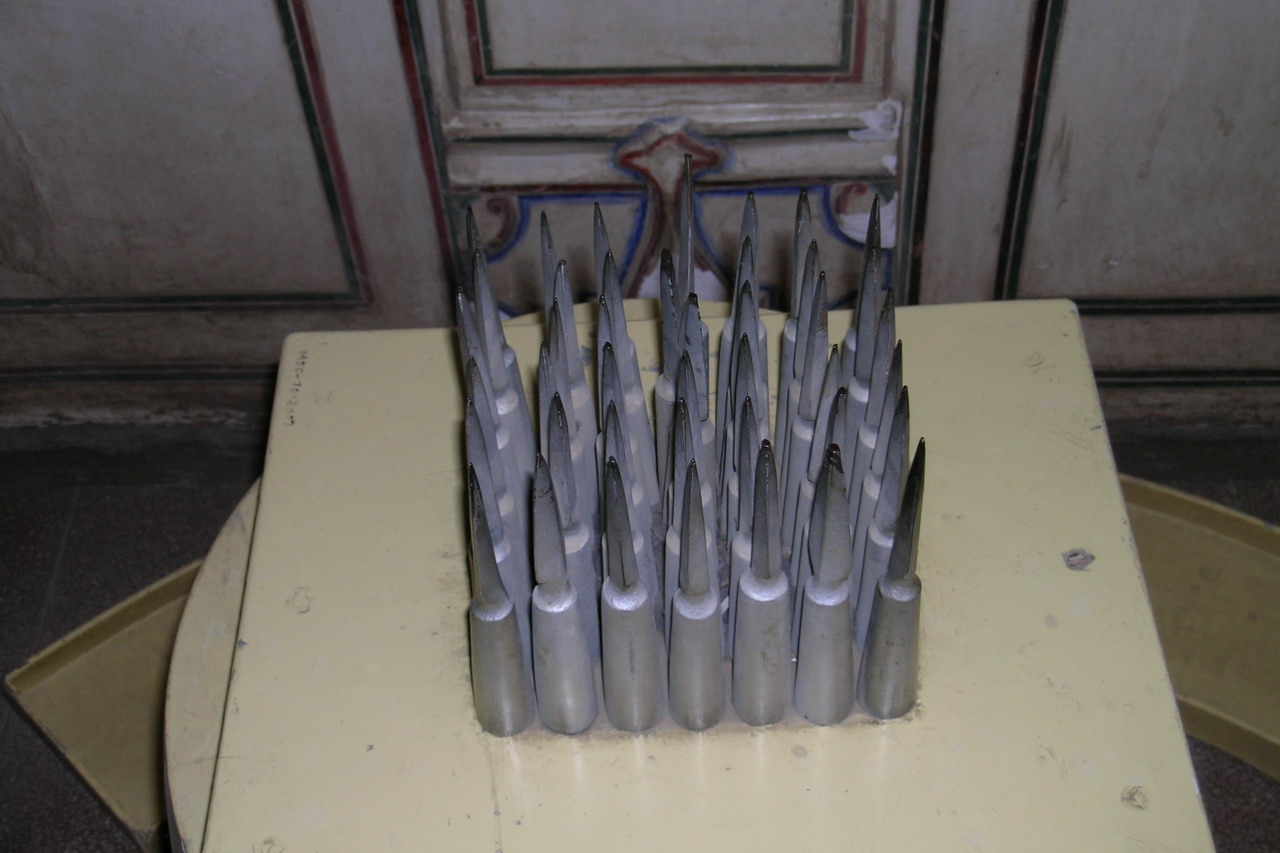
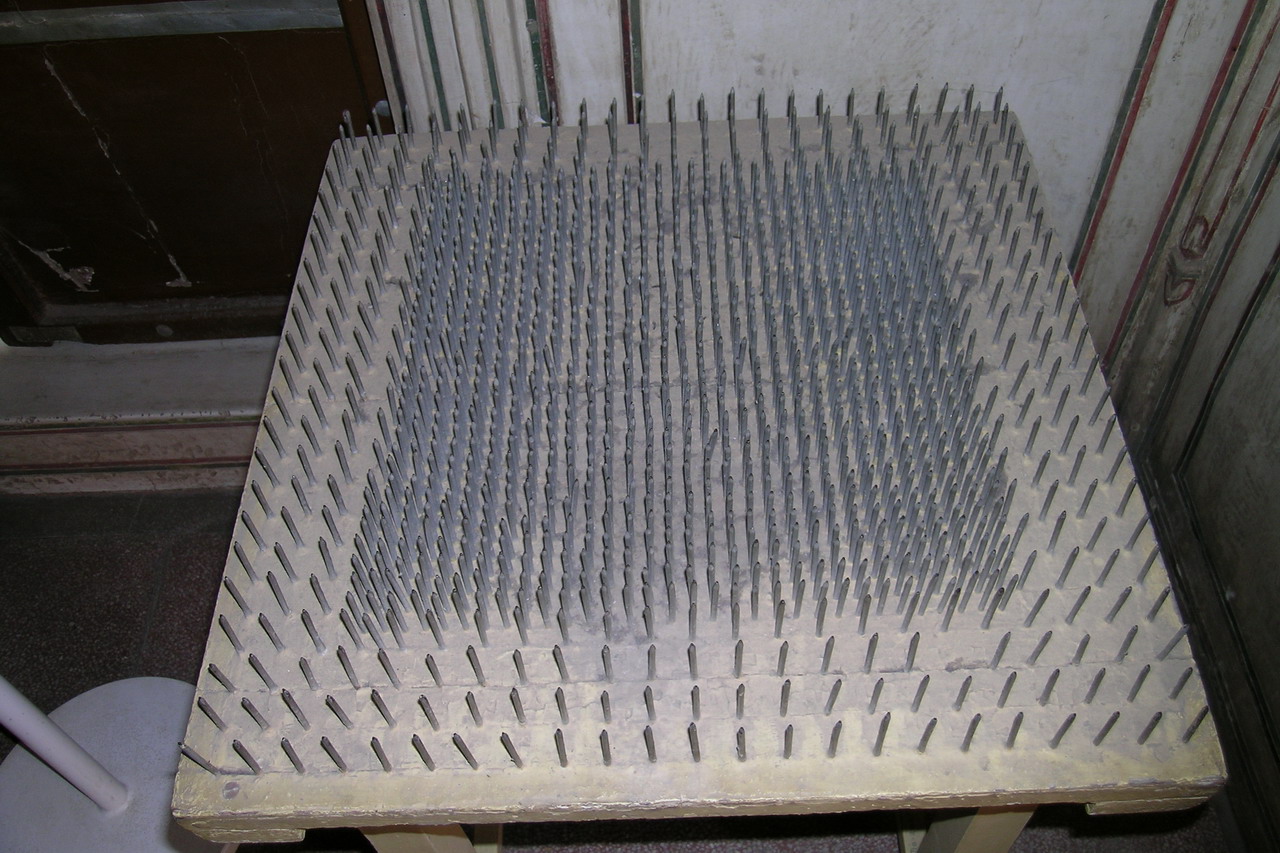
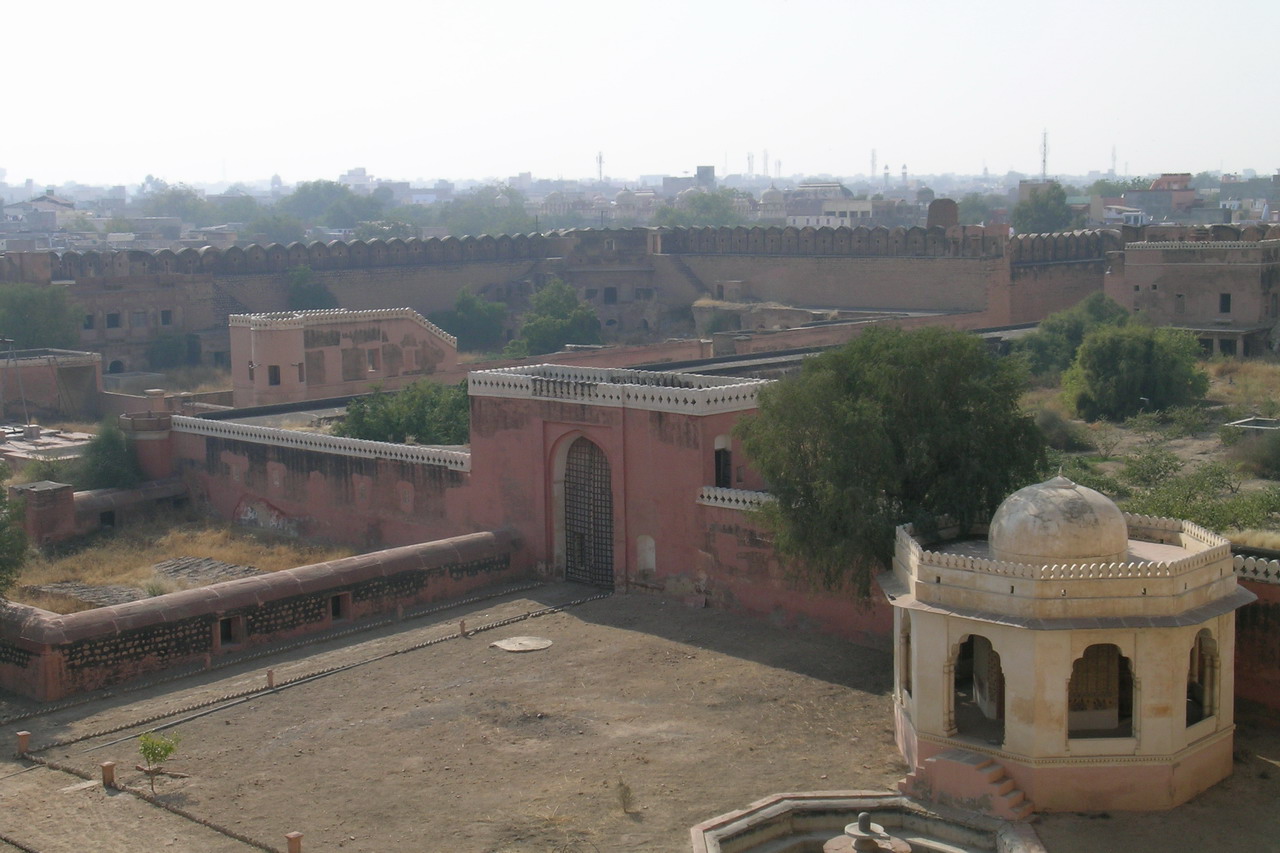
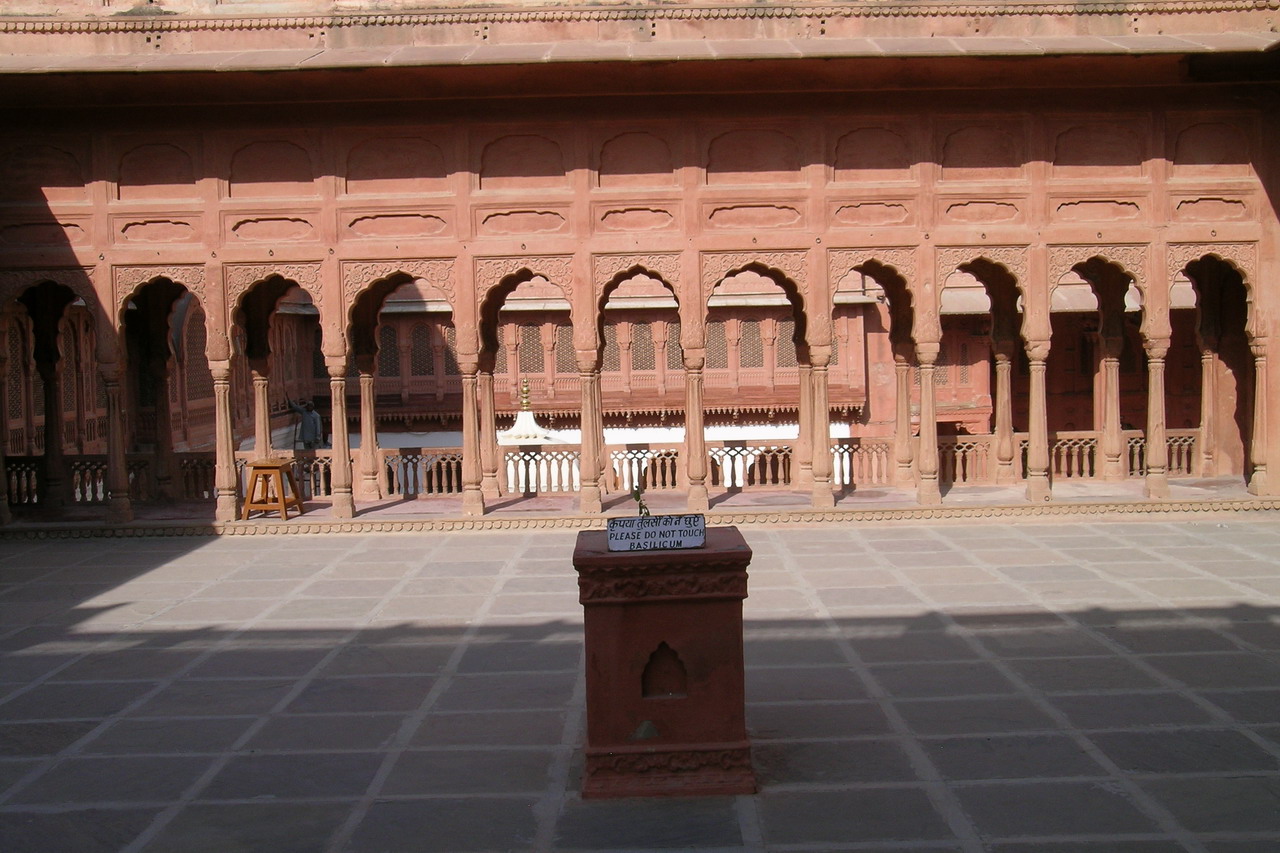
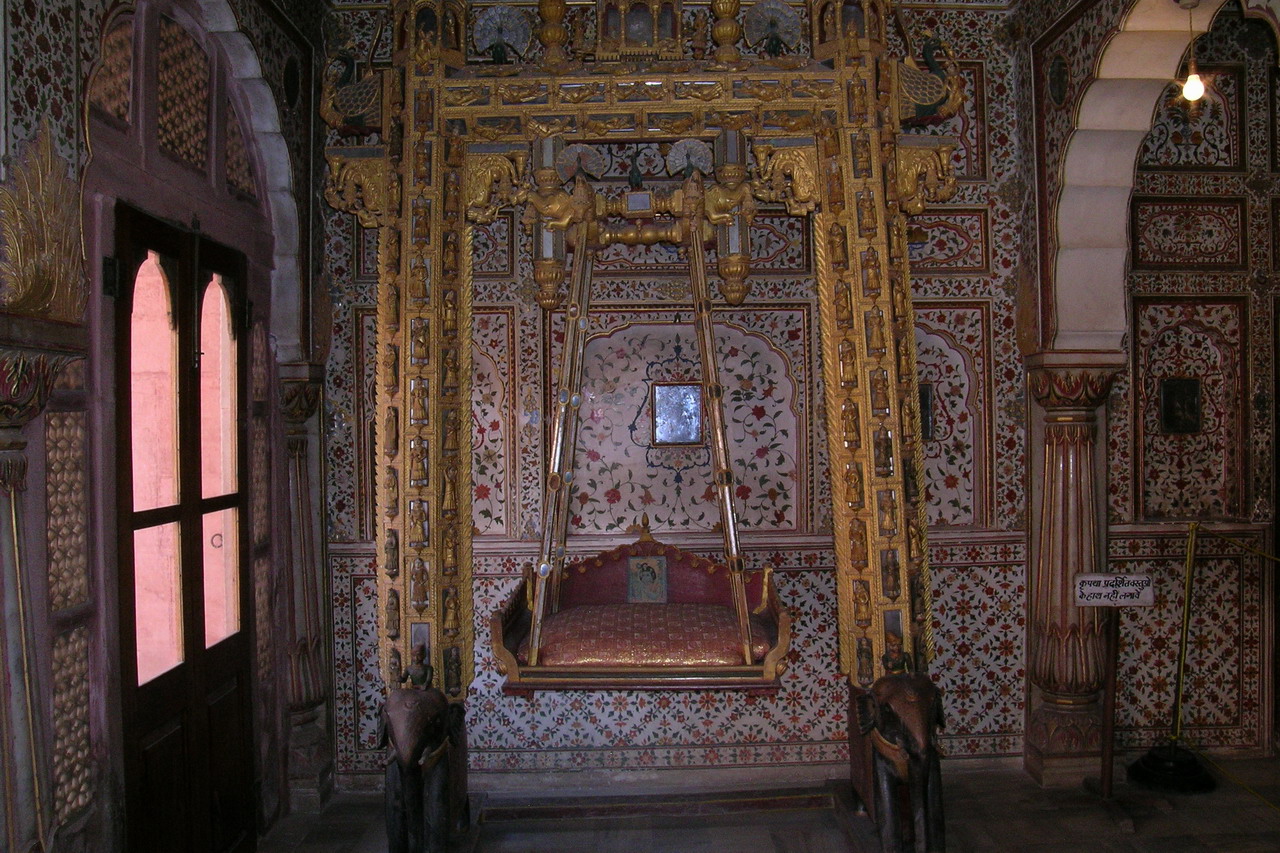
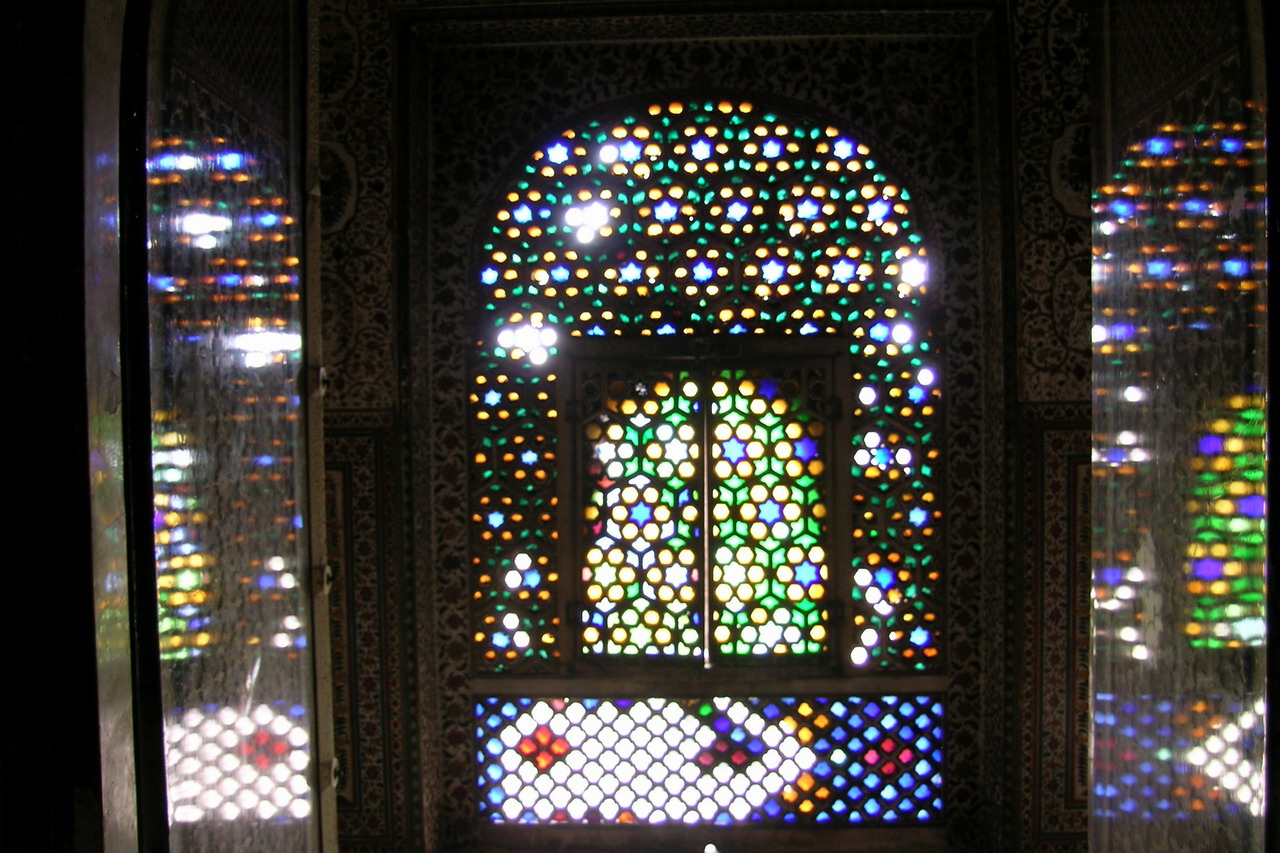
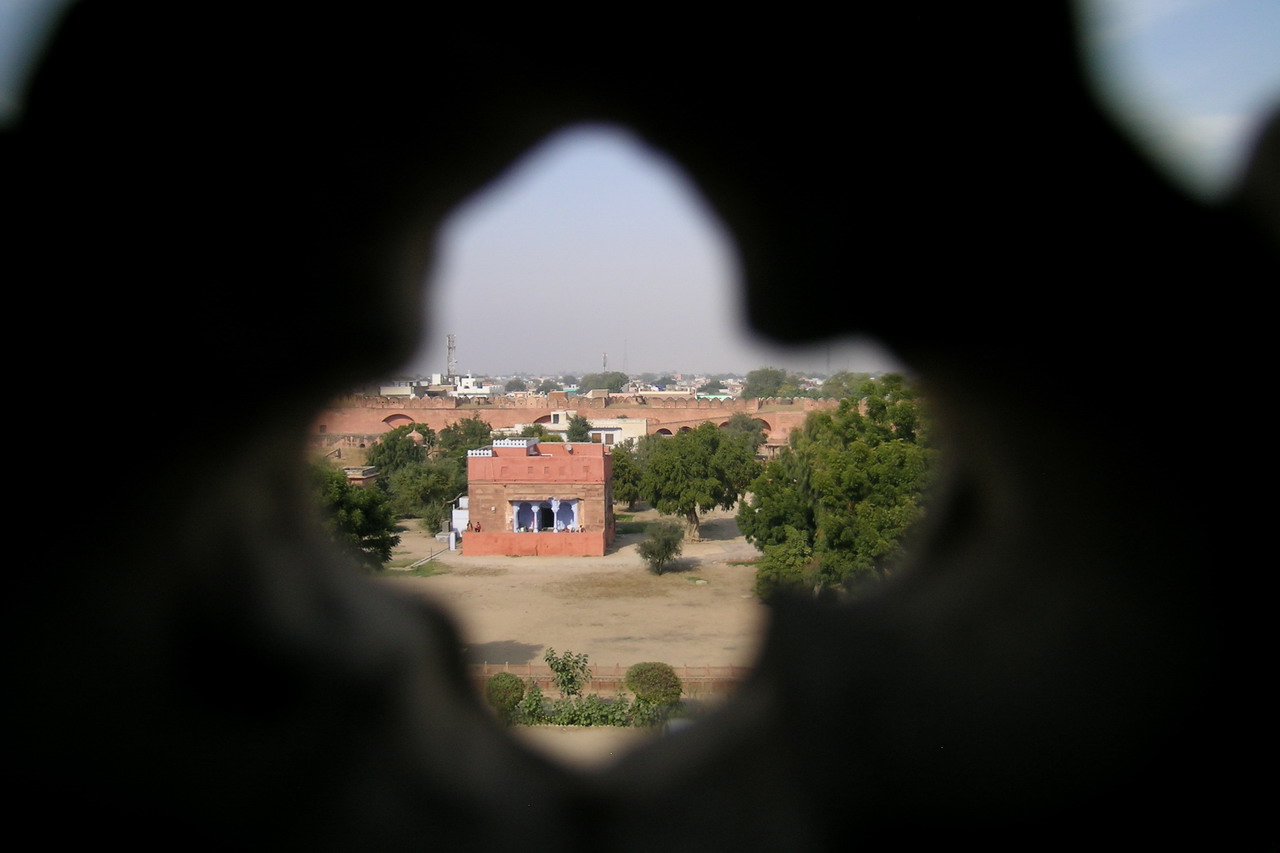
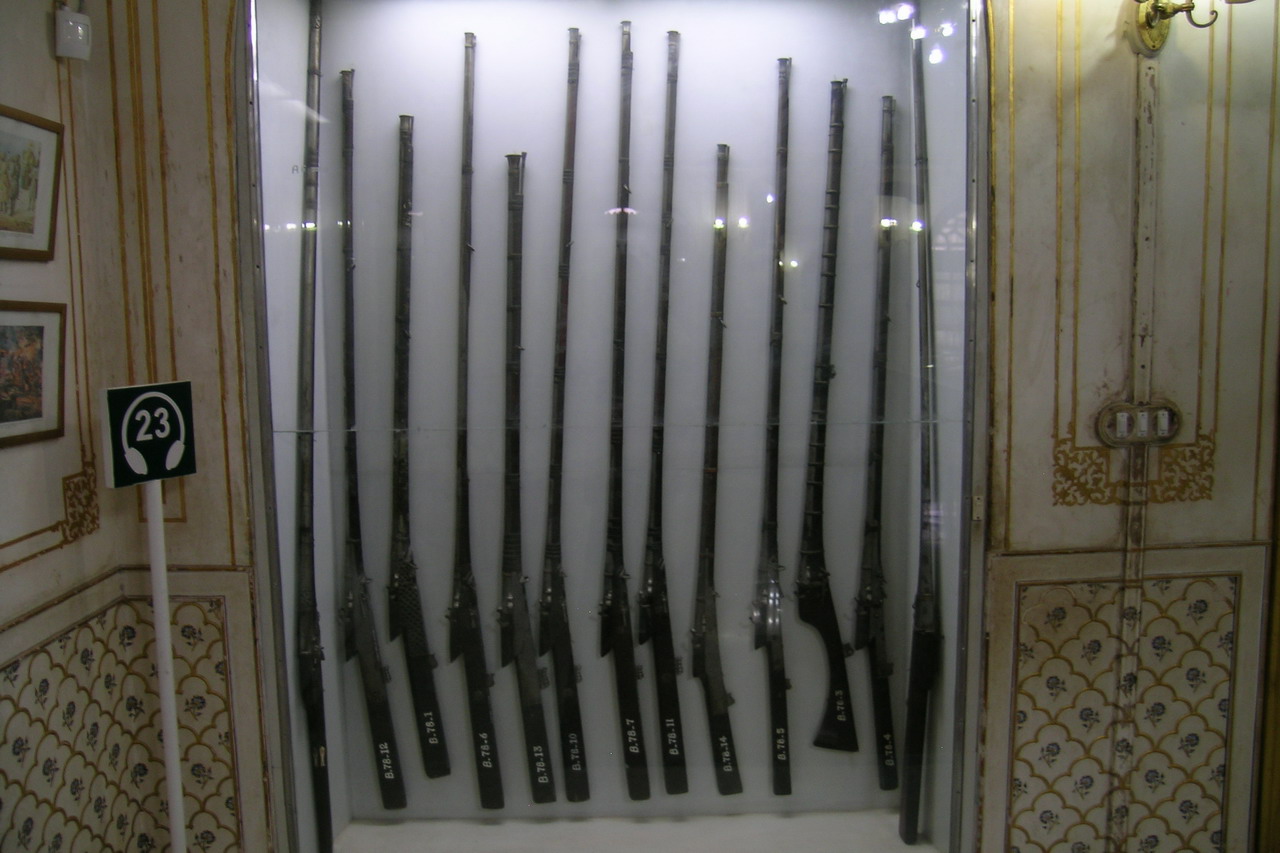
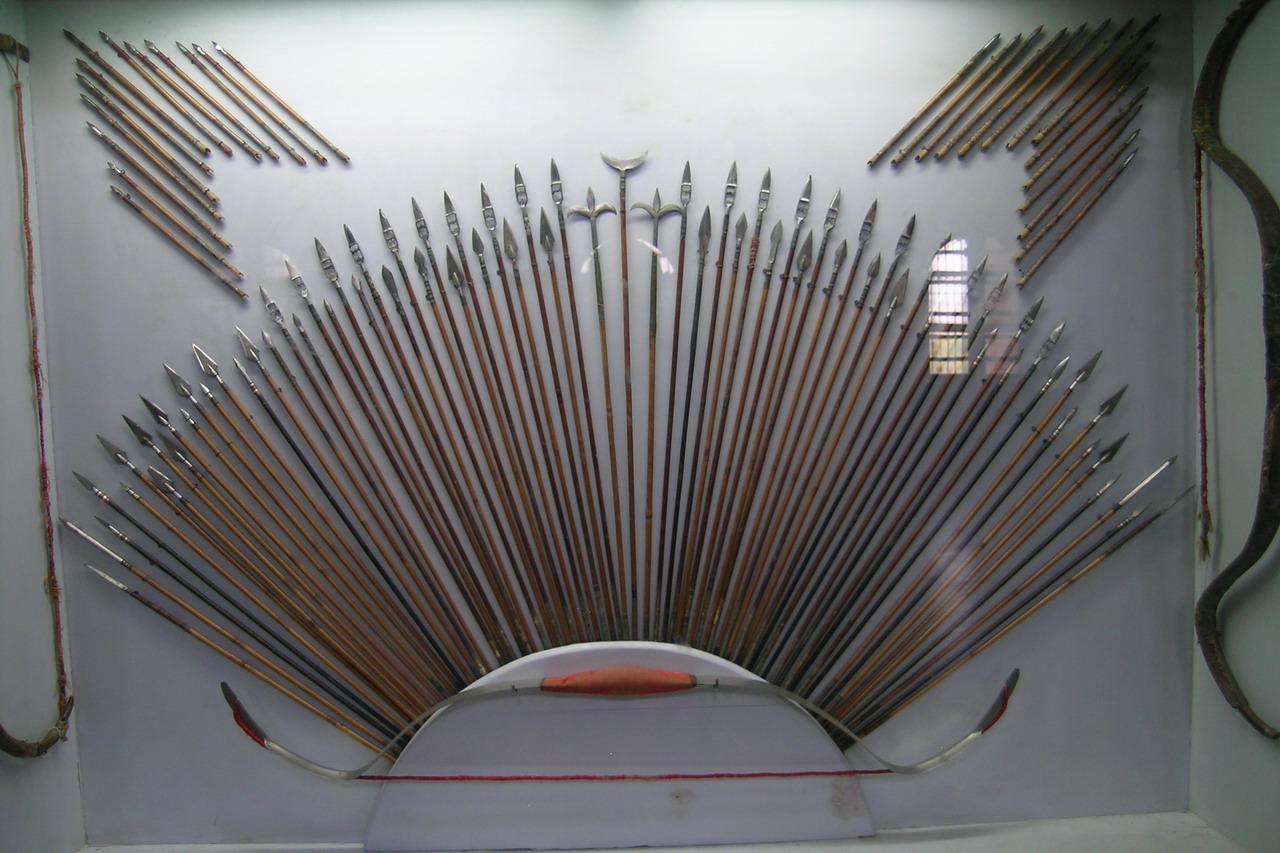
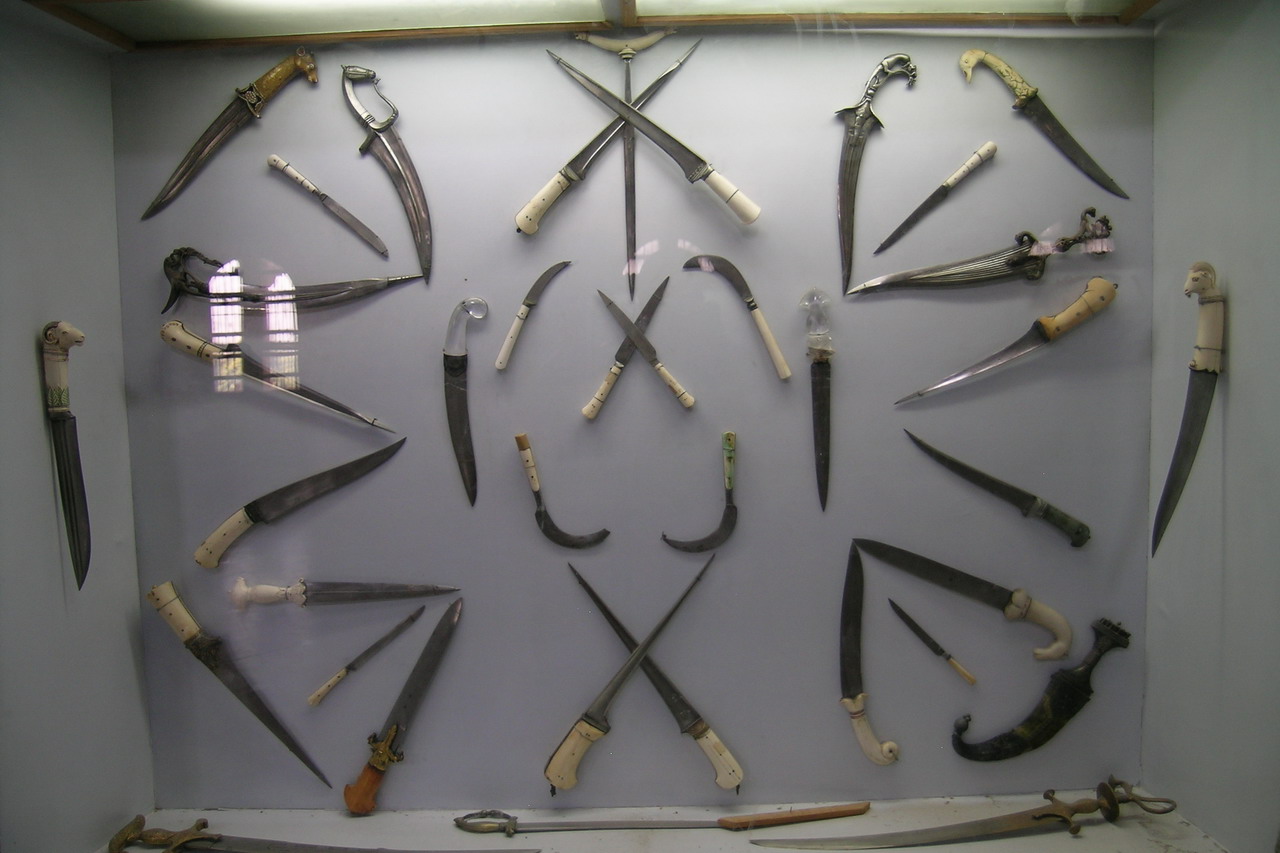
In the morning I venture out into Bikaner. The place is frenetic, still feels like a frontier town. Behind the hotel’s alleys are hundreds of small black goats — lively, curious, running and jumping everywhere. Then I visit the fort. Pink. A very fine museum, with weapons and instruments of torture of every kind — wooden boards studded with long nails or sharp spikes, swords, daggers, axes, three-pronged maces. The three-lane speed bumps were probably designed by the descendants of those same craftsmen. Rifles, some of modern make. I try to picture the battles of those times. I still don’t feel well. I go back to the hotel. I decide to stay an extra day. No decision was ever wiser. The next day I’m badly off — a high fever, measured with my flat liquid-crystal thermometer. Thirty-nine and change. I worry — I’m still a long way from Delhi and the flight that has to take me back to Italy.
Conservative strategy: I put on every jumper I own, burrow under every blanket for the whole day, and pop antibiotics and paracetamol like sweets. The one moment on the whole trip I felt truly alone and far from home. Lulled by the ritual calls of the muezzins. And by car horns. I wait for the next day to decide whether to start broad-spectrum antibiotics. I fall asleep around 7 in the evening.
Photographs